The property that decides most projects
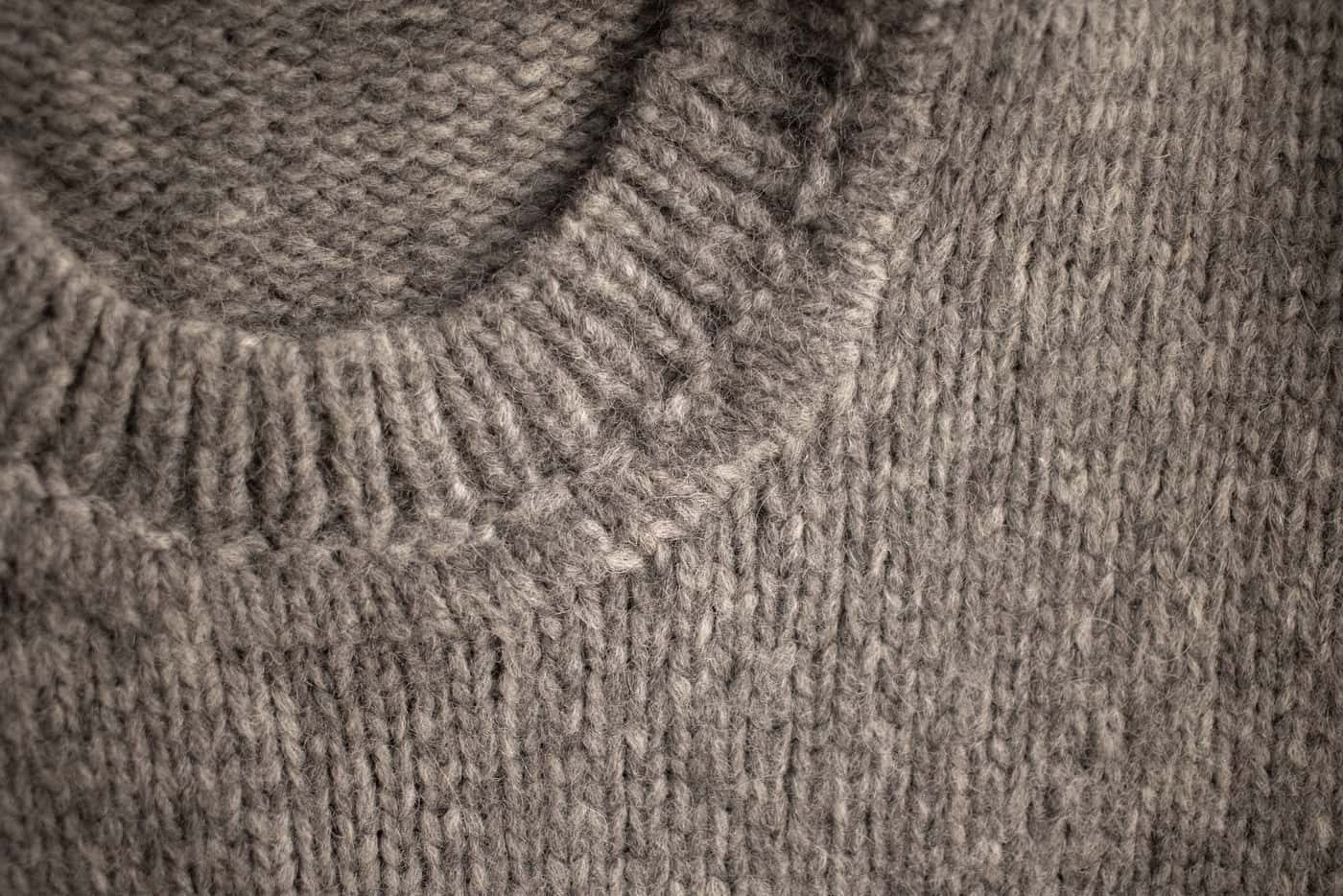
Memory - the fiber's willingness to return to shape after being stretched. It is what makes ribbing grip, cables stand up and a cuff stay a cuff, and it is the column people read last.
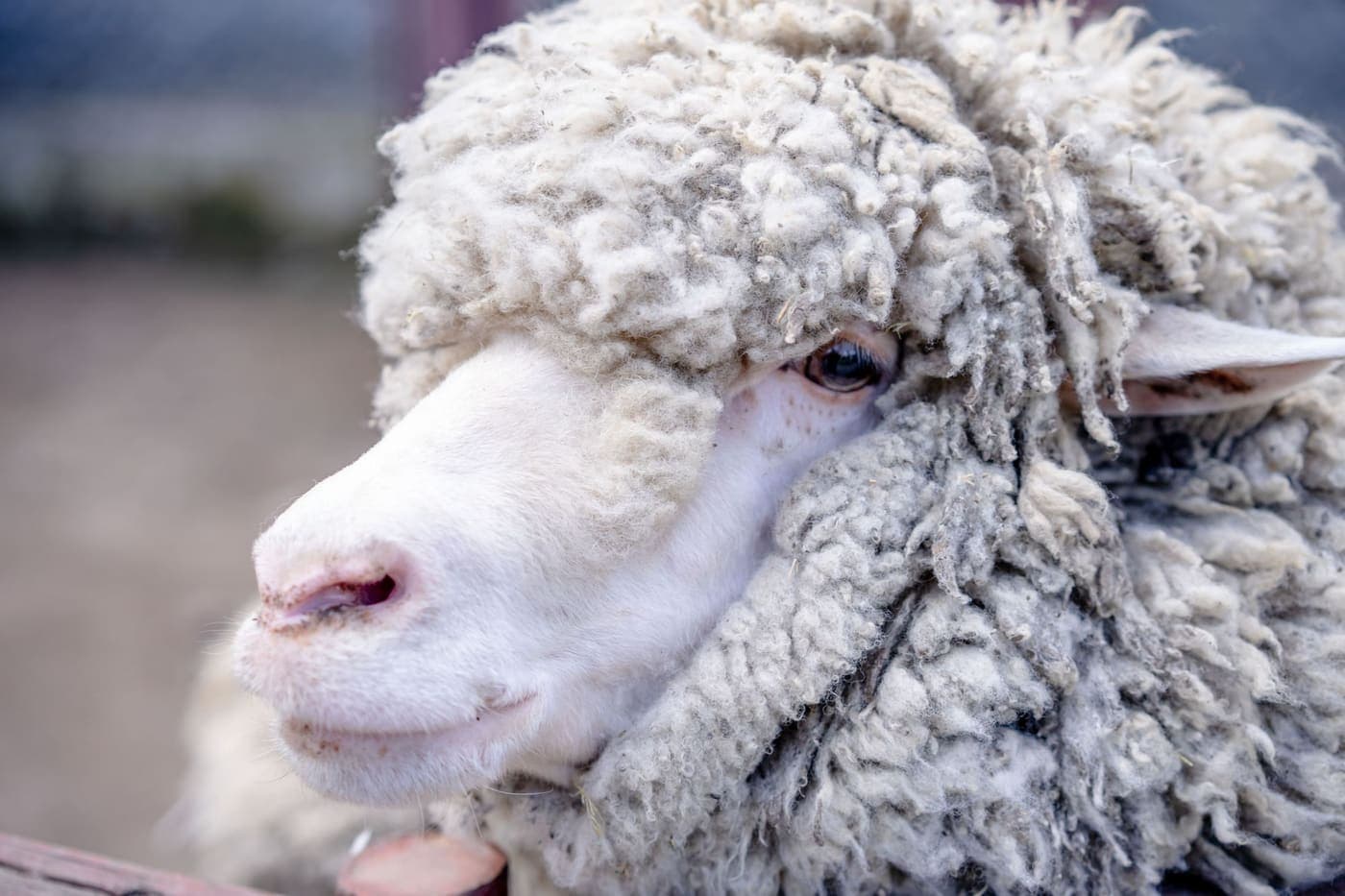
Wool has it, because the fiber is crimped and scaled. Acrylic does not, because it is an extruded filament. Cotton has none. Alpaca has almost none. Superwash wool has less than untreated wool, because the treatment removes the surface grip that holds stitches in place.
So anything fitted wants wool in it, and anything flat does not care. That single sentence resolves more yarn decisions than any amount of softness comparison.
Why wool itches, and why it is not an allergy
Prickle is mechanical. Textile research puts the threshold at roughly 30 micrometers of fiber diameter: fibers coarser than that are stiff enough that their ends do not bend when pressed against skin, so they push into it and trigger the nerve endings that register as itch.
What matters is not the average fineness but the proportion of fibers above that threshold - the coarse tail, not the mean. Merino at roughly 11.5 to 22 microns sits well under the line, which is why merino does not itch and a coarse tweed does. True wool allergy is rare; what most people call one is this.
Where we say we do not know
Three places on this site, and they are worth knowing about because they are the places other sites give you a confident answer:
- Microfiber shedding from hand knits. Every study we found tested manufactured apparel fabric. We found none that measured a hand-knitted acrylic object, and anyone giving you a number for one is extrapolating.
- How much polymer a superwash garment sheds over its life. The process chemistry is well documented; the shedding is not measured in anything we found.
- Whether individual mills use anything unexpected. We reason from published process descriptions to conclusions about products we cannot individually audit, and we say so where it matters.
The safety-adjacent questions, answered properly
Does acrylic yarn shed microplastics sets out what the washing studies measured and what they did not. Does superwash wool contain PFAS explains why the standard treatment is not a fluorochemical, and what the real environmental objection is. Can acrylic yarn cause allergies covers what the dermatology literature documents, which is mostly dyes and finishes rather than fibers.
None of those pages sell anything. They exist because the questions are real and the answers available elsewhere are usually either reassurance or alarm, and rarely sourced.
Where to go from here
The fiber comparison table puts every common fiber on the same eight axes, which is the fastest way to orient. From there, acrylic vs wool is the comparison most projects come down to, and yarn by project turns the fiber decision into a purchase.