Head to head
Alpaca vs Cashmere
One is softer. The other is warmer, cheaper and you can actually find it. That is most of the answer.
By Sawyer V. · Published September 12, 2026
Disclosure: we earn a commission when you buy through the links on this page, at no extra cost to you. It never decides what we recommend or how we rank it - read the full disclosure.

The short answer
Cashmere is softer than alpaca and almost nothing else competes with it on hand-feel. Alpaca is warmer, considerably cheaper, far easier to actually buy, and more durable. For most knitters most of the time, alpaca - or a merino that costs a fraction of either - is the better purchase, and cashmere is worth it only where softness against the skin is the entire point of the garment.
Note what this page is and is not. We can point you at alpaca yarn all day. Cashmere at a price and availability this site can honestly recommend barely exists - it is a yarn-shop and blend purchase, and the mainstream acrylic-cashmere blend that used to fill that gap has been discontinued. That is itself part of the answer.
The comparison
| Alpaca | Cashmere | |
|---|---|---|
| Animal | Alpaca (camelid) | Cashmere goat (undercoat) |
| Softness | Very soft; baby alpaca softer still | The softest common fiber |
| Warmth | Very warm - hollow-cored fiber | Warm, less so than alpaca |
| Weight of fabric | Heavy | Very light |
| Durability | Moderate | Low - it pills quickly |
| Elasticity | Almost none | Low |
| Price | Mid to high | Highest |
| Easy to buy? | Yes, in blends and pure | Mostly yarn shops and blends |
| Machine washable? | Only in acrylic blends | Rarely |
Why cashmere costs what it does
Cashmere is the fine undercoat of the cashmere goat, separated from the coarse outer guard hairs. One animal yields a small quantity per year, and the dehairing step is labor-intensive. That supply constraint is the price, and no amount of scale changes it.
Alpaca is a whole fleece rather than an undercoat, from an animal that produces considerably more of it. That is why a pure alpaca blend sits at a mid price and cashmere does not.
Warmth and weight
Alpaca fiber is hollow-cored, and that trapped air is why an alpaca garment is hotter than a wool one of the same thickness. Cashmere is warm too, and its warmth arrives in a much lighter fabric.
- For a winter coat-replacement sweater: alpaca. It is the warmest of the three fibers here by a clear margin.
- For something worn indoors all day: cashmere, because alpaca can genuinely be too hot.
- For a next-to-skin layer: cashmere, or fine merino at a fraction of the price.
- For weight on the shoulders: alpaca is heavy. A long alpaca cardigan is a substantial object.
Neither holds its shape
Wool's memory comes from crimp - the natural waviness that makes a wool fiber act like a tiny spring. Alpaca has very little crimp and cashmere has some but not much, so both produce fabrics that stretch and stay stretched.
- Blend with wool. The half-alpaca, half-wool worsted above exists for exactly this reason.
- Knit at a firmer gauge than the yarn's band suggests for a garment.
- Hang a weighted swatch for a day before committing. It will show you how much the garment will grow.
- Dry flat, never hang. A wet alpaca garment on a hanger is a permanently longer garment.
What we would actually buy
Being blunt about this: for most projects, a good merino is the better purchase than either. It is soft enough for almost everyone, it has the memory neither of these has, it is widely available, and it costs far less. Cashmere vs merino makes that argument in full.
| Project | Buy |
|---|---|
| First sweater | Merino or a wool blend |
| Very warm winter sweater | Alpaca blended with wool |
| Next-to-skin cowl or hat | Cashmere blend, or fine merino |
| Baby items | Superwash merino - washability wins |
| Something for daily wear | Not cashmere; it will pill |
| A special-occasion gift | Cashmere blend, knowingly |
| Anything you want machine washable | An acrylic blend of either |
Buying either without being disappointed
- Check the percentage. A yarn can say cashmere on the band at a very small proportion of the content. The acrylic-alpaca blend above is 10% alpaca and says so.
- 'Baby alpaca' is a grade, not an age. It denotes fiber fineness, not a young animal.
- Blends are not a compromise here, they are usually the correct choice - wool supplies the memory both fibers lack.
- Check the care label before you fall in love. Most of both is hand wash and dry flat.
- Swatch and wash the swatch. Both fibers bloom and soften with the first wash, and both change size.
The alpaca buying page is best alpaca yarn, and alpaca yarn pros and cons goes deeper on the fiber itself.
The alpaca side of this comparison
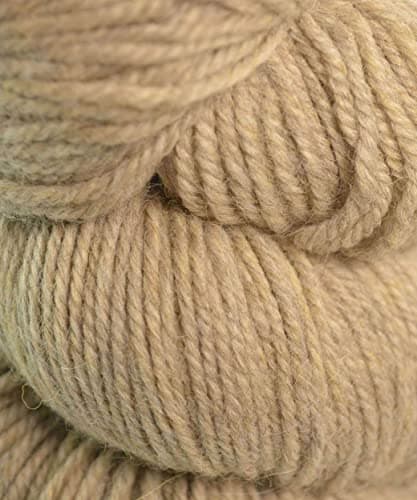
Berroco Ultra Alpaca
50% super fine alpaca, 50% Peruvian wool, worsted, 219yd per 100g. Hand wash cool, lay flat. Made in Peru.
$17.00 - View on Amazon#ad disclosure - price as of September 21, 2026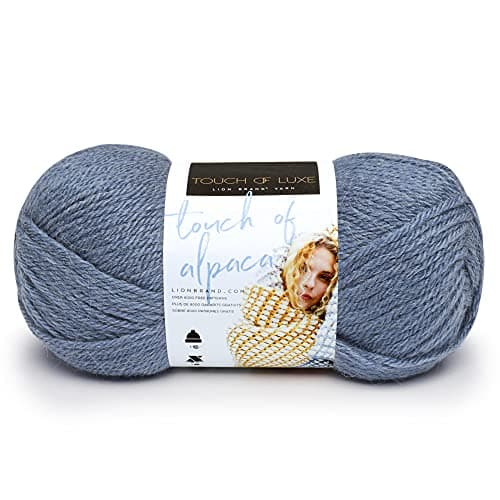
Lion Brand Touch of Alpaca
90% acrylic, 10% alpaca, worsted, 207yd per 100g - machine washable, and the cheapest way to feel what alpaca adds.
$7.99 - View on Amazon#ad disclosure - price as of September 21, 2026
Cascade 220 Superwash Merino
The fiber we would usually buy instead of cashmere: 100% superwash merino, 220yd per 100g.
$21.00 - View on Amazon#ad disclosure - price as of September 21, 2026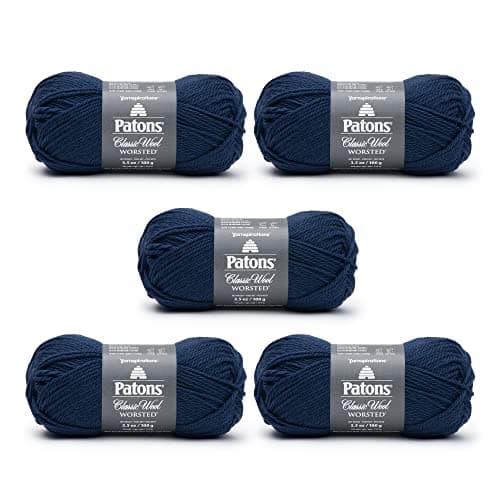
Patons Classic Wool Worsted
The durability benchmark - 100% untreated wool, worsted, 194yd per 100g.
$43.65 - View on Amazon$47.228% off · #ad disclosure - price as of September 21, 2026
Questions people actually ask
Is alpaca or cashmere better?
Cashmere is softer; alpaca is warmer, cheaper, more durable and far easier to buy. For most projects alpaca or a good merino is the better purchase, and cashmere is worth it only where softness against the skin is the entire point.
Is alpaca warmer than cashmere?
Yes. Alpaca fiber is hollow-cored, so it traps more air and makes a hotter garment. Cashmere is warm in a much lighter fabric, which is why it suits indoor layers where alpaca can be too hot.
Why does cashmere pill so quickly?
Because it is very fine and short, which are exactly the properties that make it feel the way it does. An expensive cashmere pills too - it is not a quality defect. Budget for a fabric shaver alongside the yarn.
Why is cashmere so expensive?
It is the fine undercoat of the cashmere goat, separated from coarse guard hairs by a labor-intensive dehairing step, and each animal yields a small quantity a year. Alpaca is a whole fleece from an animal that produces much more of it.
Does alpaca yarn stretch out?
Yes. It has very little crimp and therefore very little memory, and the fabric is heavy - so garments lengthen under their own weight. Blend with wool, knit firmly, and always dry flat rather than hanging.