Reference
Yarn Weight Chart
All eight weight categories with knit gauge, crochet gauge and the tool sizes each one calls for.
Top pick: Patons Kroy Socks
$9.99 - View on Amazon#ad disclosure - price as of October 20, 2026
Size charts, the weight system, and a yardage matrix - the numbers, without the preamble.
The numbers, without the preamble. Every table in this section is either reproduced from a published standard or computed from one, and every page says which.
Most of what these pages contain is the Craft Yarn Council's Standard Yarn Weight System, which is the industry's own mapping of yarn thickness to gauge, needle size and hook size. We compiled it; we did not derive it, and we have not adjusted or averaged anything.
The one page here that is genuinely ours is the yardage method, and it is honest about what it is: an arithmetic procedure you run on your own swatch, rather than a single number we made up for you.
Reference
All eight weight categories with knit gauge, crochet gauge and the tool sizes each one calls for.
Top pick: Patons Kroy Socks
Reference
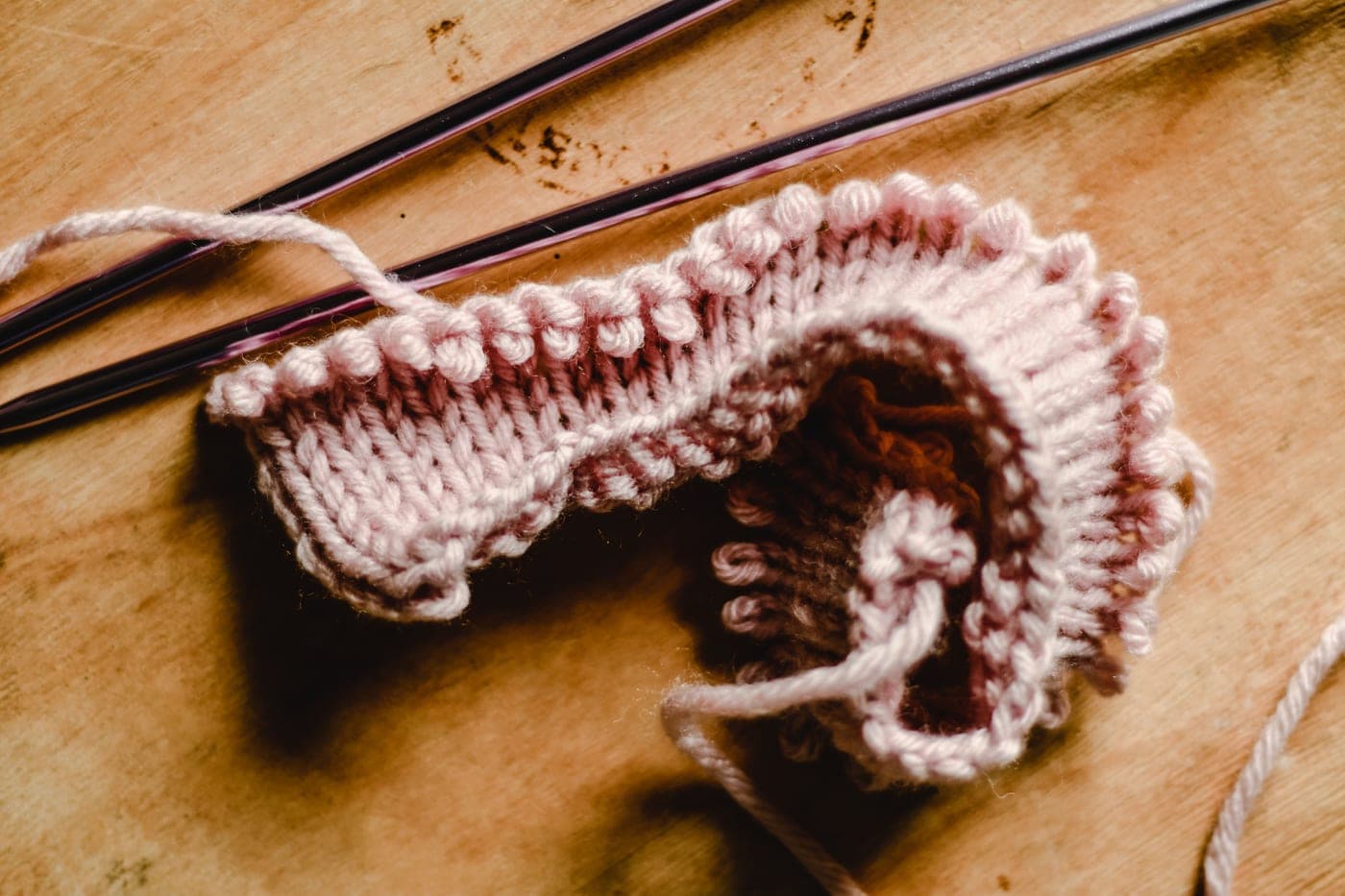
US to metric conversions plus the needle range each yarn weight calls for.
Top pick: ChiaoGoo TWIST Red Lace Interchangeable Set (Complete, 5in tips)
Reference
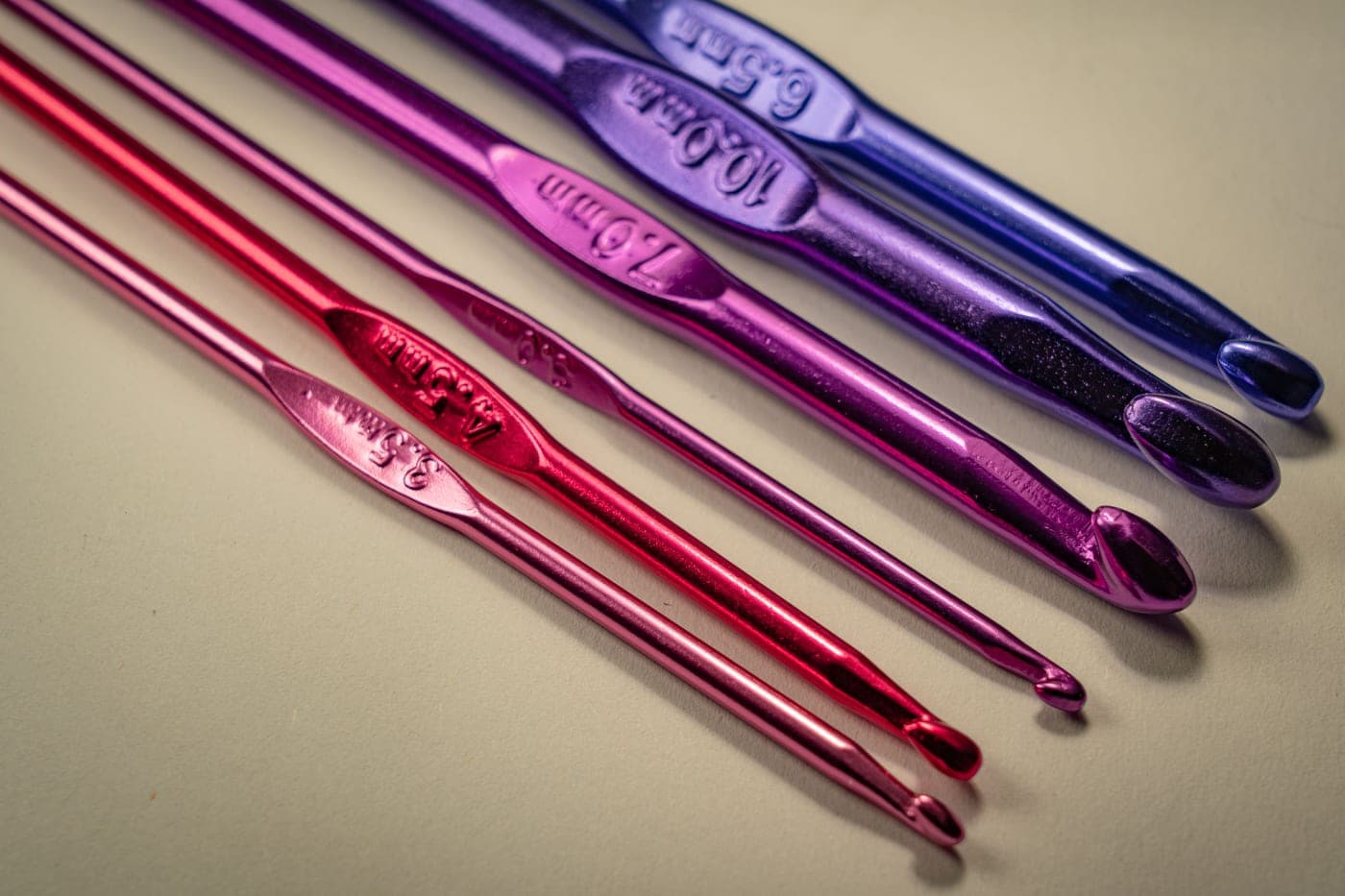
US letter sizes to millimeters, plus the hook range every yarn weight category calls for.
Top pick: Clover Amour Crochet Hook Set
Reference
The area method for yardage, standard finished sizes, and why single-number answers are wrong.
Top pick: Red Heart Super Saver
Reference
Weight, gauge, yardage, fiber behavior and care - the five checks a safe substitution needs.
Top pick: Lion Brand Wool-Ease
Reference
How to knit, block and measure a swatch, what to change when the numbers are wrong, and when you can skip it.
Top pick: Clover Takumi Bamboo Single Point Needles
Reference
What each ball band symbol means, how to read the dots and bars, and the two things a band never tells you.
Top pick: Cascade 220 Superwash Merino
Reference
The full US-to-UK crochet stitch conversion, how to spot which system a pattern uses, and the abbreviations both share.
Top pick: Clover Amour Crochet Hook Set
Reference
Knitting abbreviations grouped by function, what the brackets and asterisks mean, and which decreases lean which way.
Top pick: Clover Quick Locking Stitch Markers, Medium
Reference
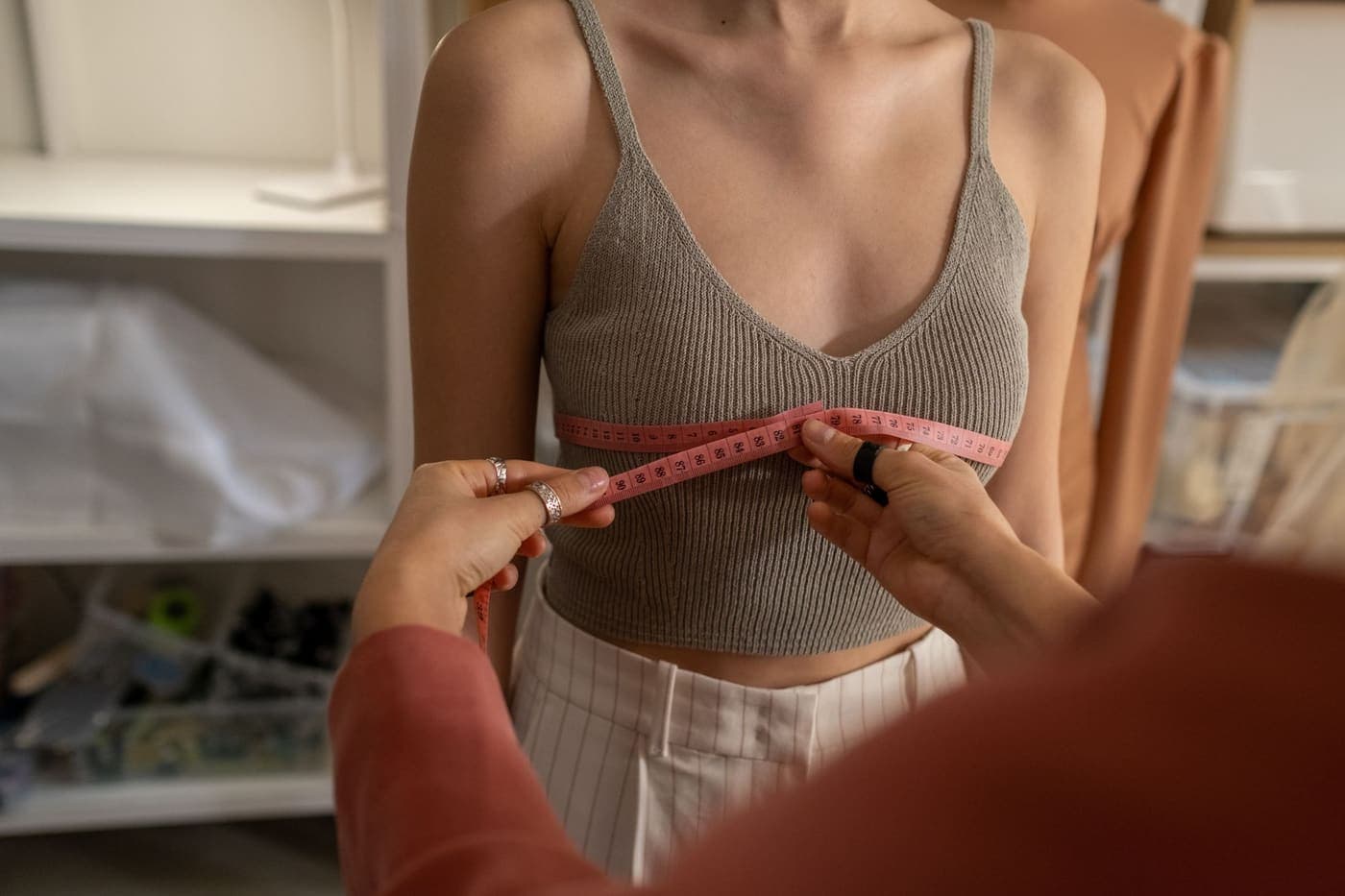
How pattern sizing works, which measurements to take, how much ease each fit needs, and why the size label is not the answer.
Top pick: Cascade 220 Superwash Merino
Reference
US, UK and Australian weight names mapped to the Craft Yarn Council numbers, and the ply confusion explained.
Top pick: Patons Kroy Socks
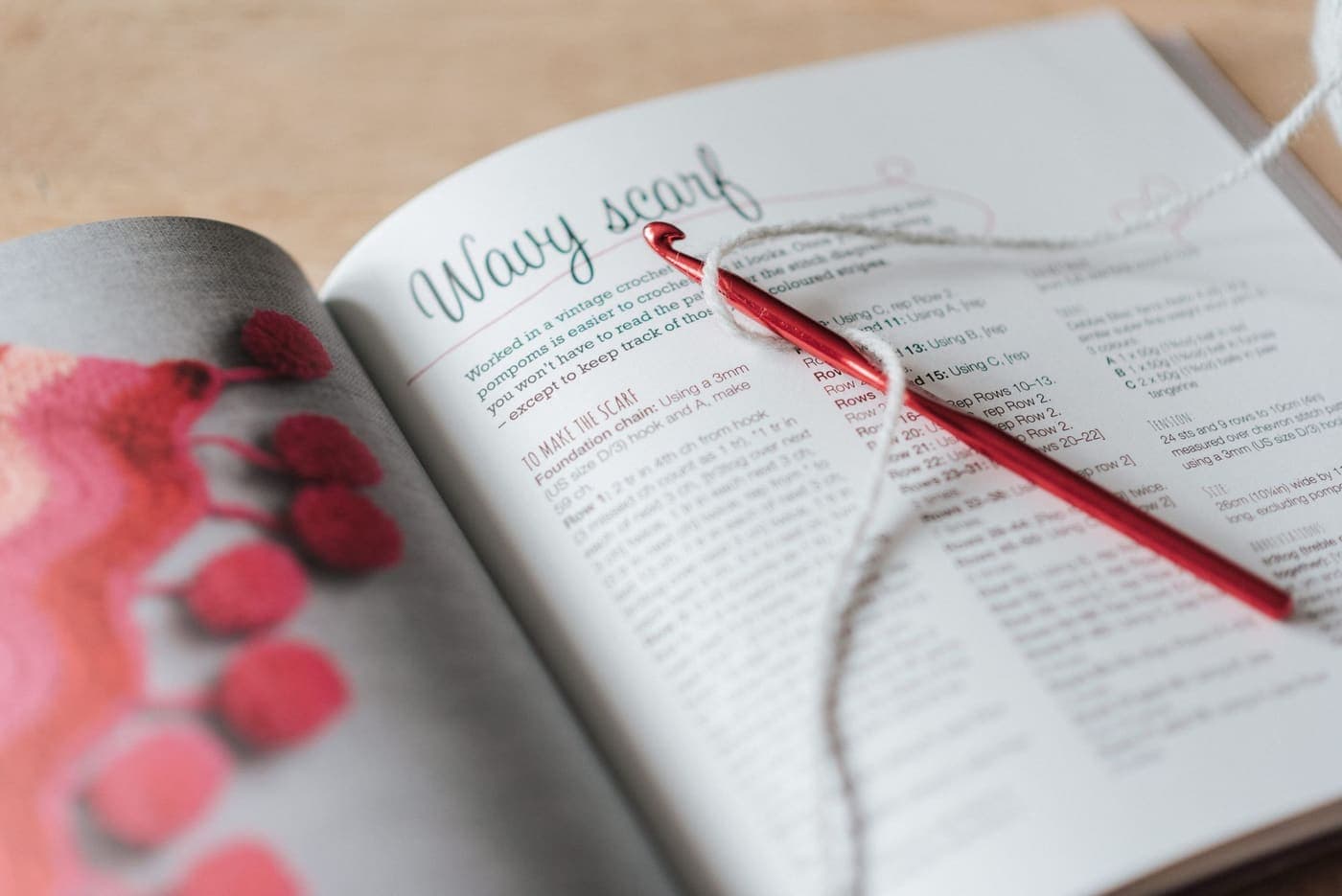
Reference
The common crochet symbols, how to read a chart worked flat or in the round, and why charts avoid the US/UK trap.
Top pick: Clover Quick Locking Stitch Markers, Medium
Reference
Thread size numbering, which size a pattern means, how it maps to hooks, and why two brands' No. 10 hooks differ.
Top pick: Aunt Lydia's Classic Crochet Thread Size 10
Reference
How to measure wraps per inch, why WPI tables disagree, and the known-yarn comparison that removes the guesswork.
Top pick: Susan Bates Knit-Chek Needle Gauge
Reference
Every section of a pattern explained, how sizes and repeats are written, and what to do before you cast on.
Top pick: Susan Bates Knit-Chek Needle Gauge
Reference
The published gauge, needle and hook figures for both weights, and what actually happens when you substitute one for the other.
Top pick: Lion Brand Truboo
Reference
Reading a written crochet pattern as a document: the header, repeat notation, turning chains, rounds, and the stitch count at the end of every row.
Top pick: Clover Amour Crochet Hook Set
Reference
The burn test chart for wool, cotton, acrylic, nylon and polyester - plus the no-flame tests that work on a yarn you cannot cut.
Top pick: Patons Classic Wool Worsted
Gauge is the definition and the tool size is a suggestion. A yarn is category 4 because it knits at 16 to 20 stitches over 4 inches, not because the label says 5mm. If you knit tightly you may need 5.5mm to land inside that range; if you knit loosely, 4.5mm. Both of you are using category 4 yarn correctly.
Most people have this backwards, and it is the single most common cause of a garment coming out the wrong size. Match the fabric, not the tool.
Because we would have to invent one. Yardage depends on your gauge, your stitch, your yarn's density and your finished size, and a blanket is anywhere from 1,000 to 4,500 yards depending on those four. Every page that answers with one number is guessing on your behalf.
What we give you instead is exact: the finished areas for standard sizes, published yardage per skein for real yarns, and the arithmetic to turn your own swatch into a shopping list. It takes two minutes longer and it does not leave you three skeins short in a discontinued dye lot.
These pages get revised with it. The tables here are compiled from published sources rather than remembered, and the sources are linked at the bottom of every page so you can check them yourself. That is the whole method, and it is set out in full on how we pick.
Before you buy anything
Everyone in this category says they tested twenty of these. We have not tested any, and we say so. What we publish instead is the manufacturers' own specifications, the arithmetic, and live prices with the date attached.
How we pick