Reference
Standard Garment Measurements and Ease
Pick the size by your chest measurement and the ease the pattern intends, never by the label.
By Sawyer V. · Published September 6, 2026
Disclosure: we earn a commission when you buy through the links on this page, at no extra cost to you. It never decides what we recommend or how we rank it - read the full disclosure.
The short answer
Knitting patterns are sized against published body measurements, and then the designer adds ease - the difference between your body and the finished garment. Choose your size by your actual chest measurement plus the ease the pattern intends, not by the size you buy in shops.
How pattern sizing actually works
A pattern gives two sets of numbers and people routinely read the wrong one.
- To fit chest is a body measurement. It describes you.
- Finished chest is the garment's measurement, flat, after blocking. It describes the sweater.
- The difference between them is ease, and it is a design decision the pattern has made.
If a pattern lists only finished measurements, the ease is yours to decide - which is why knowing your own chest measurement matters more than knowing what size you buy in a shop.
The standard measurements
The Craft Yarn Council publishes standard body measurements that most American patterns are sized against, running from X-Small to 5X. A few reference points from the women's table:
| Size | Chest (in) | Also published |
|---|---|---|
| X-Small | 28-30 | Waist 23-24 |
| Large | 40-42 | Hips 42-44 |
| 3X | 52-54 | Upper arm 17 |
The full standard also gives waist, hip, back waist length, armhole depth and arm length to underarm for every size, with metric equivalents. It is the reference to check when a pattern's sizing looks unusual - a pattern that departs a long way from it is telling you something about its intended fit.
Ease, which is the whole of fit
| Fit | Ease at the chest | Suits |
|---|---|---|
| Negative | -2 to -4in | Ribbed and stretchy fabrics; close-fitting tops |
| Zero | 0in | T-shirts, tank tops, close cardigans |
| Classic | +2 to +4in | Most sweaters - the default if the pattern is silent |
| Relaxed | +4 to +6in | Everyday pullovers worn over a shirt |
| Oversized | +6 to +10in and up | Deliberately loose; drop-shoulder designs |
What to measure, and how
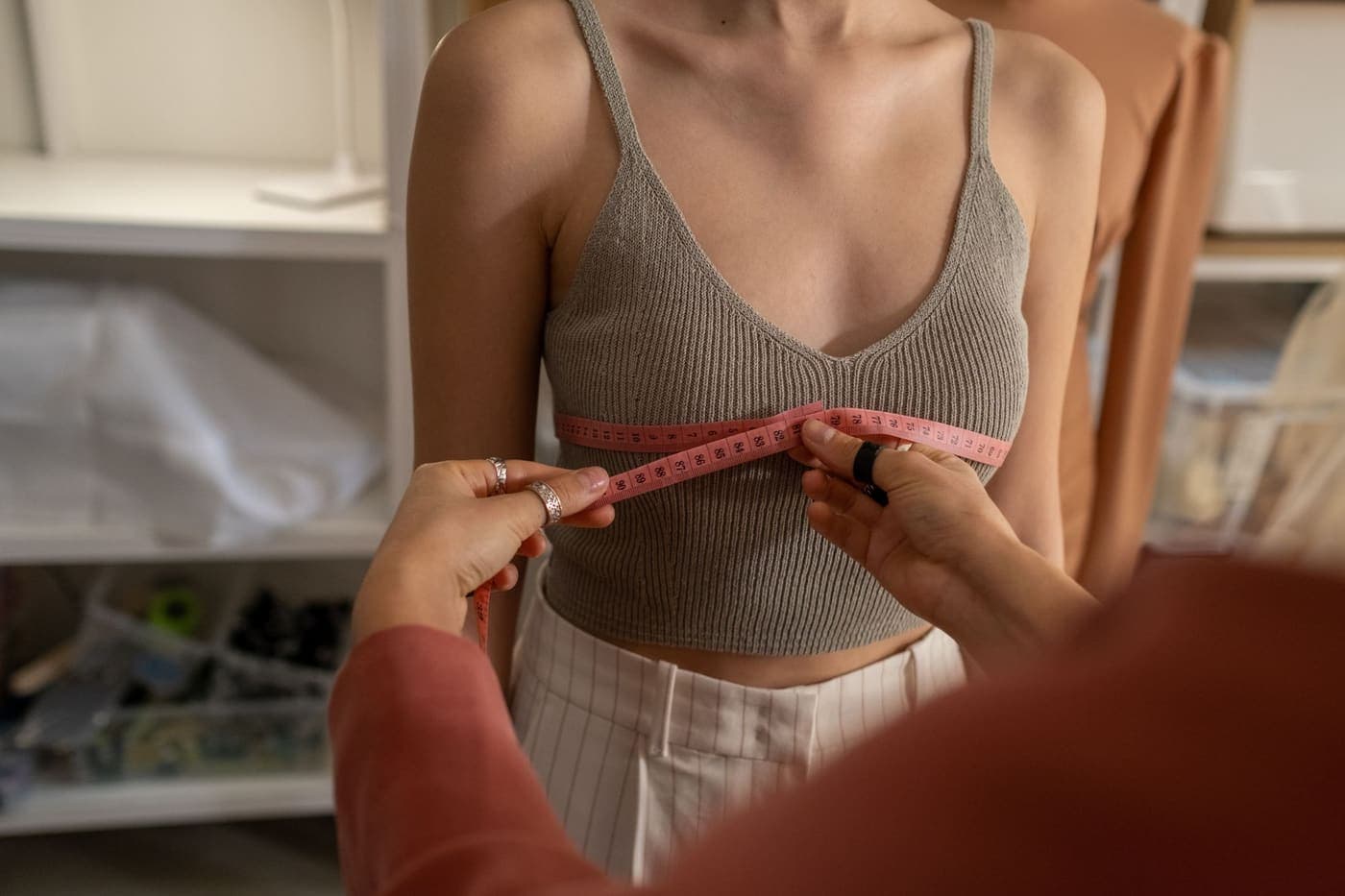
- Chest or bust, at the fullest point, tape level and snug but not tight. This is the number everything else follows from.
- Upper arm, at the fullest point. Sleeves are the second most common fit failure.
- Back waist length, from the bony bump at the base of your neck to your natural waist. It tells you whether to lengthen the body.
- Arm length to underarm, from wrist to the armpit with the arm relaxed.
- Cross back, shoulder point to shoulder point across the back.
Measure over the underwear or shirt you would actually wear under the garment, and have someone else hold the tape if you can - self-measuring the back is unreliable.
The shortcut that works better than measuring
Find a sweater you already own and love the fit of. Lay it flat and measure it across the chest, from underarm seam to underarm seam. Double that number.
That is your target finished chest measurement, with the ease already baked in by a garment you have worn and liked. It sidesteps the entire ease question, and it is the single most useful thing in this page.
Where fit goes wrong
- Choosing by size label. Shop sizing and pattern sizing are unrelated. Work from the chest measurement.
- Ignoring gauge. A gauge error of one stitch per four inches puts an adult garment a full size out - the arithmetic is on the gauge page.
- Ignoring upper arm. Many patterns grade sleeves proportionally, which does not suit every body. Compare the pattern's upper arm figure to yours.
- Forgetting the fiber will move. Superwash wool grows; cotton stretches downward; untreated wool blocks to shape and stays. See does wool yarn shrink.
- Not accounting for length. Body and sleeve length are the easiest things to adjust and the most often left at the default.
Adjusting length safely
Length is the one change that requires no re-calculation, which makes it the safe adjustment for a first fitted garment.
Add or remove rows in the straight sections - below the armhole on the body, and below the sleeve cap shaping on the sleeve. Never adjust inside a shaping sequence. Then check your yardage: extra length costs yarn, and the yardage page shows how much.
Children's and men's sizing
The Craft Yarn Council publishes equivalent standard tables for men, children and babies alongside the women's one. The method is identical: measure the chest, add the intended ease, choose the size by finished measurement.
For children the one extra consideration is growth. Two inches of extra length in the body and sleeves buys a year of wear and costs very little yarn.
For a garment that fits
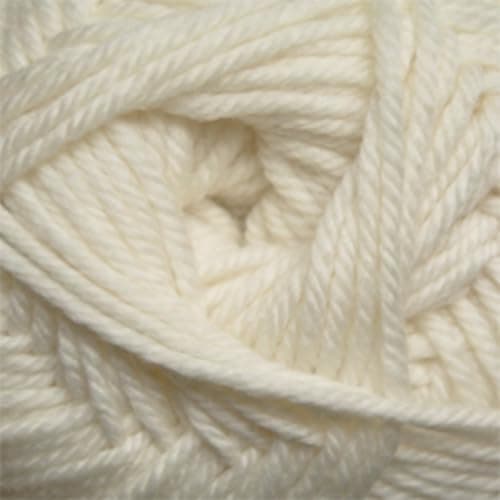
Cascade 220 Superwash Merino
A DK-to-light-worsted merino that blocks predictably, which matters when you are knitting to a measurement.
$19.00 - View on Amazon$21.0010% off · #ad disclosure - price as of October 20, 2026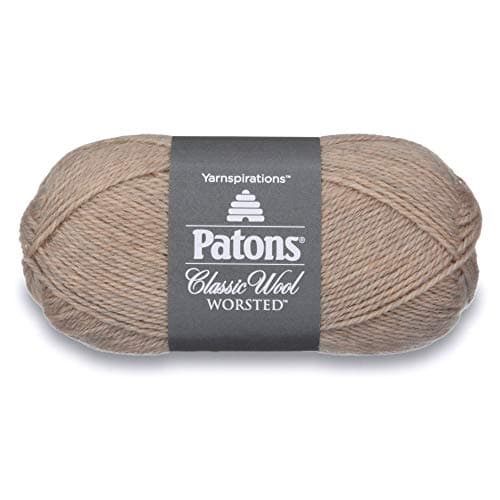
Patons Classic Wool Worsted
Untreated wool blocks to shape and holds it - the most forgiving fiber for a first fitted garment.
$11.79 - View on Amazon#ad disclosure - price as of October 20, 2026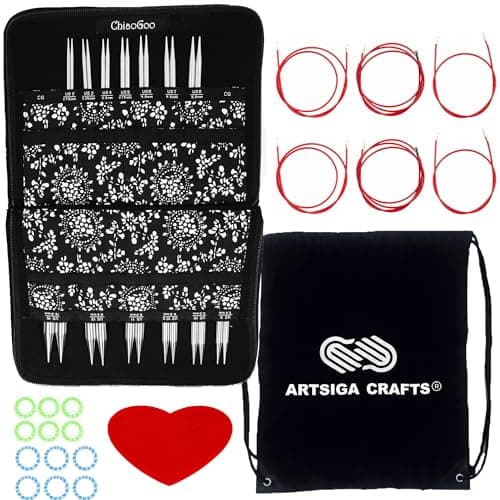
ChiaoGoo TWIST Red Lace Interchangeable Set (Complete, 5in tips)
Thirteen tip sizes, so hitting the pattern's gauge does not mean buying another needle.
$216.80 - View on Amazon#ad disclosure - price as of October 20, 2026
Questions people actually ask
What size sweater should I knit?
Measure your chest at the fullest point, add the ease the pattern intends, and choose the size whose finished chest measurement is closest to that total. The size label on the pattern is not comparable to shop sizing.
What is ease in knitting?
The difference between your body measurement and the garment's finished measurement. Classic fit is plus 2 to 4 inches at the chest; zero ease is close-fitting; negative ease means the garment is smaller than you and stretches to fit.
How much ease should a sweater have?
Two to four inches at the chest for a classic fit, four to six for a relaxed everyday pullover, and six or more for a deliberately oversized design. If the pattern does not say, classic is the safe default.
How do I measure for a knitted garment?
Chest at the fullest point, upper arm at the fullest point, back waist length from the neck bone to the natural waist, and arm length to the underarm. Measure over the layer you would wear underneath.
Is there an easier way than taking measurements?
Yes. Measure a sweater you already own and like across the chest from underarm seam to underarm seam, and double it. That is your target finished measurement with the ease already decided by a garment you have worn.