Skip to content
Worsted and Weave

Kits and Starter Sets

Convenient, frequently padded. Here is what a starter kit genuinely needs.

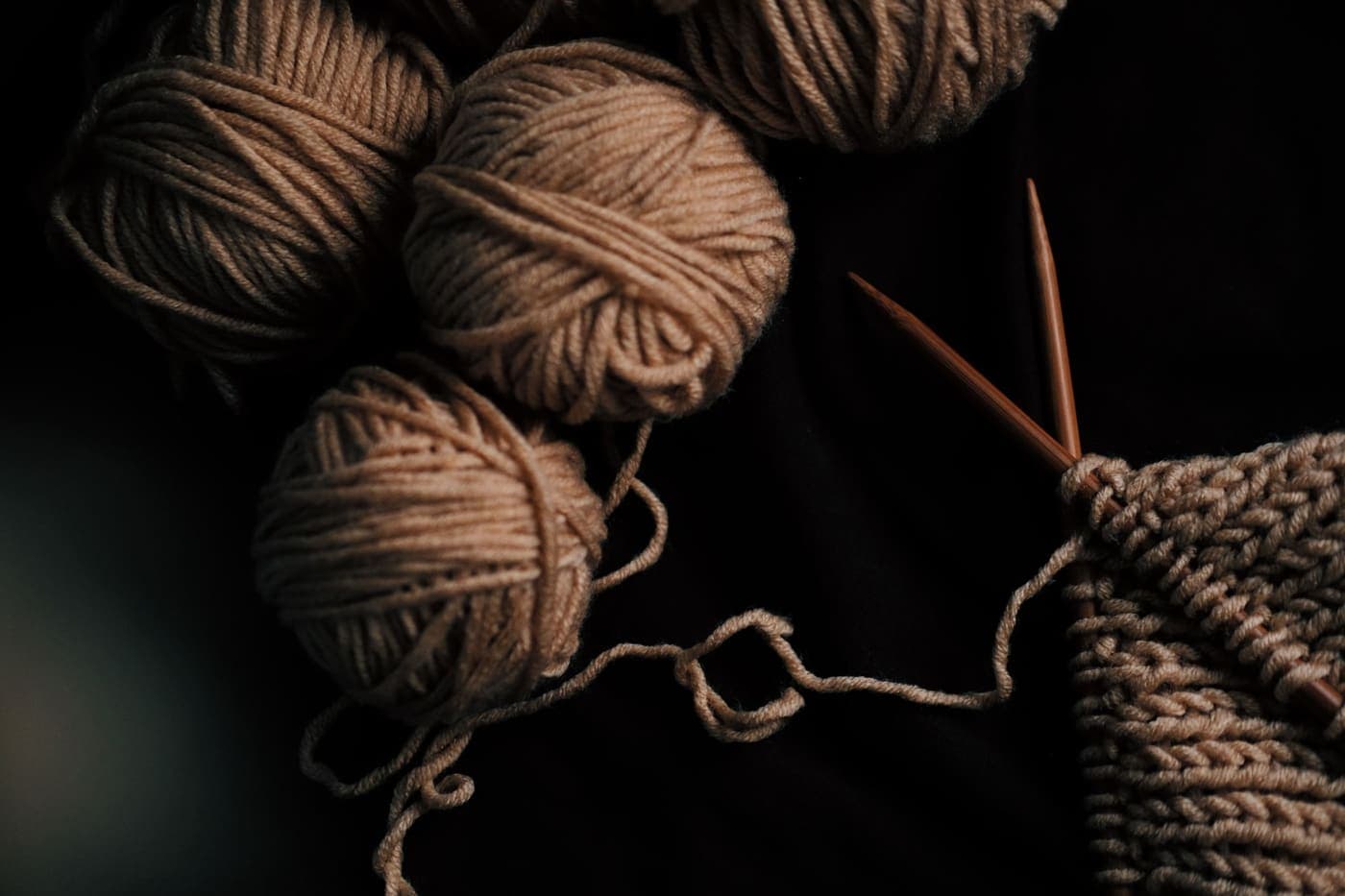
A beginner knitting kit laid out with needles, a yarn ball and a pattern card

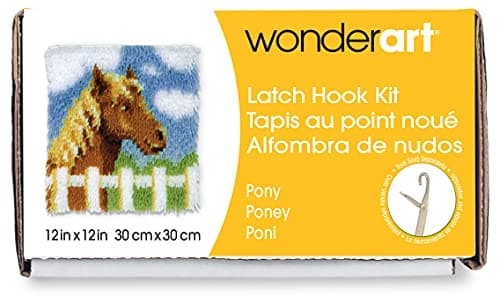
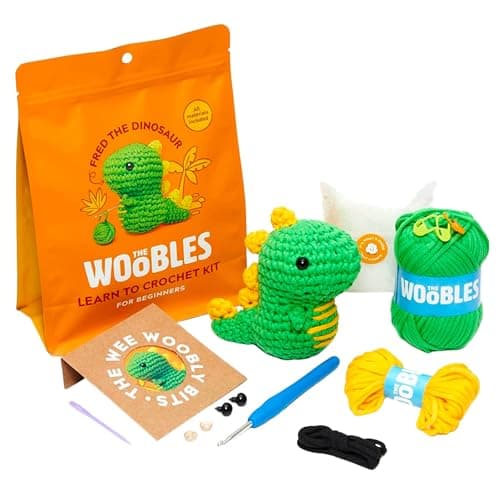
A starter kit is a teaching product wearing a materials product's packaging. The hook, the yarn and the needle inside cost a fraction of the price - what you are paying for is a chosen project, instruction, and in the best case a piece that has already been started for you.

That is a genuinely worthwhile thing to buy if you have tried and stalled, and dead weight if you have not. This section is honest about which is which, and about what padded kits leave out - the tapestry needle being the item omitted most often, and the one you cannot finish anything without.

This hub launches with three pages and will grow. The category has room for blanket kits, chunky kits and the kit-versus-parts arithmetic in more depth, and those pages are planned rather than built.

Disclosure: we earn a commission when you buy through the links on this page, at no extra cost to you. It never decides what we recommend or how we rank it - read the full disclosure.

The picks

Comparisons and guides

What a starter kit genuinely needs

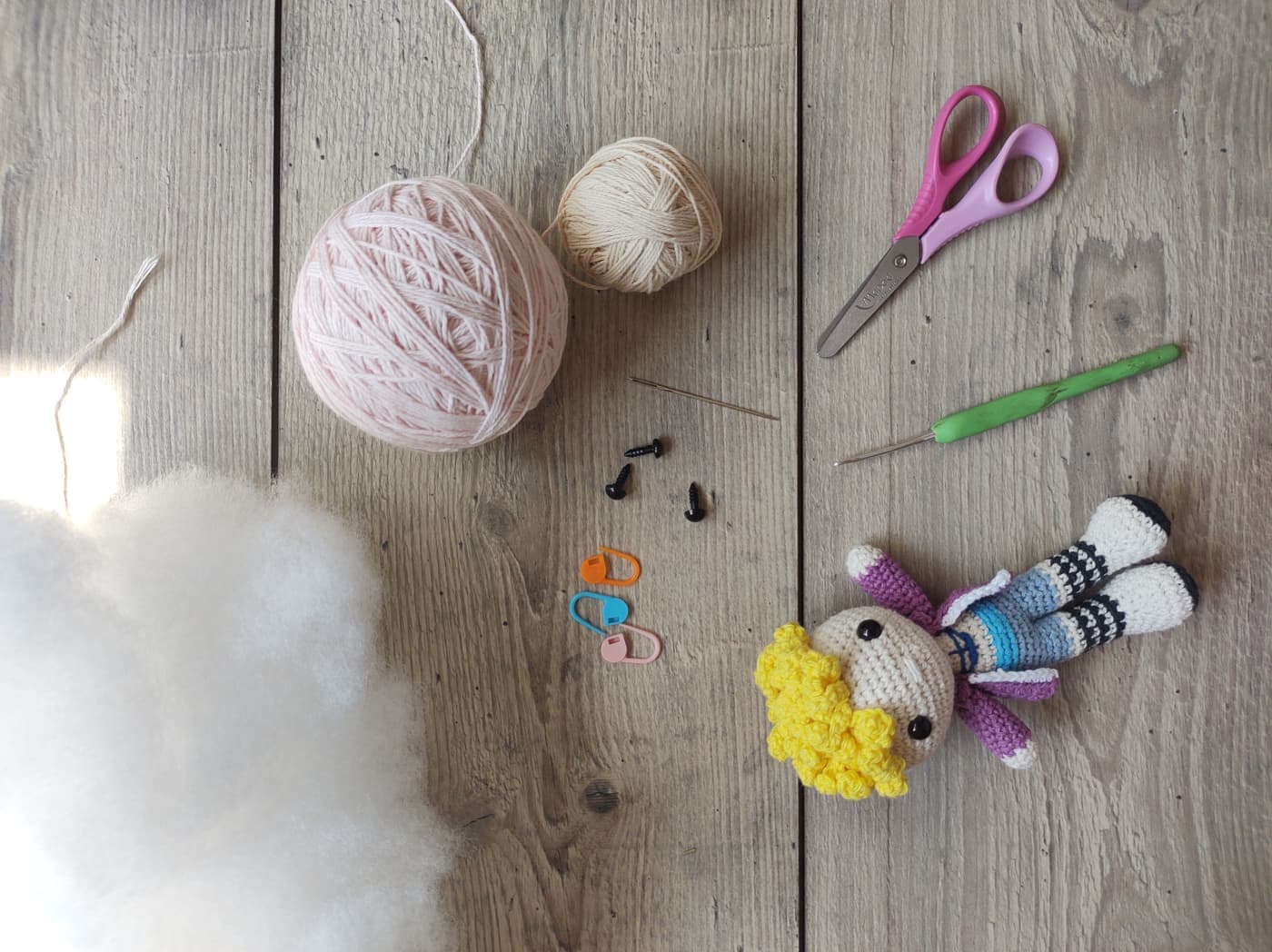
Six things, and most kits pad the list to twenty while missing one of the six:

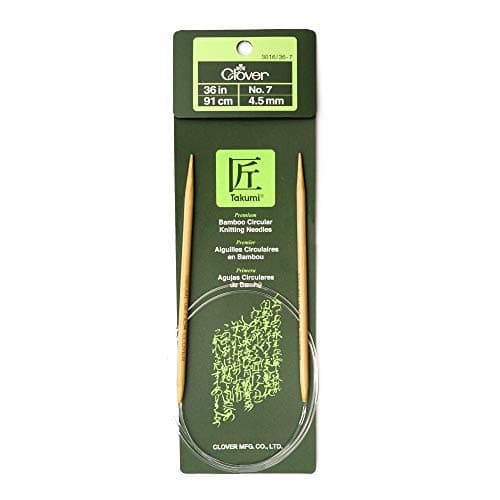
  1. One tool sized to the yarn - a 5mm hook, or a 5mm circular needle with bamboo tips.
  2. Smooth, pale, worsted yarn - two skeins, so one mistake does not end the project.
  3. A tapestry needle - blunt, large-eyed, required to weave in ends and finish anything.
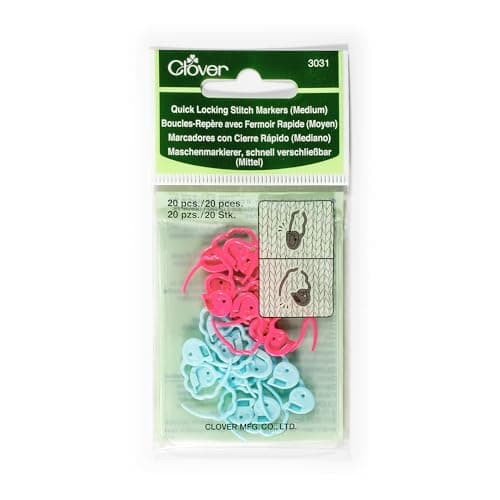
  4. Stitch markers - not optional in crochet worked in a continuous spiral.
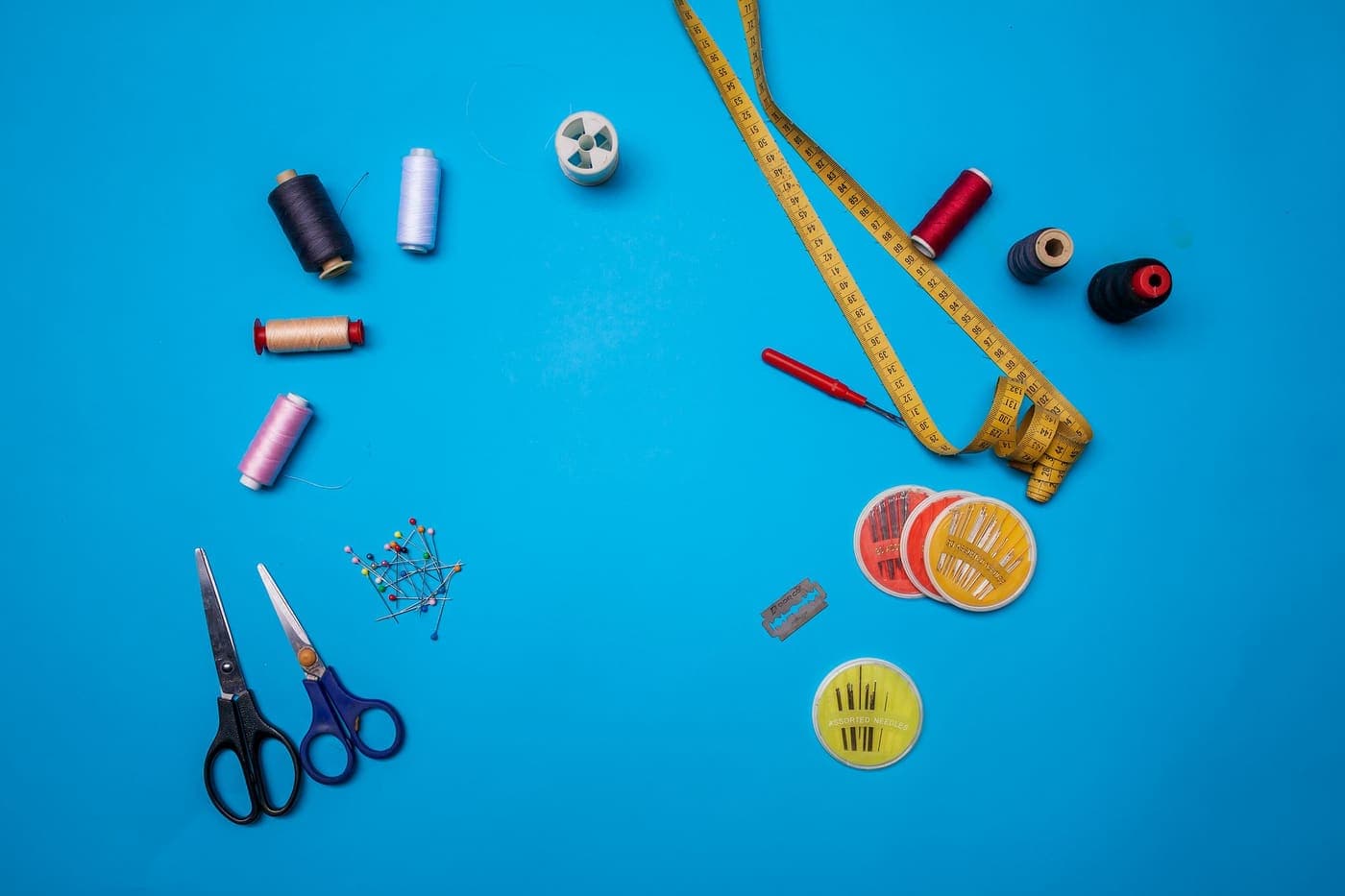
  5. Small scissors.
  6. A tape measure - you cannot check gauge without one.

That is the whole list. What belongs in a starter kit goes through each one and what to add in month two.

The one feature worth paying for

Pre-started. The overwhelming majority of first crochet attempts fail at the magic ring - the adjustable loop that starts almost every amigurumi piece. It needs two hands doing unfamiliar things at once and it is genuinely fiddly.

A kit that ships with the first rounds already worked removes that step entirely. You learn the repeating stitch first and come back to the magic ring once you know what it is supposed to produce. If you have failed at crochet before, this is the feature to buy for, and nothing else in a kit matters as much.

How kits pad the list

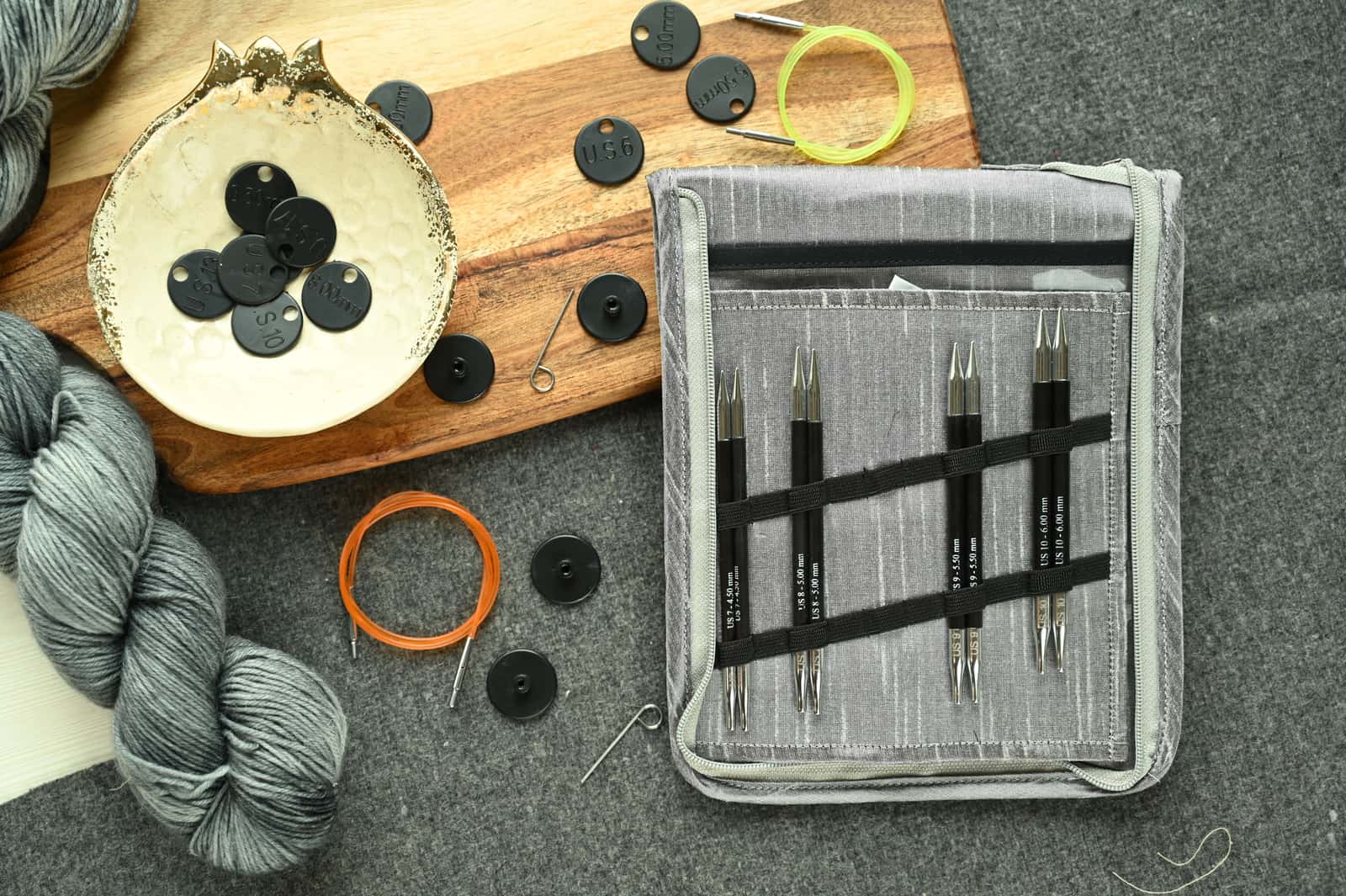
  • A twenty-piece hook or needle set inside a beginner kit. You will use one size. It inflates the price and the box.
  • Twenty colors of yarn in tiny quantities. Not enough of any one to make anything.
  • Exact yardage with no margin. One mistake and you are short.
  • A printed pattern described as instruction. A pattern is not instruction if you cannot yet read a pattern.
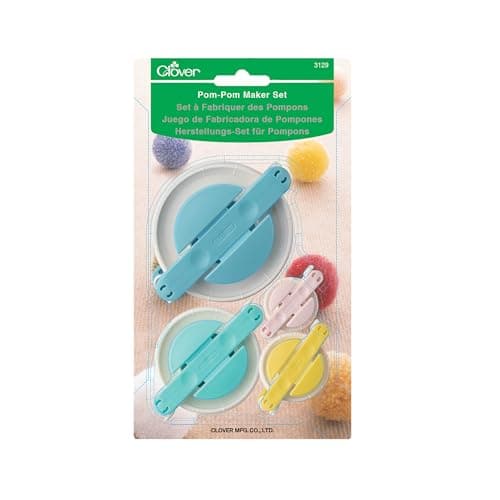
  • Pom pom makers, gauges and cable needles. All useful eventually, none of them in week one.

When a kit is the right call

Three situations, and none of them are about materials:

  • As a gift. A box with everything in it is a better present than a shopping list.
  • If you have tried and stopped. Then you are buying instruction, and instruction is worth paying for.
  • If choosing is the obstacle. Some people never start because the yarn wall is overwhelming. A kit removes the decision entirely.

Otherwise, buy one tool and one skein. Best crochet hooks for beginners and best knitting needles for beginners cover the tool, and best yarn for beginners covers the yarn.

Do not buy for both crafts

The tools do not transfer, and starting both at once means learning neither. Knitting vs crochet sets out the honest differences so you can pick one - and the short version is that crochet is easier to start, because only one stitch is live at a time and nothing unravels when you put it down.

Before you buy anything

Everyone in this category says they tested twenty of these. We have not tested any, and we say so. What we publish instead is the manufacturers' own specifications, the arithmetic, and live prices with the date attached.

How we pick