Guide
What Belongs in a Starter Kit
Six things. Most kits pad the list to twenty and skip one of the six.
By Sawyer V. · Published September 4, 2026
Disclosure: we earn a commission when you buy through the links on this page, at no extra cost to you. It never decides what we recommend or how we rank it - read the full disclosure.
The short answer
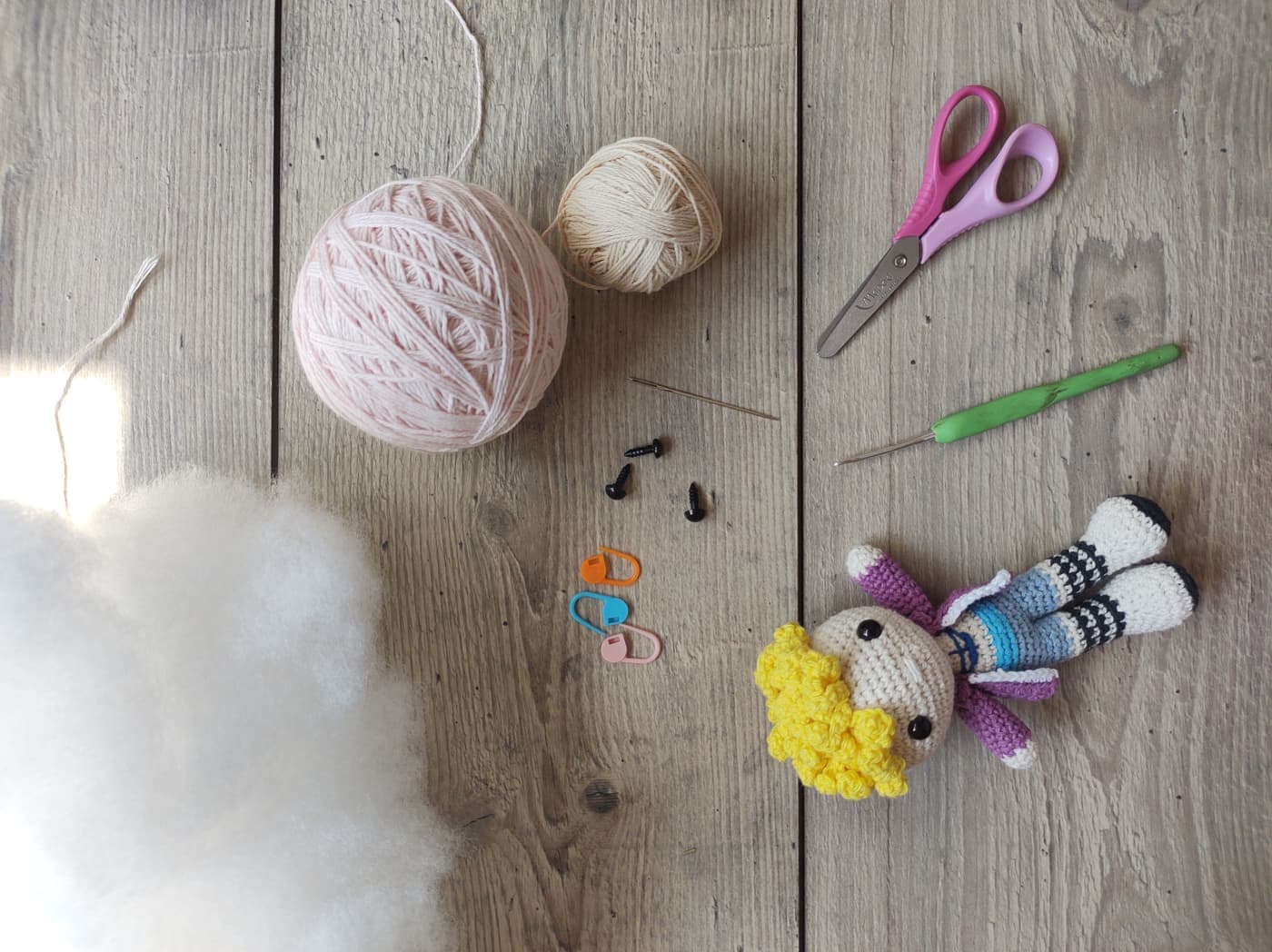
A starter kit needs six things: a tool sized to the yarn, smooth pale worsted yarn, a tapestry needle, stitch markers, small scissors and a tape measure. That is it. Everything else in a typical kit is either padding, or something you will want in month two rather than week one.
Kits are sold on how much is in the box, which produces boxes with twenty items and a missing tapestry needle. Here is the list from the other direction - what you cannot start without, in order.
The six essentials
1. One tool, sized to the yarn
For knitting: one 5mm circular needle, 24in or 32in, with bamboo tips. Bamboo grips so stitches do not slide off uneven tension, and a circular knits flat as well as in the round.
For crochet: one 5mm hook (US H-8). That is the size most worsted yarn labels suggest.
One tool, not a set. A set commits you to one head shape or tip material before you know which suits your hands, and you will use one size for your first month. Best knitting needles for beginners and best crochet hooks for beginners both make this case in detail.
2. Smooth, pale, worsted yarn
Smooth so you can see individual stitches, pale for the same reason, and worsted because that is the weight almost every beginner pattern and tutorial uses - category 4 in the standard, 16 to 20 knit stitches over 4 inches.
Buy two skeins rather than one, so that a mistake does not end the project. Best yarn for beginners covers the specific choices.
3. A tapestry needle
A blunt large-eyed needle for weaving in ends. It costs almost nothing, it is required to finish anything, and it is the item kits omit most often. Without it your first finished object has two loose tails hanging off it.
4. Stitch markers
Small rings or clips that mark a place in the work. Not optional in crochet worked in a continuous spiral - amigurumi is genuinely impossible to keep track of without them - and very useful in knitting for marking a round start.
5. Small scissors
Anything sharp and small. Craft scissors are fine; a folding pair lives in a project bag more easily.
6. A tape measure
You cannot check gauge without one, and gauge is what decides whether a garment fits. A flexible fabric tape, not a rigid ruler.
What to add in month two
- A second and third tool size, once you know what you like - probably 4mm and 6mm.
- A row counter, or a note on your phone. Essential for anything with a repeat.
- A stitch holder or spare cable, for setting stitches aside.
- A project bag, so the work stops living on the sofa - see best knitting bags.
- Blocking mats and T-pins, once you make something whose shape matters - best blocking mats.
What kits pad the list with
| Item | Verdict |
|---|---|
| A 20-piece hook or needle set | No. You will use one size. It inflates the price and the box. |
| Twenty colors of yarn in tiny quantities | No. Not enough of any one to make anything. |
| Pom pom makers | Later, if ever. |
| A gauge / needle sizer | Useful and cheap - but not week one. |
| Cable needles | Only once you knit cables. |
| Rows of plastic stitch markers | Three or four is plenty. |
| A printed pattern book | Only if you can already read a pattern. |
| A tapestry needle | Yes - and this is the one they leave out. |
The whole starter kit, priced honestly
One tool, two skeins of yarn, a tapestry needle, a few markers, small scissors and a tape measure. Bought separately that is a modest amount of money - considerably less than most branded starter kits, and every item is one you will still be using in a year.
What a kit adds on top is instruction and decision-removal. Both are genuinely worth paying for if you need them, and that is the honest case for buying one: best crochet kits for beginners and best knitting kits for adults assess them on that basis.
If you have not chosen a craft yet
Do not buy for both. The tools do not transfer, and starting both at once means learning neither. Knitting vs crochet sets out the honest differences - speed, yarn consumption, what each is good at - and the cheapest way to decide is to buy one hook and one skein, try crochet for an evening, and see whether it suits you before spending anything else.
The starter list, item by item
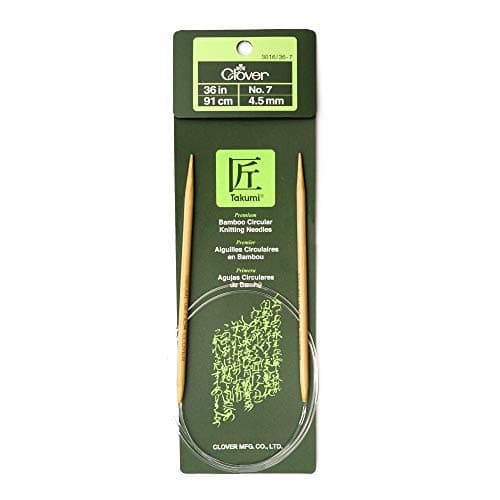
Clover Takumi Bamboo Circular Needles
Knitting: one bamboo circular. Flat or in the round, and it does not become obsolete.
$9.86 - View on Amazon#ad disclosure - price as of October 20, 2026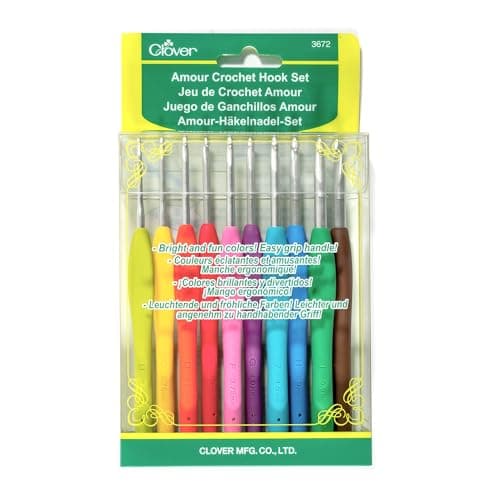
Clover Amour Crochet Hook Set
Crochet: a hook set, once you know you are staying.
$50.83 - View on Amazon#ad disclosure - price as of October 20, 2026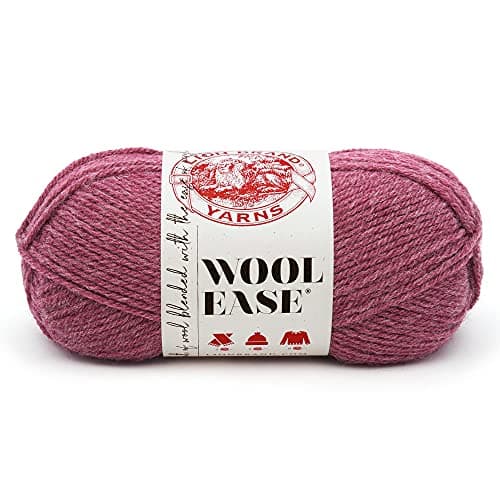
Lion Brand Wool-Ease
Yarn: worsted weight, light colored, machine washable.
$11.77 - View on Amazon#ad disclosure - price as of October 20, 2026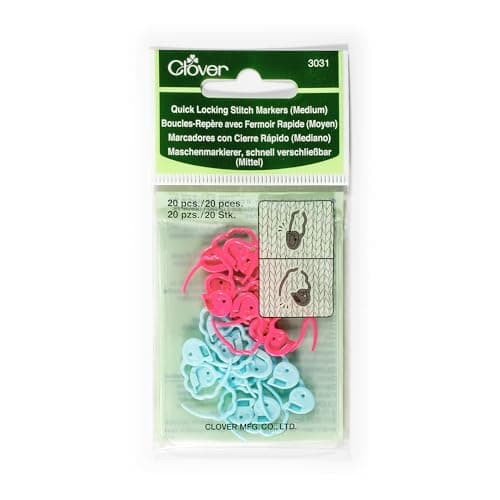
Clover Quick Locking Stitch Markers, Medium
Markers: 20 locking markers in the medium size.
$8.00 - View on Amazon#ad disclosure - price as of October 20, 2026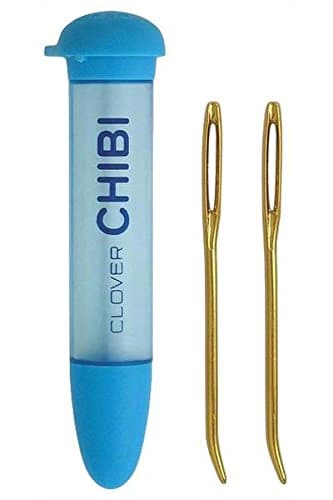
Clover Chibi Darning Needle Set (Bent Tip)
Finishing: three blunt bent-tip needles in a tube.
$9.14 - View on Amazon#ad disclosure - price as of October 20, 2026
Questions people actually ask
What do I need to start knitting?
One 5mm circular needle with bamboo tips, two skeins of smooth pale worsted yarn, a tapestry needle, a few stitch markers, small scissors and a tape measure. That is the whole list.
What is a basic crochet kit for beginners?
One 5mm hook, two skeins of smooth pale worsted yarn, a tapestry needle, stitch markers, scissors and a tape measure. Anything beyond that is for later.
Do I need a whole set of hooks or needles to start?
No. You will use one size for your first month, and a set commits you to one head shape or tip material before you know which suits your hands.
What do kits usually leave out?
A tapestry needle, most often - which you need to weave in ends and finish anything. Also enough yarn to allow for a mistake.
Should I buy a kit or the parts separately?
Parts, if you are happy learning from free video tutorials. A kit if you have tried and stalled, or if it is a gift - then you are buying instruction and decision-removal rather than materials.