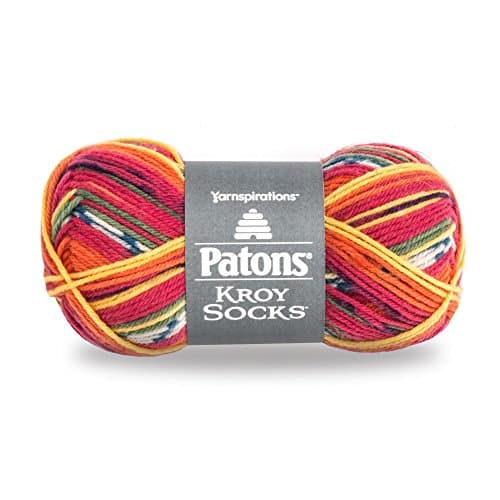
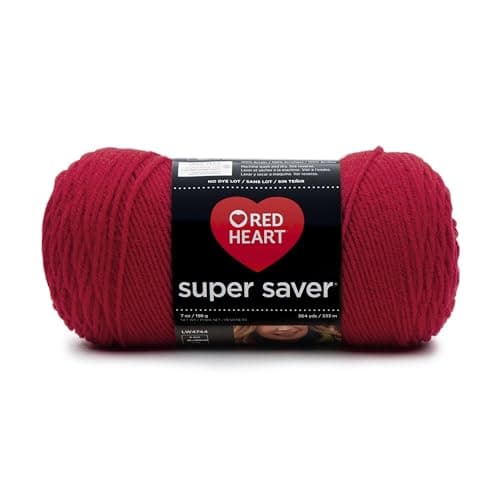
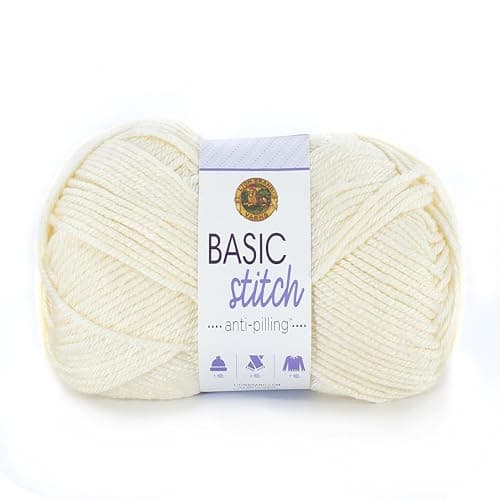
The three questions that decide any yarn
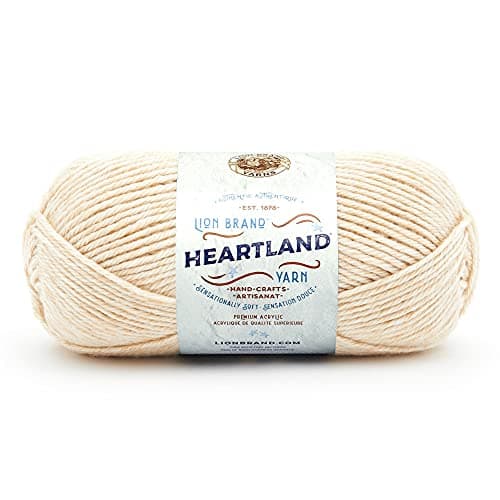
- Does it need memory? Anything fitted, ribbed or cabled needs the fabric to spring back, and only wool does that properly. A blanket, a scarf or a shawl does not, which is why soft acrylic is genuinely right for them.
- How will it be washed? Be honest about the person who will own it. A hand-wash-only baby blanket is a felted baby blanket, and a gift with a care label is a gift the recipient will get wrong.
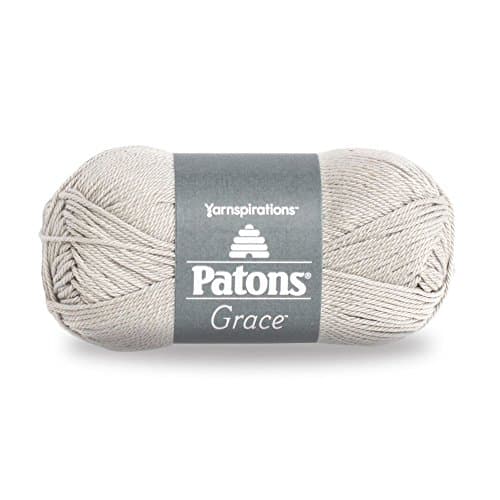
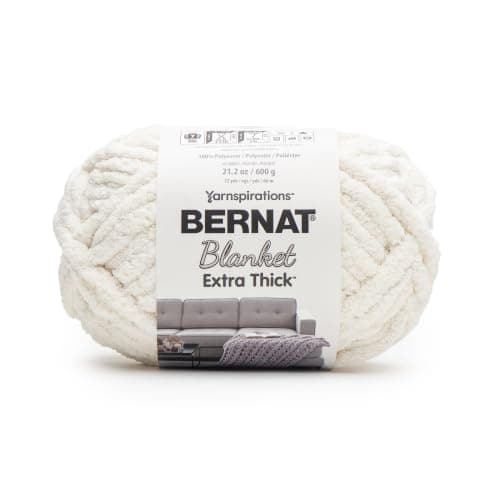
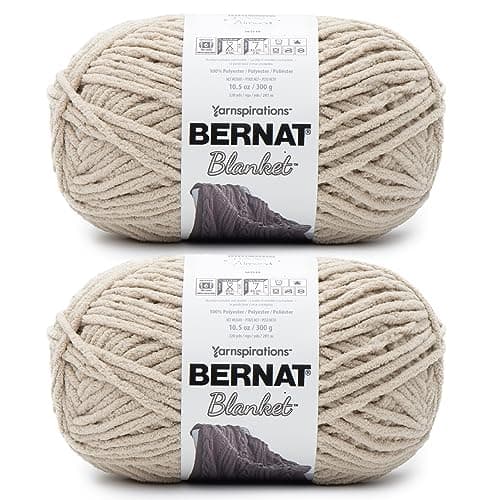
- How much do you need? Yardage per skein varies enormously - 364 yards in a 7oz economy acrylic against 108 in a 150g chenille. Buy on yards, never on skeins, and run the arithmetic in how much yarn do I need before deciding anything is cheap.
Weight, briefly
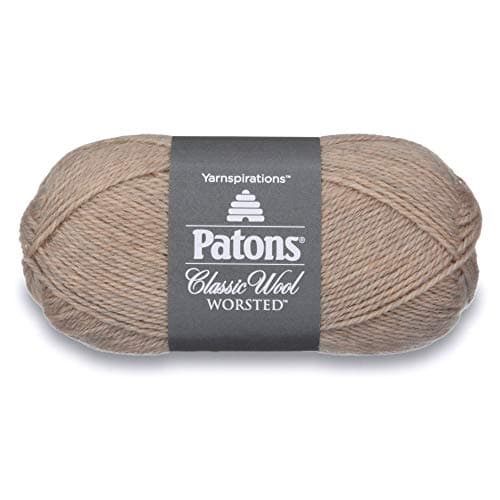
Yarn weight is thickness, not mass, and it runs 0 (lace) to 7 (jumbo) in the published standard. Worsted - category 4 - is what most patterns assume and what most tutorials demonstrate in: 16 to 20 knit stitches over 4 inches on a 4.5 to 5.5mm needle.
Category 4 is a band rather than a point, which is why two worsted yarns can knit differently. Always swatch when you swap, even within a category. The yarn weight chart has the full table, and how to substitute yarn has the five checks a safe substitution needs.
What the fiber actually changes
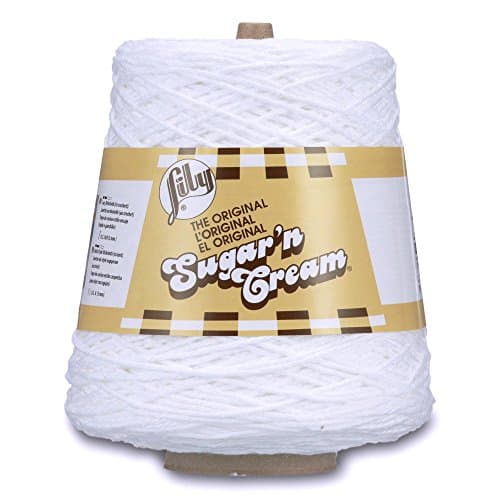
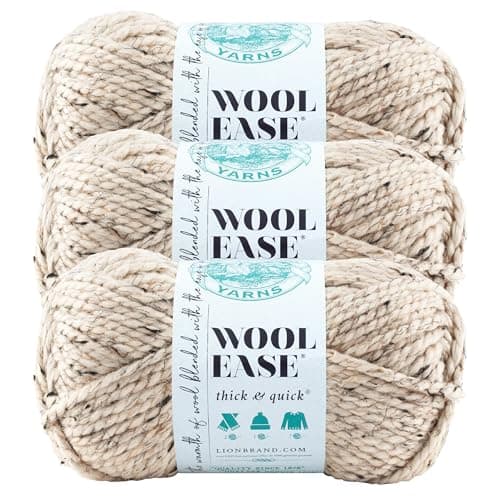
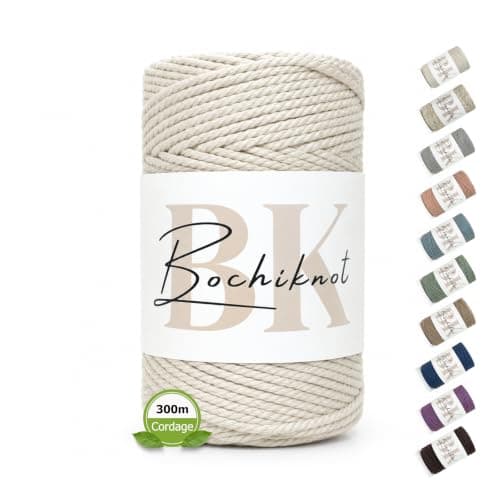
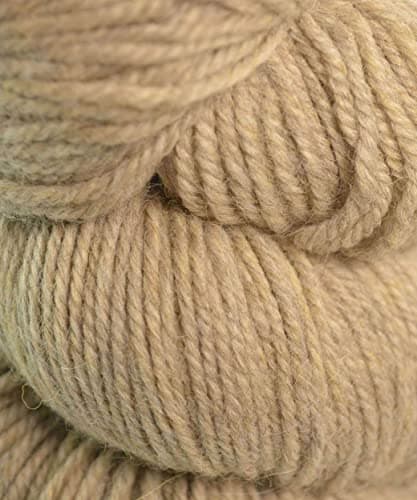
Wool springs back, blocks into shape and stays warm when damp. Acrylic does none of those and is cheap, machine washable and machine dryable. Cotton has no memory at all and drapes heavily, which is why it makes good bags and poor socks. Alpaca is warmer per gram than wool and grows under its own weight. Chenille is fast and soft and shows no stitch definition whatsoever.
Those five sentences decide most projects. The fiber guide works each one through properly, and the fiber comparison table puts them all on the same axes.
One thing we cannot fix
A significant share of the yarn that dominates recommendations in this category is retailer-exclusive - sold only through the store that owns the brand, and unavailable on the general market. We only recommend what can actually be bought, which makes some of these lists shorter than the category really is.
That is a real limitation and we would rather name it than pad a page with options you cannot get. If a retailer-exclusive yarn is available to you and the price is right, it may well be a good buy - we simply cannot price it or link it.
If you are leveling up from acrylic
Start with upgrading from acrylic. It sets out where the upgrade genuinely changes the finished object, where acrylic stays the correct answer permanently, and the order to buy in so that you do not spend a sweater's worth of money on a fiber you have never held.