The picks
Best Yarn for Colorwork
Stranded colorwork is the one technique where the fiber does half the work for you.
By Sawyer V. · Published September 6, 2026
Disclosure: we earn a commission when you buy through the links on this page, at no extra cost to you. It never decides what we recommend or how we rank it - read the full disclosure.
The short answer
Use untreated wool. Stranded colorwork depends on adjacent stitches gripping one another and on wet blocking to even out the small tension differences between two colors - wool does both, and nothing else does either well. Superwash wool is the washable compromise; acrylic works but demands better tension from you.
| # | Product | Best for | Fiber | Weight | Price |
|---|---|---|---|---|---|
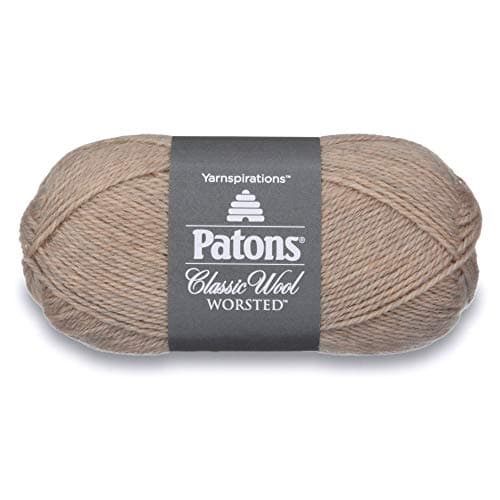
| 1 | Patons Classic Wool WorstedUntreated wool: sticky enough that uneven stitches pull each other level in the wash. | Fair Isle, Nordic yokes, anything stranded | 100% wool | Worsted (4) | $11.89 - View on Amazon#ad disclosure - price as of October 22, 2026 |
| 2 | 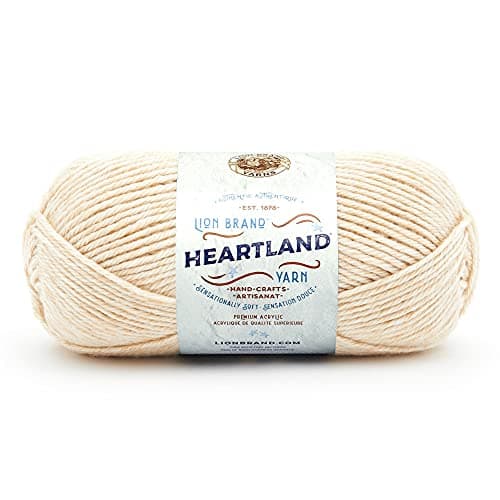 Lion Brand HeartlandA heathered acrylic that reads like wool, with none of wool's forgiveness. Lion Brand HeartlandA heathered acrylic that reads like wool, with none of wool's forgiveness. | Colorwork that has to be machine washable | 100% acrylic | Worsted (4) | Check price on Amazon#ad disclosure |
| 3 | 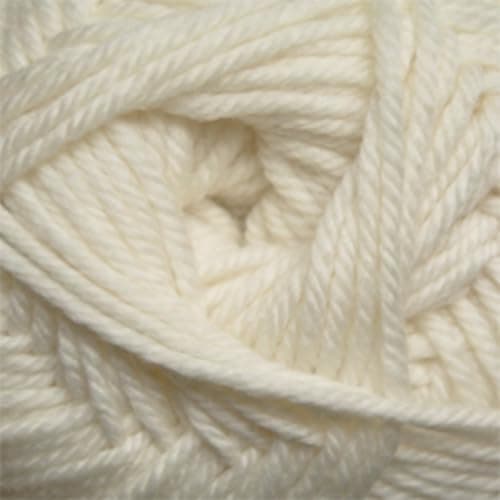 Cascade 220 Superwash MerinoMerino softness and a machine wash, at a small cost in stickiness. Cascade 220 Superwash MerinoMerino softness and a machine wash, at a small cost in stickiness. | A colorwork garment worn against skin | Superwash merino | DK / light worsted | $19.00 - View on Amazon |
| 4 | 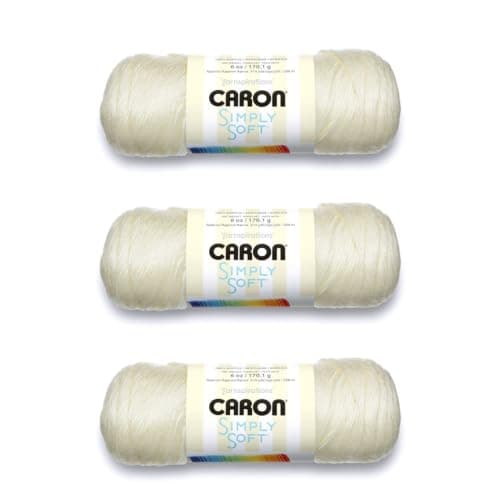 Caron Simply SoftSlick, drapey and shiny - three properties that each make floats show. Caron Simply SoftSlick, drapey and shiny - three properties that each make floats show. | Blankets and wraps, where drape is the point | 100% acrylic | Worsted (4) | $14.55 - View on Amazon |
Patons Classic Wool Worsted
Patons · Best for fair isle, nordic yokes, anything stranded
100% non-superwash wool at supermarket money. It blooms when blocked, holds a cable, and it will felt if you put it in the machine.
- Fiber
- 100% wool (not superwash)
- Weight
- 4 Medium / worsted
- Ball
- 3.5oz / 100g, 194yd / 177m
- Gauge
- 20 sts x 26 rows on 4.5mm (US 7)
- Hook
- 5mm (US H/8), 14 sc x 17 rows
- Care
- Hand wash, lay flat to dry, do not machine wash
Who it suits
Anyone knitting stranded colorwork for the first time, which is when the fiber helps most.
Why it is here
100% untreated wool, worsted weight, 194yd per 100g. Wool's cuticle scales make adjacent stitches grip each other, so small tension differences between the two colors even themselves out when the piece is blocked. It is the reason traditional colorwork is a wool tradition.
What you give up
Hand wash only, and it will felt in a machine - which for a colorwork yoke sweater is a lot of work to lose. It is also the least soft option here.
Specifications from Yarnspirations product page. We have not handled this item - see how we pick.
Lion Brand Heartland
Lion Brand · Best for colorwork that has to be machine washable
A soft all-acrylic worsted in a 5oz skein - a lot of yardage per skein, which matters when a blanket needs eight of them.
- Fiber
- 100% acrylic (solids); 94% acrylic, 6% rayon (tweeds)
- Weight
- 4 Medium / worsted
- Skein
- 5oz / 142g, 251yd / 230m (solids)
- Gauge
- 16 sts x 22 rows on US 9 (5.5mm)
- Hook
- J-10 (6mm), 12 sc x 15 rows
- Care
- Machine wash gentle, tumble dry low, no bleach
Who it suits
Anyone knitting colorwork for a child, or for someone who will not hand wash it.
Why it is here
100% acrylic in solids, worsted weight, 251yd per 142g, machine wash gentle and tumble dry low. It is spun to imitate a heathered wool, so the colorwork reads correctly - and unlike wool it survives a washing machine.
What you give up
Acrylic does not block. Uneven tension between your two colors stays uneven forever, because there is no wet block to relax it. Colorwork in acrylic demands better tension from you.
Specifications from Lion Brand product page. We have not handled this item - see how we pick.
Cascade 220 Superwash Merino
Cascade Yarns · Best for a colorwork garment worn against skin
Machine-washable merino at 220 yards to the 100g skein - the standard answer when a sweater pattern says worsted and you want to be able to wash it.
- Fiber
- 100% superwash merino wool
- Skein
- 3.5oz / 100g, 220yd / 200m
- Gauge
- 20 sts x 28 rows in stockinette on US 7
- Weight class
- DK to light worsted
- Care
- Superwash treated - machine washable
Who it suits
Anyone knitting a colorwork hat or yoke that will touch a neck.
Why it is here
100% superwash merino, DK to light worsted, 220yd per 100g, 20 sts x 28 rows on US 7. It blocks well - better than acrylic by a wide margin - and it is soft enough for next-to-skin colorwork, which untreated wool often is not.
What you give up
The superwash treatment smooths the scales, which is exactly the property that makes untreated wool forgiving in colorwork. Stitches grip each other less, so tension differences show more.
Specifications from Cascade Yarns product page. We have not handled this item - see how we pick.
Caron Simply Soft
Caron · Best for blankets and wraps, where drape is the point
A softer, shinier acrylic worsted with noticeable drape - which is exactly why it is a poor choice for anything that needs to hold a shape.
- Fiber
- 100% acrylic
- Weight
- 4 Medium / worsted
- Skein
- 6oz / 170g, 315yd / 288m
- Gauge
- 18 sts x 24 rows on 5mm (US 8)
- Hook
- 5mm (US H/8), 13 sc x 14 rows
- Care
- Machine wash cool, dry flat, no bleach
Who it suits
Not colorwork knitters. It is a good yarn for a soft blanket.
Why it is here
100% acrylic, worsted weight, 315yd per 170g, with a light twist and a slight sheen.
What you give up
The sheen highlights every tension difference, the slick surface stops stitches gripping each other, and the drape lets the fabric distort around tight floats. Colorwork in it looks puckered no matter how carefully you knit.
Specifications from Yarnspirations product page. We have not handled this item - see how we pick.
What stranded colorwork actually asks of a yarn
In stranded knitting you carry two colors across every row, working one and floating the other behind the fabric. Two things then decide whether the result looks like the pattern photograph.
1. Floats have to sit at the right tension
A float pulled tight puckers the fabric. A float left loose snags on fingers. There is a correct tension and hitting it consistently is the entire skill of colorwork.
Wool helps here in a way no other fiber does. Because the fibers grip each other, a slightly tight float is held by its neighbors rather than gathering the fabric, and a slightly loose one is held rather than sagging.
2. Blocking has to be able to fix the rest
Even experienced colorwork knitters produce uneven stitches - your tension in the dominant color is never identical to the other. On wool, wet blocking relaxes the fibers and the stitches settle level with each other, which is why a blocked colorwork yoke looks so much better than the same piece off the needles.
Our how to block your knitting page covers the method, and does wool yarn shrink covers the risk that comes with it.
Why superwash is a compromise rather than an upgrade
Superwash processing removes or coats the cuticle scales so the wool cannot felt. Those scales are precisely the thing that makes untreated wool grip itself in colorwork.
So superwash colorwork is entirely possible and it is less forgiving. It still blocks well, which is most of the benefit, but the stitch-to-stitch grip is reduced. Our superwash vs non-superwash page has the full trade.
Choosing the colors
This is where colorwork projects most often go wrong, and it has nothing to do with fiber.
- Contrast in value, not just in hue. Two colors of similar lightness will read as mud from across a room however different they look up close. Photograph your two balls in black and white - if you cannot tell them apart, neither will anyone else.
- Buy from one yarn line. Two brands at the same nominal weight can differ in thickness, and in colorwork that shows as one color sitting proud of the other.
- Solid or gently heathered, not variegated. A variegated yarn fights the pattern. Heathered is fine and often looks better than a flat solid.
- Test with a swatch in the round. Colorwork tension differs between flat and circular knitting more than plain knitting does.
Weight, and why colorwork runs finer
Stranded fabric is double thickness - two strands everywhere - so it is roughly twice as warm and twice as heavy as plain fabric at the same gauge.
That is why traditional colorwork uses fingering and sport weights that would be thin for a plain sweater. A colorwork yoke in worsted is a genuinely warm garment; in bulky it is nearly unwearable indoors.
| Weight | Result | Suits |
|---|---|---|
| Fingering (CYC 1) | Fine detail, light fabric, traditional | Fair Isle, intricate charts, garments |
| Sport / DK (CYC 2-3) | Good detail, warm, faster | Yokes, hats, mittens |
| Worsted (CYC 4) | Bold, chunky detail, very warm | Hats, mittens, cushions |
| Bulky and up (CYC 5+) | Coarse; floats become long and loose | Cushions and bags only |
Float length, which the pattern should tell you
A float longer than about five stitches will catch fingers and toes. Good charts avoid it; if yours does not, you catch the float by twisting the two yarns around each other mid-run.
This matters most in mittens, where fingers go straight into the floats, and least on a cushion cover. Wool's stickiness helps here too - a wool float that has been blocked sits flatter than a slick acrylic one.
Yardage: buy more than you think
Colorwork uses roughly the same total yardage as plain knitting for the same garment, but split unevenly between colors - and the split is hard to predict from a chart.
Buy generously in the background color, which is usually 60 to 70 percent of the total, and remember that a mid-project dye lot change shows far more in colorwork than in plain fabric. The yardage page has the base arithmetic.
What we would buy
- First colorwork project: Patons Classic Wool in two high-contrast shades.
- Machine washable, next to skin: Cascade 220 Superwash Merino.
- No animal fiber, or a child's garment: Lion Brand Heartland, and expect to work harder on tension.
- For the blocking that finishes it: blocking mats. On colorwork this does more than any other single thing.
Questions people actually ask
What yarn is best for stranded colorwork?
Untreated wool. Its cuticle scales make adjacent stitches grip each other, so small tension differences even out, and wet blocking permanently settles the stitches level - which no other common fiber does.
Can you do colorwork with acrylic yarn?
Yes, and it is less forgiving. Acrylic will not wet block, so any unevenness between your two colors stays exactly as you knitted it. Choose a matte, heathered acrylic rather than a shiny one.
Is superwash wool good for colorwork?
It is a reasonable compromise. It blocks well, which is most of the benefit, but the treatment smooths the scales that make untreated wool grip itself - so tension differences show a little more.
How do I choose colors for colorwork?
Contrast in value rather than hue. Photograph the two balls in black and white; if you cannot tell them apart in the photo, the pattern will read as mud from across a room.
What weight yarn for colorwork?
Fingering to DK for garments. Stranded fabric is double thickness, so it is about twice as warm and heavy as plain fabric at the same gauge - which is why traditional colorwork uses weights that would be thin for a plain sweater.