Guide
Does Wool Yarn Shrink?
Wool does not shrink so much as lock. Knowing the difference is what saves the sweater.
By Sawyer V. · Published September 4, 2026
Disclosure: we earn a commission when you buy through the links on this page, at no extra cost to you. It never decides what we recommend or how we rank it - read the full disclosure.
The short answer
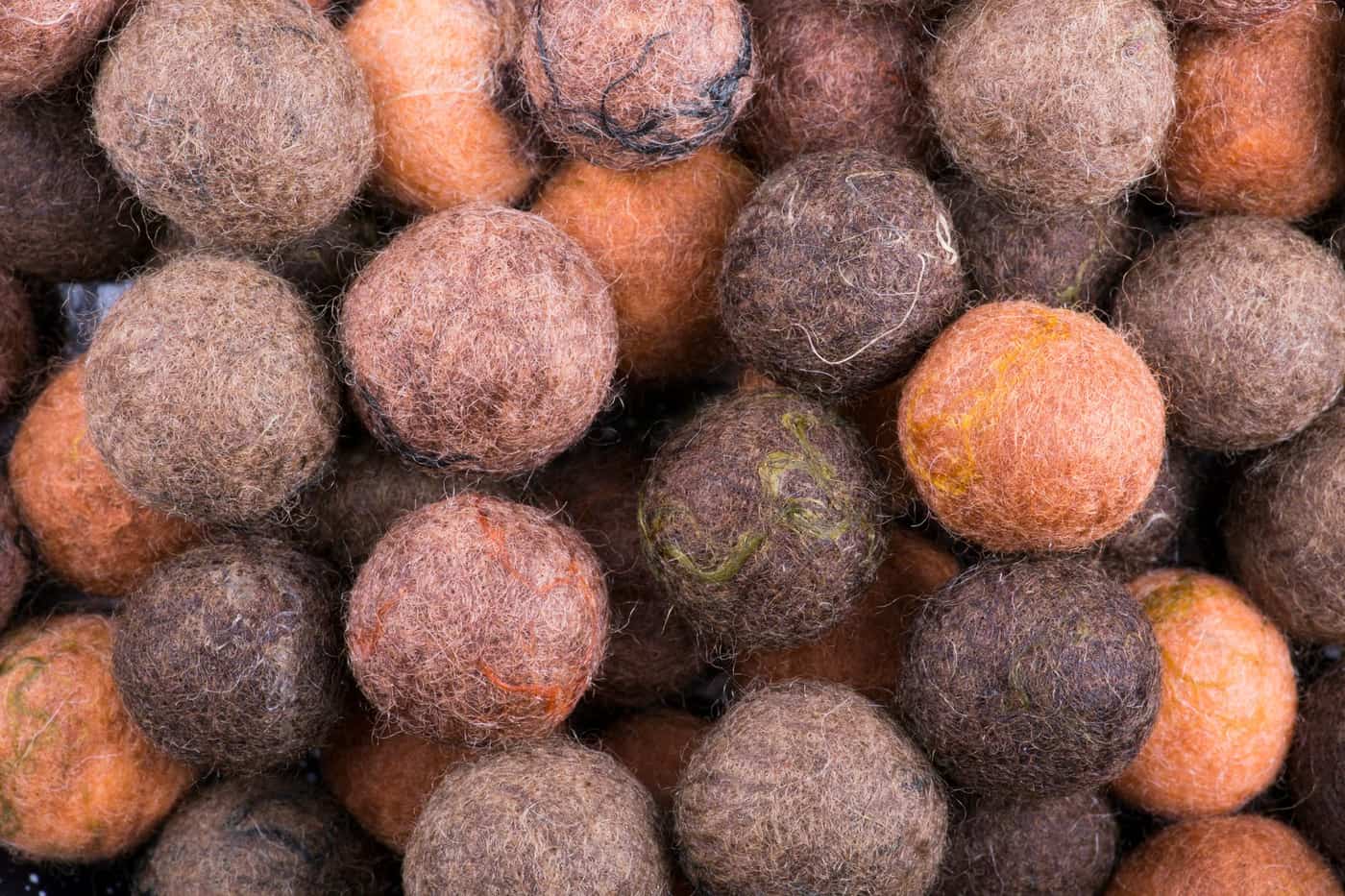
Untreated wool does not shrink in the ordinary sense - it felts, which means the fiber scales lock together permanently and the fabric densifies. It needs three things at once: moisture, heat change and agitation. Superwash wool has been treated so this cannot happen, and acrylic and cotton do not felt at all.
Felting is not shrinking
When cotton shrinks, the yarn relaxes from the tension it was spun and woven under, and the fabric gets a little smaller once. It is a one-time settling and it stops.
Wool does something different. Each wool fiber is covered in overlapping cuticle scales - The Woolmark Company describes them as sitting like roof shingles. Under heat, moisture and agitation the scales lift and lock onto neighboring fibers in a ratchet-like mechanism. The fibers migrate, tangle and cannot slide back.
The important consequence: it is irreversible. A felted sweater cannot be unfelted, because the tangling is mechanical rather than a matter of tension.
The three conditions, and why all three matter
| Condition | What it does | How to avoid it |
|---|---|---|
| Moisture | Swells the fiber and lifts the scales | Unavoidable if you are washing - control the other two |
| Heat, and change of heat | Opens the scales further; sudden change accelerates it | Wash and rinse at the same cool temperature |
| Agitation | Provides the mechanical action that locks scales together | Do not wring, do not scrub, use a mesh bag, avoid the machine |
| Alkaline detergent | Softens the fiber surface and makes scales more mobile | Use a wool wash or a mild pH-neutral soap |
Agitation is the one people underestimate. You can wash untreated wool in warm water safely if you do not move it. What ruins a sweater is a wash cycle, or wringing it out, or scrubbing at a stain.
Which wools felt and which do not
- Untreated wool: felts readily. This includes most rustic and worsted-spun wools, and all of the ones sold for feltmaking.
- Superwash wool: does not felt. Machine-washable processing removes or smooths the scales, or coats them in a polymer, so they cannot engage.
- Merino, untreated: felts very readily. A finer fiber means more scales per unit of fabric.
- Alpaca: felts, though less aggressively than sheep wool - it has a smoother cuticle.
- Wool blends: felt in proportion to the wool content. An 80/20 acrylic-wool blend can full slightly at high heat; a 50/50 will do so noticeably.
- Acrylic and cotton: do not felt at all. Different failure modes entirely.
The full comparison of treated and untreated is in superwash vs non-superwash, and the blend arithmetic is in wool-acrylic blends.
Superwash has the opposite problem
It is worth being clear that superwash is not simply better. The treatment that stops felting also removes some of the fiber's elasticity, and superwash wool grows when it is wet - a heavy wet superwash garment stretches under its own weight.
So untreated wool shrinks when mistreated and superwash wool grows when mishandled. Neither is a free lunch. Blocking superwash wool covers the growth side in detail.
What you can actually recover
Honestly: not much, and we would rather say so than sell you a trick.
- Lightly fulled, not truly felted. If the fabric is denser but the stitches are still visible, soaking in cool water with hair conditioner and gently stretching to shape while wet can recover some size. Some, not all.
- Properly felted. If you can no longer see individual stitches, it is gone. The fabric is now a dense non-woven material.
- Repurpose it. Felted wool does not fray, so a felted sweater cuts cleanly into mittens, slippers, pot holders or bag panels. This is the honest salvage route.
How to wash wool so it does not happen
- Cool water, same temperature throughout. Fill the basin, then add the garment.
- A wool wash or mild pH-neutral soap. Ordinary alkaline detergent makes the scales more mobile.
- Soak, do not agitate. Fifteen to twenty minutes. Do not swirl, rub or scrub.
- Support the weight when lifting. A wet wool garment lifted by the shoulders stretches.
- Press, never wring. Roll in a towel and press the water out.
- Dry flat, reshaped to measurements. On a rack or a towel, out of direct sun.
Felting on purpose
The same mechanism is a technique when you want it. Knit or crochet untreated wool deliberately oversized, then wash it hot with agitation until it reaches the size you want. The fabric densifies, becomes wind-resistant and can be cut without fraying.
It only works with untreated wool, it is irreversible, and it is hard to control - check every few minutes and expect to lose 20 to 30 percent of the dimensions. Felted slippers, bags and mittens are the usual applications.
What to buy, depending on your answer
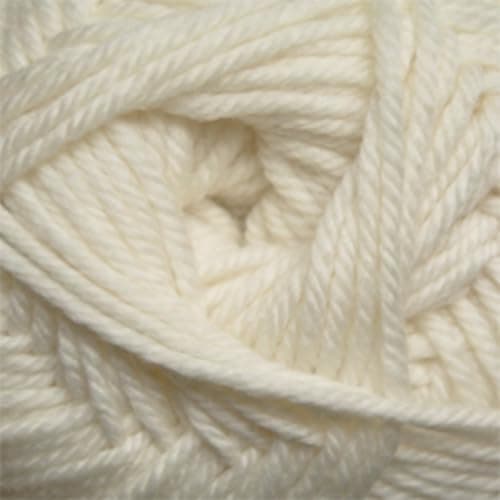
Cascade 220 Superwash Merino
Superwash merino: treated so the scales cannot interlock, so it washes without felting.
$19.00 - View on Amazon$21.0010% off · #ad disclosure - price as of October 20, 2026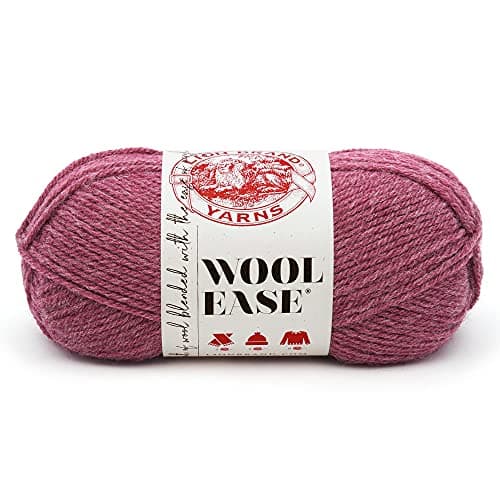
Lion Brand Wool-Ease
80% acrylic with 20% wool - enough wool to matter, dominated by the acrylic in the wash.
$11.77 - View on Amazon#ad disclosure - price as of October 20, 2026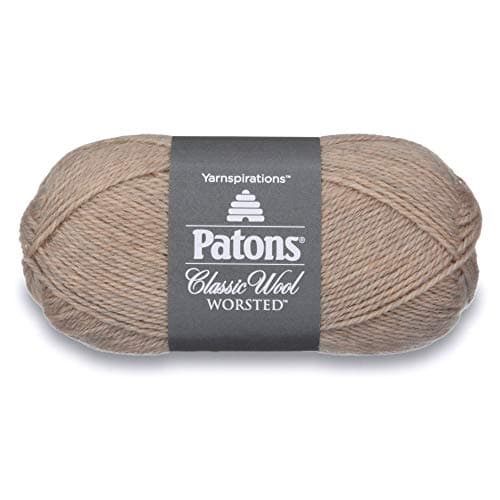
Patons Classic Wool Worsted
Untreated wool. Hand wash only, and the only option here if you want to felt something on purpose.
$11.79 - View on Amazon#ad disclosure - price as of October 20, 2026
Questions people actually ask
Does wool yarn shrink when you wash it?
Untreated wool felts rather than shrinks - the fiber scales lock together permanently under heat, moisture and agitation, and the fabric densifies. Superwash wool has been treated so this cannot happen.
Can you unshrink a felted wool sweater?
Not really. Lightly fulled fabric can sometimes be recovered a little by soaking in cool water with conditioner and stretching while wet. Once individual stitches are no longer visible, the tangling is mechanical and permanent.
What causes wool to felt?
Moisture, a change in temperature, and agitation, together. Alkaline detergent makes it worse. Agitation is the one most people underestimate - wringing or scrubbing does more damage than warm water alone.
Does superwash wool shrink?
No, it has the opposite problem. Superwash treatment removes the felting mechanism and some of the elasticity with it, so superwash garments tend to grow when wet rather than shrink.
How do you wash wool without shrinking it?
Cool water at a constant temperature, a pH-neutral wool wash, a fifteen-minute soak with no agitation, water pressed out in a towel rather than wrung, and dried flat and reshaped.