The picks
Best Yarn for Felting
Most of the yarn shelf is specifically engineered not to do this. That narrows the choice considerably.
By Sawyer V. · Published September 27, 2026
Disclosure: we earn a commission when you buy through the links on this page, at no extra cost to you. It never decides what we recommend or how we rank it - read the full disclosure.
The short answer
Use 100% untreated animal fiber - non-superwash wool above all. Felting works because wool fibers are covered in microscopic scales that ratchet together under heat, moisture and agitation and will not come apart again. Superwash treatment removes or coats those scales specifically so the yarn cannot felt, and acrylic has no scales to begin with. If the band says superwash or machine washable, it will not felt, whatever you do to it.
What to look for
This is the shortest criteria list on the site, because one property dominates everything else.
- Untreated animal fiber. Wool, alpaca, mohair - and crucially not superwash.
- Check the care label first. Hand wash only is a good sign here. Machine washable means the yarn has been treated not to do this.
- 100%, or close to it. A blend with more than about a quarter synthetic content will not felt reliably, because the synthetic fibers hold the fabric open.
- Sheep wool for structure, alpaca for softness. Sheep wool locks up hard and cuttable; alpaca fulls denser and softer without going rigid.
- Lighter colors felt more slowly. Dye processing affects the fiber surface, and pale shades often need longer than dark ones from the same line.
- Buy extra. Felting is one-way, imprecise, and sampling costs yarn.
| # | Product | Best for | Fiber | Yards/skein | Price |
|---|---|---|---|---|---|
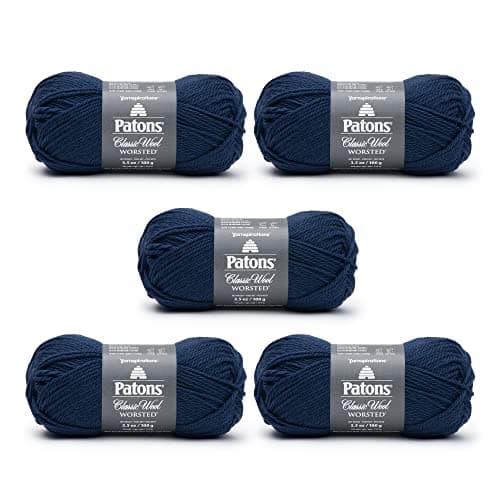
| 1 | Patons Classic Wool Worsted100% untreated wool at supermarket money, and its own band warns it will felt. | Bags, bowls, slippers and anything you want to shrink on purpose | 100% wool | 194yd / 100g | $43.54 - View on Amazon |
| 2 | 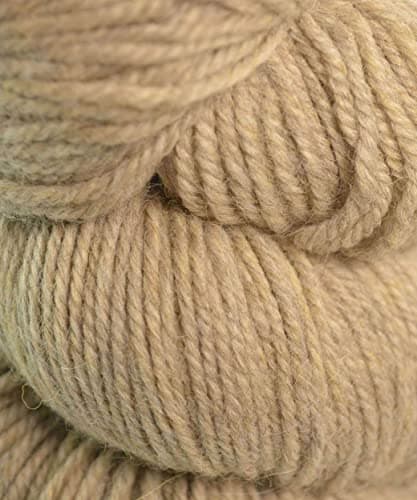 Berroco Ultra AlpacaHalf alpaca, half wool - the wool does the felting and the alpaca softens the result. Berroco Ultra AlpacaHalf alpaca, half wool - the wool does the felting and the alpaca softens the result. | Pieces that will be handled or worn | 50% alpaca, 50% wool | 219yd / 100g | $17.00 - View on Amazon#ad disclosure - price as of September 27, 2026 |
| 3 | 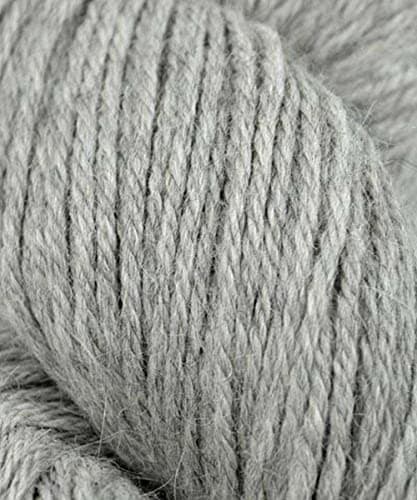 Cascade Pure AlpacaAlpaca fulls rather than felting hard, which is a different and sometimes better result. Cascade Pure AlpacaAlpaca fulls rather than felting hard, which is a different and sometimes better result. | Softer, denser fabric rather than a stiff shell | 100% baby alpaca | 220yd / 100g | $18.95 - View on Amazon#ad disclosure - price as of September 27, 2026 |
| 4 |  Cascade 220 Superwash MerinoSuperwash is the treatment specifically designed to prevent this. Cascade 220 Superwash MerinoSuperwash is the treatment specifically designed to prevent this. | Everything else, where being unfeltable is the point | 100% superwash merino | 220yd / 100g | $21.00 - View on Amazon#ad disclosure - price as of September 27, 2026 |
| 5 | 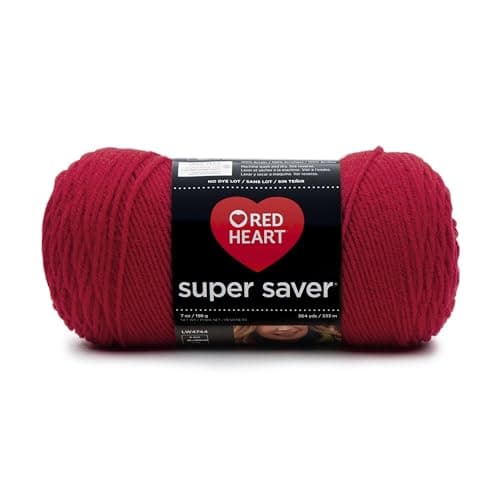 Red Heart Super SaverThere are no scales on a synthetic fiber to interlock. Red Heart Super SaverThere are no scales on a synthetic fiber to interlock. | Blankets and charity knitting | 100% acrylic | 364yd / 198g | $4.29 - View on Amazon#ad disclosure - price as of September 27, 2026 |
Patons Classic Wool Worsted
Patons · Best for bags, bowls, slippers and anything you want to shrink on purpose
100% non-superwash wool at supermarket money. It blooms when blocked, holds a cable, and it will felt if you put it in the machine.
- Fiber
- 100% wool (not superwash)
- Weight
- 4 Medium / worsted
- Ball
- 3.5oz / 100g, 194yd / 177m
- Gauge
- 20 sts x 26 rows on 4.5mm (US 7)
- Hook
- 5mm (US H/8), 14 sc x 17 rows
- Care
- Hand wash, lay flat to dry, do not machine wash
Who it suits
Anyone felting for the first time, and anyone felting in quantity.
Why it is here
100% wool, explicitly not superwash, worsted, 194yd per 100g ball, 20 sts x 26 rows on 4.5mm. Its care line says hand wash and do not machine wash - which on this page is not a warning but the specification. Untreated wool scales are intact, and intact scales are what interlock under heat and agitation.
What you give up
Felting is one-way and imprecise, so the finished size is an estimate until it is done. Light colors felt more slowly than dark ones, and the pale shades sometimes need a second cycle.
Specifications from Yarnspirations product page. We have not handled this item - see how we pick.
Berroco Ultra Alpaca
Berroco · Best for pieces that will be handled or worn
Half alpaca, half Peruvian wool - the blend that gives alpaca's warmth and halo the structure alpaca on its own does not have.
- Fiber
- 50% super fine alpaca, 50% Peruvian wool
- Weight
- Worsted
- Hank
- 3.5oz / 100g, 219yd / 200m
- Gauge
- 5 sts to 1in; 20 sts x 26 rows over 4in on US 8 (5mm)
- Care
- Hand wash in cool water, lay flat to dry
- Made in
- Peru
Who it suits
Anyone who has felted a bag in plain wool and found it harsh.
Why it is here
50% super fine alpaca and 50% Peruvian wool, worsted, 219yd per 100g hank, 20 sts x 26 rows on US 8 (5mm), hand wash in cool water. The Peruvian wool carries the felting and the alpaca content gives the finished fabric a softer surface and a slight halo.
What you give up
A blend felts less predictably than pure wool - it takes longer and shrinks less for the same cycle, so sample first. It is also several times the price of the plain wool above.
Specifications from Berroco - Ultra Alpaca. We have not handled this item - see how we pick.
Cascade Pure Alpaca
Cascade Yarns · Best for softer, denser fabric rather than a stiff shell
Undiluted baby alpaca at worsted weight - the softest and warmest thing here, and the one with no memory at all.
- Fiber
- 100% baby alpaca
- Weight
- Worsted
- Skein
- 100g / 3.5oz, approximately 220yd / 200m
- Gauge
- 20 sts = 4in (10cm) on US 7 (4.5mm)
- Care
- Hand wash cold, lay flat to dry
Who it suits
Anyone who wants a dense fabric with some drape rather than a rigid one.
Why it is here
100% baby alpaca, worsted, around 220yd per 100g skein, 20 sts to 4in on US 7 (4.5mm), hand wash cold and lay flat to dry. Alpaca has a smoother fiber surface than sheep wool, so it fulls and densifies without locking up as hard.
What you give up
It will not give you the stiff, cuttable felt a bag needs - if you want structure, use sheep wool. It is also the slowest of these to react, which makes it easy to overshoot in the other direction and stop too early.
Specifications from Cascade Yarns - Pure Alpaca. We have not handled this item - see how we pick.
Cascade 220 Superwash Merino
Cascade Yarns · Best for everything else, where being unfeltable is the point
Machine-washable merino at 220 yards to the 100g skein - the standard answer when a sweater pattern says worsted and you want to be able to wash it.
- Fiber
- 100% superwash merino wool
- Skein
- 3.5oz / 100g, 220yd / 200m
- Gauge
- 20 sts x 28 rows in stockinette on US 7
- Weight class
- DK to light worsted
- Care
- Superwash treated - machine washable
Who it suits
Not felters. For a sweater you want to machine wash it is one of the best yarns on this site.
Why it is here
100% superwash merino, 220yd per 100g skein, 20 sts x 28 rows on US 7, machine washable.
What you give up
The superwash process treats the fiber so the scales no longer interlock, which is exactly the mechanism felting depends on. No amount of hot water or agitation will felt it - see [superwash vs non-superwash](/fiber-guide/superwash-vs-non-superwash).
Specifications from Cascade Yarns product page. We have not handled this item - see how we pick.
Red Heart Super Saver
Red Heart · Best for blankets and charity knitting
The 7oz workhorse acrylic. Coarser than the softer acrylics here, and the cheapest yardage on the shelf by a distance.
- Fiber
- 100% acrylic
- Weight
- 4 Medium / worsted
- Skein
- 7oz / 198g, 364yd / 333m (no-dye-lot solids)
- Gauge
- 17 sts x 23 rows on 5mm (US 8)
- Hook
- 5.5mm (US I/9), 12 sc x 15 rows
- Care
- Machine wash warm gentle, tumble dry low, no bleach
Who it suits
Not felters, at any temperature.
Why it is here
100% acrylic, worsted, 364yd per 198g, no dye lot on the solids.
What you give up
Acrylic is extruded plastic filament with no scale structure at all, so felting is not slow or difficult with it - it is impossible. Under enough heat it will soften and distort, which is damage rather than felt.
Specifications from Yarnspirations product page. We have not handled this item - see how we pick.
Why superwash cannot felt
Wool fiber is covered in overlapping scales, like roof tiles. Heat and moisture open them, agitation makes them move against each other, and once they have ratcheted past one another they cannot slide back. That one-way movement is felting.
Superwash treatment either strips those scales or coats them in a polymer so they cannot interlock. It exists precisely so a wool garment survives a washing machine. On this page that makes it the one thing you must not buy - and everywhere else on this site it is a feature. Superwash vs non-superwash covers the treatment properly.
Felting versus fulling
- Felting properly describes matting loose fiber together into fabric with no knitting involved.
- Fulling is what happens when you agitate an already-knitted fabric so the stitches close up and the surface mats.
- Nearly everything knitters call felting is fulling, and the whole craft uses the words interchangeably.
- It matters only when reading old patterns, where the distinction is sometimes observed.
What can go wrong
- Overshooting. Felting cannot be reversed, so check every few minutes rather than running a full cycle blind.
- Uneven felting, usually where the fabric was folded against itself in the drum.
- Color bleeding, especially from saturated shades - see does superwash wool bleed for the washing principles, which apply to untreated wool too.
- A machine full of fiber. Felting sheds a great deal; a zipped pillowcase around the piece protects the drum and the filter.
- Discovering the yarn was superwash after all. Read the band before you knit, not after you wash.
How we picked
Every yarn here is one we already list, sorted by whether the published fiber content and treatment allow felting at all, and then by the character of the result. The two skips are here because they are the yarns most often bought for this by mistake. We have not felted any of them; this site does not test products.
What we would buy
- A first felting project: untreated worsted wool.
- Softer finished fabric: an alpaca-wool blend.
- Dense with some drape: baby alpaca.
- Cannot felt: superwash merino.
- Also cannot felt: acrylic.
Questions people actually ask
What yarn can you felt?
Untreated animal fiber - non-superwash wool above all, and alpaca for a softer result. The fiber needs intact scales to interlock, which is what felting is.
Can you felt superwash wool?
No. Superwash treatment strips or coats the scales specifically so they cannot interlock, which is the whole mechanism of felting. No amount of heat or agitation will do it.
Does acrylic yarn felt?
Never. Acrylic is extruded filament with no scale structure at all. Under enough heat it softens and distorts, which is damage rather than felt.
How much does felted knitting shrink?
Substantially, and unevenly - usually more in length than width. The amount depends on your yarn, your machine and your water, which is why you felt a sample first and scale the real piece from the shrinkage you actually measured.
Can you felt a wool blend?
Only if the untreated animal fiber dominates. More than roughly a quarter synthetic content and the synthetic fibers hold the fabric open, so it fulls partially at best and unpredictably.
Sources
- Craft Yarn Council - Standard Yarn Weight System
- Yarnspirations - Patons Classic Wool Worsted specification
- Berroco Ultra Alpaca - retail specification
- Cascade Yarns - Pure Alpaca specification
- Cascade Yarns - 220 Superwash Merino specification
- Yarnspirations - Red Heart Super Saver specification
- GINETEX - International care labeling symbols