Guide
Caring for Hand Knits
You spent forty hours making it. The next forty years depend on about six habits.
By Sawyer V. · Published September 6, 2026
Disclosure: we earn a commission when you buy through the links on this page, at no extra cost to you. It never decides what we recommend or how we rank it - read the full disclosure.
The short answer
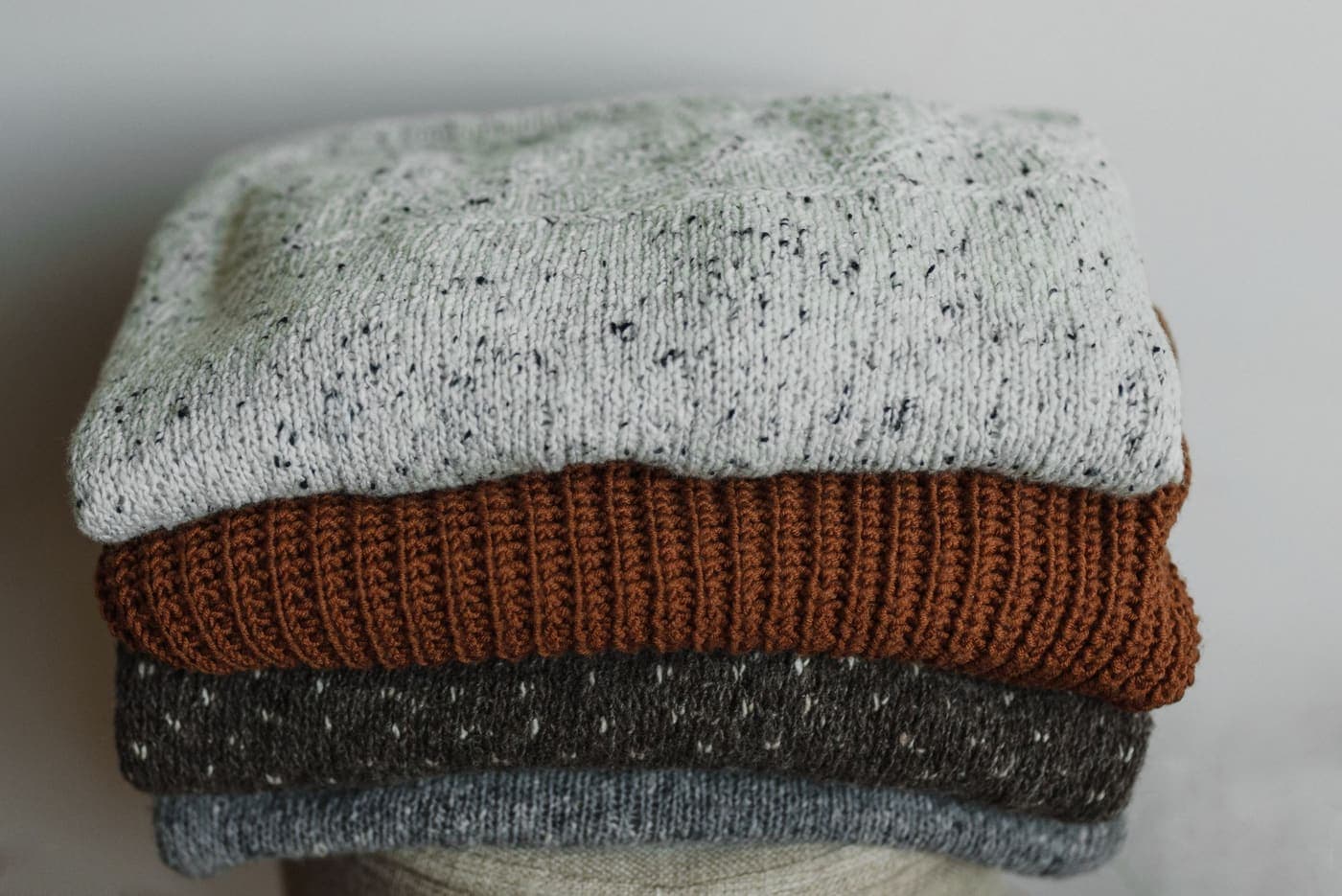
Wash hand knits in cool water with a wool wash, no agitation, and dry flat reshaped. Store clean, folded, in a lidded opaque container - never on a hanger. De-pill with a fabric comb or shaver rather than pulling. Wool and other animal fibers also need moth protection; cotton and acrylic do not.
Washing, by fiber
| Fiber | Method | Fails by |
|---|---|---|
| Untreated wool | Hand wash cool, no agitation | Felting - permanent and irreversible |
| Superwash wool | Machine gentle or hand wash, dry flat | Stretching while wet |
| Alpaca | Hand wash cool, dry flat | Growing under its own weight |
| Cotton | Machine wash warm; reshape while damp | Stretching out of shape |
| Linen | Machine wash; it improves | Almost nothing |
| Acrylic | Machine wash, tumble low | Pilling; melting at high heat |
| Wool blends | Follow the wool half of the content | Slight fulling at high heat |
The ball band is the authority for your specific yarn, which is why we suggest keeping one per project - see yarn care symbols for how to read it.
Hand washing, the whole method
- Fill the basin first, then add the garment. A temperature change part-way through is one of the three things that felts wool.
- Cool water and a pH-neutral wool wash. Ordinary detergent is alkaline and lifts the fiber scales.
- Soak 15 to 20 minutes. Do not agitate. Agitation is what felts wool, not warmth alone.
- Rinse at the same temperature.
- Support the whole weight when you lift it.
- Press the water out in a towel. Roll and press. Never wring.
- Dry flat, reshaped to the measurements. This is a re-block, so give it the attention you gave the first one - see how to block your knitting.
How often to wash
Less often than you think, and this is a genuine advantage of wool over synthetics.
Wool resists odor and releases it when aired, so a wool sweater worn over a shirt needs washing a handful of times a season rather than after every wear. Airing it overnight does most of the work. Acrylic does not have that property and needs washing more often, which is one reason acrylic garments wear out faster.
Drying, which is where most damage happens
- Never hang a wet knit. The weight stretches the fabric permanently. Superwash wool and cotton are the worst offenders.
- Dry flat on a rack or a towel, reshaped to the right measurements while damp.
- Out of direct sun. It fades dye and weakens fibers.
- Turn it over halfway. The underside dries much slower, particularly on a towel.
- Wait until it is completely dry before folding or wearing. Damp means unset.
Pilling, and how to fix it
Pills are short fiber ends that have migrated to the surface and tangled. They are not damage and they are not a sign of a cheap yarn - merino pills more than a coarse wool because its fibers are finer. Our why yarn pills page covers the mechanism.
- Do not pull them off. Pulling drags more fiber to the surface and makes the next pill worse.
- Use a fabric comb or a sweater stone for wool. Short strokes in one direction, over a flat surface.
- Use a battery fabric shaver for acrylic and blends. Keep it moving and do not press.
- Do the whole garment at once, or you get patches of different textures.
- Expect the first season to shed most. Pilling slows dramatically after the loose surface fibers are gone.
Choosing an anti-pilling yarn removes most of this work in advance, which matters most on things that get constant friction - see best yarn for granny squares.
Storing for a season
- Wash before storing. Moth larvae are attracted to body oils and food residues, not to clean wool.
- Fold, never hang. A hanger puts the whole weight on the shoulders for six months.
- Lidded and opaque. Light fades; dust settles; open shelves offer no protection.
- Breathable, not sealed. A sealed plastic bag traps moisture and grows mildew.
- Cedar or lavender for animal fibers. Both deter adults from laying. Neither kills larvae already present - freezing does.
- Check midway through the season. Fine webbing or grazed patches mean act now.
Cotton, linen and acrylic need none of the moth precautions. Our yarn storage page covers the containers, and the same reasoning applies to finished garments.
Small repairs, before they are big ones
- A loose end - re-weave it with a blunt needle, further this time, reversing direction twice. See how to weave in ends.
- A dropped stitch that has laddered - a crochet hook picks it back up, one rung at a time.
- A small hole - duplicate stitch over it with matching yarn before it grows. This is why we keep leftovers.
- A worn heel or elbow - darn it while it is thin, not once it is a hole.
- A stretched cuff - for wool, wet it, ease it back to size and dry flat. It often recovers completely.
Keep the leftover yarn and one ball band for every finished project. In three years it is the only thing that will let you repair a garment invisibly.
If you are giving it away
A hand knit given without care instructions will be washed however the recipient guesses, and untreated wool does not survive guessing.
Write the fiber content and the washing instructions on a card, or attach the ball band. If the recipient is someone you know will not read it, knit the next one in superwash or an acrylic blend and remove the problem at the source.
What looking after hand knits needs
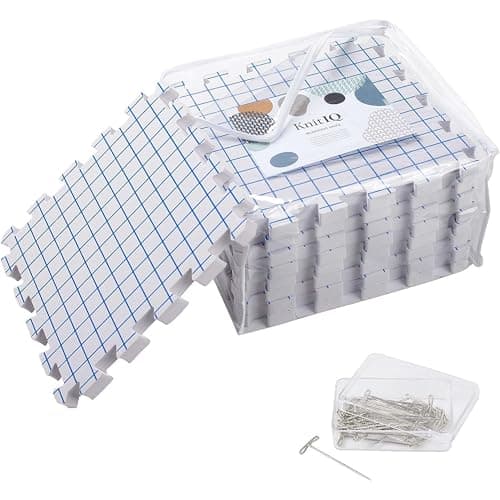
KnitIQ Blocking Mats
Every wash is a re-block. A flat, gridded, pinnable surface is what turns washing into finishing.
$49.99 - View on Amazon$54.999% off · #ad disclosure - price as of October 21, 2026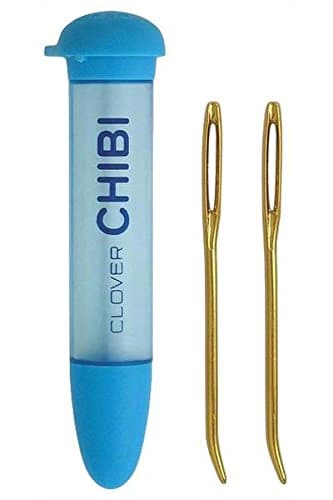
Clover Chibi Darning Needle Set (Bent Tip)
Blunt bent-tip needles for repairs and for re-securing an end that has worked loose.
$9.14 - View on Amazon#ad disclosure - price as of October 21, 2026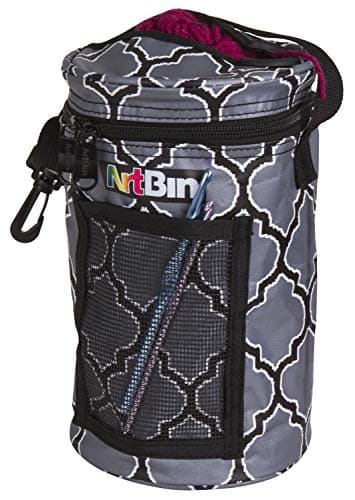
ArtBin Yarn Drum
Lidded, opaque storage - and the same principle applies to finished garments as to stash.
$12.99 - View on Amazon#ad disclosure - price as of October 21, 2026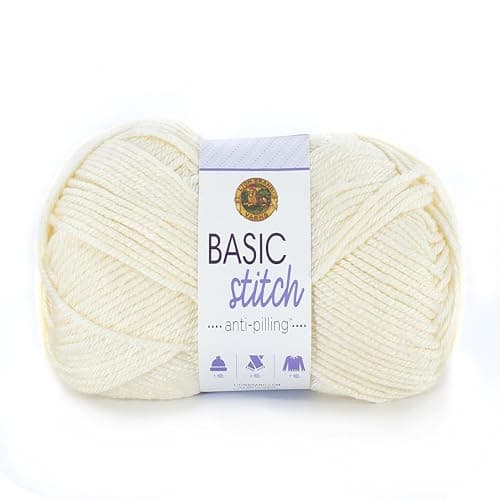
Lion Brand Basic Stitch Anti-Pilling
The cheapest way to reduce future maintenance is to knit the next one in a yarn spun against pilling.
$5.99 - View on Amazon$11.7649% off · #ad disclosure - price as of October 21, 2026
Questions people actually ask
How do you wash a hand knitted sweater?
Cool water at a constant temperature, a pH-neutral wool wash, a 15 to 20 minute soak with no agitation, water pressed out in a towel rather than wrung, and dried flat and reshaped to the correct measurements.
How often should you wash hand knits?
Wool resists odor and releases it when aired, so a sweater worn over a shirt needs washing a handful of times a season. Airing it overnight does most of the work. Acrylic needs washing more often.
How do you get pills off a sweater?
Use a fabric comb or sweater stone on wool, or a battery fabric shaver on acrylic, working over a flat surface in short strokes. Do not pull pills off - that drags more fiber to the surface and makes the next one worse.
Should you hang or fold hand knits?
Fold, always. A hanger puts the garment's whole weight on the shoulders, and a knitted fabric will stretch there permanently - especially superwash wool, cotton and alpaca.
How do you store hand knits over summer?
Wash them first, fold them, and store in a lidded opaque container that still breathes. Add cedar or lavender for wool and other animal fibers; cotton and acrylic need no moth protection at all.