Guide
Why Does My Yarn Smell?
Six different smells, six different causes. Only one of them is a problem.
By Sawyer V. · Published October 6, 2026
Disclosure: we earn a commission when you buy through the links on this page, at no extra cost to you. It never decides what we recommend or how we rank it - read the full disclosure.
The short answer
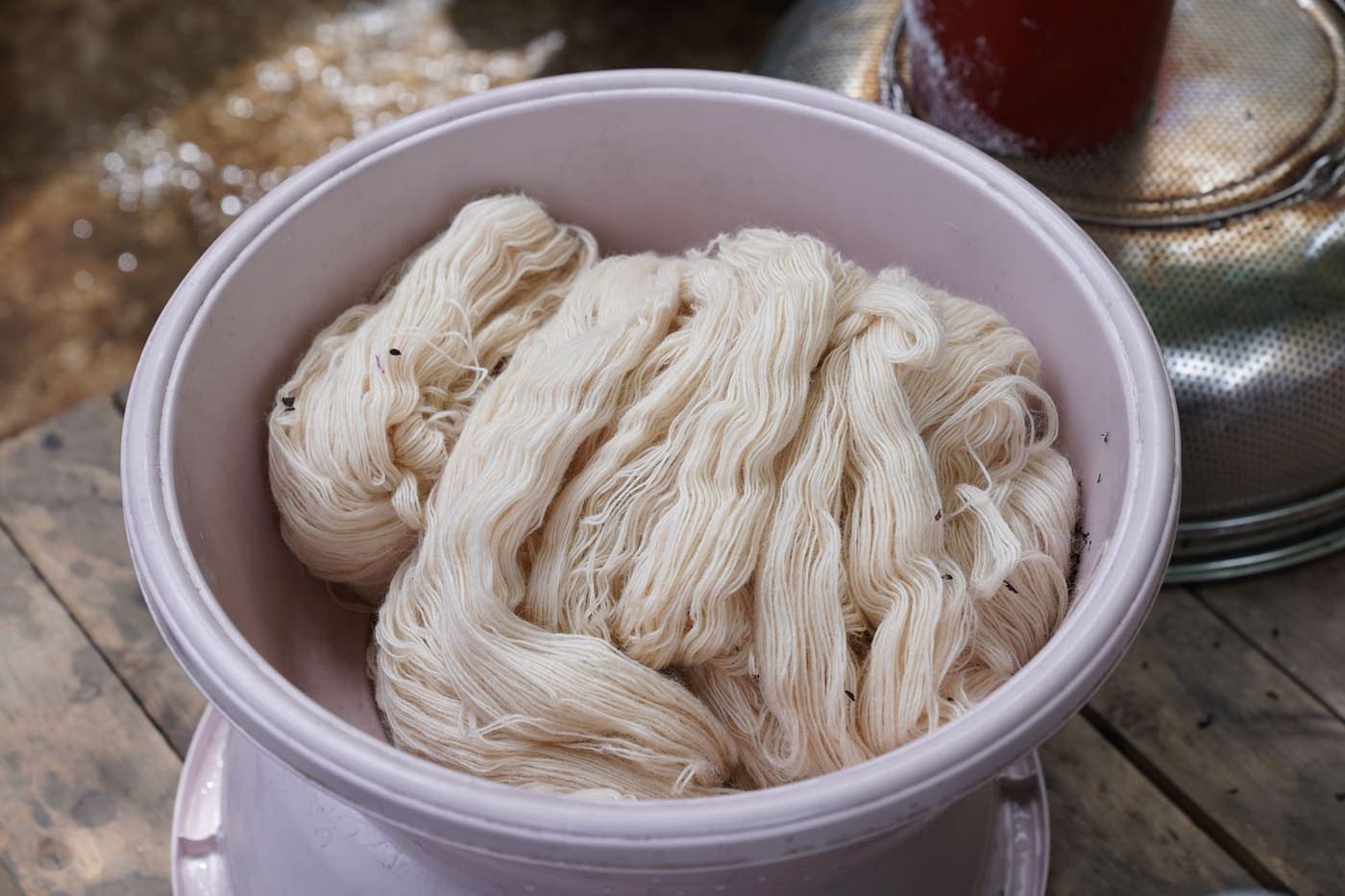
Match the smell to the cause. Wet dog or sheep on damp wool is lanolin and suint - residual sheep wax and dried sweat - plus bacteria acting on them; it is normal, it is strongest when the wool is wet, and a wool wash removes most of it. Vinegar on a hand-dyed skein is acid-dye residue and is harmless; it airs out. A sharp chemical or plastic smell on a new synthetic is processing residue and should fade within a few days of airing. Musty or stale means storage, not manufacture. The only smell worth returning a yarn over is one that is still strong after airing and a wash, or any smell of mildew, because mildew in a skein does not come out.
The six smells
| Smell | Usually means | Does it go? |
|---|---|---|
| Wet dog, sheepy, barnyard | Lanolin and suint on untreated wool, worse when damp | Mostly - a wool wash takes it down a long way |
| Vinegar | Acid-dye residue on a hand-dyed skein | Yes - airs out in days |
| Burnt plastic, chemical, sharp | Processing or finishing residue on a synthetic | Yes - air it, then wash |
| Musty, stale, like a cupboard | Storage. Damp air, a closed bin, time | Yes - air and wash |
| Mildew, earthy, mushroomy | The yarn got genuinely damp and grew something | No. Do not knit with it |
| Smoke | Where it was stored, not what it is | Partly, and it takes repeated washing |
Wool, and why it smells of sheep when it is wet
Raw wool arrives on the fiber carrying two things that are not wool. Lanolin is the waxy grease sheep secrete to waterproof their fleece. Suint is dried sheep sweat, mostly potassium salts. Scouring removes most of both before the wool is spun, but 'most' is not 'all', and what remains is what you can smell.
Water is what releases it. Dry wool holds the smell in; wet wool gives it up, which is why a wool sweater that is fine in the wardrobe announces itself in the rain. Damp also lets skin bacteria work on the residues, and the breakdown products are the sharper end of the smell.
What to do about each one
- Air it first, for three days. Skein out of the bag, somewhere with moving air and out of sun. This alone fixes vinegar, most chemical smells and most musty smells, and it costs nothing.
- Then wash the skein, not the garment. Re-skein the yarn into a loose hank, tie it in three or four places with waste yarn so it cannot tangle, and soak it in cool water with a wool wash for twenty minutes. Squeeze, do not wring, and dry flat.
- For stubborn wool smell, add a splash of white vinegar to the soak and then rinse. It neutralises alkaline residues. Do not use it on a hand-dyed yarn that already smells of vinegar - that is a different problem.
- Never use hot water or agitation on untreated wool. You will felt the skein and then you own a solid lump. Does wool yarn shrink explains why.
- For mildew, stop. Mildew means the fiber has been colonised and the smell is the organism. It does not reliably wash out, it spreads to the rest of your stash, and it can provoke a reaction in anyone sensitive. Bin it or return it.
The vinegar smell on hand-dyed yarn
Hand-dyers use acid dyes on protein fibers, and the acid that fixes the dye is usually citric acid or plain white vinegar. A skein that has been dried without a long final rinse keeps some of it.
It is harmless and temporary. Air the skein; if you are impatient, soak it in cool water with a little wool wash and dry it flat. If the dye runs significantly during that soak, that is a separate issue - see does superwash wool bleed and how yarn is dyed and dye lots.
Synthetic smells
A new acrylic skein sometimes carries a faint sharp smell from manufacture - spinning oils, finishing agents, the packaging it traveled in. It should be gone within a week of airing and certainly after a wash.
What is not normal is a strong solvent smell that persists after airing and washing. That is worth a return. Acrylic yarn allergies and sensitivity covers the related question of skin reactions, which are far more often a response to finishing chemistry than to the polymer itself.
Keeping it from happening
- Never store yarn in sealed plastic. It traps the moisture already in the fiber and that is how musty and mildew both start. Breathable containers, see best yarn storage solutions.
- Do not store it anywhere that gets damp - a basement, a garage, under a sink.
- Wash and fully dry a finished wool item before putting it away for the season. Body oils left in the fiber are what the smell feeds on, and they attract moths.
- Air a thrifted or destashed skein before it goes near the rest of your stash. Smoke and mildew both travel.
- Do not try to mask it. Scented sachets and dryer sheets put a second smell on top of the first and leave residue in the fiber.
What to buy if the smell is the dealbreaker
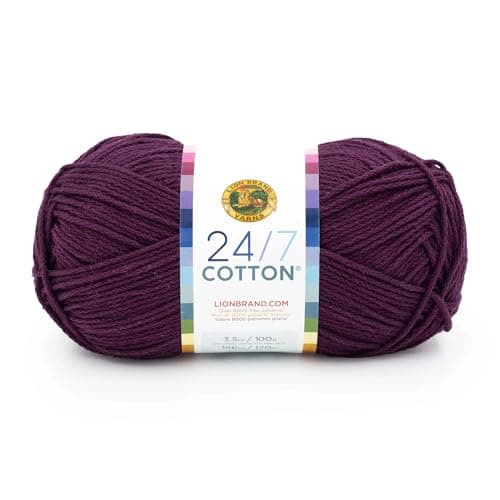
Lion Brand 24/7 Cotton
Mercerized cotton. No lanolin, no suint, no animal protein - the fiber with the least to smell of.
$6.99 - View on Amazon#ad disclosure - price as of October 7, 2026
Cascade 220 Superwash Merino
Superwash merino. Scoured and treated, so most of the sheepy smell is already gone before you buy it.
$21.00 - View on Amazon#ad disclosure - price as of October 7, 2026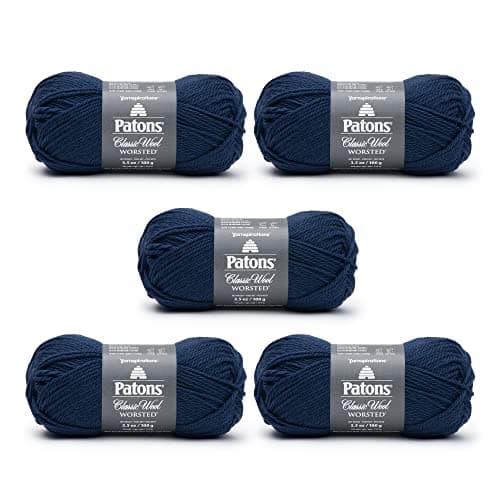
Patons Classic Wool Worsted
Untreated wool. The one most likely to smell of wet sheep when it is damp - which some knitters actively want.
$43.18 - View on Amazon#ad disclosure - price as of October 7, 2026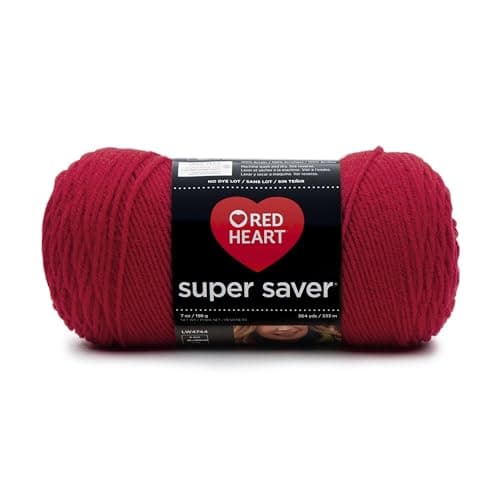
Red Heart Super Saver
Acrylic. Carries no animal smell at all, though a new skein can smell faintly of the plant it was made in until it airs.
$4.29 - View on Amazon#ad disclosure - price as of October 7, 2026
Questions people actually ask
Why does my wool smell like a wet dog?
Residual lanolin - the waxy grease from the sheep - plus suint, which is dried sheep sweat, and the bacteria that act on both when the fiber is damp. Scouring removes most of it before spinning but not all. It is normal for untreated wool and it is strongest when the wool is wet.
Why does my yarn smell like vinegar?
It is almost certainly a hand-dyed skein, and the vinegar or citric acid used to fix an acid dye has not been fully rinsed out. It is harmless and it airs out within a few days. A soak in cool water with a wool wash speeds it up.
Does the smell wash out of wool?
Most of it. A twenty-minute soak in cool water with a wool wash, dried flat, takes a sheepy smell down a long way. Never use hot water or agitation on untreated wool or you will felt the skein.
Why does my acrylic yarn smell like chemicals?
Processing and finishing residue from manufacture. It should fade within about a week of airing and disappear after a wash. A strong solvent smell that survives both is worth returning the yarn over.
Is smelly yarn dangerous?
Not usually. Lanolin, suint and dye acid are all harmless. The exception is mildew - an earthy or mushroomy smell means something has grown in the fiber, it does not reliably wash out, it spreads to the rest of your stash, and it can provoke a reaction in anyone sensitive. Discard that one.
Will my finished sweater smell?
Only when it is damp, and less each time it is washed. If the smell bothers you, wash the yarn as a skein before you knit it rather than fighting it in a finished garment - a skein dries flat in a day and a sweater does not.
Sources
- The Woolmark Company - What is the wool fiber
- The Woolmark Company - Machine washable wool
- Yarnspirations - Patons Classic Wool Worsted specification
- Cascade Yarns - 220 Superwash Merino specification
- Yarnspirations - Red Heart Super Saver specification
- GINETEX - International care labeling symbols
- Craft Yarn Council - Standard Yarn Weight System