Guide
Does Superwash Wool Bleed?
Some color in the rinse water is expected. Color in the water forever is not.
By Sawyer V. · Published September 24, 2026
Disclosure: we earn a commission when you buy through the links on this page, at no extra cost to you. It never decides what we recommend or how we rank it - read the full disclosure.

The short answer
Yes, superwash wool can bleed, and a little color in the first wash is normal rather than a fault - it is excess dye that never bonded, rinsing away. Wash the finished piece alone in cold water with a small amount of wool wash, do not soak it for long, and rinse until the water runs clear. Saturated and dark colors, especially reds and deep blues, release the most. Color that keeps coming out after several washes, or a piece that visibly fades, is a different problem.
What superwash is, and what it is not
Superwash wool has been treated so the scales on the fiber no longer interlock, which is what stops it felting in a machine. That is the whole of it. As one hand-dyer puts it, superwash only means the scales of the fibers have been treated to minimize felting - it does not mean the yarn has super human woolie powers.
The treatment changes how the fiber takes dye, because the surface it presents is different. It does not make the yarn immune to any of the ordinary things that happen to dyed textiles. Superwash vs non-superwash covers the treatment itself.
Why dye comes out at all
- Excess dye. Not every dye molecule bonds to the fiber. What did not bond sits on the surface and leaves on the first wash. This is the commonest cause by far and it is not a defect.
- Heat. Hot water opens the fiber and lets dye out. Dyers are direct about this: always use cold water for colors.
- Too much detergent. An excess of wool wash lifts color along with dirt.
- Long soaks. The longer the piece sits in water, the more dye migrates. A short wash is enough.
- Saturated shades. Deep reds, blues and blacks carry far more dye than pale colors, so there is more surplus to shed.
The wash routine that stops it
- Wash the finished piece on its own the first time. Never with anything white.
- Cold water, always. This is the single biggest lever you have.
- A small amount of wool wash, not a generous one.
- Keep it short. A few minutes is enough for a clean piece; there is no benefit to a long soak.
- Rinse until the water runs clear, in cold water.
- Press the water out, do not wring, then lay flat to dry.
Caring for hand knits and yarn care symbols cover the general routine.
Colorwork, stripes and the white-yarn problem
Bleeding matters most when a dark color sits against a pale one, because the dark will run into the pale and stay there. Dyers routinely advise pre-washing a deep red skein before using it with white.
- Pre-wash the dark skein before you start, if you are pairing it with white or cream.
- Wind it into a skein, not a ball, so the water reaches all of it.
- Rinse until clear, then dry it before winding for use.
- Wash the finished piece cold and alone, every time, not just the first.
- Never leave a colorwork piece wet and folded - trapped dye migrates.
Best yarn for colorwork covers the yarn choice, and how yarn is dyed and dye lots covers the dyeing side.
Hand-dyed versus commercially dyed
| Commercially dyed | Hand-dyed | |
|---|---|---|
| Typical bleeding | Little to none | Some, especially at first |
| Consistency | Dye lots, repeatable | Varies skein to skein |
| Care information | Printed on the band | Often given by the dyer directly |
| Saturated shades | Usually well rinsed | More likely to shed surplus |
Neither is better; they are dyed to different standards of volume and repeatability. What matters is reading what the dyer or the band tells you, and treating a hand-dyed saturated color as a pre-wash candidate.
When it is actually a problem
- Color still coming out after three or four washes.
- The piece itself visibly lighter after washing.
- Color transferring onto skin or onto other clothes in normal dry wear.
- Any of the above on a yarn sold as machine washable - that is worth raising with the seller or the dyer.
The first wash releasing color is normal. The fifth one doing it is not.
Superwash and non-superwash, for comparison
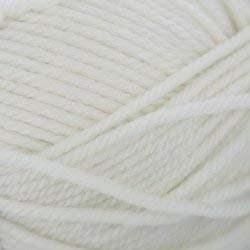
Cascade 220 Superwash Merino
100% superwash merino, 220yd per 100g, 20 sts x 28 rows on US 7. Treated so it machine washes - which is what superwash means and all it means.
$21.00 - View on Amazon#ad disclosure - price as of September 24, 2026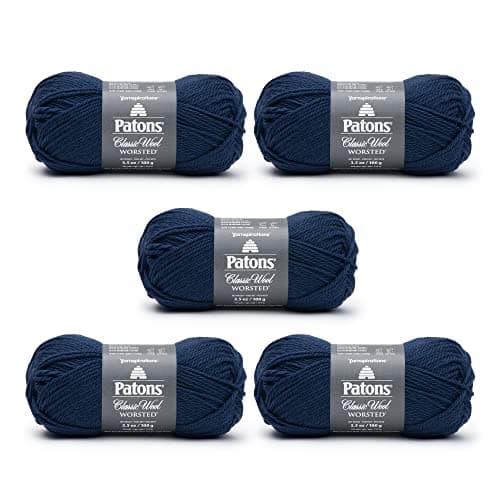
Patons Classic Wool Worsted
100% wool, explicitly not superwash, 194yd per 100g. Hand wash only, and it takes dye differently from treated wool.
$43.56 - View on Amazon$47.228% off · #ad disclosure - price as of September 24, 2026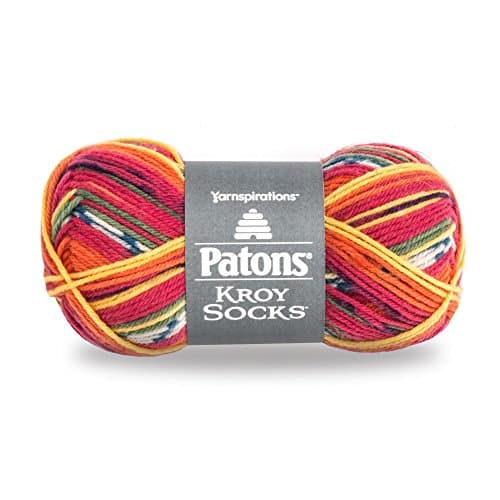
Patons Kroy Socks
75% washable wool, 25% nylon, 166yd per 50g - the superwash-plus-nylon construction most sock yarn uses.
$9.61 - View on Amazon#ad disclosure - price as of September 24, 2026
Questions people actually ask
Does superwash wool bleed more than regular wool?
Superwash takes dye differently because the fiber surface has been treated, but the bleeding you see is usually surplus dye rinsing away rather than anything caused by the treatment. Saturated colors shed more regardless of the wool.
Is it normal for new yarn to bleed?
Yes, on the first wash or two, particularly with hand-dyed and deeply saturated shades. Dyers describe it as completely normal. What is not normal is color still coming out several washes later.
How do I stop superwash wool bleeding?
Wash the piece alone in cold water with a small amount of wool wash, keep the wash short, and rinse until the water runs clear. Hot water and long soaks are what pull the most color out.
Should I pre-wash yarn before knitting with it?
For a deep red or another saturated color that will sit against white or cream, yes. Wash it as a skein rather than a ball so the water reaches all of it, rinse until clear, and dry it before winding.
Does vinegar stop yarn bleeding?
We have not found a manufacturer or dyer instruction we can cite for that, so we do not recommend it here. The advice dyers do publish is cold water, little detergent, short washes and thorough rinsing.