Guide
Yarn Crafts Explained
Every technique that starts with yarn, what each one makes, and where to start.
By Sawyer V. · Published September 4, 2026
Disclosure: we earn a commission when you buy through the links on this page, at no extra cost to you. It never decides what we recommend or how we rank it - read the full disclosure.
The short answer
Yarn crafts are the family of techniques that turn yarn into fabric or objects. The two largest are knitting and crochet; the rest includes weaving, macrame, punch needle, latch hook, arm knitting, finger knitting, pom pom making and tassel work. Knitting and crochet are the two that make wearable garments.
The phrase covers a much wider family than most people expect, and several of the techniques are quicker to learn than either of the big two.
The two big ones
Knitting
Two needles - or one circular needle - holding a whole row of live stitches, worked into a mesh of interlocking loops. The fabric is thin, stretchy and drapes. It is the technique for garments, socks and anything fitted.
Learning curve: steeper at the start, because a dropped stitch runs downward through the fabric.
Crochet
One hook, one live stitch at a time, each closed before the next begins. The fabric is thicker, denser and more structural. It is the technique for blankets, amigurumi, bags and edgings.
Learning curve: gentler, because nothing unravels when you put it down. The full comparison is in knitting vs crochet.
The rest of the family
| Craft | Tools | Makes | Learning curve |
|---|---|---|---|
| Weaving | A loom - frame, rigid heddle or floor | Flat cloth, wall hangings, scarves, rugs | Gentle on a frame loom, steep on a floor loom |
| Macrame | No tools - knots by hand | Plant hangers, wall hangings, bags | Very gentle - a handful of knots covers most patterns |
| Punch needle | A punch needle and a stretched foundation fabric | Textured wall art, cushion fronts, small rugs | Gentle - repetitive and quick to pick up |
| Latch hook | A latch hook and a mesh canvas | Rugs, cushion covers, wall pieces | Very gentle - one repeated motion |
| Arm and finger knitting | Your arms or fingers, and very thick yarn | Chunky blankets, scarves, garlands | Immediate - minutes to learn |
| Tunisian crochet | A long hook, holding many live loops | Blankets, garments, dense fabric | Moderate - a hybrid of knitting and crochet |
| Pom poms and tassels | A pom pom maker, or card and scissors | Trims, garlands, decorations | Immediate |
| Nalbinding | A single blunt needle | Hats, mittens, socks - historically the predecessor of knitting | Steep, and it is a genuinely old technique |
Which to try first
It depends what you want out of it, and being honest about that saves money:
- You want to make clothes. Knitting or crochet. Nothing else on that list makes a wearable garment well.
- You want a finished thing tonight. Arm knitting, finger knitting, pom poms or latch hook. All are immediate.
- You want something meditative and repetitive. Punch needle or latch hook - one motion, repeated, with visible progress.
- You want wall art. Macrame, punch needle or weaving.
- You want it to be portable. Crochet or knitting on circulars. A loom is not going on a train.
- Your hands hurt. Macrame and latch hook load the hands very differently from knitting and crochet - worth trying before giving up on yarn entirely.
What they share
All of them use yarn, and yarn behaves the same way regardless of technique. That means the yarn weight system applies across the board, and so does the fiber question - a cotton yarn is stiff and absorbent whether you knit it, weave it or punch it into canvas.
So the reference material on this site is useful across the family: the fiber guide for what each fiber does, and how much yarn do I need for the arithmetic.
How the family is related
It is worth seeing the structure, because it explains why some techniques feel similar and others do not. Every yarn craft does one of three things with a strand:
- Loops it into other loops. Knitting, crochet and Tunisian crochet all do this, which is why the fabrics stretch and why a dropped stitch matters. It is also why they are the techniques that shape a garment as you go.
- Interlaces it at right angles. Weaving. The fabric has almost no stretch along the grain, which is why woven cloth is cut and sewn rather than shaped on the loom.
- Knots or anchors it. Macrame knots strands to each other; punch needle and latch hook anchor loops into an existing foundation fabric. Neither produces a stretchy cloth, and both are quick to learn because there is no live stitch to lose.
That third group is the one people overlook, and it is where the fastest wins are. If you want a finished object this weekend and you have never touched yarn, a latch hook cushion or a macrame hanging will get you there long before a knitted anything will. A knitting loom sits between the two - real knit fabric, with the tension already solved.
Nalbinding, and why knitting is younger than you think
Nalbinding is worth a paragraph because it complicates the usual story. It uses a single blunt needle and short lengths of yarn worked into loops that are pulled all the way through - so unlike knitting it cannot unravel, and unlike crochet it has no live stitch at all.
It predates knitting, and surviving fragments have been misidentified as knitting more than once, which is part of why the history of these crafts is less settled than confident articles suggest. We are not going to resolve that here - knitting vs crochet sets out what can honestly be said about which came first.
What the tools cost
| Craft | Tools needed | Entry cost |
|---|---|---|
| Finger knitting | Your hands | Yarn only |
| Macrame | Your hands, and something to hang from | Yarn only |
| Crochet | One hook | Very low |
| Knitting | One circular needle | Very low |
| Latch hook | A hook and a mesh canvas | Low |
| Punch needle | A punch tool, a hoop and foundation fabric | Low to moderate |
| Tunisian crochet | One long hook | Low |
| Weaving | A frame loom, or a rigid heddle loom | Moderate to high |
Weaving is the outlier, and a frame loom is the way in - a simple wooden frame costs a fraction of a rigid heddle loom and teaches the same fundamentals.
Starting cheaply
Every craft here can be started for the price of a tool and a skein of yarn. Two rules that apply to all of them:
- Buy one tool, not a set. You will use one size for your first month regardless of craft.
- Buy smooth, pale, worsted yarn. Being able to see what you are doing matters more than anything else at the start - see best yarn for beginners.
And do not buy for two crafts at once. Learn one properly, then add another. What belongs in a starter kit has the full list for knitting and crochet specifically.
The tools these crafts actually use
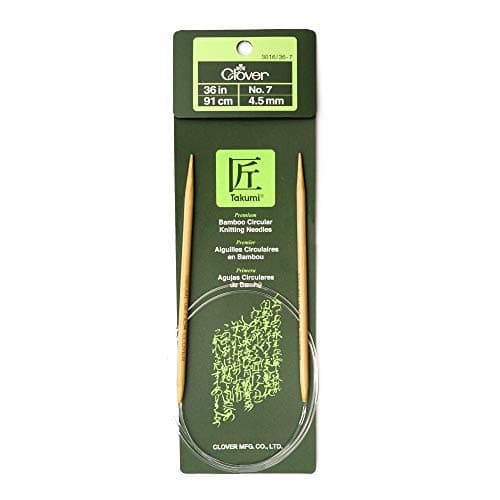
Clover Takumi Bamboo Circular Needles
Knitting needles: bamboo circulars in 2.00-15.00mm and five cable lengths.
$9.86 - View on Amazon#ad disclosure - price as of October 20, 2026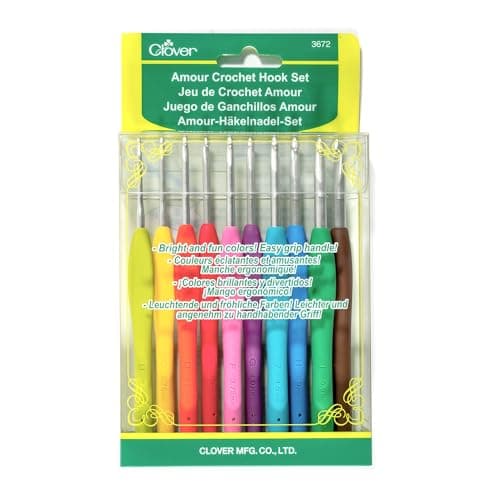
Clover Amour Crochet Hook Set
Crochet hooks: ten sizes, B/2.25mm to J/6.0mm, with a molded grip.
$50.83 - View on Amazon#ad disclosure - price as of October 20, 2026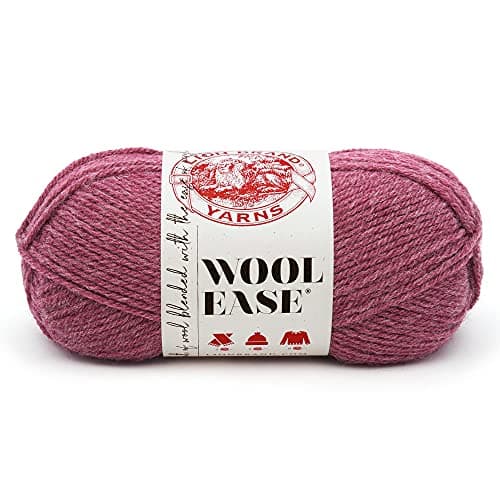
Lion Brand Wool-Ease
Worsted weight yarn, which is what almost every beginner pattern in either craft assumes.
$11.77 - View on Amazon#ad disclosure - price as of October 20, 2026
Questions people actually ask
What are yarn crafts?
The family of techniques that turn yarn into fabric or objects - knitting, crochet, weaving, macrame, punch needle, latch hook, arm knitting, Tunisian crochet and pom pom work among them.
What is the easiest yarn craft to learn?
Finger knitting, arm knitting and pom pom making are immediate. Among the crafts that make lasting objects, crochet and latch hook are the gentlest to pick up.
Which yarn craft makes clothes?
Knitting and crochet. Weaving makes cloth that can be sewn into garments, but knitting and crochet are the two that shape a garment as you make it.
What is Tunisian crochet?
A hybrid worked with a long hook that holds many live loops at once - more like knitting in that respect. It produces a dense fabric and is popular for blankets.
Do different yarn crafts use different yarn?
They use the same yarn, judged by the same weight system. What changes is which weight and fiber suits the technique - arm knitting needs very thick yarn, punch needle wants something that fills the canvas.