Guide
Yarn Crafts for Beginners
One craft, one tool, one skein, one small project. In that order.
By Sawyer V. · Published September 4, 2026
Disclosure: we earn a commission when you buy through the links on this page, at no extra cost to you. It never decides what we recommend or how we rank it - read the full disclosure.
The short answer
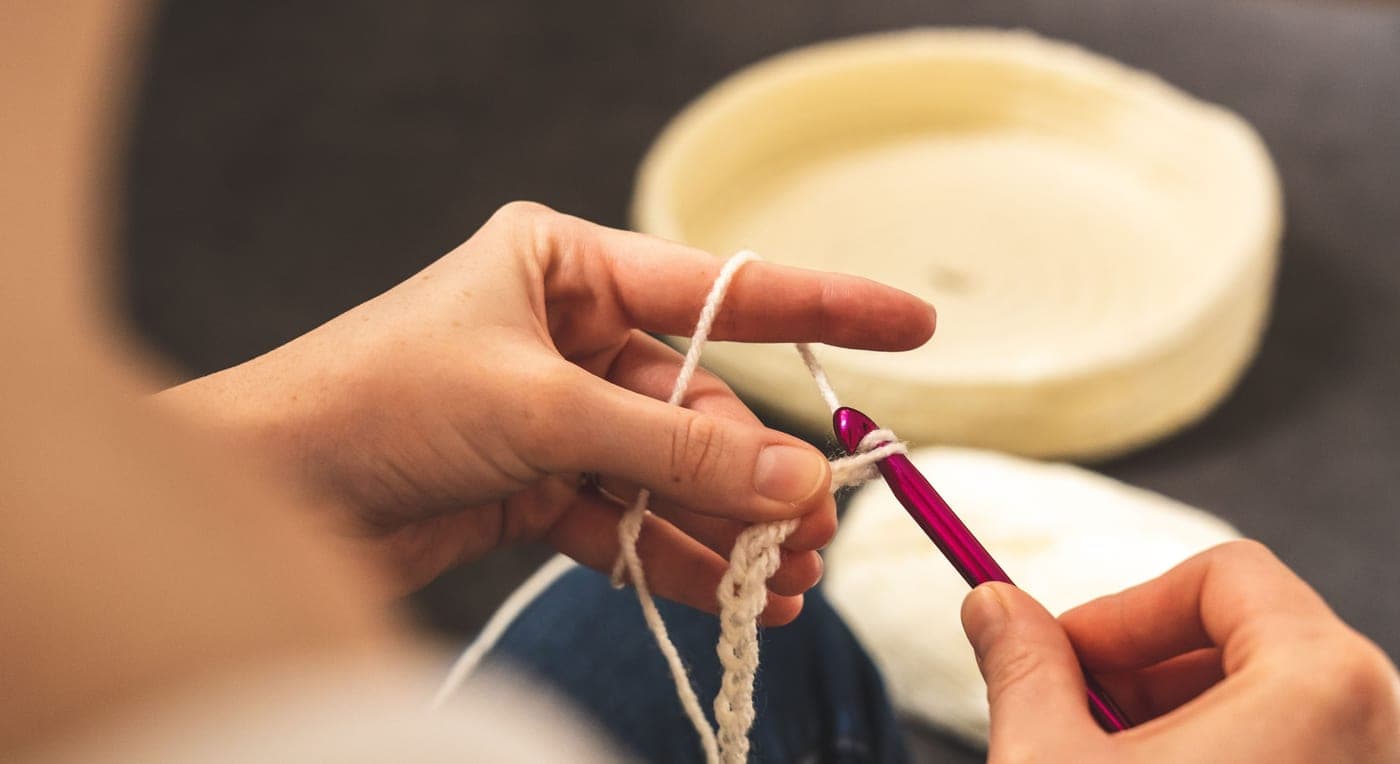
Start with crochet, one 5mm hook and one skein of smooth pale worsted yarn, and make a dishcloth. Crochet is easier to learn because only one stitch is live at a time, so nothing unravels when you put it down and mistakes pull out cleanly. A dishcloth finishes in an evening and gets used.
That is the whole recommendation. The rest of this page explains it and lists the ways people get stuck.
Pick one craft
Crochet for most people. One hook, one live stitch at a time, and nothing runs when you drop it. The first hour is much less discouraging than knitting's.
Knitting if the specific thing you want to make is a fitted sweater or a pair of socks. Knitted fabric is stretchier and thinner, and learning the craft that makes the thing you want is more motivating than learning the easier one.
Do not start both. The tools do not transfer and you will learn neither. Knitting vs crochet is the full comparison.
Buy four things
| Item | What to get | Why |
|---|---|---|
| One tool | 5mm crochet hook, or a 5mm circular knitting needle with bamboo tips | 5mm matches worsted yarn, which is what every tutorial uses |
| Two skeins of yarn | Smooth, pale, solid-color worsted acrylic | Smooth and pale so you can see your stitches; two so a mistake is survivable |
| A tapestry needle | Blunt, large eye | Required to weave in ends and finish anything |
| A few stitch markers | Rings or clips | Essential for crochet worked in a spiral |
Full reasoning in best crochet hooks for beginners, best knitting needles for beginners and best yarn for beginners.
Make something small
The classic first project is a scarf and it is the wrong choice - 60 inches of the same thing, with no new skill after row ten. Most first scarves are abandoned. The same logic applies with more force to a child, which is why yarn crafts for kids sorts projects by how quickly they finish.
- A dishcloth or a coaster. One ball, one evening, genuinely used. Start here.
- A second dishcloth. Consistency is a skill and it needs a repetition.
- A simple hat. Introduces working in the round, and it fits someone.
- Then a scarf, if you still want one.
The four things that stop people
1. Tension too tight
Almost universal. The stitches close up, the next one is hard to get into, and it stops being enjoyable.
The fix is to go up a tool size, not to try to relax. A larger hook or needle fixes it immediately, and your tension will loosen on its own with practice.
2. Yarn you cannot see
Dark, variegated, fuzzy or chenille yarn hides the stitch structure completely. You cannot count what you cannot see, and you cannot fix a mistake you cannot find.
Use a pale solid smooth yarn for the first month. The beautiful hand-dyed skein will still be beautiful later.
3. Not counting
Rows getting wider or narrower is the most common beginner defect, and it is caused by miscounting the edge stitch or the turning chain.
Count every row, out loud if necessary, until it becomes automatic. It will.
4. Starting something too big
A blanket as a first project is weeks of work before any feedback. Almost nobody finishes one.
Finish something small first. The confidence from one completed object is what carries you into the next.
A realistic first month
- Week 1. Learn the basic stitch. Make a swatch. Make it badly. Undo it and make it again.
- Week 2. Make a dishcloth. Finish it - weave in the ends properly.
- Week 3. Make a second one, and notice that your tension is more even.
- Week 4. Make a hat, or start something with a shape.
At the end of that you will know whether you enjoy this, and you will know whether you prefer wood or metal, and a tight or loose fabric. That is the right point to buy a set - and not before. What belongs in a starter kit covers what to add next.
Should you buy a kit?
Only for the teaching. A kit's materials cost a fraction of its price; what you are paying for is a chosen project, instruction, and sometimes a piece that has already been started for you.
That is worth real money if you have already tried and stalled - the pre-started feature in particular removes the step most first attempts die on. Best crochet kits for beginners assesses them on exactly that basis.
The first purchase
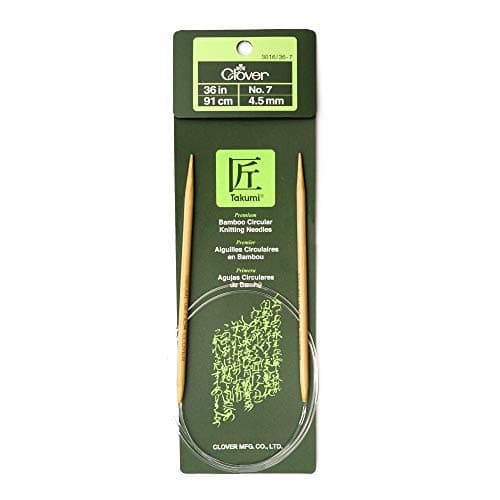
Clover Takumi Bamboo Circular Needles
Knitting: a 5mm bamboo circular. Bamboo grips, which is what uneven beginner tension needs.
$9.86 - View on Amazon#ad disclosure - price as of October 20, 2026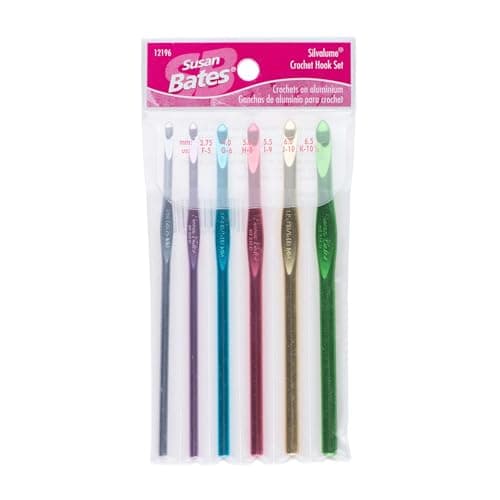
Susan Bates Silvalume Aluminum Crochet Hooks
Crochet: one 5mm aluminum hook, before committing to a set.
$11.57 - View on Amazon#ad disclosure - price as of October 20, 2026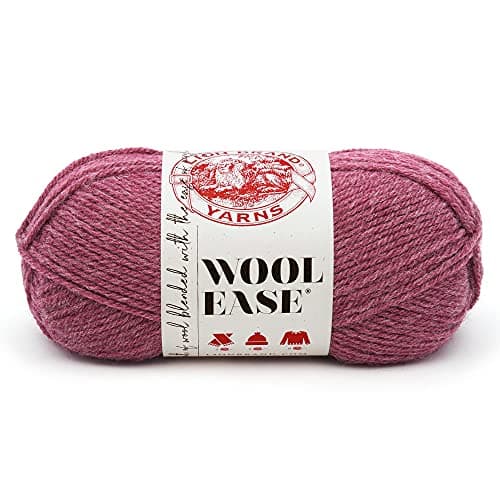
Lion Brand Wool-Ease
One or two balls of worsted weight yarn, light and smooth.
$11.77 - View on Amazon#ad disclosure - price as of October 20, 2026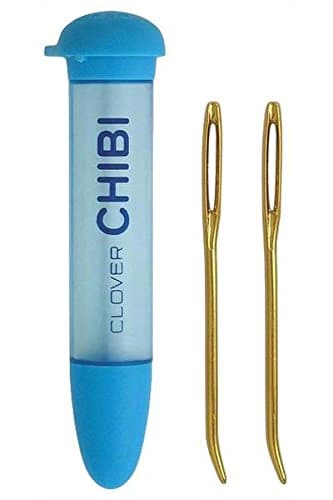
Clover Chibi Darning Needle Set (Bent Tip)
Blunt tapestry needles. Every project ends with ends to weave in.
$9.14 - View on Amazon#ad disclosure - price as of October 20, 2026
Questions people actually ask
What is the best yarn craft for beginners?
Crochet. Only one stitch is live at a time, so nothing unravels when you put the work down and mistakes pull out cleanly - which makes the first hour far less discouraging than knitting's.
What should a beginner buy first?
One 5mm hook or circular needle, two skeins of smooth pale worsted yarn, a tapestry needle and a few stitch markers. That is the entire first purchase.
What should my first project be?
A dishcloth or a coaster. One ball, one evening, and it gets used - unlike a scarf, which is 60 inches of the same thing and usually gets abandoned.
Why is my crochet or knitting so tight?
Nearly everyone starts tight. Go up a hook or needle size rather than trying to relax - the size change fixes it immediately and your tension will loosen on its own.
How long does it take to learn?
Most people can make a recognizable fabric within an hour and a finished dishcloth within an evening. Even tension takes a few projects, and there is no shortcut to it.