Reference
How to Substitute Yarn
Five checks, in order. Skip the fourth and the sweater still fits - it just hangs wrong.
By Sawyer V. · Published September 4, 2026
Disclosure: we earn a commission when you buy through the links on this page, at no extra cost to you. It never decides what we recommend or how we rank it - read the full disclosure.
The short answer
To substitute a yarn, match five things in this order: weight category, gauge on a swatch, total yardage (not skein count), fiber behavior, and care requirements. Matching the first three keeps the size right. Matching the fourth and fifth keeps the finished object usable.
Substituting is normal. Patterns name a specific yarn because the designer used it, not because it is the only one that works - and plenty of named yarns are discontinued, region-locked or sold only by one retailer. The failure mode is not substituting; it is substituting on one variable and assuming the others followed.
Check 1: weight category
Find the pattern yarn's category (0 to 7) and match it. This is the coarse filter and it takes ten seconds. The yarn weight chart has the full table.
Category is necessary but not sufficient. Category 4 spans 16 to 20 knit stitches over 4 inches, which is a real difference in fabric - so treat a category match as permission to proceed to check 2, not as a result.
Check 2: gauge, on a swatch you actually make
This is the check that decides whether the garment fits, and it is the one people skip. Knit or crochet a swatch at least 4 x 4in in the pattern stitch, wash and block it the way you will treat the finished object, then measure.
- Too many stitches per 4 inches means your fabric is tighter than the pattern's - go up a needle or hook size.
- Too few means it is looser - go down a size.
- Right stitch count, wrong row count is common and usually tolerable in garments worked to a measured length. It matters in colorwork and in anything shaped by row count.
Blocking is part of the check, not a finishing step. Superwash wool in particular grows when it is wet and often does not fully return - which is covered in does superwash wool block. A swatch measured dry and unblocked can be a full size out.
Check 3: yardage, not skein count
Patterns list skeins of a specific yarn. Skeins are meaningless across brands - a 100g ball can be 120 yards or 362 yards depending on fiber and construction.
- Multiply the pattern's skein count by the pattern yarn's yards per skein. That is your target yardage.
- Divide the target by your substitute's yards per skein.
- Round up, then add a skein if there is a border, seaming or colorwork.
Worked example: a pattern calls for 6 balls of a yarn at 194 yards a ball, which is 1,164 yards. Substituting Red Heart Super Saver at 364 yards a skein gives 1,164 / 364 = 3.2, so buy 4 skeins. Substituting Lily Sugar'n Cream at 120 yards a ball gives 9.7, so buy 10 balls - the same project, and nearly triple the ball count.
Check 4: fiber behavior
This is where a technically correct substitution goes wrong, and it is the check almost no pattern warns you about. Two yarns can be the same weight, hit the same gauge and give you the same yardage, and produce completely different objects.
| Swap | What happens | When it is fine |
|---|---|---|
| Wool to acrylic | Loses springiness and blocking response. Ribbing relaxes, cables flatten, shaping softens. | Flat, unstructured pieces - blankets, plain scarves, anything washed constantly. |
| Wool to cotton | Gains weight and drape, loses memory. Garments grow lengthwise under their own weight. | Summer tops, bags, dishcloths, anything meant to hang. |
| Acrylic to wool | Gains warmth, elasticity and blocking response. Usually gains hand-wash care. | Almost always an improvement in garments, if the care suits you. |
| Non-superwash to superwash wool | Machine washable, but grows when wet and blocks larger. | Anything that will be washed often - baby items especially. |
| Smooth yarn to chenille | Stitch definition disappears entirely, and loose tension causes worming. | Plain-stitch blankets. Never for textured or cabled work. |
The fiber guide works through each of these properly, and acrylic versus wool is the comparison most substitutions come down to.
Check 5: care
Match the care to the person who will use the object, not to the pattern. A hand-wash-only baby blanket is a beautiful thing that gets used twice. If the recipient will machine wash it, substitute to something that survives that - superwash wool, an acrylic-wool blend like Wool-Ease, or plain acrylic.
This is a genuine case where the cheaper fiber is the better answer, and we would rather say so than sell you the upgrade.
Substituting across weights, when you have to
Sometimes the substitute is a category out and you want to proceed anyway. Two workable moves:
- Hold a lighter yarn double. Two strands of DK approximate a bulky, roughly. It is not exact - swatch it - and you double the ends to weave in.
- Rework the pattern to your gauge. Multiply the pattern's stitch counts by (your stitches per inch / pattern stitches per inch). Workable on rectangles and simple shapes, and increasingly risky as the shaping gets complicated.
The specific DK-to-worsted case comes up constantly. Worsted at the same stitch count gives a larger, denser piece; going down a needle size and reswatching is usually enough for a flat item, and rarely enough for a fitted garment.
A short substitution checklist
- Same weight category, or a deliberate plan for the difference.
- Swatch made, washed, blocked and measured.
- Total yardage calculated from yards, not skeins, plus a margin.
- Fiber behavior understood and acceptable for the object.
- Care requirements match the person who will own it.
- All of it bought in one dye lot.
If you are substituting because a pattern's yarn is not available where you shop, that is worth knowing about in advance - several yarns that dominate this category are sold exclusively by their own retailers and simply cannot be bought elsewhere. Our picks stick to yarn that is widely available, for exactly that reason.
Common substitution targets
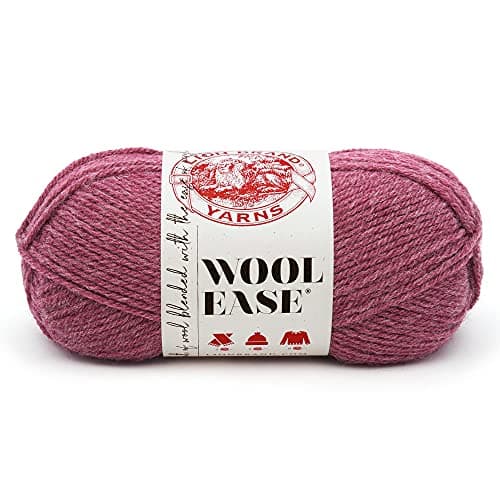
Lion Brand Wool-Ease
80/20 acrylic-wool, 197yd per 85g - the usual substitute for a wool a pattern calls for.
$11.77 - View on Amazon#ad disclosure - price as of October 20, 2026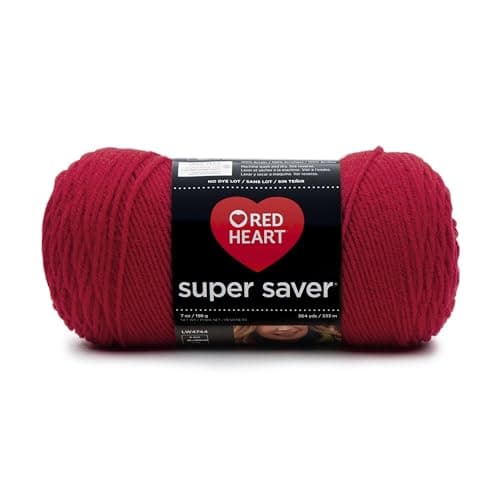
Red Heart Super Saver
The budget worsted most substitutions are made toward, at 364yd per 198g.
$4.18 - View on Amazon#ad disclosure - price as of October 20, 2026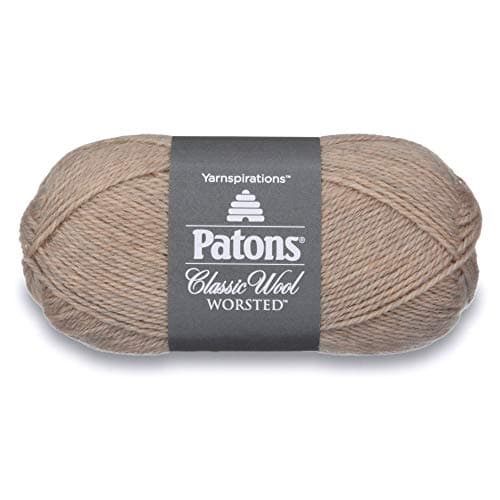
Patons Classic Wool Worsted
100% wool, 194yd per 100g - the substitute in the other direction.
$11.79 - View on Amazon#ad disclosure - price as of October 20, 2026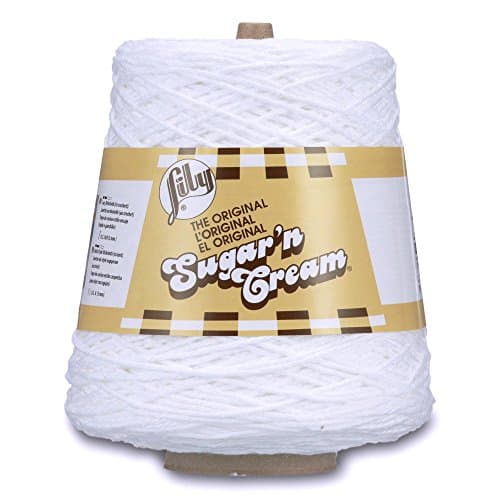
Lily Sugar'n Cream
Cotton, 120yd per 71g. Substituting across fiber changes drape more than gauge.
$17.88 - View on Amazon#ad disclosure - price as of October 20, 2026
Questions people actually ask
Can I use worsted weight yarn instead of DK?
Not directly at the same stitch count - worsted is a category heavier, so the piece comes out bigger and denser. Go down a needle or hook size, swatch, and expect to adjust stitch counts on anything fitted.
How do I substitute one yarn for another?
Match the weight category, swatch to the pattern gauge, convert the pattern's skein count into total yards and divide by your substitute's yards per skein, then check that the fiber behavior and care requirements suit the finished object.
How do I calculate how many skeins to buy when substituting?
Pattern skeins times pattern yards per skein gives the target yardage. Divide that by your substitute's yards per skein and round up. Add a skein for borders, seaming or colorwork.
Can I substitute acrylic for wool?
Yes, and for blankets or heavily washed items it is often the better choice. Expect to lose elasticity and blocking response, so avoid it where ribbing, cables or crisp shaping carry the design.
Does the row gauge matter as much as the stitch gauge?
Usually less. Most garments are worked to a measured length, so row gauge being slightly out is tolerable. It matters in colorwork, in anything shaped by row count, and in patterns worked sideways.