The picks
Best Yarn for a Baby Blanket
It will be washed twice a week by someone who will not read the label. Start there.
By Sawyer V. · Published September 4, 2026
Disclosure: we earn a commission when you buy through the links on this page, at no extra cost to you. It never decides what we recommend or how we rank it - read the full disclosure.
The short answer
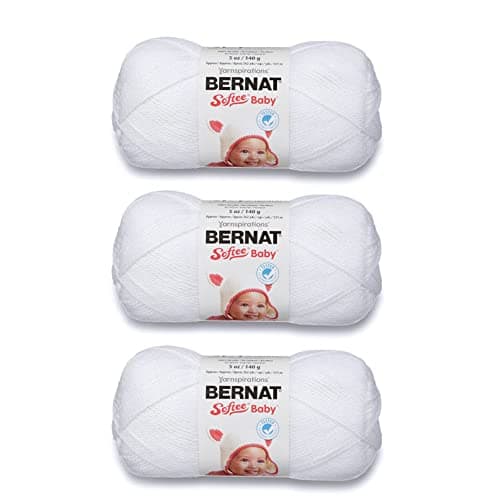
Buy machine washable, and do not apologize for it. Bernat Softee Baby is the best all-round choice - DK acrylic, 362 yards a ball, machine wash cool. If you want wool in it, Lion Brand Wool-Ease at 80/20 machine washes and machine dries. Pure untreated wool is the wrong answer here regardless of how nice it is.
| # | Product | Best for | Fiber | Yards/skein | Price |
|---|---|---|---|---|---|
| 1 | Bernat Softee Baby362 yards a ball of DK acrylic, machine wash cool - the practical default. | A blanket that gets washed constantly | 100% acrylic | 362 | $23.48 - View on Amazon#ad disclosure - price as of October 20, 2026 |
| 2 | 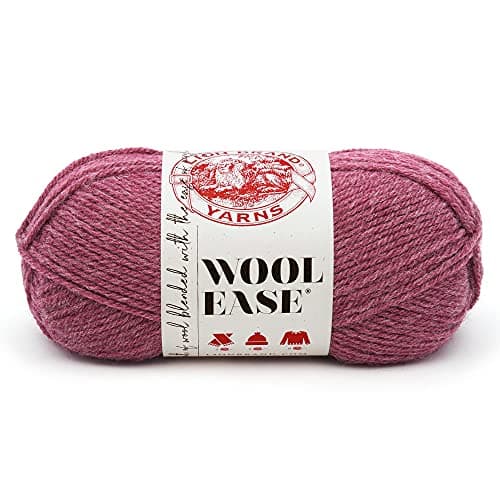 Lion Brand Wool-Ease80/20 acrylic-wool that machine washes and machine dries. Lion Brand Wool-Ease80/20 acrylic-wool that machine washes and machine dries. | Warmth with machine care | 80% acrylic, 20% wool | 197 | $11.77 - View on Amazon#ad disclosure - price as of October 20, 2026 |
| 3 | 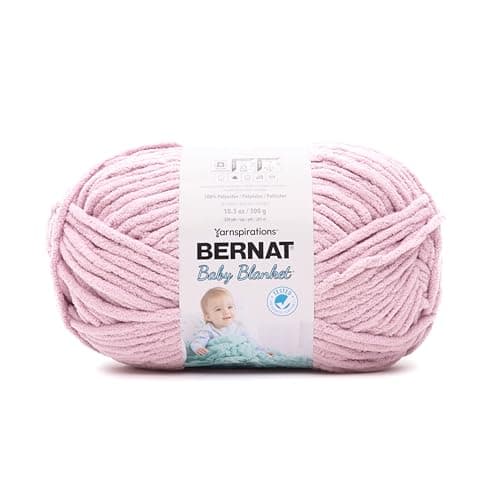 Bernat Baby BlanketSuper bulky chenille - very fast, very soft, and only 72 yards a ball. Bernat Baby BlanketSuper bulky chenille - very fast, very soft, and only 72 yards a ball. | A blanket finished this month | 100% polyester | 72 | $9.86 - View on Amazon |
| 4 | 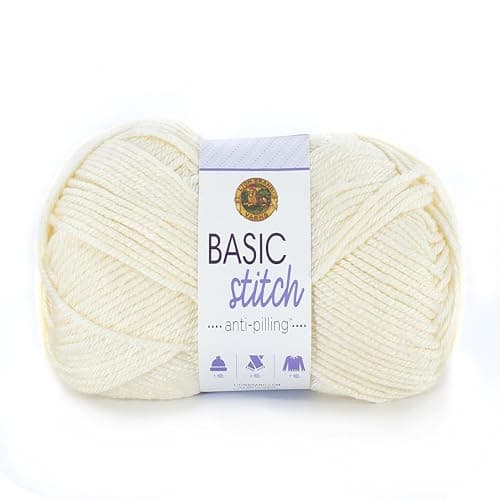 Lion Brand Basic Stitch Anti-PillingAcrylic engineered for pilling resistance, in a standard 185-yard skein. Lion Brand Basic Stitch Anti-PillingAcrylic engineered for pilling resistance, in a standard 185-yard skein. | A blanket that stays looking new | 100% acrylic | 185 | $5.99 - View on Amazon |
| 5 | 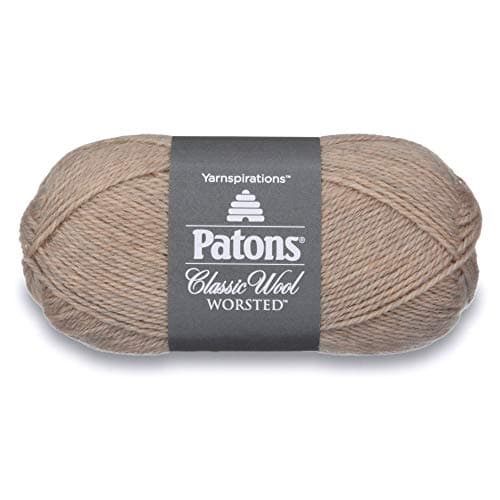 Patons Classic Wool WorstedBeautiful wool, and one hot wash from being a felted mat. Patons Classic Wool WorstedBeautiful wool, and one hot wash from being a felted mat. | Not baby blankets | 100% wool | 194 | $11.79 - View on Amazon#ad disclosure - price as of October 20, 2026 |
Bernat Softee Baby
Bernat · Best for a blanket that gets washed constantly
A DK-weight acrylic with 362 yards to the 140g ball - the practical default for anything a baby will wear and a parent will wash constantly.
- Fiber
- 100% acrylic
- Weight
- 3 DK / light
- Ball
- 5oz / 140g, 362yd / 331m (solids)
- Gauge
- 22 sts x 30 rows on 4mm (US 6)
- Hook
- 4mm (US G/6), 16 sc x 19 rows
- Care
- Machine wash cool, dry flat
Who it suits
Anyone making a blanket for a baby who will actually use it, which is to say anyone making a baby blanket.
Why it is here
100% acrylic at DK weight, 362 yards to a 140g ball, 22 sts x 30 rows on 4mm. That yardage matters - a baby blanket at 36 x 42in is around 1,500 square inches, and a 362-yard ball goes a long way toward it.
What you give up
Machine wash cool and dry flat per the published care - not the tumble-dry-anything that a heavier acrylic allows. It is also DK rather than worsted, so it works up slower.
Specifications from Yarnspirations product page. We have not handled this item - see how we pick.
Lion Brand Wool-Ease
Lion Brand · Best for warmth with machine care
An 80/20 acrylic-wool worsted that machine washes and dries, and is the single most sensible first step away from all-acrylic.
- Fiber
- 80% acrylic, 20% wool (solids, heathers, twists)
- Weight
- 4 Medium / worsted
- Skein
- 3oz / 85g, 197yd / 180m
- Sold as
- Single skein on the listing we link
- Gauge
- 18 sts x 24 rows on US 8 (5mm)
- Hook
- J-10 (6mm), 13.2 sc x 16 rows
- Care
- Machine wash, water not above 105F; machine dry
Who it suits
Anyone who wants natural fiber in a baby gift without handing over a hand-wash-only object.
Why it is here
80% acrylic, 20% wool, and the published care is machine wash with water not above 105F plus machine dry - the only yarn here that survives a dryer without qualification.
What you give up
197 yards to a 3oz skein is modest, so the ball count runs higher than the pure acrylics. The wool content is also enough to matter if the family has a wool sensitivity.
Specifications from Lion Brand product page. We have not handled this item - see how we pick.
Bernat Baby Blanket
Bernat · Best for a blanket finished this month
The same chenille construction in a 100g ball, sold for baby projects - 72 yards a ball, so budget the ball count before you start.
- Fiber
- 100% polyester
- Weight
- 6 Super Bulky
- Ball
- 3.5oz / 100g, 72yd / 65m
- Gauge
- 8 sts x 13 rows on 8mm (US 11)
- Hook
- 8mm (US L/11), 7 sc x 8 rows
- Care
- Machine wash delicate, tumble dry gentle
Who it suits
Anyone who needs a finished blanket in a hurry, and does not mind a plain stitch pattern.
Why it is here
100% polyester chenille at category 6 super bulky, 8 sts x 13 rows on 8mm. At that gauge a blanket grows fast, and the fabric is genuinely soft.
What you give up
72 yards to a 100g ball is the lowest yardage on this page by a distance - count the balls before you commit. Chenille also has zero stitch definition and will worm if your tension is loose.
Specifications from Yarnspirations product page. We have not handled this item - see how we pick.
Lion Brand Basic Stitch Anti-Pilling
Lion Brand · Best for a blanket that stays looking new
An acrylic worsted sold specifically on its pilling behavior, which is the one complaint that ends most acrylic garments.
- Fiber
- 100% acrylic
- Weight
- 4 Medium / worsted
- Skein
- 3.5oz / 100g, 185yd
- Gauge
- 18 sts x 26 rows on US 8 (5mm)
- Hook
- H-8 (5mm), 16 sc x 18 rows
- Care
- Machine wash, machine dry
Who it suits
Anyone who has watched a previous baby blanket go bobbly after a month of washing.
Why it is here
100% acrylic at worsted weight, 185 yards to a 100g skein, machine wash and machine dry. The manufacturer specifies it as an anti-pilling acrylic - a smoother, more tightly constructed yarn with fewer loose ends to migrate.
What you give up
We have not tested the pilling claim and have found no independent testing that quantifies it. Buy it as a smooth, tightly-plied acrylic, which it demonstrably is, rather than as a yarn that cannot pill.
Specifications from Lion Brand product page. We have not handled this item - see how we pick.
Patons Classic Wool Worsted
Patons · Best for not baby blankets
100% non-superwash wool at supermarket money. It blooms when blocked, holds a cable, and it will felt if you put it in the machine.
- Fiber
- 100% wool (not superwash)
- Weight
- 4 Medium / worsted
- Ball
- 3.5oz / 100g, 194yd / 177m
- Gauge
- 20 sts x 26 rows on 4.5mm (US 7)
- Hook
- 5mm (US H/8), 14 sc x 17 rows
- Care
- Hand wash, lay flat to dry, do not machine wash
Who it suits
Nobody, for this project. It is here because pure wool gets recommended for baby items on softness grounds, and the care regime makes it the wrong choice.
Why it is here
100% untreated wool, published care is hand wash and lay flat to dry. That is a fine instruction for a sweater you own and a hopeless one for an object a sleep-deprived parent will wash at 2am.
What you give up
If you want wool for a baby, use superwash - and even then read [does superwash wool block](/fiber-guide/blocking-superwash-wool) first, because it grows.
Specifications from Yarnspirations product page. We have not handled this item - see how we pick.
The one constraint that outranks everything
A baby blanket is washed constantly, at short notice, by someone who is tired. Any yarn whose care label requires attention will eventually meet a hot cycle, and untreated wool that meets a hot cycle is no longer a blanket.
This is the clearest case in the whole craft where the cheap fiber is genuinely the right one. Acrylic is not a compromise on a baby blanket; it is the correct specification. We would rather say that than sell an upgrade that ends up felted.
Washable, and what that means on a label
Care instructions vary more than people expect, even among the acrylics here:
| Yarn | Published care |
|---|---|
| Bernat Softee Baby | Machine wash cool, dry flat |
| Lion Brand Wool-Ease | Machine wash (not above 105F), machine dry |
| Lion Brand Basic Stitch Anti-Pilling | Machine wash, machine dry |
| Bernat Baby Blanket | Machine wash delicate, tumble dry gentle |
| Patons Classic Wool | Hand wash, lay flat to dry |
Only two of these tolerate an unqualified machine dry. If the blanket is a gift and you will not be there to explain, that is worth weighting heavily.
Softness, and what actually causes itch
Parents worry about softness, and the worry is reasonable but usually misdirected. Prickle in animal fibers comes from fiber ends coarser than about 30 micrometers pressing into skin. Acrylic has no such structure - it is a smooth extruded filament - so a soft acrylic is soft for a structural reason, not a marketing one.
If the family has raised a wool sensitivity, that is a further reason to stay with acrylic or to choose fine superwash merino rather than a generic wool. Can acrylic yarn cause allergies covers what the dermatology literature actually documents, which is mostly dyes rather than fibers.
Size and yardage
Common finished sizes, with the area you will actually be covering:
| Type | Finished size | Area (sq in) |
|---|---|---|
| Lovey | 12 x 12in | 144 |
| Pram / stroller | 30 x 35in | 1,050 |
| Crib | 30 x 45in | 1,350 |
| Baby blanket | 36 x 42in | 1,512 |
Multiply the area by the yards per square inch you measure from your own swatch, add 10 to 15 percent, then divide by the yardage in the comparison table above. The full method is in how much yarn do I need - and note how badly the chenille yarns skew the ball count at 72 yards each.
Safety, briefly and practically
- No loose fringe, no long tassels, no buttons. Anything that can be pulled off and swallowed does not belong on a baby blanket.
- Weave ends in securely and generously. A blanket that gets washed weekly works ends loose.
- Prefer a dense stitch over an open lace pattern. Fingers and toes catch in large open work.
- Wash the finished blanket before giving it. It removes loose surface dye and processing residue, which is the cheapest sensitivity precaution there is.
How we picked
Every specification here came from the manufacturer's own published product page, and we ranked on care first, yardage second and hand third - in that order, because that is the order in which they decide whether a baby blanket survives. We have not handled or washed any of these yarns; how we pick is the full method.
If you are choosing between knitting and crocheting it, knitting vs crochet covers the difference in speed and yarn consumption. For a hook, best crochet hooks for beginners; for needles, best circular knitting needles.
Questions people actually ask
What is the best washable yarn for a baby blanket?
Bernat Softee Baby for a DK-weight blanket, or Lion Brand Wool-Ease if you want some wool and need it to survive a tumble dryer. Both are machine washable, and Wool-Ease is the one whose published care allows machine drying without qualification.
Is acrylic yarn safe for babies?
Acrylic is widely used for baby items and the fiber itself is rarely implicated in skin reactions - documented textile reactions are mostly to dyes and finishes. Wash the finished blanket before use, which removes loose surface dye.
Should I use wool for a baby blanket?
Only superwash wool, and only if you are confident it will be washed correctly. Untreated wool felts in a machine, and a baby blanket will meet a machine.
How much yarn do I need for a baby blanket?
A 36 x 42in blanket is 1,512 square inches. Measure yards per square inch from your own swatch, multiply, add 10 to 15 percent, then divide by your yarn's yards per skein. Chenille yarns need far more balls than the yardage suggests.
Is chenille yarn good for baby blankets?
It is fast and soft, and it worms if your tension is loose - loops of yarn work out of the fabric surface. Keep the tension firm and the stitch simple, and count the balls first: 72 yards each adds up quickly.