Best crochet hooks
Best Crochet Hooks
Inline against tapered heads, grip diameters compared, and which set covers the sizes you need.
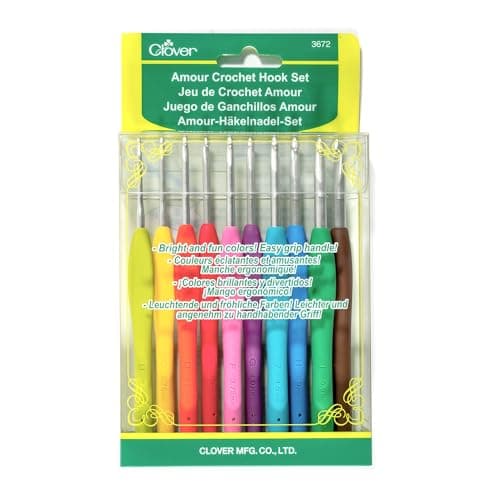
Top pick: Clover Amour Crochet Hook Set
$50.83 - View on Amazon#ad disclosure - price as of October 20, 2026
Head shape, grip diameter, set coverage - the three specs that decide whether a hook suits your hands.
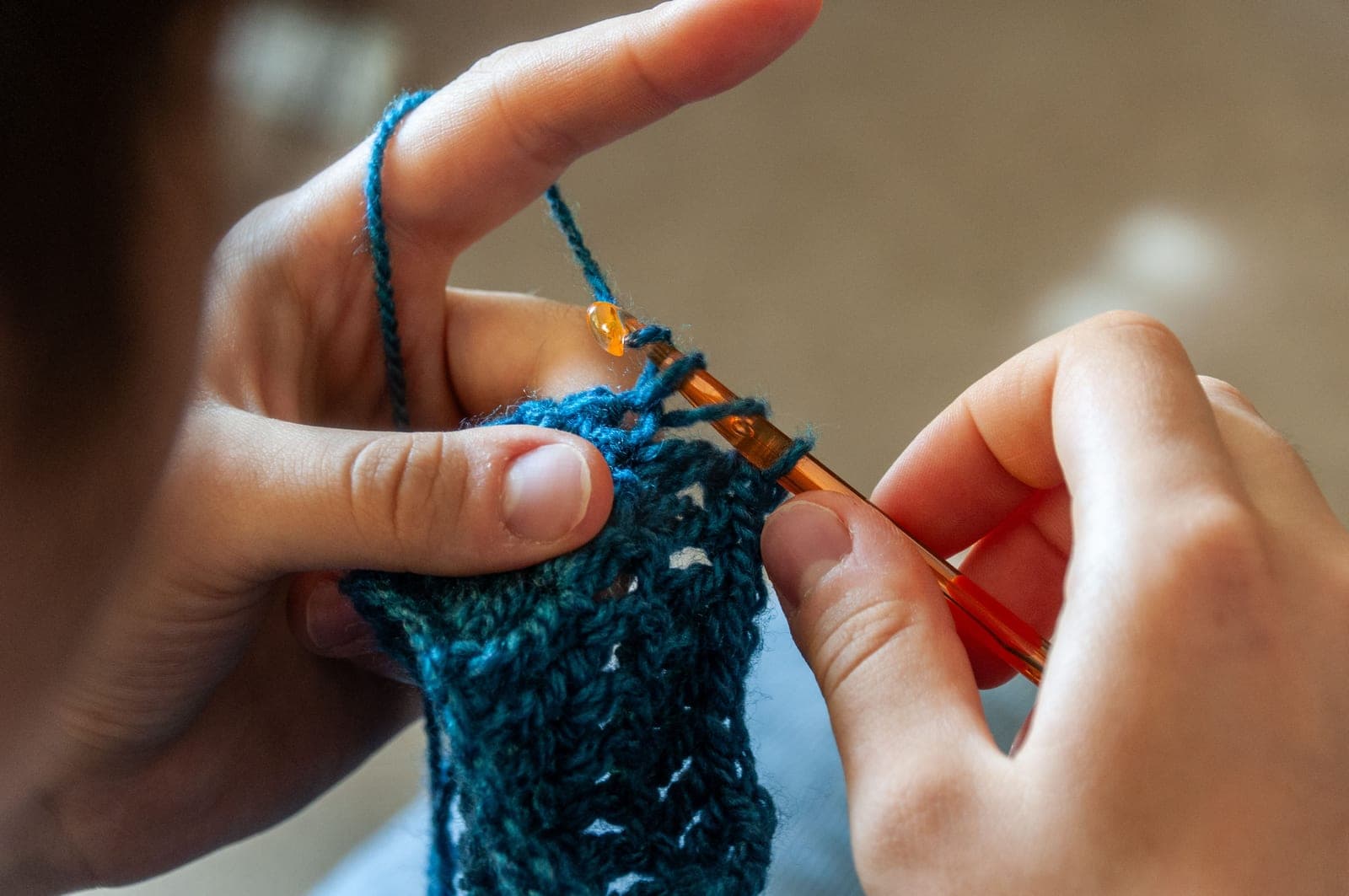
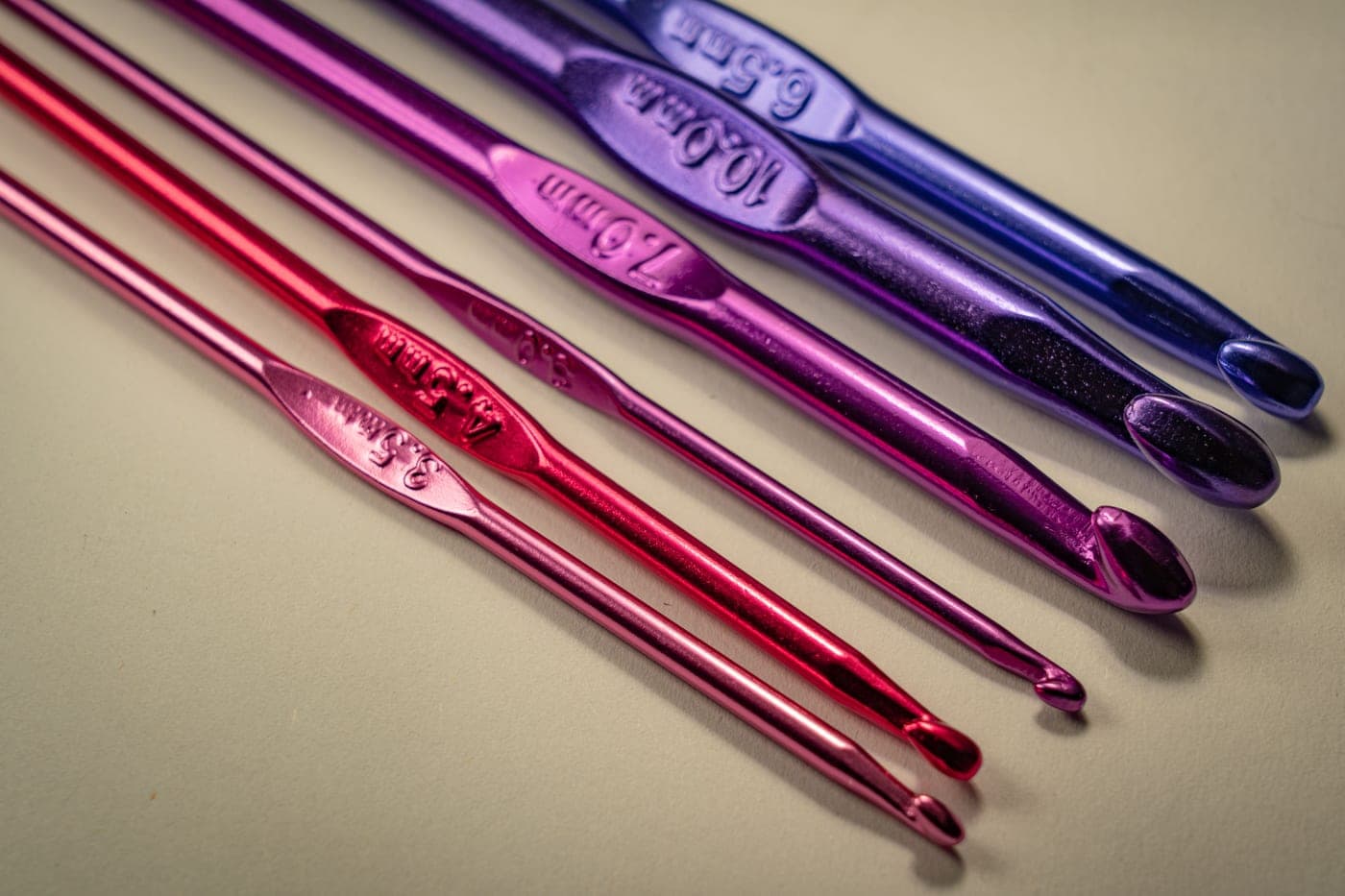
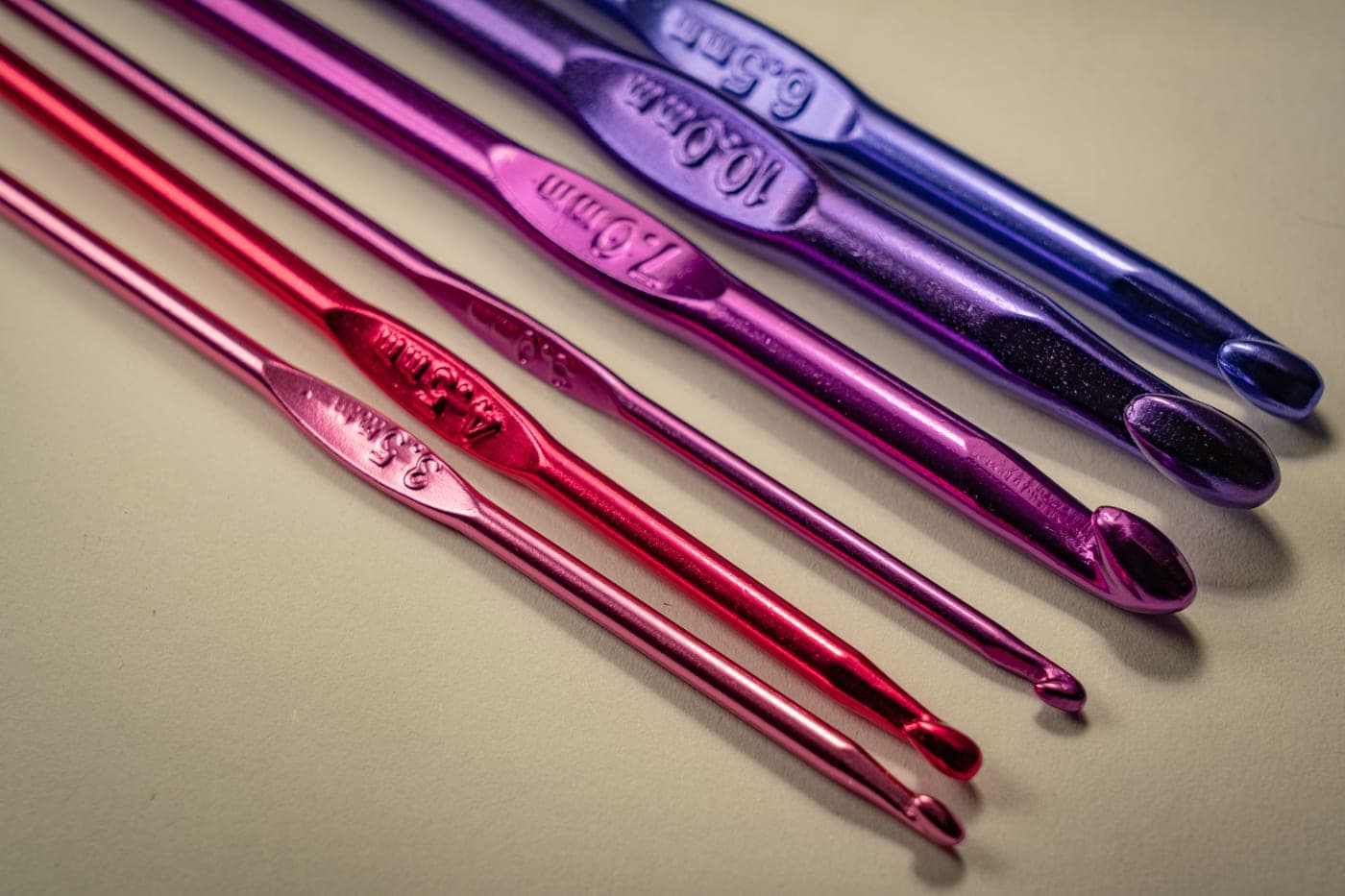
A crochet hook is two specifications that matter and several that do not. The two that matter are head shape - whether the hook is cut in-line with the shaft or set behind a tapered throat - and grip diameter, which is how much force your hand has to supply to hold it. Material, color and finish are downstream of both.
Almost every review in this category leads with material. That is the wrong order. Aluminum versus bamboo changes how fast the yarn moves; head shape changes whether your yarn splits, and grip diameter changes whether your hand hurts after an hour. Those two are the decisions.
This section covers the sets worth buying, what each head shape does, and the sizing that amigurumi and blankets deliberately break.
Disclosure: we earn a commission when you buy through the links on this page, at no extra cost to you. It never decides what we recommend or how we rank it - read the full disclosure.
Best crochet hooks
Inline against tapered heads, grip diameters compared, and which set covers the sizes you need.
Top pick: Clover Amour Crochet Hook Set
Best beginner hooks
The one hook to start with, the sets worth buying second, and why big sets are a trap.
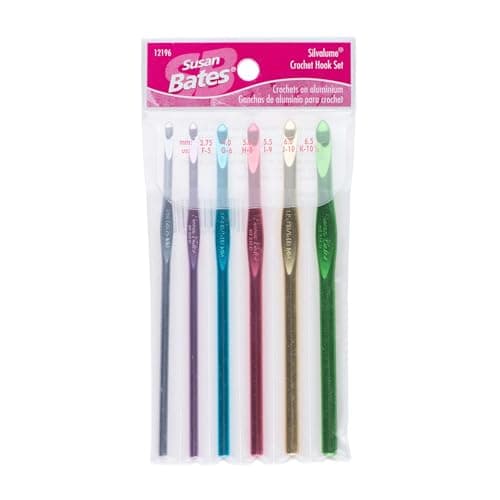
Top pick: Susan Bates Silvalume Aluminum Crochet Hooks
Best ergonomic hooks
Grip diameter compared across the ergonomic hooks, and whether the premium ones are worth it.
Top pick: Clover Amour Crochet Hook Set
Best hooks for arthritis
The largest published grip diameters, why weight matters, and the technique changes that help.
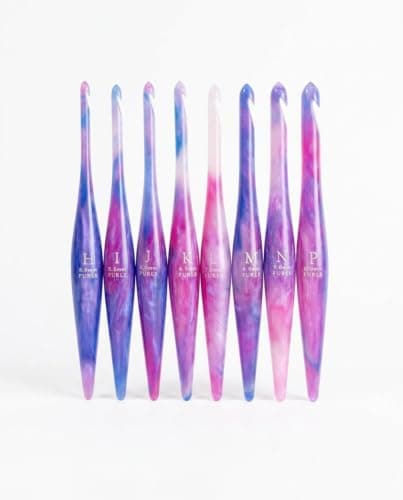
Top pick: Furls Streamline Resin Crochet Hook
Best for amigurumi
Head shape and grip for deliberately tight stitches, the sizes amigurumi actually uses, and one hook not to buy.
Top pick: Clover Amour Crochet Hook Set
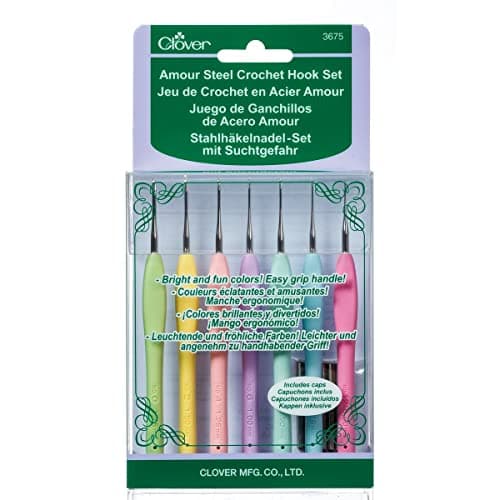
Best steel hooks
Thread hooks explained: the reversed numbering, the sub-2mm sizes, and which set to buy for doilies and edgings.
Top pick: Clover Amour Steel Crochet Hook Set
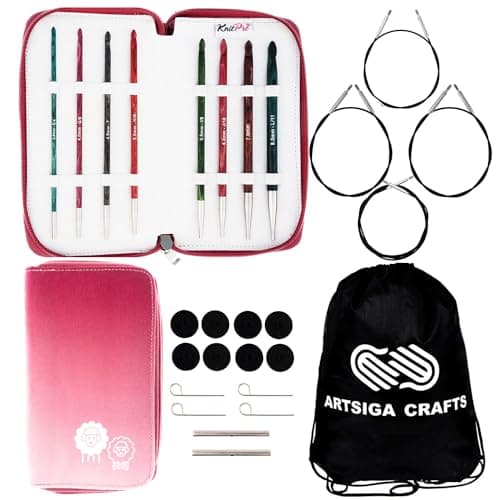
Best Tunisian hooks
Why Tunisian needs a long hook or a cable, which set covers a blanket, and how to test the stitch before buying anything.
Top pick: Knitter's Pride Dreamz Interchangeable Tunisian Crochet Hook Set
Best hooks for kids
Hook size by age, grip, head shape for small hands, and the hooks and yarns to keep away from a beginner.
Top pick: Clover Amour Crochet Hook Set
Best hook for DK
Hook size for DK, why the head shape matters at this gauge, and the hooks that cover it.
Top pick: Clover Amour Crochet Hook Set
Best hook for worsted
Hook size for worsted, why grip matters at this weight, and which hook to buy for long sessions.
Top pick: Clover Amour Crochet Hook Set
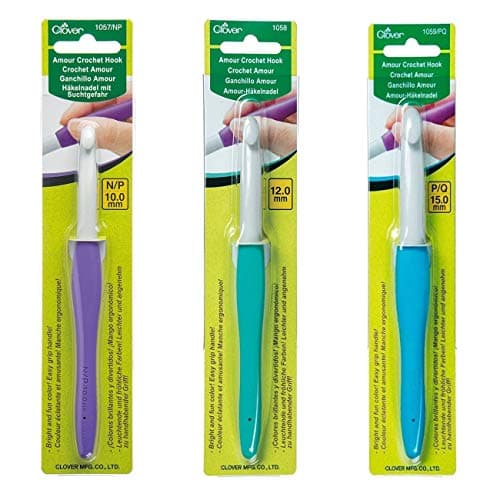
Best jumbo hooks
What counts as jumbo, which hooks exist above 10mm, why they are plastic, and what the fabric is actually good for.
Top pick: Clover Amour Jumbo Crochet Hook Set (10mm, 12mm, 15mm)
Best budget hooks
What actually costs money in a hook, which cheap options are genuinely good, and where spending nothing costs you.
Top pick: Susan Bates Silvalume Aluminum Crochet Hooks
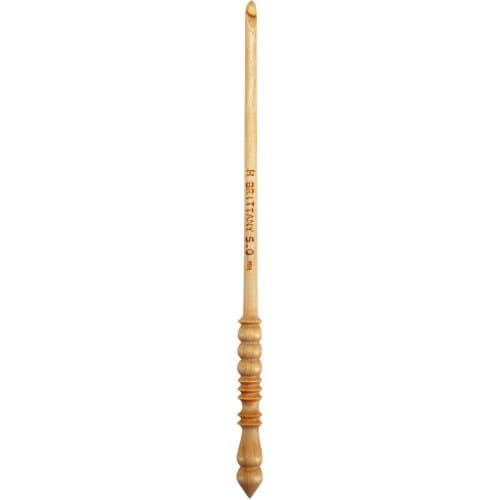
Best wooden hooks
All-wood hooks against wood-handled metal ones, what each surface does to your yarn, and which is the one worth giving.
Top pick: Brittany Birch Crochet Hook, H-8 (5mm)
Comparison
Head shape, grip, size coverage and price - the two most-bought hooks compared.
Top pick: Clover Amour Crochet Hook Set
Comparison
Aluminum, steel, bamboo, plastic and resin compared on glide, warmth, weight and which yarn each suits.
Top pick: Clover Amour Crochet Hook Set
Guide
Hook size per yarn weight for blankets, why going up a size helps, and the yardage effect.
Top pick: Clover Amour Crochet Hook Set
Best hook for blanket yarn
Hook size for chenille, why head shape matters more here, and comfort on a long project.
Top pick: Susan Bates Silvalume Aluminum Crochet Hooks
Guide
Why chenille worms, the hook size that prevents it, and how to fix loops that have already pulled out.
Top pick: Susan Bates Silvalume Aluminum Crochet Hooks
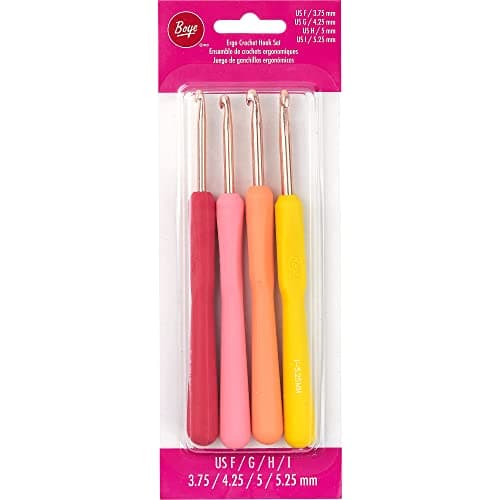
Best hook for acrylic
Why acrylic splits, which head shape stops it, and the hook size worsted acrylic actually wants.
Top pick: Boye Ergonomic Crochet Hook Set, Light and Medium Yarn (40-40044)
Best hook for cotton
Why cotton is hard on hands, which head shape suits it, and hook sizes for amigurumi and dishcloths.
Top pick: Clover Amour Crochet Hook Set
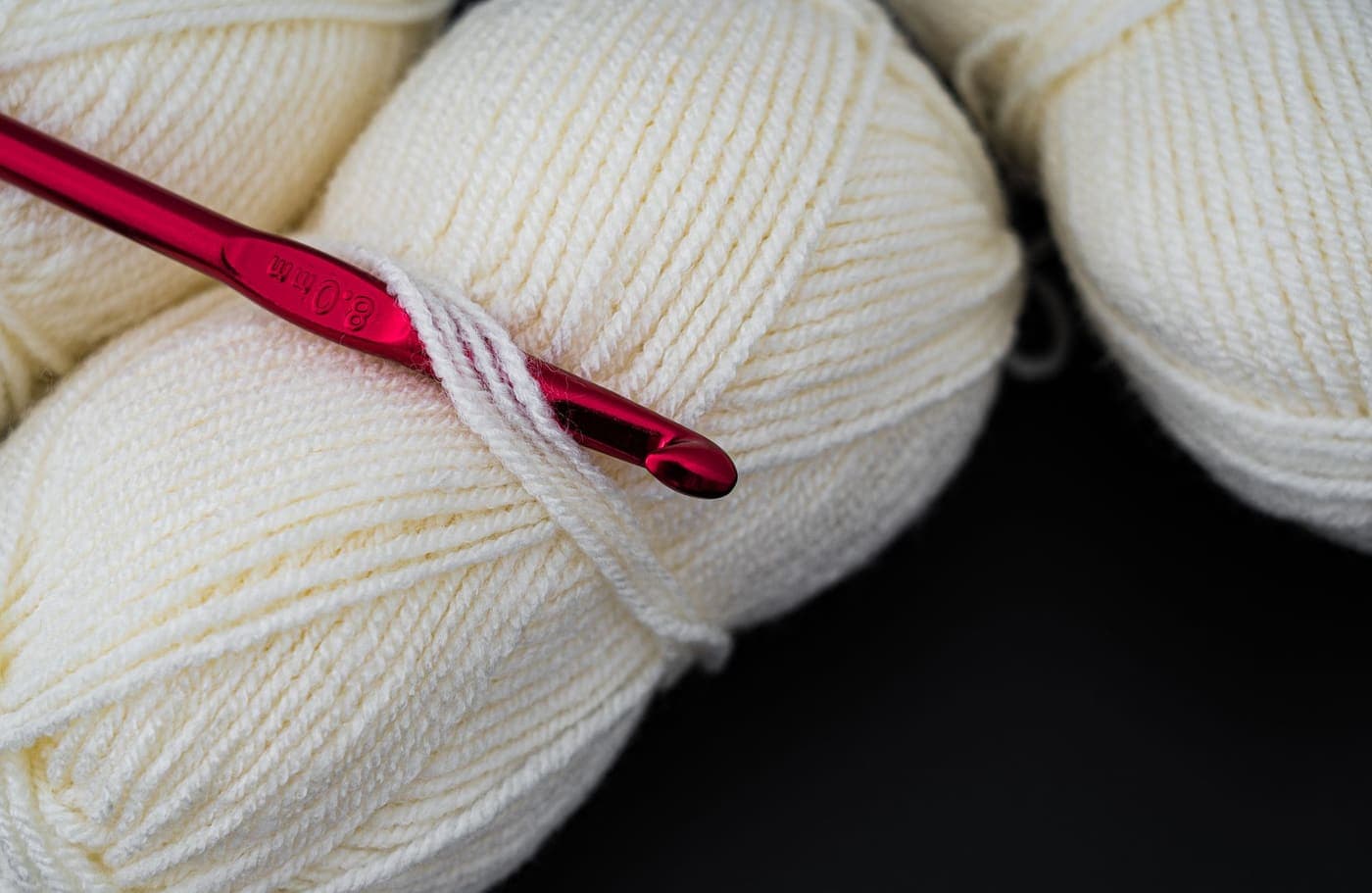
Comparison
The head geometry that decides whether a hook splits yarn or fights a tight stitch, and how to work out which you prefer.
Top pick: Susan Bates Silvalume Aluminum Crochet Hooks
Guide
Why untreated wool wants a slick metal hook, why superwash wants the opposite, and the sizes to start from.
Top pick: Susan Bates Silvalume Aluminum Crochet Hooks
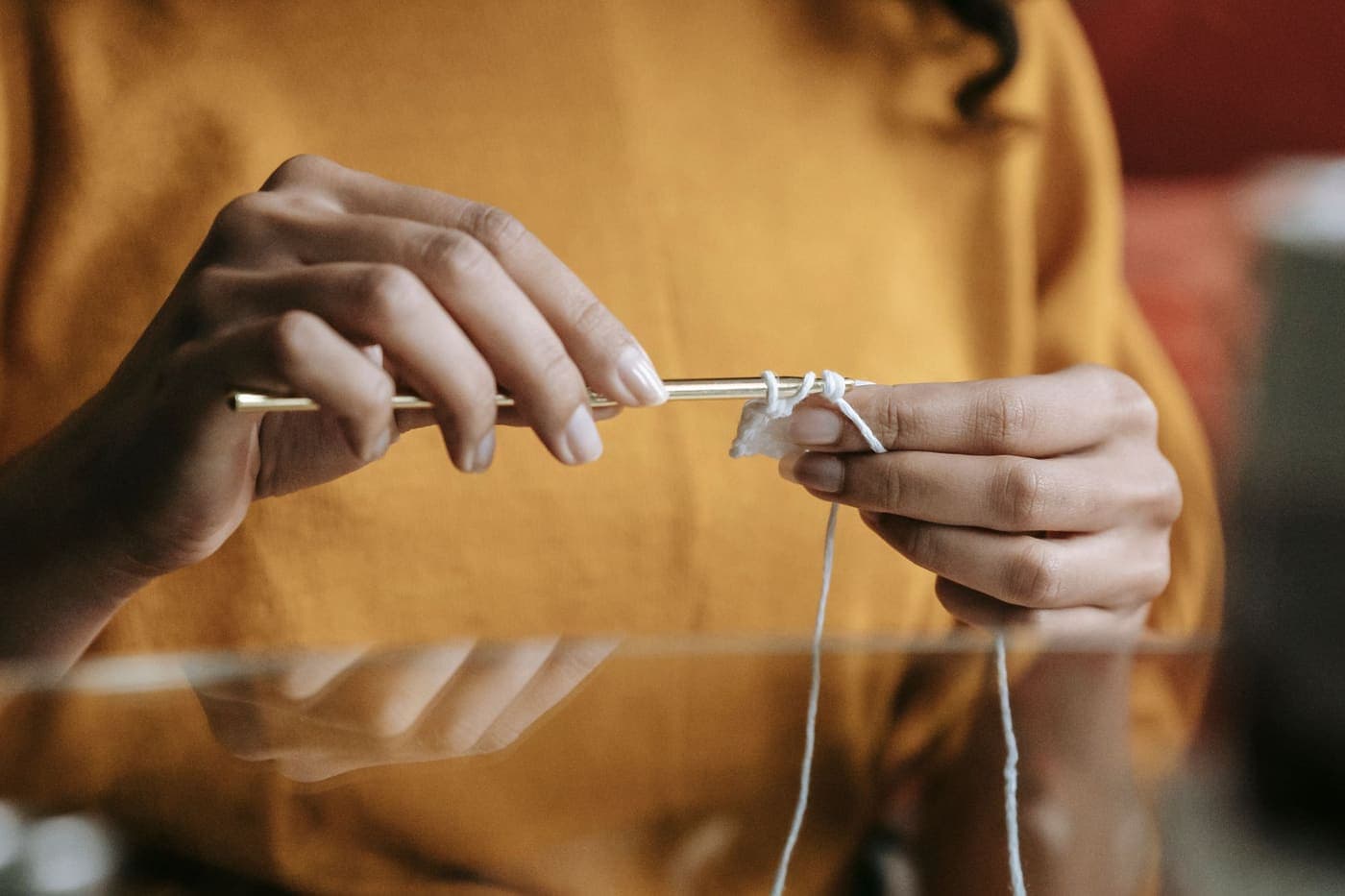
Guide
Hook sizes for fingering and sock yarn, why the head profile matters more at this gauge, and when to switch to steel.
Top pick: Clover Amour Crochet Hook Set
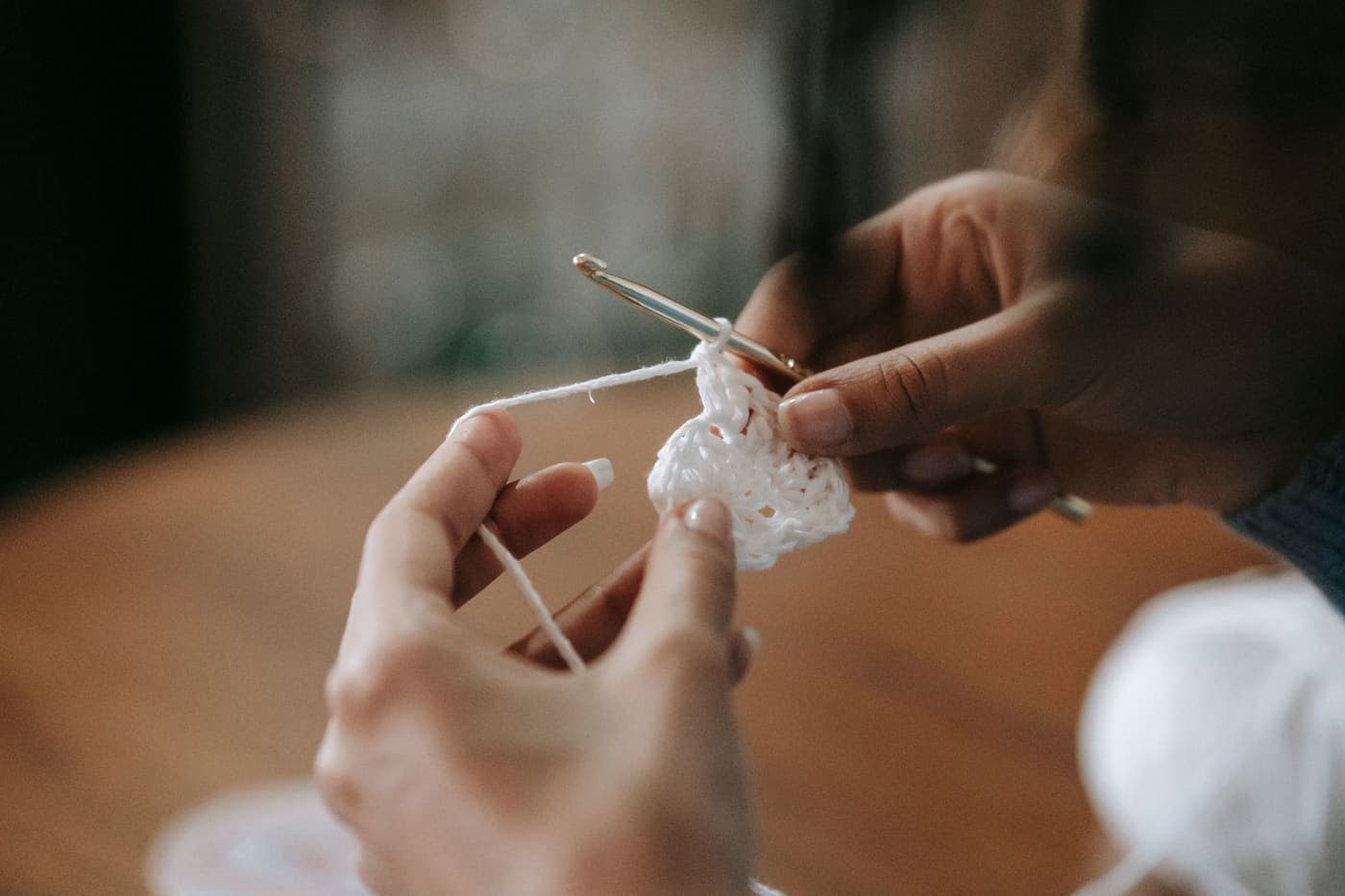
Guide
Knife grip against pencil grip, what each does to your wrist, and which hook shape each one wants.
Top pick: Clover Amour Crochet Hook Set
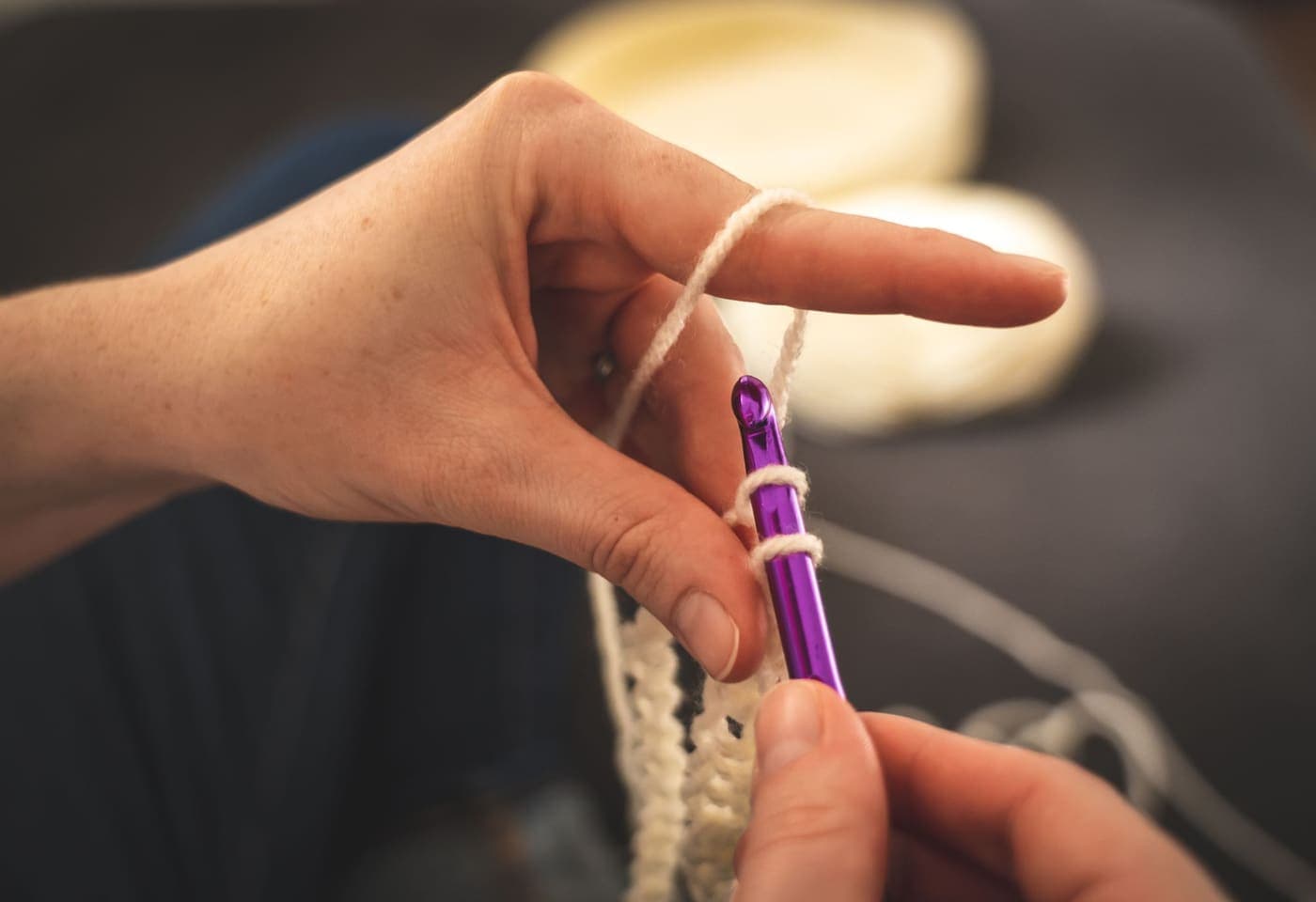
Guide
Why hooks are not handed, which grips and head shapes still matter, and how to work a right-handed pattern left-handed.
Top pick: Clover Amour Crochet Hook Set
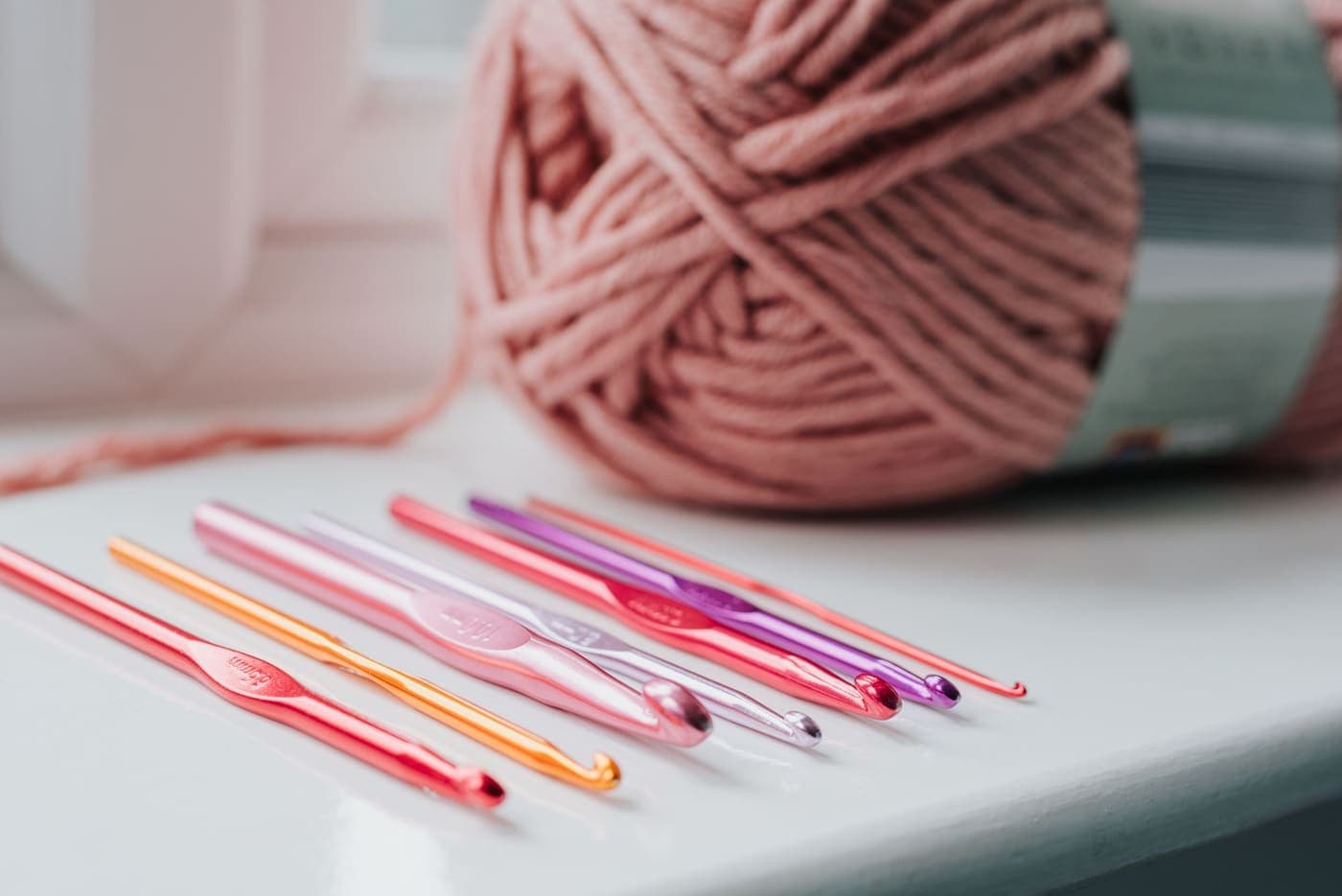
Comparison
The cost arithmetic, which three sizes cover most patterns, and the case where a set is clearly the right buy.
Top pick: Clover Amour Crochet Hook Set
Comparison
The two premium ergonomic hook sets compared on size coverage, grip, extras and what each one leaves out.
Top pick: Clover Amour Crochet Hook Set
Comparison
Handle diameter, materials, size coverage and what you actually get for the price difference.
Top pick: Furls Streamline Resin Crochet Hook
Guide
Head shape and gauge consistency over a long project, buying a spare, and the hooks that drift.
Top pick: Clover Amour Crochet Hook Set
Guide
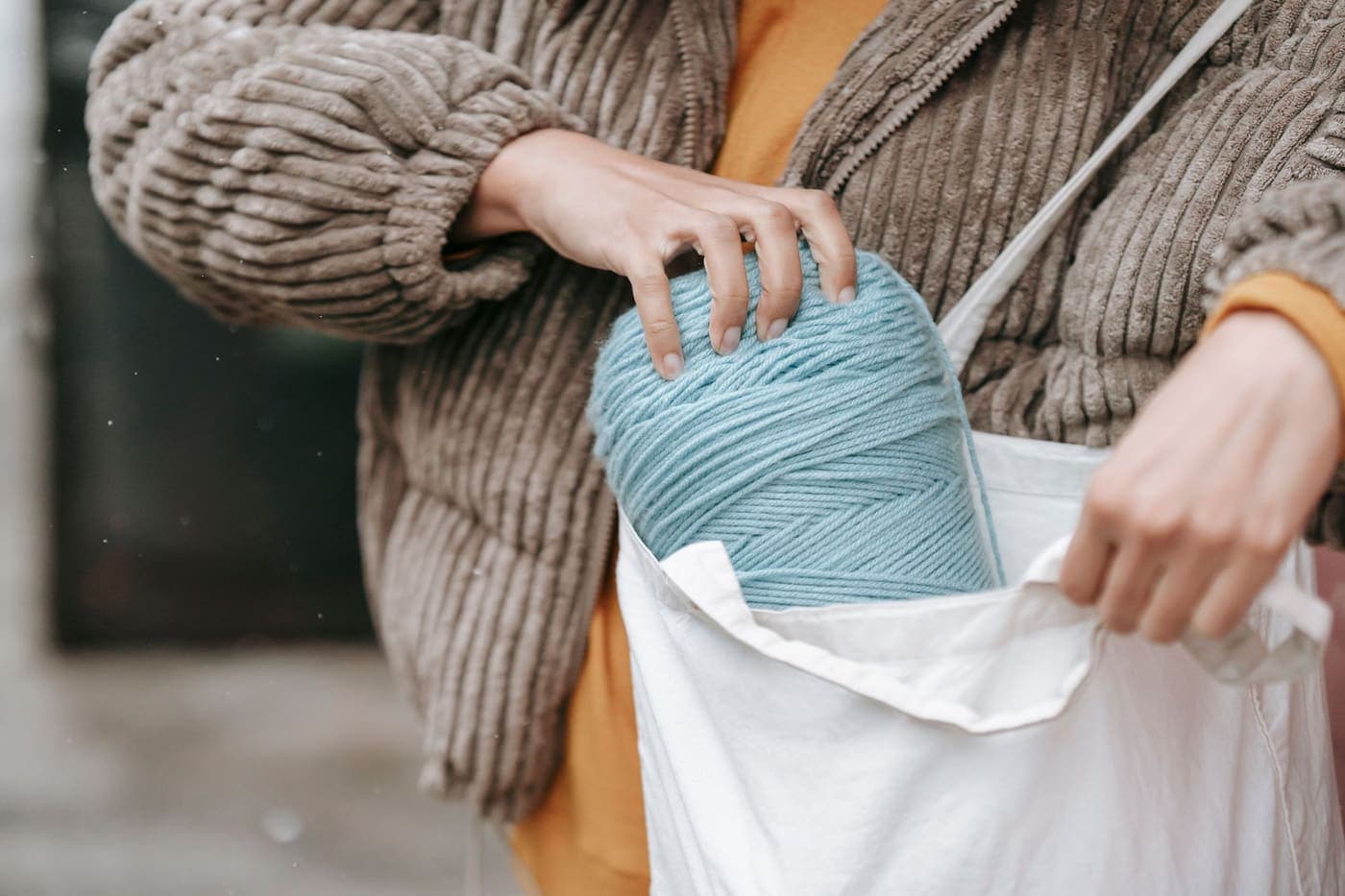
Why crochet travels better than knitting, which hook to pack, and what airport security actually cares about.
Top pick: Clover Amour Crochet Hook Set
Guide
Hook size by yarn weight for hats, the two-hook brim trick, and why gauge matters more here than on a scarf.
Top pick: Clover Amour Crochet Hook Set
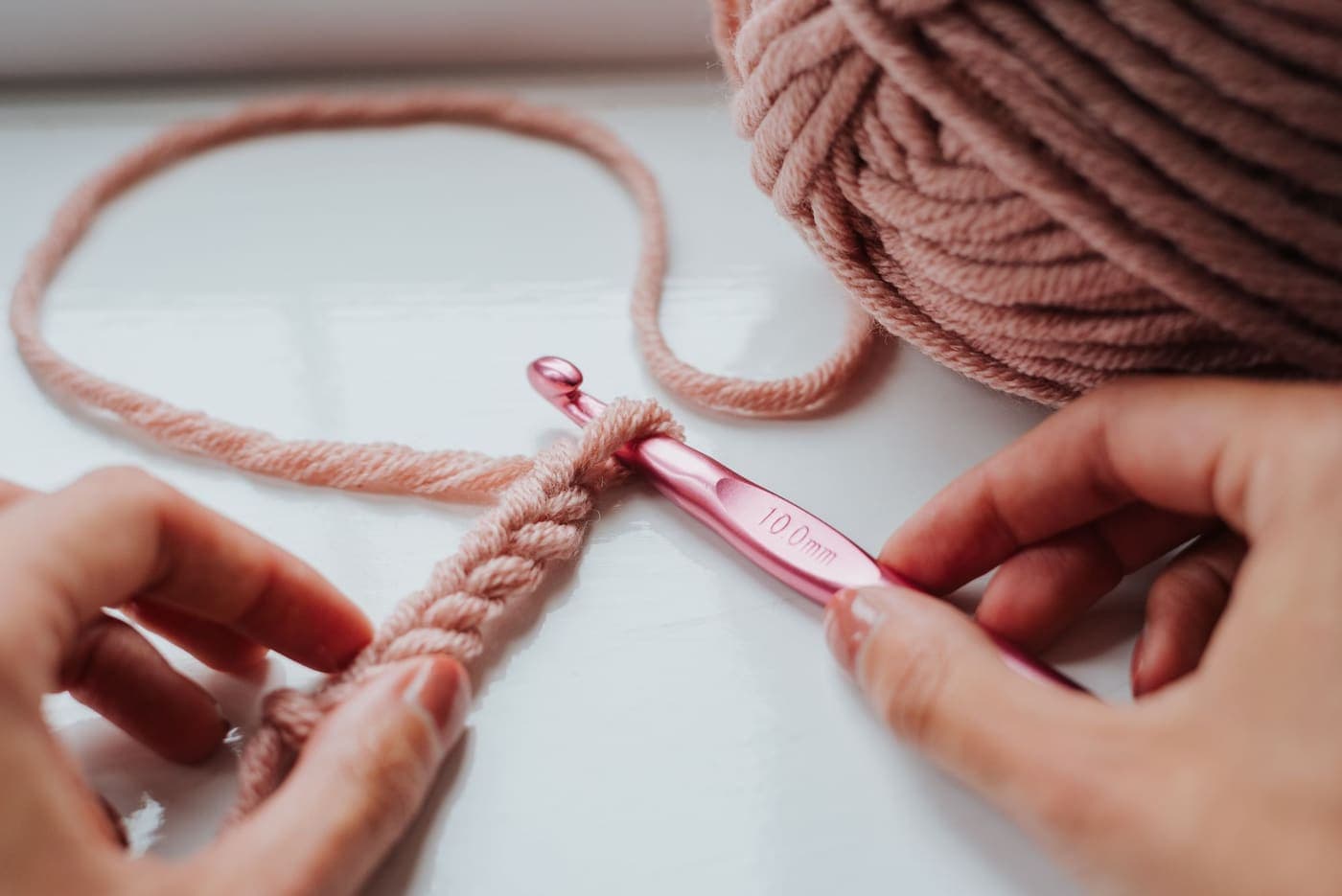
Comparison
What a molded handle changes, why diameter is the property that matters, and the cheap test before you spend anything.
Top pick: Clover Amour Crochet Hook Set
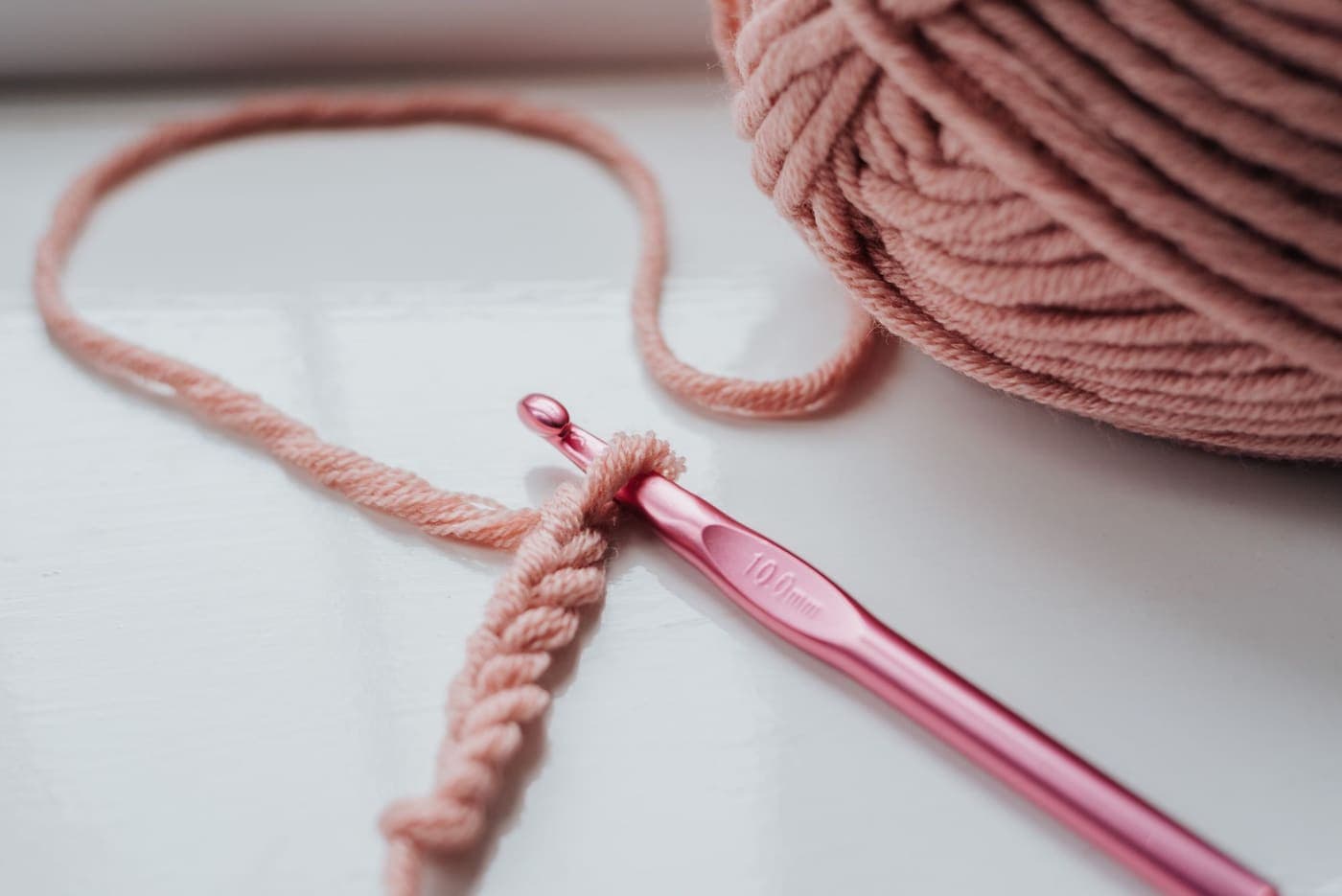
Comparison
Cushioned grip against bare aluminum, metric steps against lettered sizes, and who each one actually suits.
Top pick: Tulip Etimo Rose Crochet Hook Set
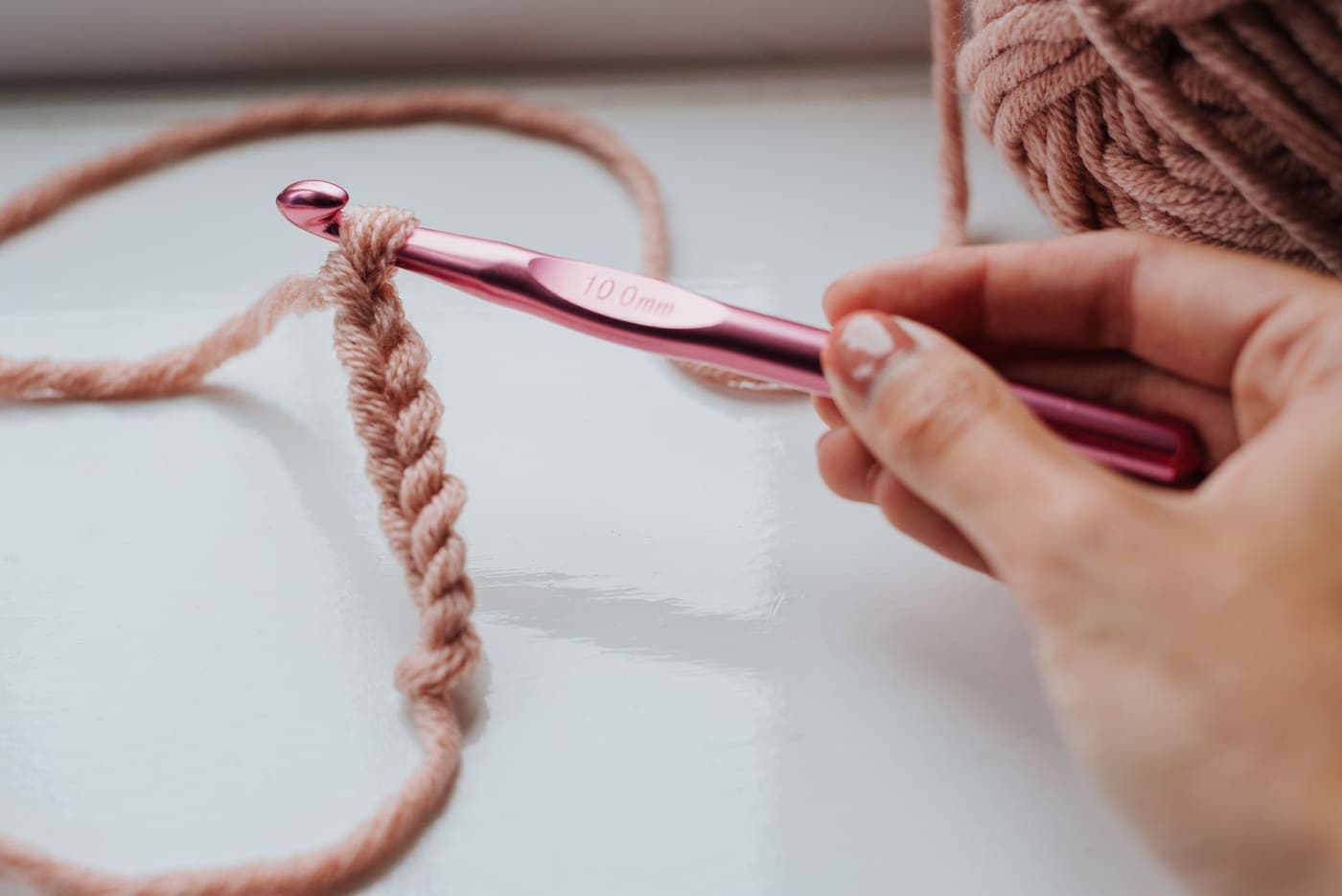
Comparison
Why a Tunisian hook is long, when a regular hook will do, and what an interchangeable cabled set changes.
Top pick: Knitter's Pride Dreamz Interchangeable Tunisian Crochet Hook Set
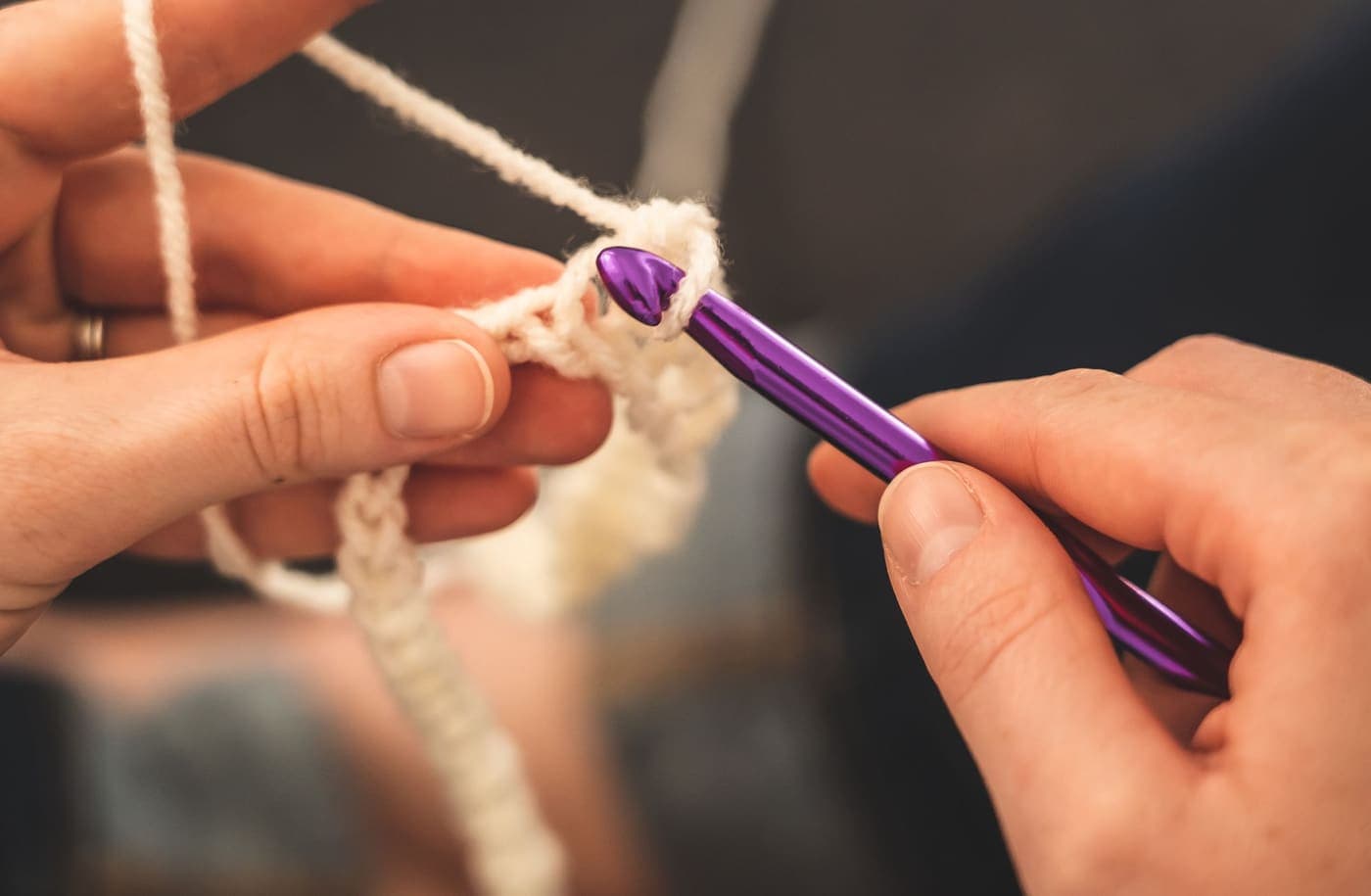
Comparison
Why steel hooks exist, why their numbers run backwards, and the sizing mistake that catches nearly everyone once.
Top pick: Susan Bates Steelite Steel Crochet Hook Set
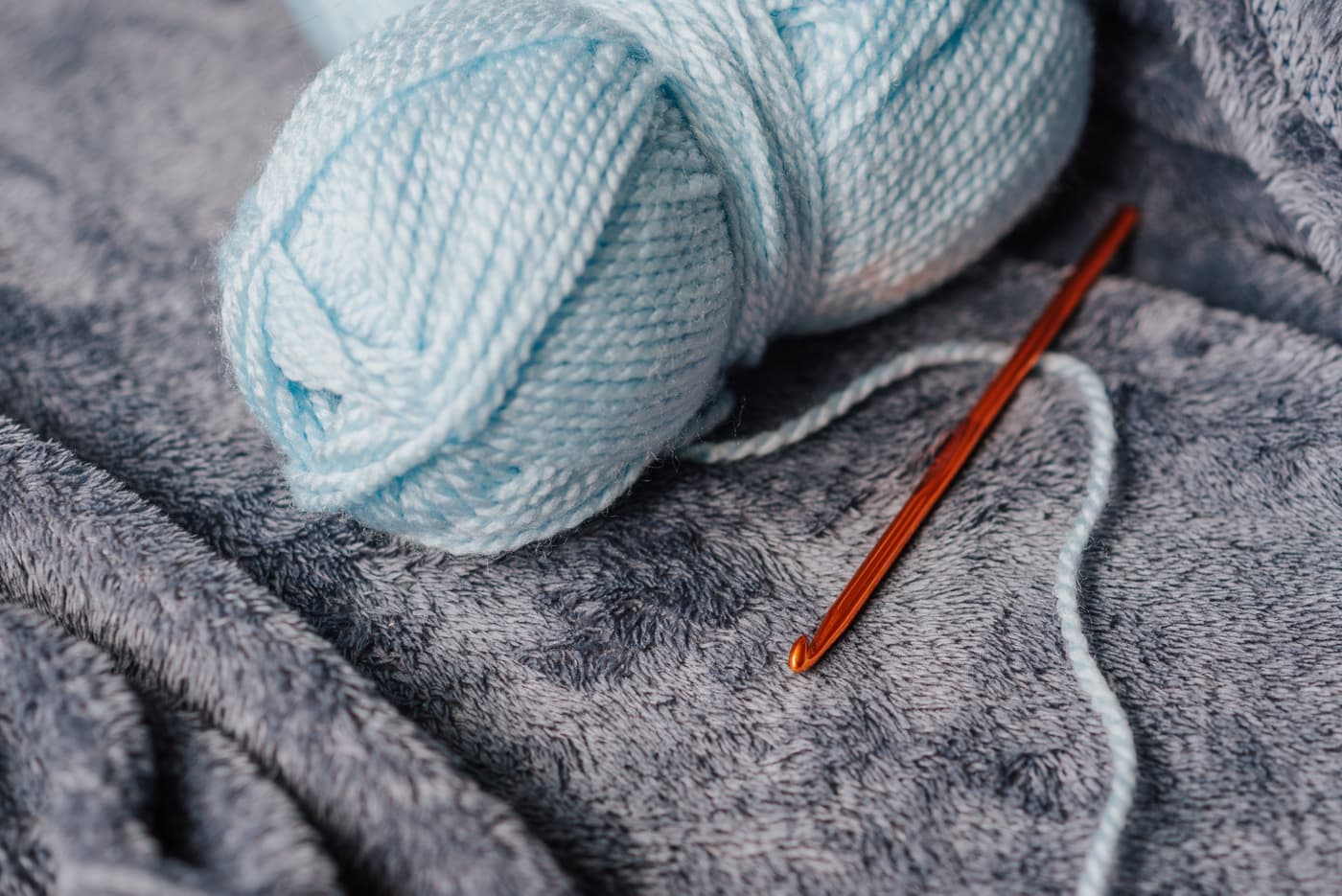
One 5mm hook - US H-8 - and a skein of smooth pale worsted yarn. Not a set. 5mm is the size most worsted labels suggest, and worsted is what every tutorial demonstrates in.
A 22-piece set is the classic first purchase and it is usually a waste: you will use the 5mm, occasionally the 4mm, and the rest will sit in the case for years. Worse, it commits you to one head shape before you know which one your hands prefer - and that is the single variable that most affects whether crochet feels comfortable.
Buying one in-line hook and one tapered hook, for a couple of dollars each, tells you more than any review can. Do that first.
In-line hooks - the Susan Bates design - have the head cut flush with the shaft. They go into tight stitches easily and hold gauge consistently, which suits tight crocheters and amigurumi. Tapered hooks - the Boye design - have a throat narrower than the shaft, which grabs the working loop more positively and splits plies less, which suits loose crocheters and soft splitty yarn.
Neither is better. One suits your hands and one fights them, and it costs almost nothing to find out which. Clover Amour vs Susan Bates is the direct comparison.
The standard maps worsted weight to 5.5 to 6.5mm (I-9 to K-10.5), and most worsted yarn labels suggest 5mm - a half size tighter, for a denser fabric. Both are reasonable, and the difference is density rather than correctness.
Two common projects deliberately break the range in opposite directions:
Both are design decisions rather than errors. The full mapping, including the steel-hook scale that runs backwards, is on the hook size chart.
3.5mm to 6.5mm covers sport, DK, worsted and the bottom of bulky, which is most published patterns and most yarn on the shelf. A set that covers that band well is more useful than a 22-piece set spanning thread hooks to jumbo. Below 2.25mm is thread crochet, a different craft; above 8mm, buy individually as projects demand.
Grip diameter is the variable, and it is worth taking seriously rather than working through. A thicker handle needs less pinch force to hold securely, and sustained pinch force is what produces the ache in the thumb web that crocheters describe.
The cheapest test costs almost nothing: slide a foam pencil grip onto a hook you already own and work a swatch. If that helps, diameter is your issue and you can buy accordingly - best ergonomic crochet hooks and best crochet hook for arthritis go through the options. Persistent pain is a question for a clinician rather than a new hook.
Before you buy anything
Everyone in this category says they tested twenty of these. We have not tested any, and we say so. What we publish instead is the manufacturers' own specifications, the arithmetic, and live prices with the date attached.
How we pick