Guide
How to Hold a Crochet Hook
Two grips, two different sets of tendons. The one you picked up by accident may not be the one that suits you.
By Sawyer V. · Published September 6, 2026
Disclosure: we earn a commission when you buy through the links on this page, at no extra cost to you. It never decides what we recommend or how we rank it - read the full disclosure.
The short answer
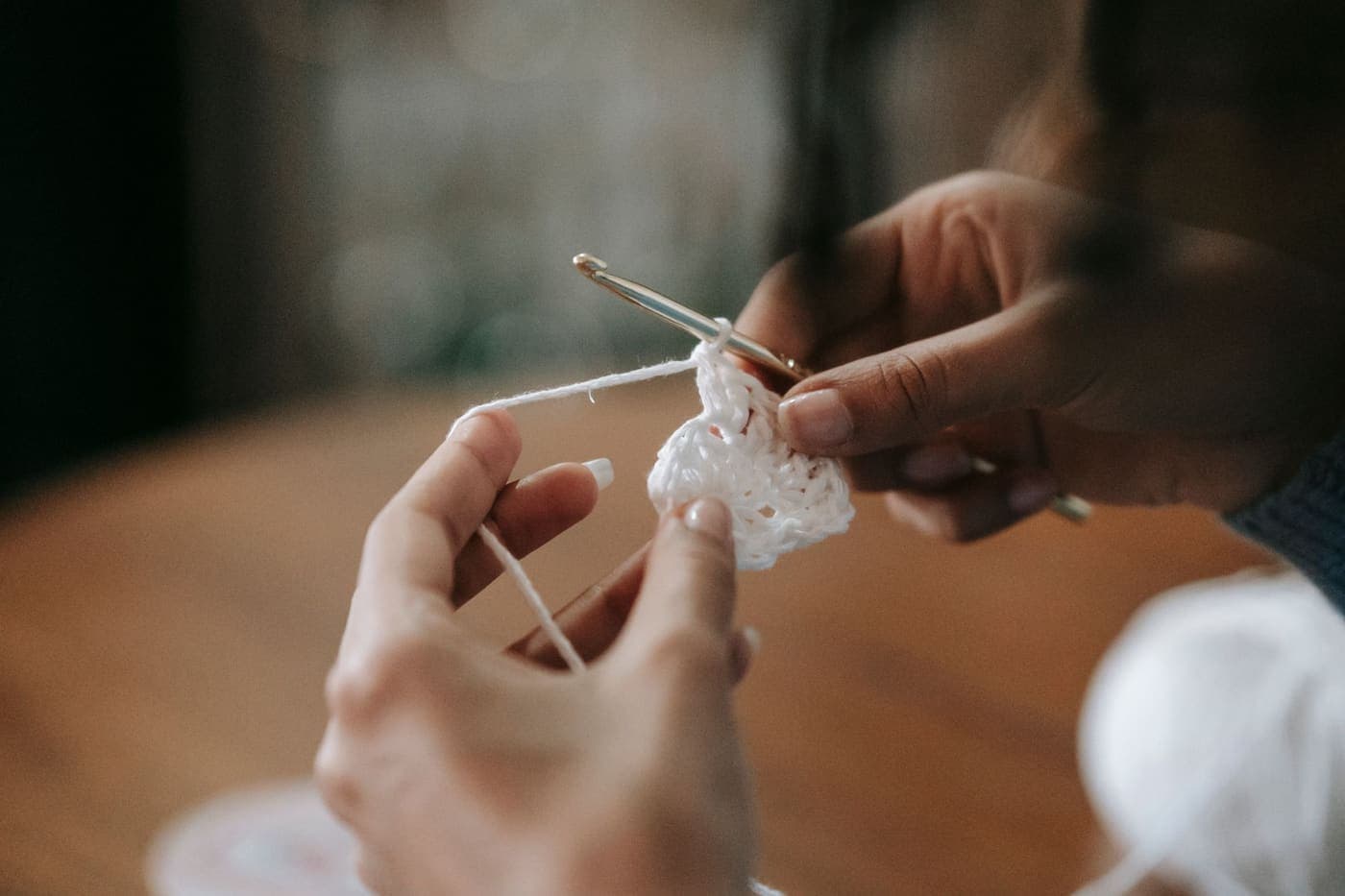
There are two grips. Knife grip holds the hook overhand like a table knife, with the handle in your palm - it uses larger muscles and suits long sessions and heavy yarn. Pencil grip holds it between finger and thumb like a pen - it gives finer control and tires the hand faster. Neither is correct; try both and keep the one that hurts less.
The two grips
Knife grip - overhand
The hook lies across the palm with the handle running under it, held the way you would hold a table knife. The thumb and index finger sit on or near the thumb rest, and the hook's motion comes largely from the wrist and forearm.
It is the more common grip and the one most video tutorials show. Because the load is spread across the palm and driven by larger muscles, it is generally the more durable grip over a long session.
Pencil grip - overhand at the tip
The hook is held between the thumb and index finger with the shaft resting against the middle finger, exactly as you would hold a pen. The motion comes from the fingers.
It gives finer control, which some people prefer for small work, and it concentrates the work in the small muscles of the hand and the base of the thumb. Over hours, that is where fatigue shows up.
The comparison
| Knife grip | Pencil grip | |
|---|---|---|
| Where the load sits | Palm, wrist and forearm | Thumb, index finger, base of thumb |
| Muscles used | Larger | Smaller and finer |
| Fatigue over hours | Slower | Faster |
| Fine control | Good | Better |
| Heavy or bulky yarn | Better - more leverage | Struggles |
| Very fine yarn or thread | Workable | Better |
| Suits handles | Thick handles, fat grips | Slim grips, thumb rests |
| Speed once fluent | Comparable | Comparable |
How the grip decides which hook to buy
This is the practical payoff, and it is why this page sits in the hooks hub rather than the guides section.
- Knife grip wants bulk. A thicker handle fills the palm and reduces how hard you have to pinch. The Furls Streamline's 16-17mm handle exists for exactly this, and it is why that hook is unusable as a pencil.
- Pencil grip wants a defined rest. A flat thumb rest, or a slim cushioned grip such as the Tulip Etimo, gives the thumb and finger a place to sit without gripping the round shaft.
- Either grip is served by a molded elastomer handle. The Clover Amour is the safe answer when you do not yet know which you are, which is why it is our general top pick.
What your other hand is doing
Half the grip question is the yarn hand, and it gets discussed far less.
The working yarn has to be under consistent tension, and how you achieve that is the single largest cause of uneven gauge in crochet. Most people wrap the yarn around the little finger, run it across the palm, and let it come over the index finger, which acts as the tensioning point.
If your stitches vary in size for no visible reason, the fault is much more likely to be in the yarn hand than in the hook hand. Practicing with a smooth, plied yarn makes this easier to feel - see best yarn for beginners.
Signs your grip is working against you
- Aching at the base of the thumb. Classic pencil-grip fatigue. Try switching to knife grip, or move to a thicker handle.
- Aching across the top of the forearm. Usually knife grip combined with a very tight tension. Go up a hook size before you change anything else.
- White knuckles. You are gripping far harder than the work requires. A cushioned handle makes this less tempting; consciously loosening makes it go away.
- Numb or tingling fingers. Stop. That is nerve compression, and it is the one symptom on this list that does not respond to a different hook.
Our best crochet hook for arthritis page covers load reduction in more detail, and much of it applies to healthy hands doing too much.
Switching grips is worth the week it costs
If your current grip hurts, changing is genuinely feasible and takes about a week of feeling clumsy. That is a small price against the alternative.
Start with a large hook and chunky yarn, where the movements are big and slow, and work a few rows of double crochet in the new grip each session before returning to your project. The muscle memory transfers faster than people expect - the awkwardness is mostly the first two evenings.
The hook that suits each grip
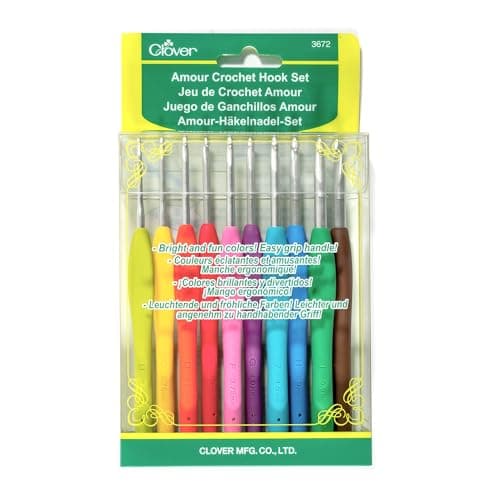
Clover Amour Crochet Hook Set
Works with either grip - the molded elastomer handle is symmetrical and thick enough for a knife hold.
$49.67 - View on Amazon#ad disclosure - price as of October 22, 2026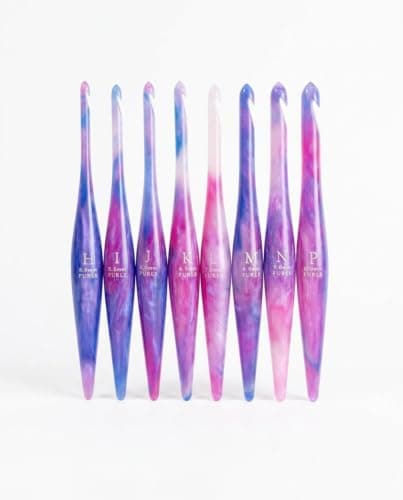
Furls Streamline Resin Crochet Hook
Knife grip specifically: a 16-17mm handle is too fat to hold like a pencil and that is the point.
$34.99 - View on Amazon#ad disclosure - price as of October 22, 2026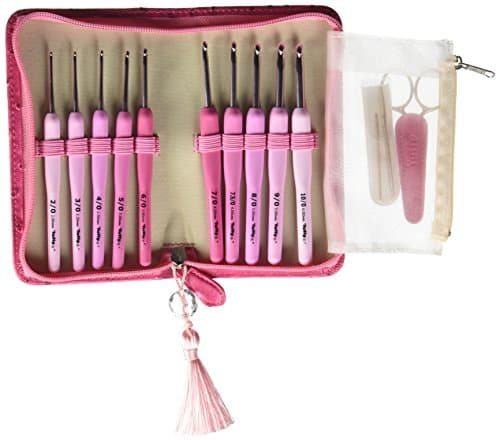
Tulip Etimo Rose Crochet Hook Set
Pencil grip: a slimmer cushioned grip that sits comfortably between finger and thumb.
$117.00 - View on Amazon#ad disclosure - price as of October 22, 2026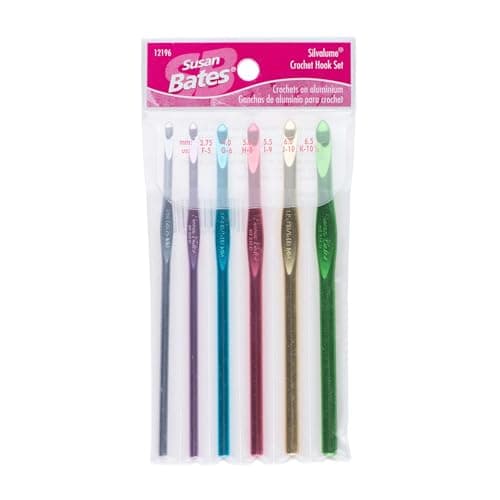
Susan Bates Silvalume Aluminum Crochet Hooks
The cheap way to test both grips before committing - a flat thumb rest suits pencil, the shaft suits knife.
$11.57 - View on Amazon#ad disclosure - price as of October 22, 2026
Questions people actually ask
What is the correct way to hold a crochet hook?
There is no single correct way. Knife grip holds the hook overhand with the handle in the palm; pencil grip holds it between finger and thumb. Both are used by professionals - pick the one that does not make your hand ache.
Is knife grip or pencil grip better for crochet?
Knife grip spreads the load across the palm and forearm and generally lasts longer over a session. Pencil grip gives finer control and tires the small muscles of the hand faster. Yarn weight matters too - bulky yarn strongly favors knife grip.
Which crochet hook suits a knife grip?
A thick handle. A wide grip fills the palm so you pinch less, which is why hooks with 16mm-plus handles exist. They are correspondingly awkward to hold like a pencil.
Why does my hand hurt when I crochet?
Usually gripping harder than the work needs, often combined with too tight a tension. Go up a hook size, try a cushioned handle, and consciously loosen your hold. Numbness or tingling is different - stop, because that is nerve compression.
Can I change how I hold my crochet hook?
Yes, and it takes about a week of feeling clumsy. Practice the new grip on a large hook with chunky yarn for a few rows each session before going back to your project.