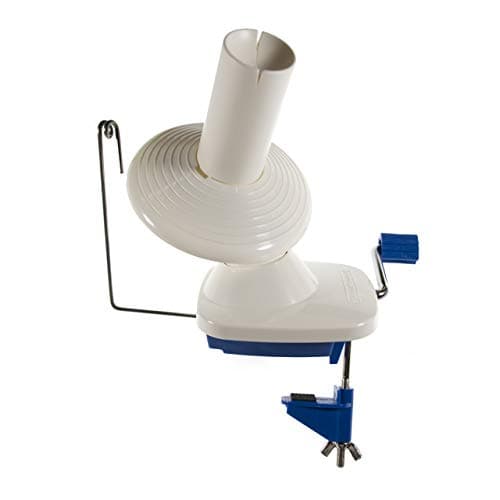
Best yarn winders
Best Yarn Winders
Capacity, clamp fit and the swift question - what a winder does and when you need one.
Top pick: Stanwood Needlecraft YBW-A Yarn Ball Winder
$39.95 - View on Amazon#ad disclosure - price as of October 20, 2026
The tools that change the work, and the ones that are shelf decoration.
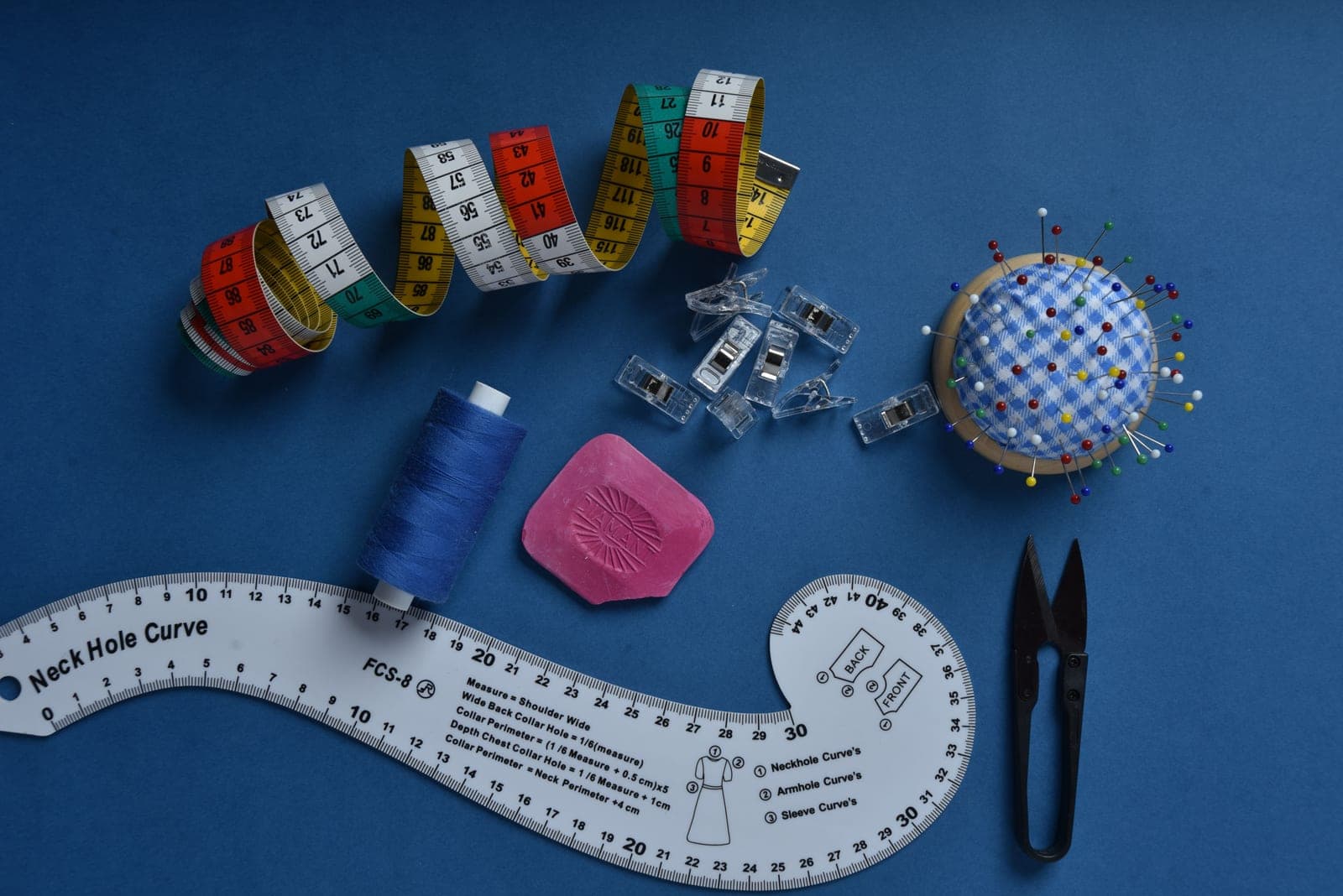
Accessories divide cleanly into two groups: the ones that change the work, and the ones that change your shelf. A blocking mat set changes what your finished pieces look like. A yarn winder changes whether you can use shop-bought hanks at all. A decorative project bag changes very little.
This section is about telling those apart. Every page here says plainly whether you need the thing, including the pages where the honest answer is that most people do not.
This hub launches with seven pages and will grow - swifts, stitch markers, row counters and the winder-versus-swift comparison are planned rather than built.
Disclosure: we earn a commission when you buy through the links on this page, at no extra cost to you. It never decides what we recommend or how we rank it - read the full disclosure.
Best yarn winders
Capacity, clamp fit and the swift question - what a winder does and when you need one.
Top pick: Stanwood Needlecraft YBW-A Yarn Ball Winder
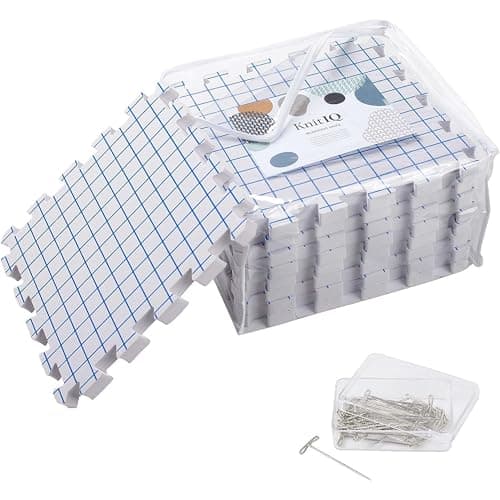
Best blocking mats
Foam thickness, grid marking and pin count - and which projects genuinely need blocking.
Top pick: KnitIQ Blocking Mats
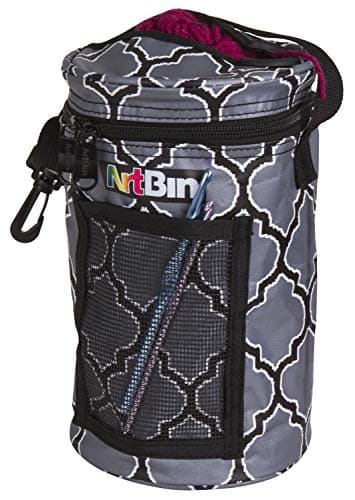
Best project bags
Yarn feed slots, capacity, and what separates a project bag from an ordinary tote.
Top pick: ArtBin Yarn Drum
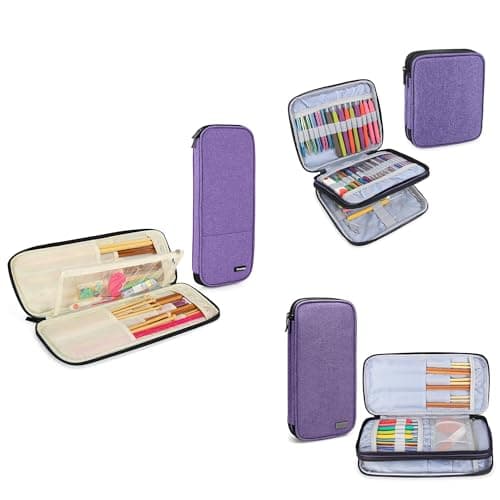
Best needle cases
Roll versus folio, sizing by needle length, and what an interchangeable set actually needs.
Top pick: Teamoy Interchangeable Needle Organizer Case
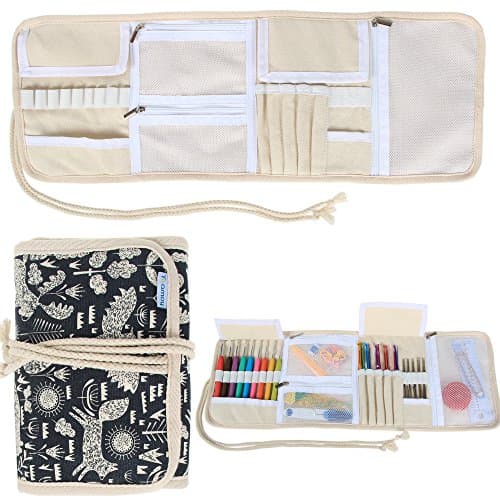
Best hook cases
Why ergonomic hooks defeat most cases, which format holds a mixed set, and what to check.
Top pick: Teamoy Crochet Hook Roll Case
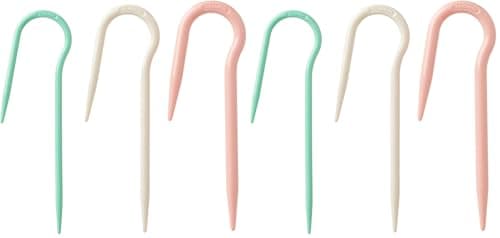
Best cable needles
Straight against U-shaped, matching the size to your needle, and cabling without one.
Top pick: Clover U-Shaped Cable Stitch Holders
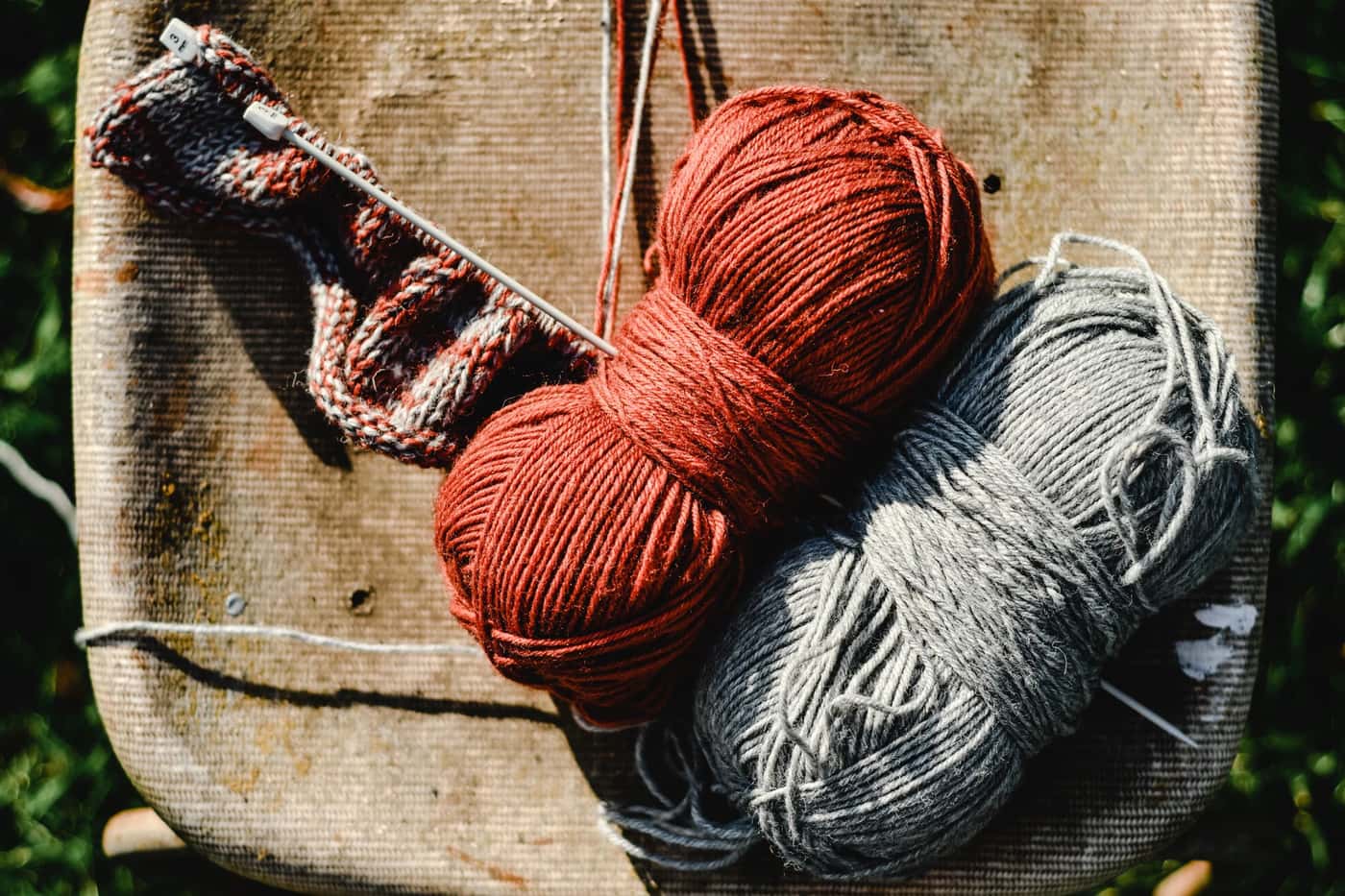
Best yarn swift
What a swift is for, which capacity matches the hanks you buy, and the cheap alternatives that actually work.
Top pick: Stanwood Needlecraft Wooden Umbrella Swift (Medium)
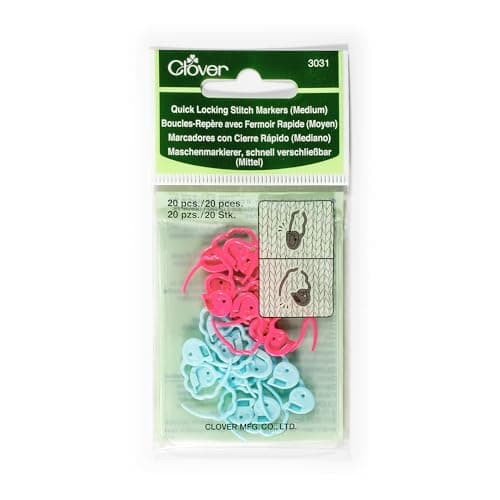
Best stitch markers
Locking against ring markers, how many you actually need, and the styles that snag or stretch a stitch.
Top pick: Clover Quick Locking Stitch Markers, Medium
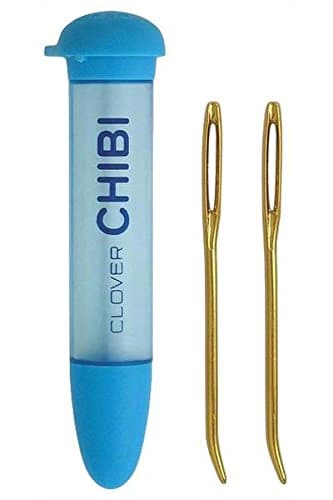
Best tapestry needles
Blunt against sharp, bent against straight, which sizes fit which yarn, and why the storage tube matters.
Top pick: Clover Chibi Darning Needle Set (Bent Tip)
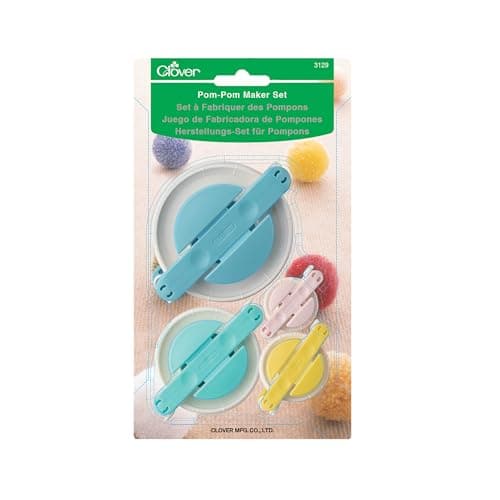
Best pom-pom maker
What a pom-pom maker does that cardboard cannot, which sizes to own, and the yarn that sheds.
Top pick: Clover Pom-Pom Maker Set
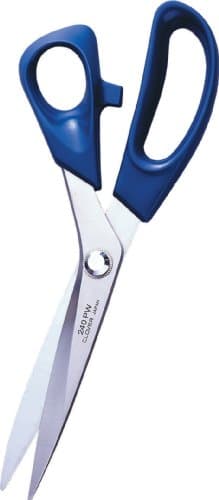
Best yarn scissors
Why a small sharp blade cuts yarn square, what serration does, and what to carry when you cannot take scissors.
Top pick: Clover Patchwork Scissors
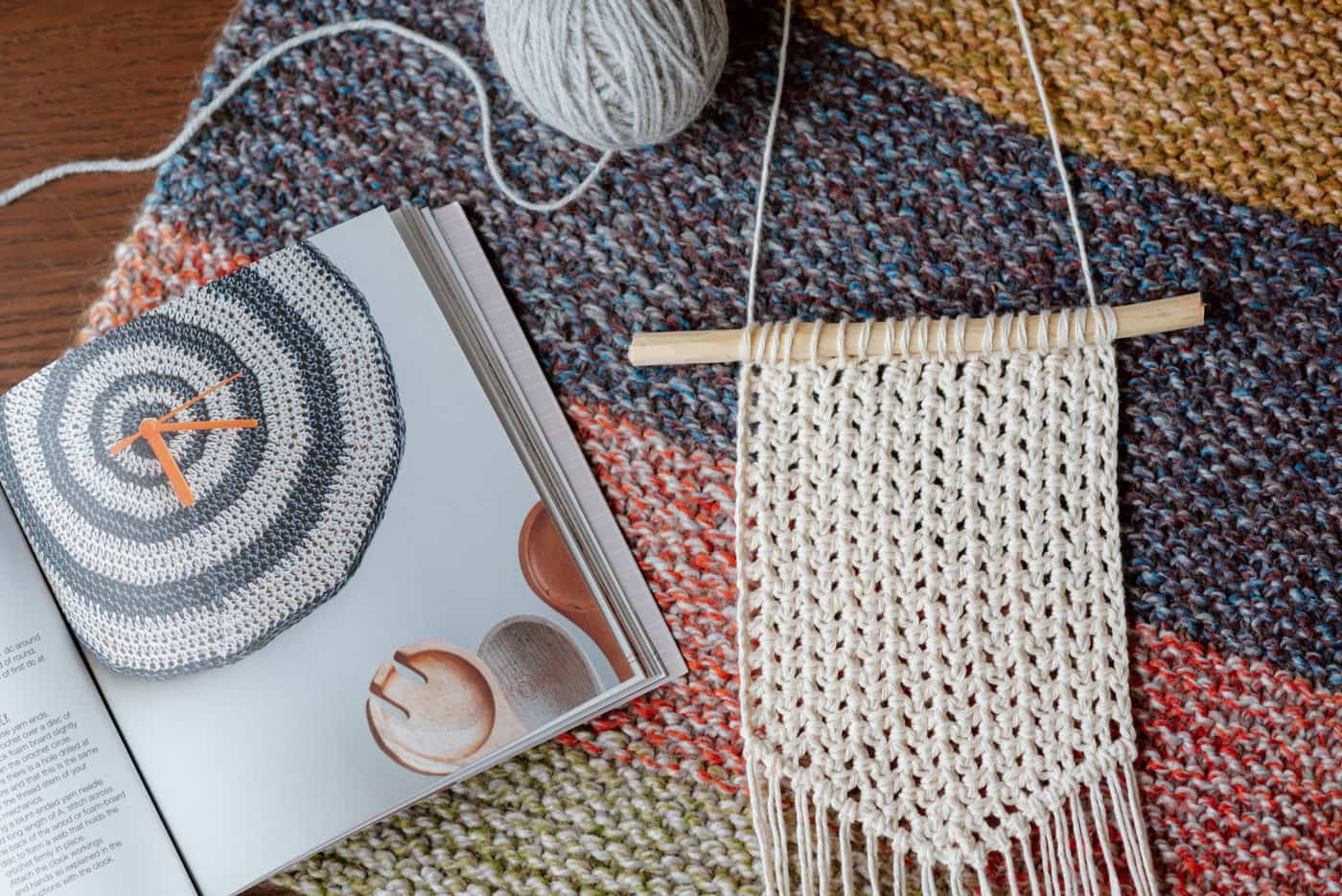
Best blocking wires
Why pins alone scallop an edge, what wires fix, and the pins that rust into a wet shawl.
Top pick: Knit Picks Lace Blocking Wires and T-Pins
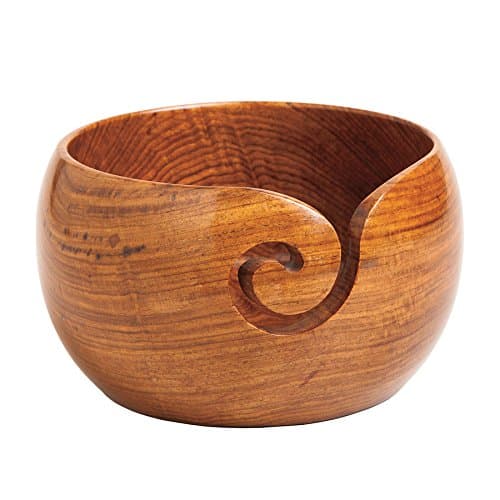
Best yarn bowl
What a yarn bowl actually solves, wood against ceramic, and the cheaper container that does the same job.
Top pick: Knit Picks Yarn Bowl (Rosewood)
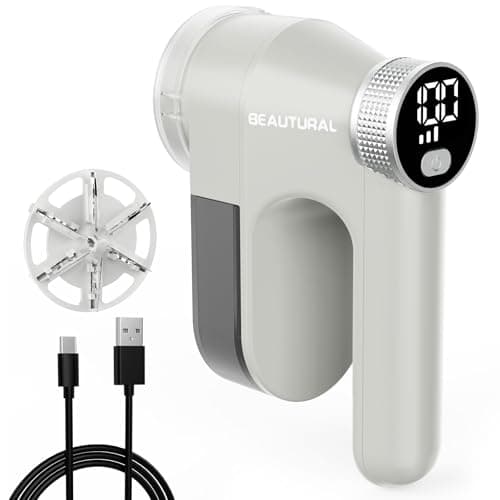
Best fabric shaver
How pilling happens, which shaver to buy, the depth setting that protects hand-knits, and what not to use.
Top pick: BEAUTURAL Rechargeable Fabric Shaver
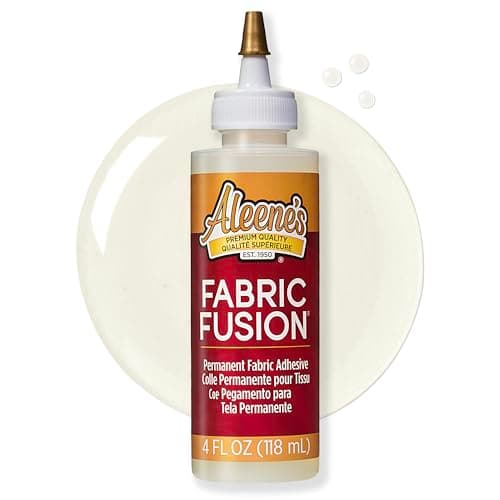
Best glue for yarn
What yarn adhesive has to do, which one does it, and when sewing is the better answer.
Top pick: Aleene's Fabric Fusion
Guide
Protecting a stash from moths, light and chaos, what to store yarn in, and the container that causes problems.
Top pick: ArtBin Yarn Drum
Guide
Mechanical counters against apps against markers, which counting method suits which project, and where each one fails.
Top pick: Clover Knitting Counter (Kacha-Kacha)
Guide
How each needle and hook material fails, the fixes for rough wood, worn coatings and coiled cables, and how to store them.
Top pick: Teamoy Knitting Needle Roll Case
Guide
Why unmarked needles happen, how a gauge plate works, and why the same tool measures your stitches per four inches.
Top pick: Susan Bates Knit-Chek Needle Gauge
Comparison
What each tool does, why they only work together, and the number of hanks a year that justifies buying them.
Top pick: Stanwood Needlecraft YBW-A Yarn Ball Winder
Guide
Why dark yarn is hard to see, what CRI actually measures, magnifiers, and how to position a craft lamp.
Top pick: OttLite EasyView LED Craft Floor Lamp
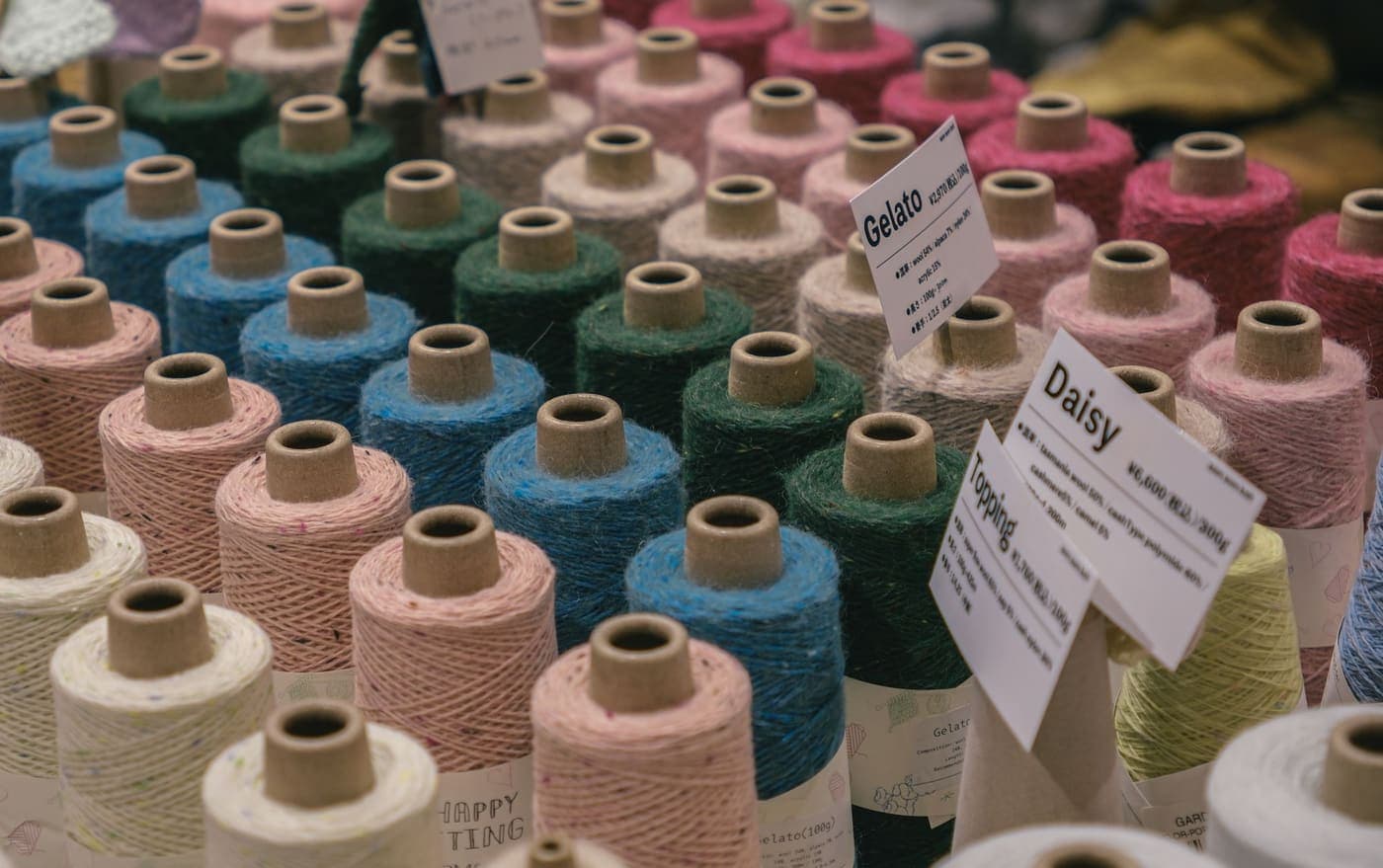
Guide
Yarn guide rings against bobbins, what each solves, and the colorwork problems no tool can fix.
Top pick: Clover Yarn Guide
Blocking mats. Blocking is wetting or steaming a finished piece and pinning it to shape while it dries, and on wool it is transformative - stitches even out, lace opens, shaping sets. A lace shawl that has not been blocked does not look like lace. Mats need enough thickness to hold a T-pin upright and a printed grid to square a piece against.
A winder and swift. Most yarn-shop yarn is sold as a hank - a large loop twisted into a bundle - and it is genuinely unusable until it is wound. Working straight from a hank produces a tangle. The winder makes a center-pull cake; the swift holds the hank open while it does. People buy the first and forget the second.
Cases and organizers are sold by what they hold, and the numbers matter more than they look:
For most people, on the tools themselves. A hook or needle set that suits your hands does more for the experience than any accessory - see best crochet hooks and best knitting needles. After that, blocking mats, because they change what your work looks like when it is finished.
Before you buy anything
Everyone in this category says they tested twenty of these. We have not tested any, and we say so. What we publish instead is the manufacturers' own specifications, the arithmetic, and live prices with the date attached.
How we pick