What to buy first
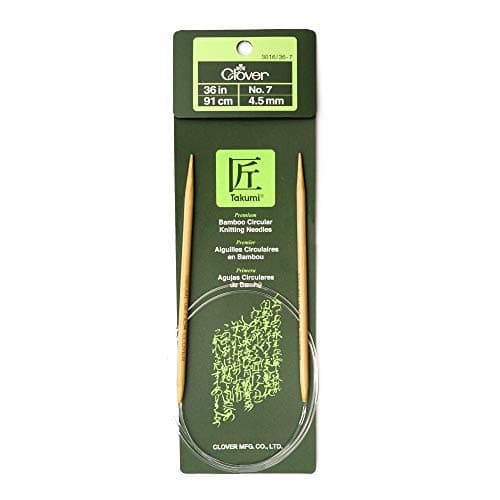
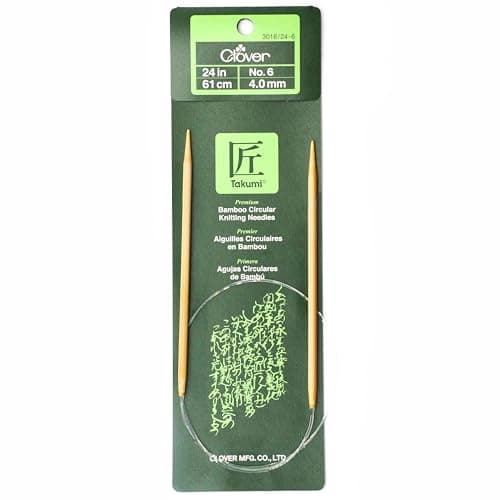
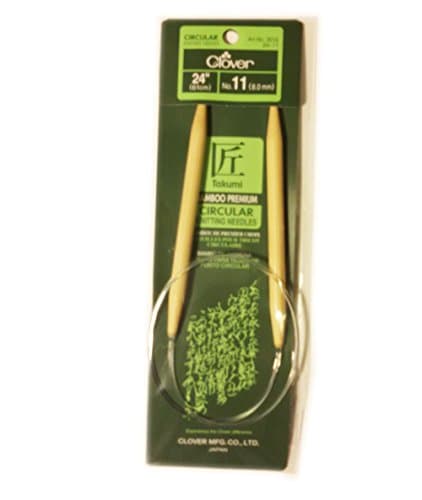
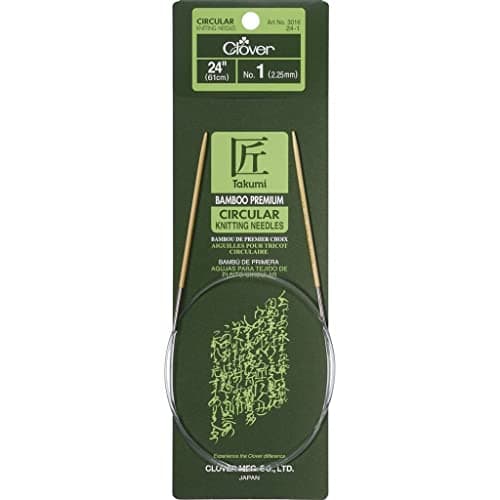
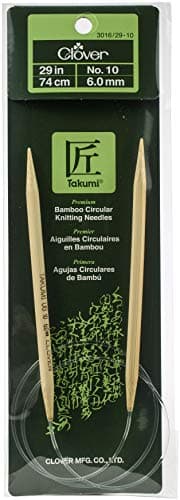
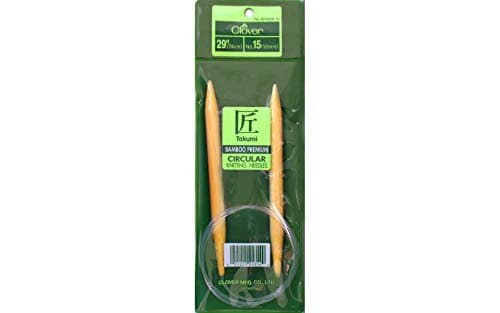
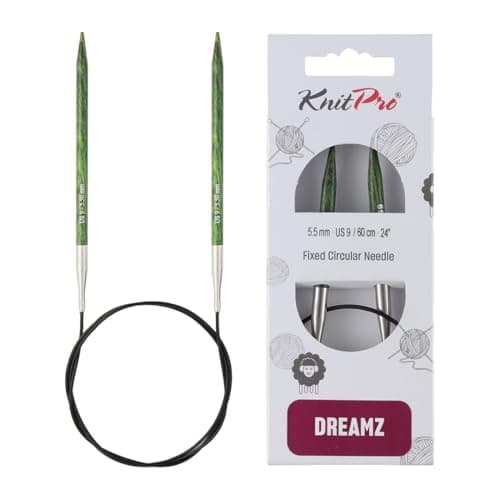
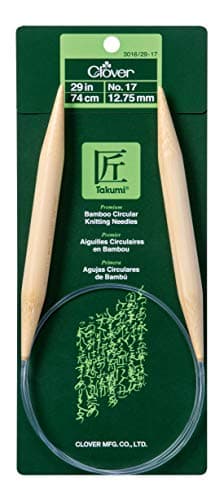
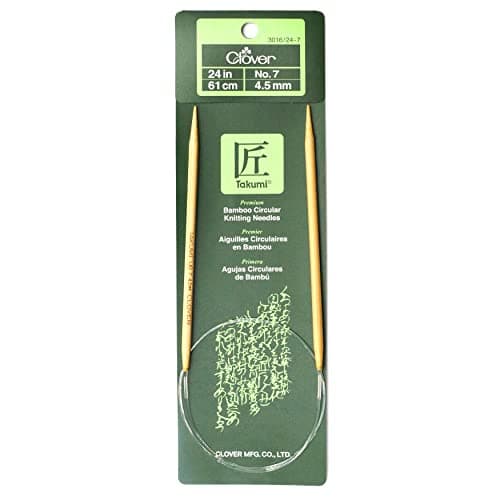
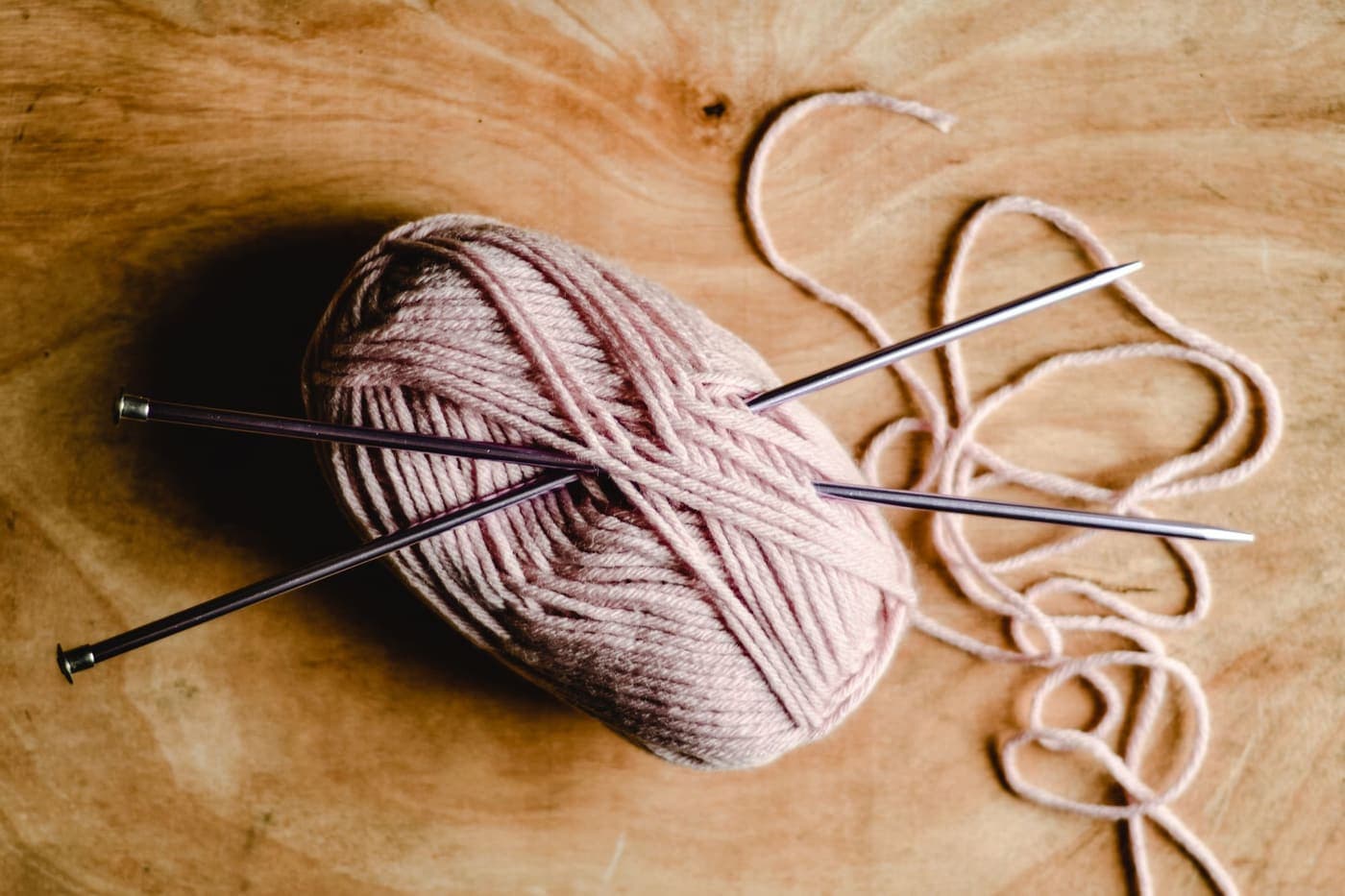
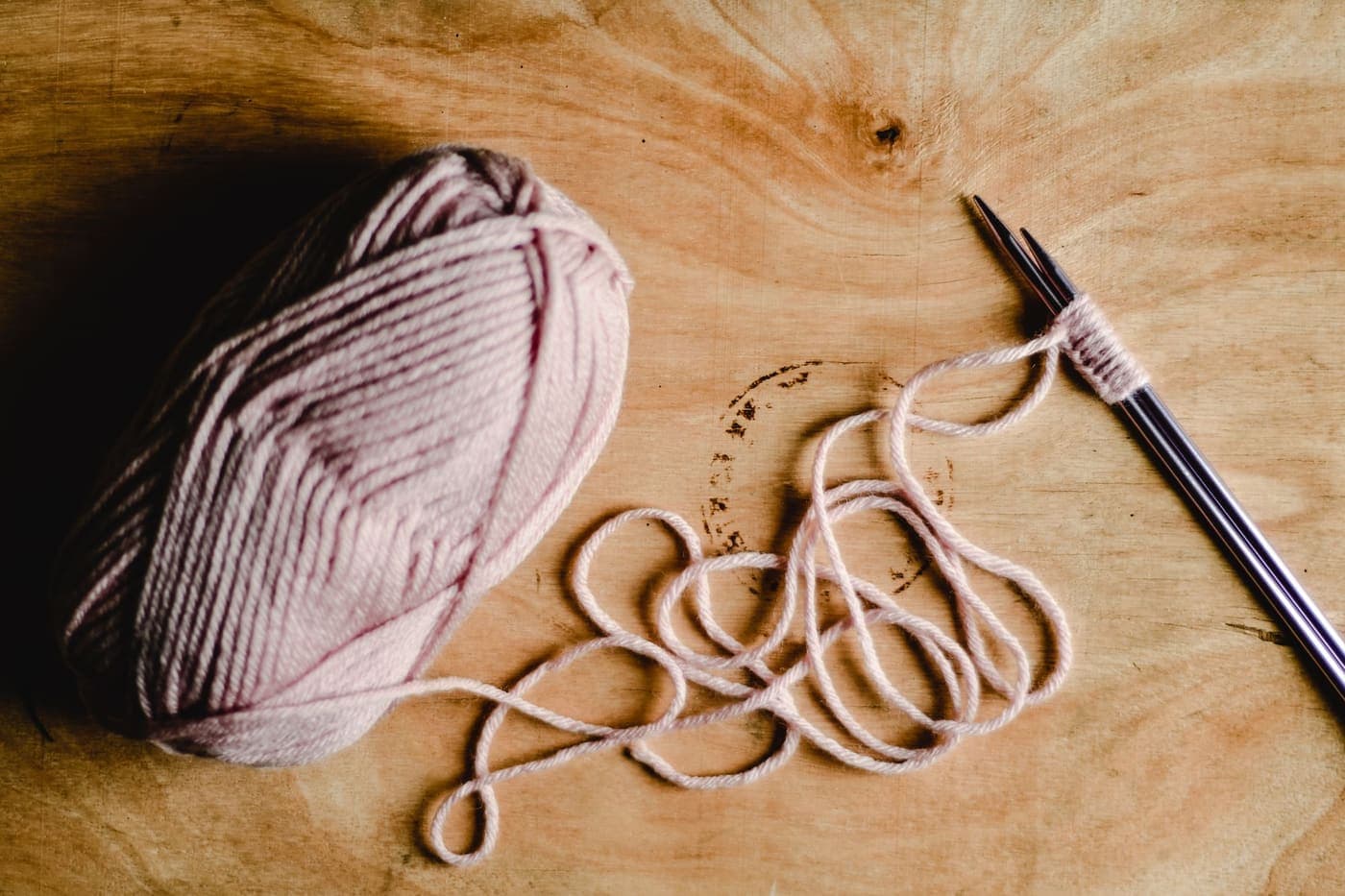
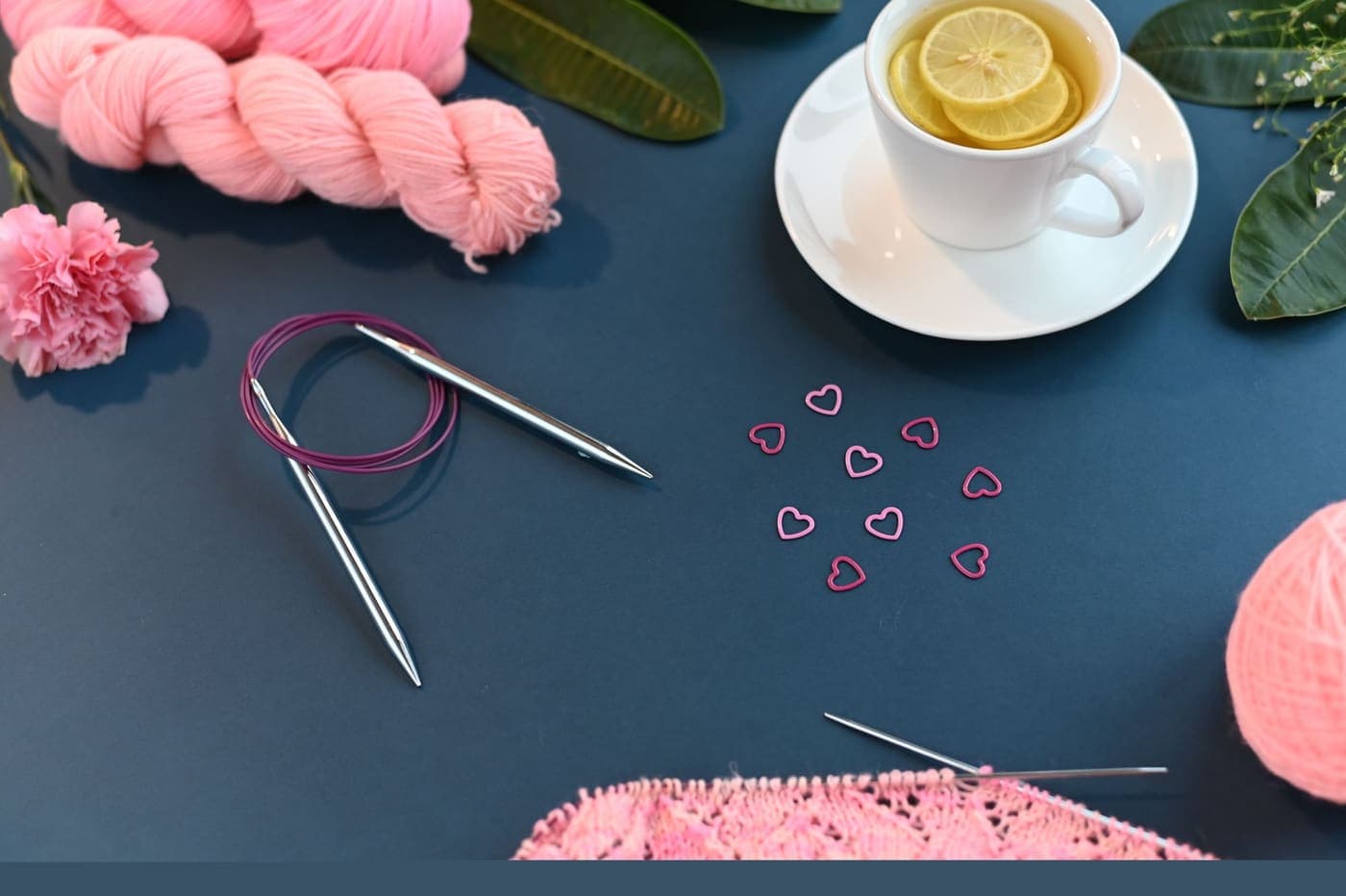
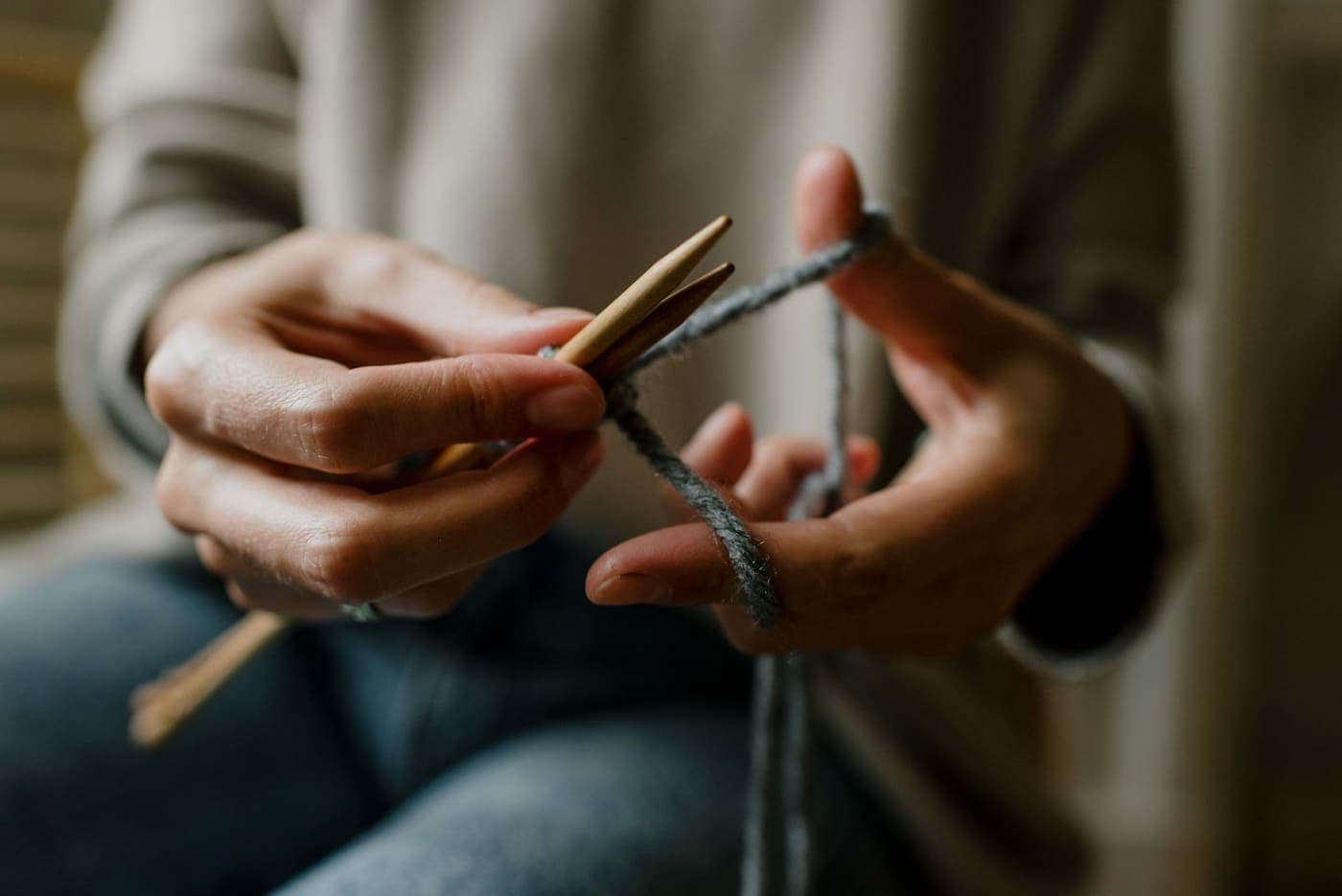
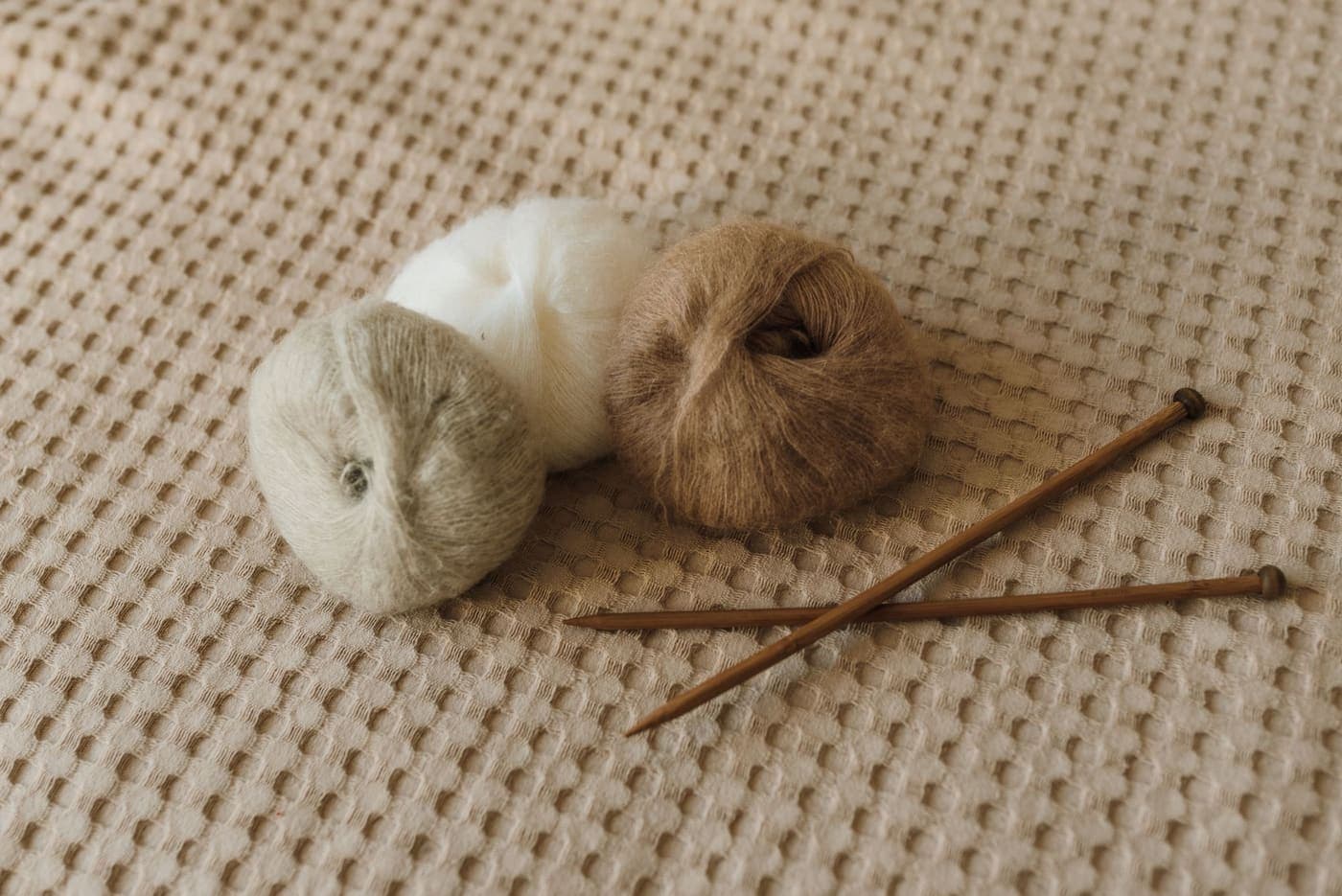
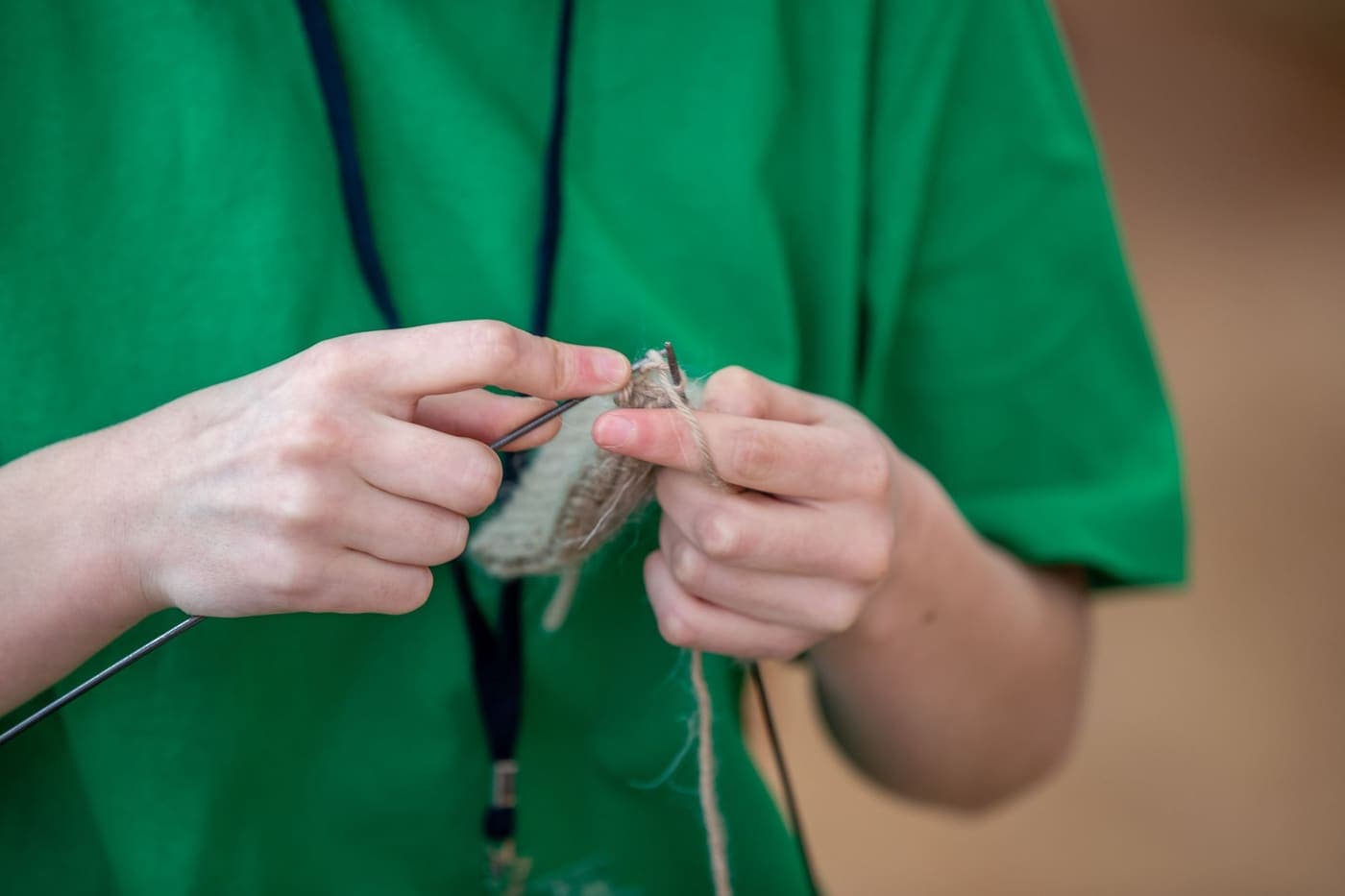
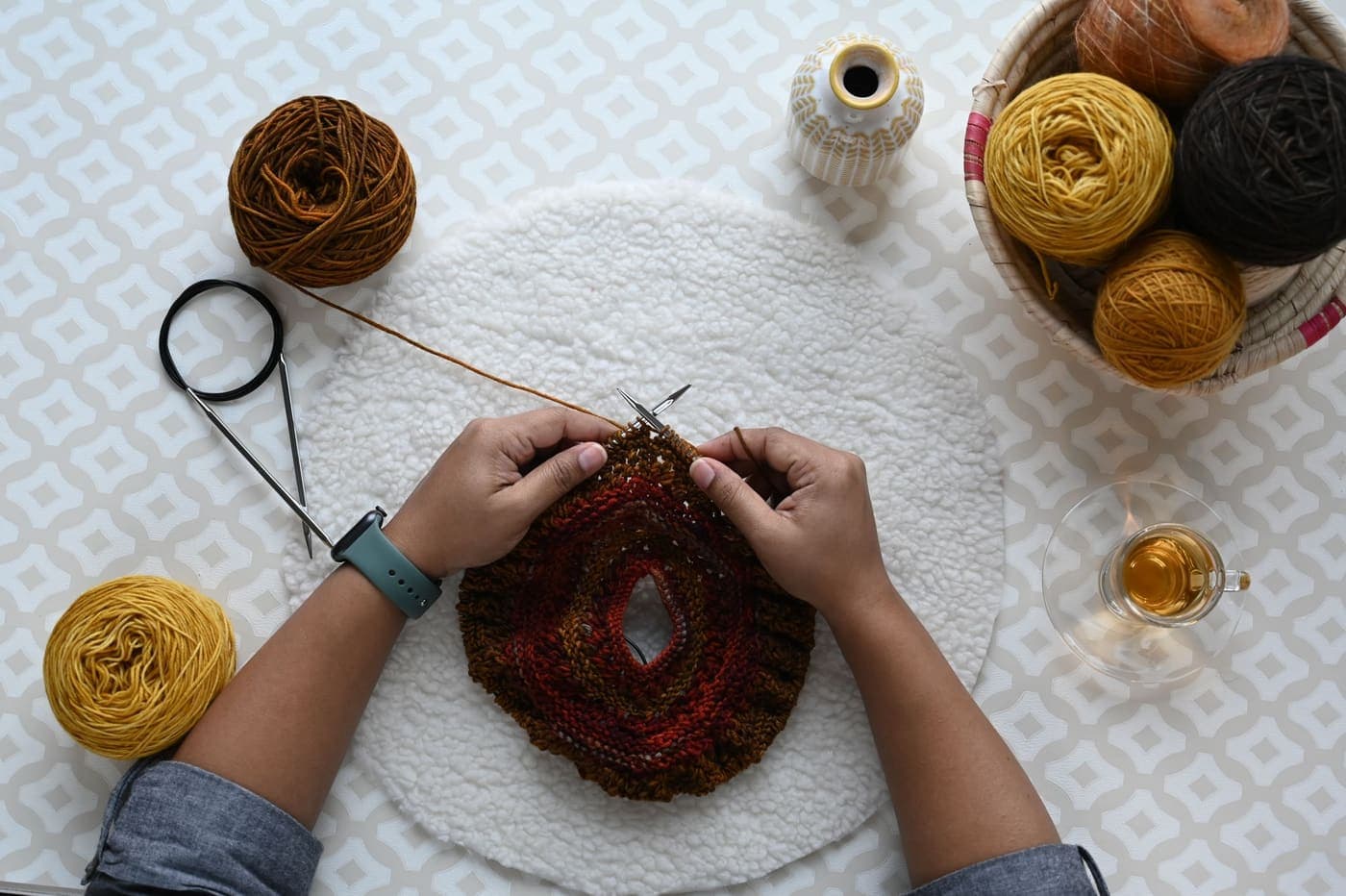
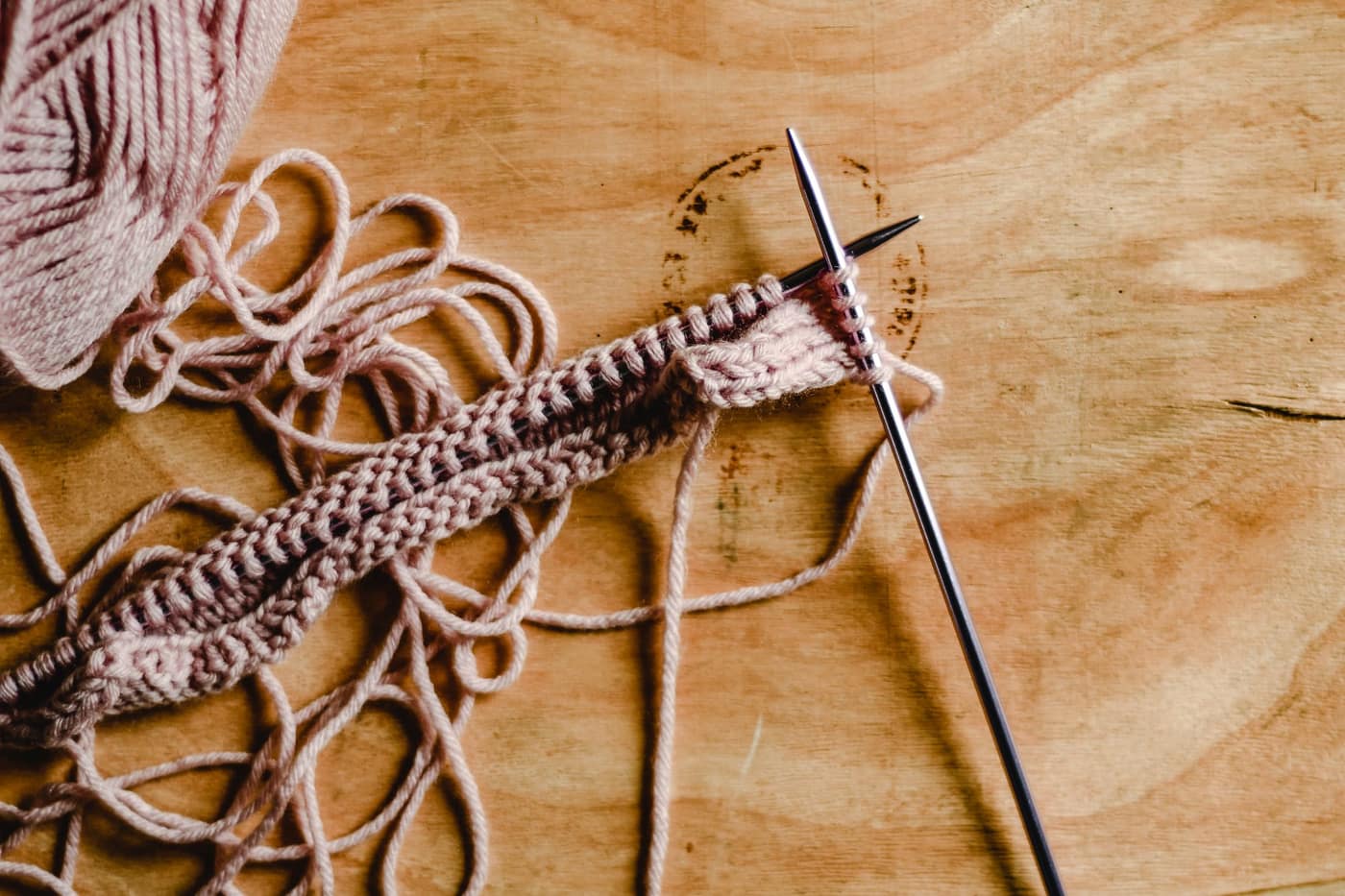
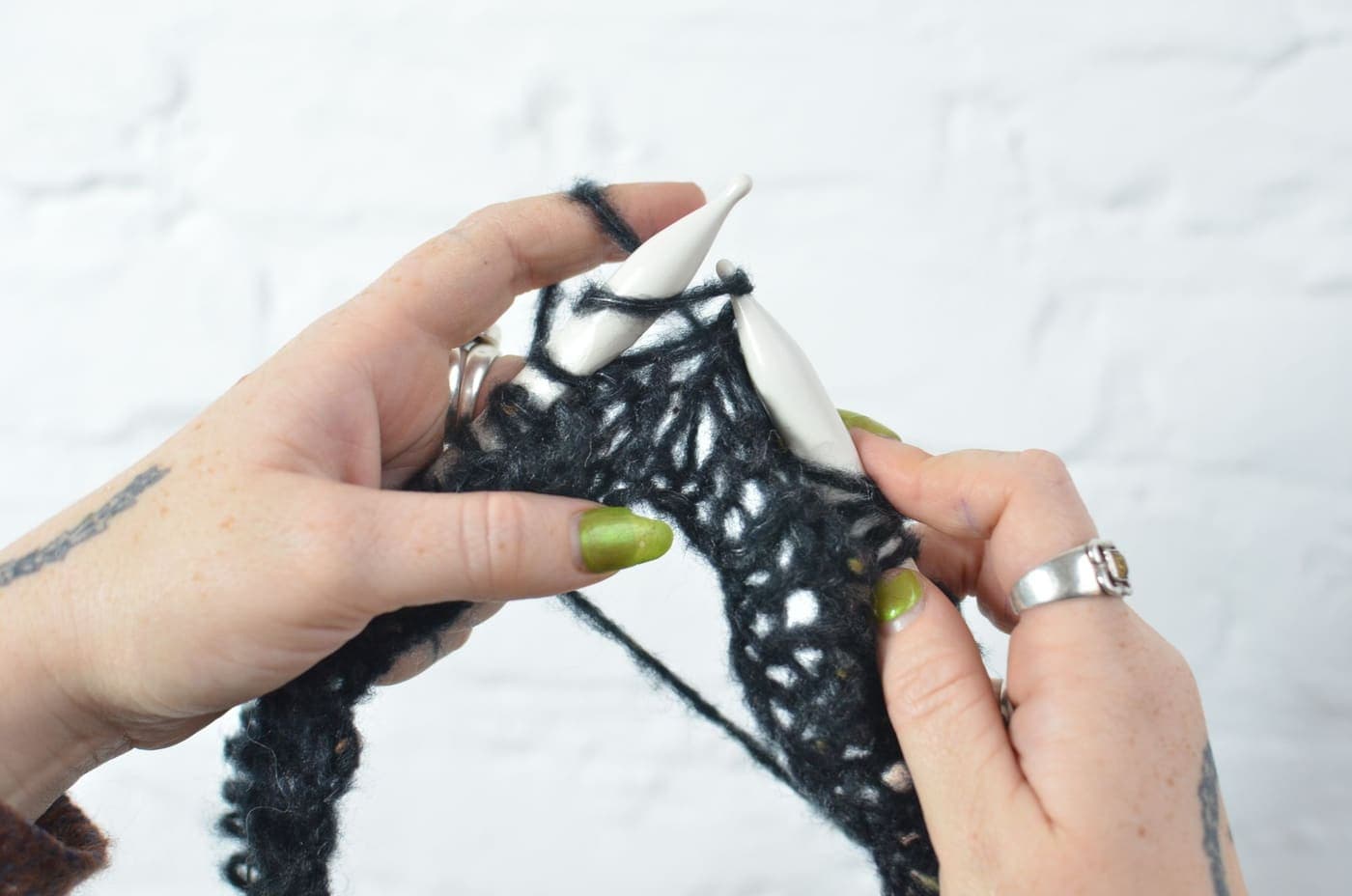
One 5mm circular needle, 24in or 32in, with bamboo tips. That is the entire first purchase. 5mm because it matches worsted weight yarn, which is what almost every beginner pattern and tutorial uses. Bamboo because it grips, so stitches do not slide off while your tension is still uneven. Circular because it knits flat exactly as straights do, plus in the round, plus it holds a whole sweater body.
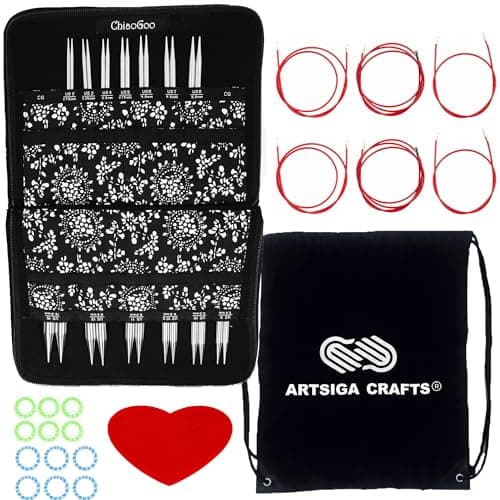
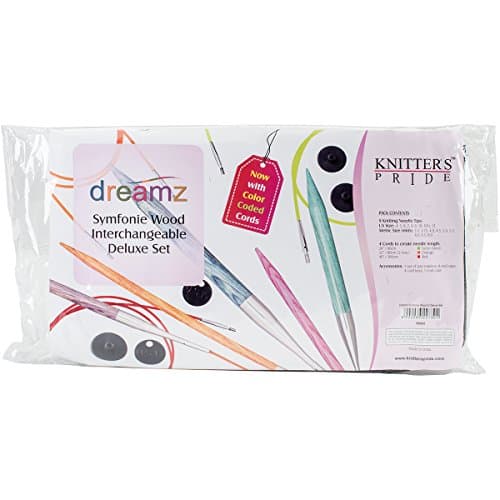
Buy the set later - after two or three finished projects, when you know whether you prefer wood or metal and are tired of buying a needle per pattern. At that point a set is a genuinely good purchase that lasts years.
What the sizes mean
American needle sizing is a naming convention with no arithmetic behind it, so it has to be looked up. The published standard maps yarn weight to needle size: worsted wants 4.5 to 5.5mm (US 7 to 9), DK wants 3.75 to 4.5mm, bulky wants 5.5 to 8mm, and sock yarn wants 2.25 to 3.25mm.
The gauge on the yarn label is binding and the suggested needle size is not. If the pattern says US 8 and 18 stitches to 4 inches and you get 20 on a US 8, go up to a US 9. You are matching the fabric, not the tool. The full mapping and the US-to-metric conversions are on the needle size chart.
The variable nobody mentions: cable length
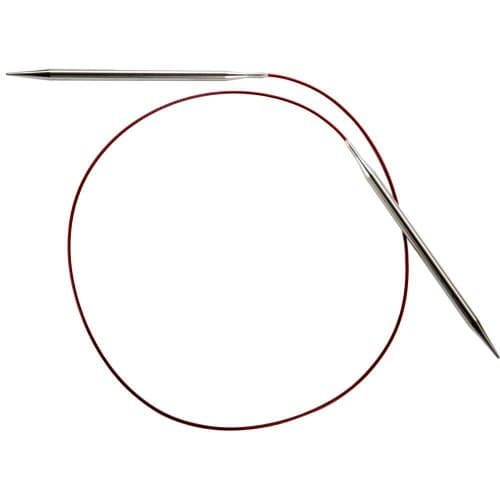
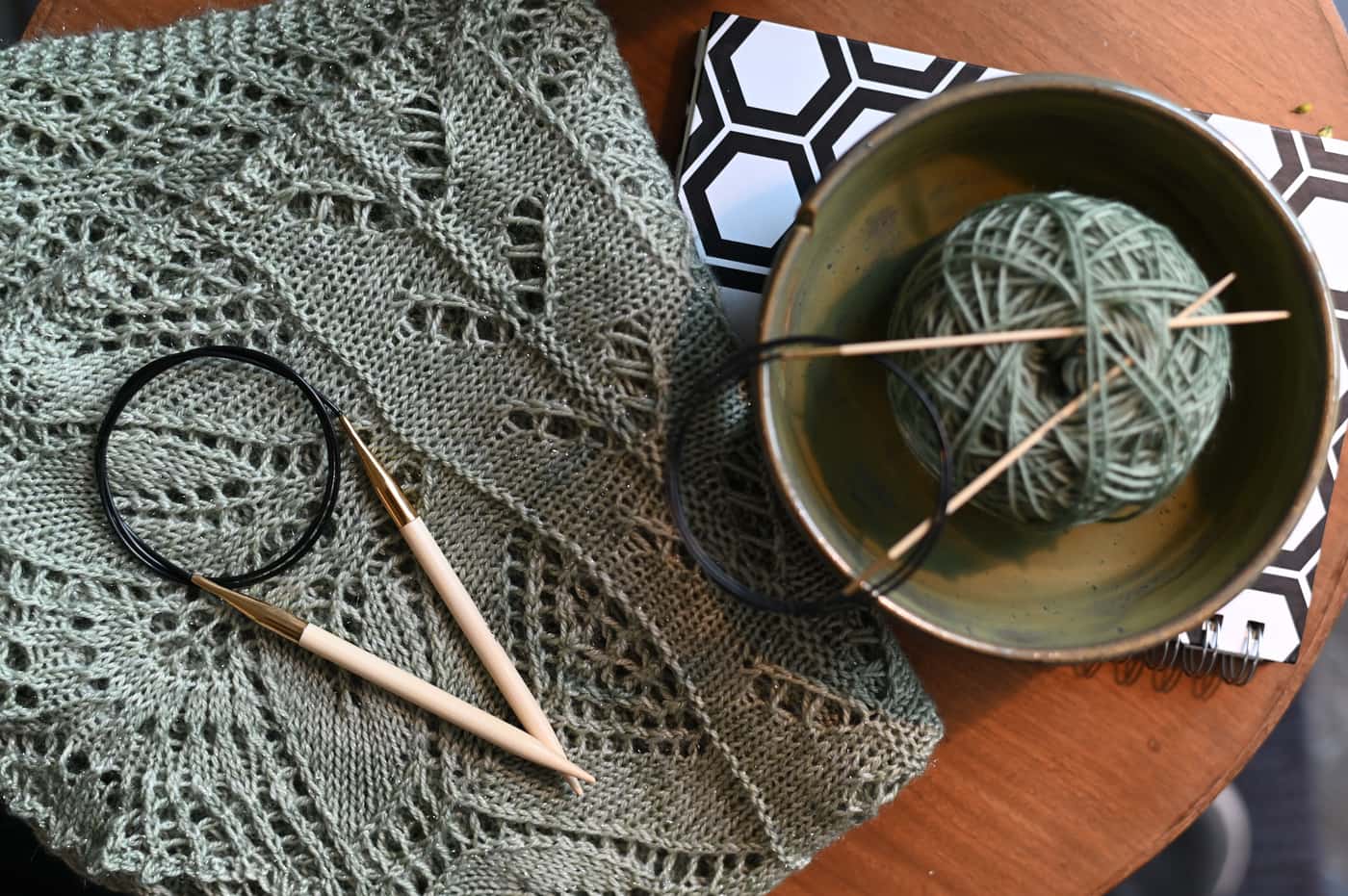
Diameter is half a circular needle's specification. The other half is length, and it decides whether a project is possible at all. 16in for hats and yokes, 24in or 32in for sweater bodies and flat knitting, 40in and up for blankets. A circular cannot knit a circumference much smaller than its own length, which is why a 16in cannot do a sleeve cuff - the answer to that is magic loop on a 32in or longer cable.
If you buy one circular, make it 32in. It is the most versatile single needle available: flat knitting, sweater bodies, and magic loop for anything small.
What to ignore
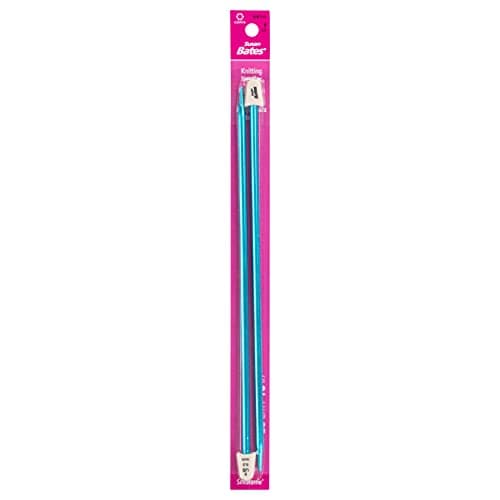
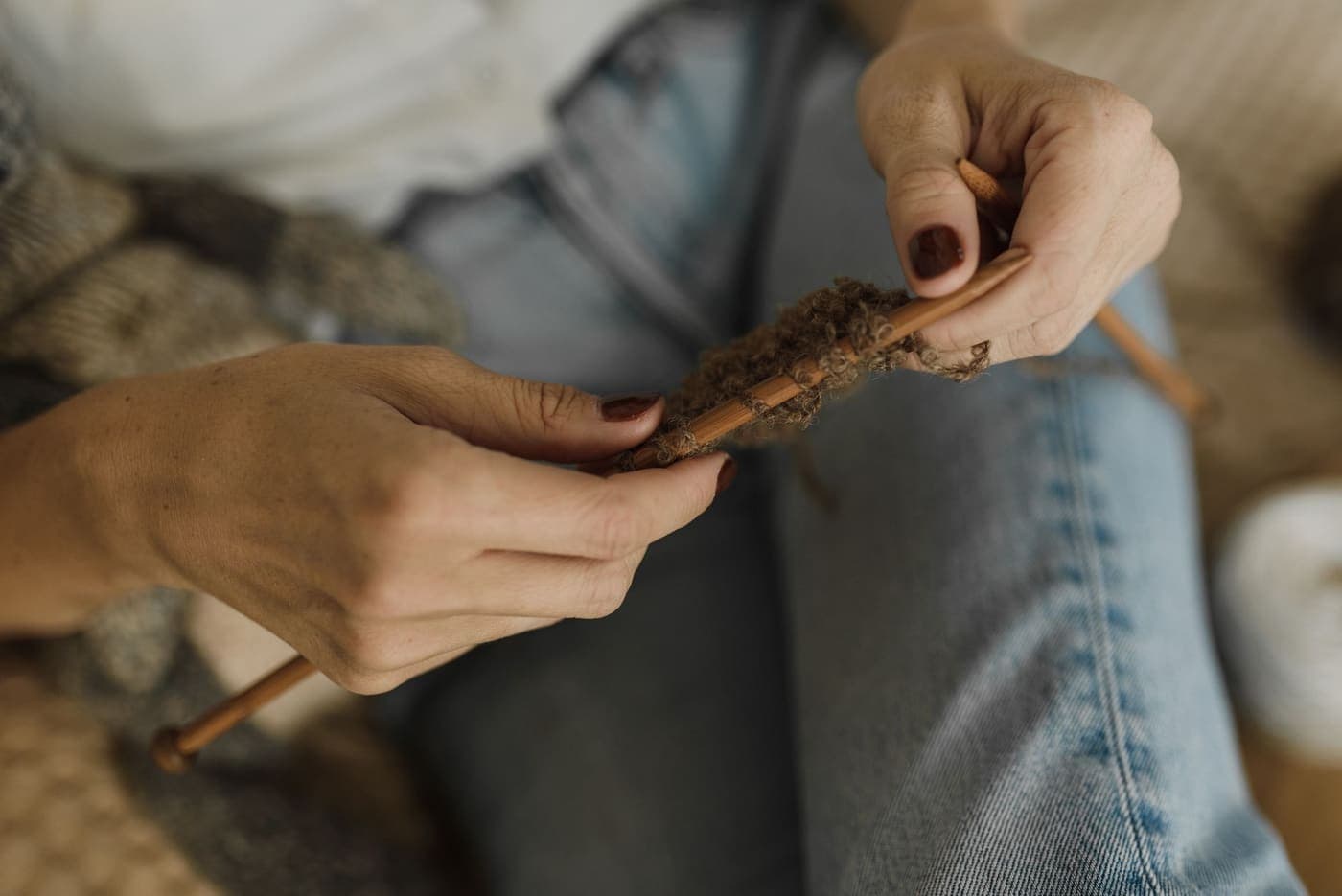
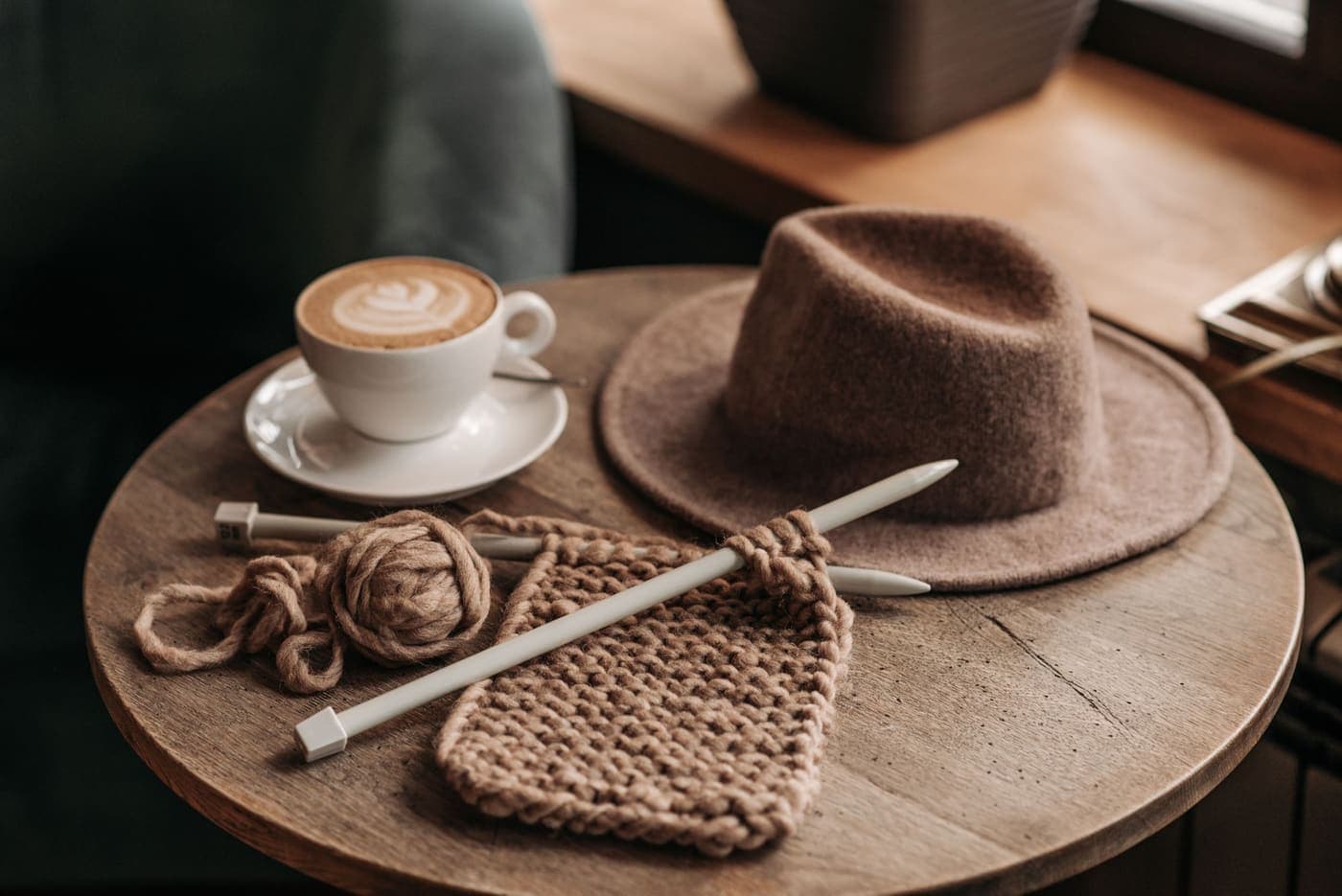
- Straight needles, unless you already know you prefer them. A circular does everything they do and several things they cannot, and it puts the project's weight in your lap rather than on your wrists.
- Very cheap unbranded interchangeable sets. The failure modes - joins that come apart mid-row, cables with heavy memory, rough joins that catch - are exactly the things that make interchangeables worth having.
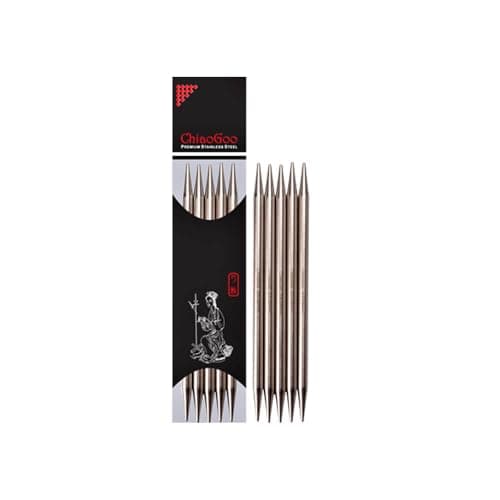
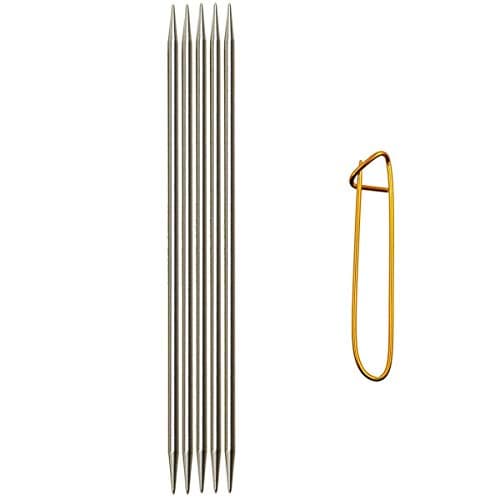
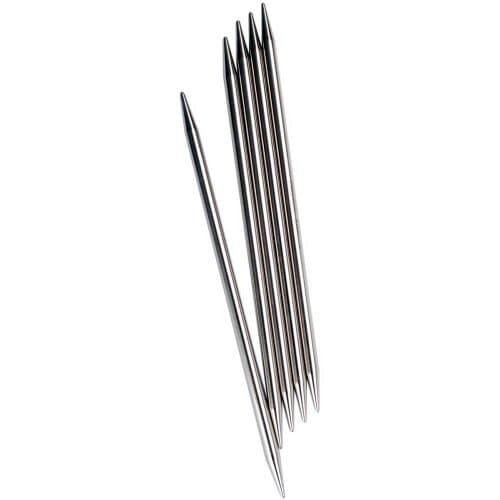
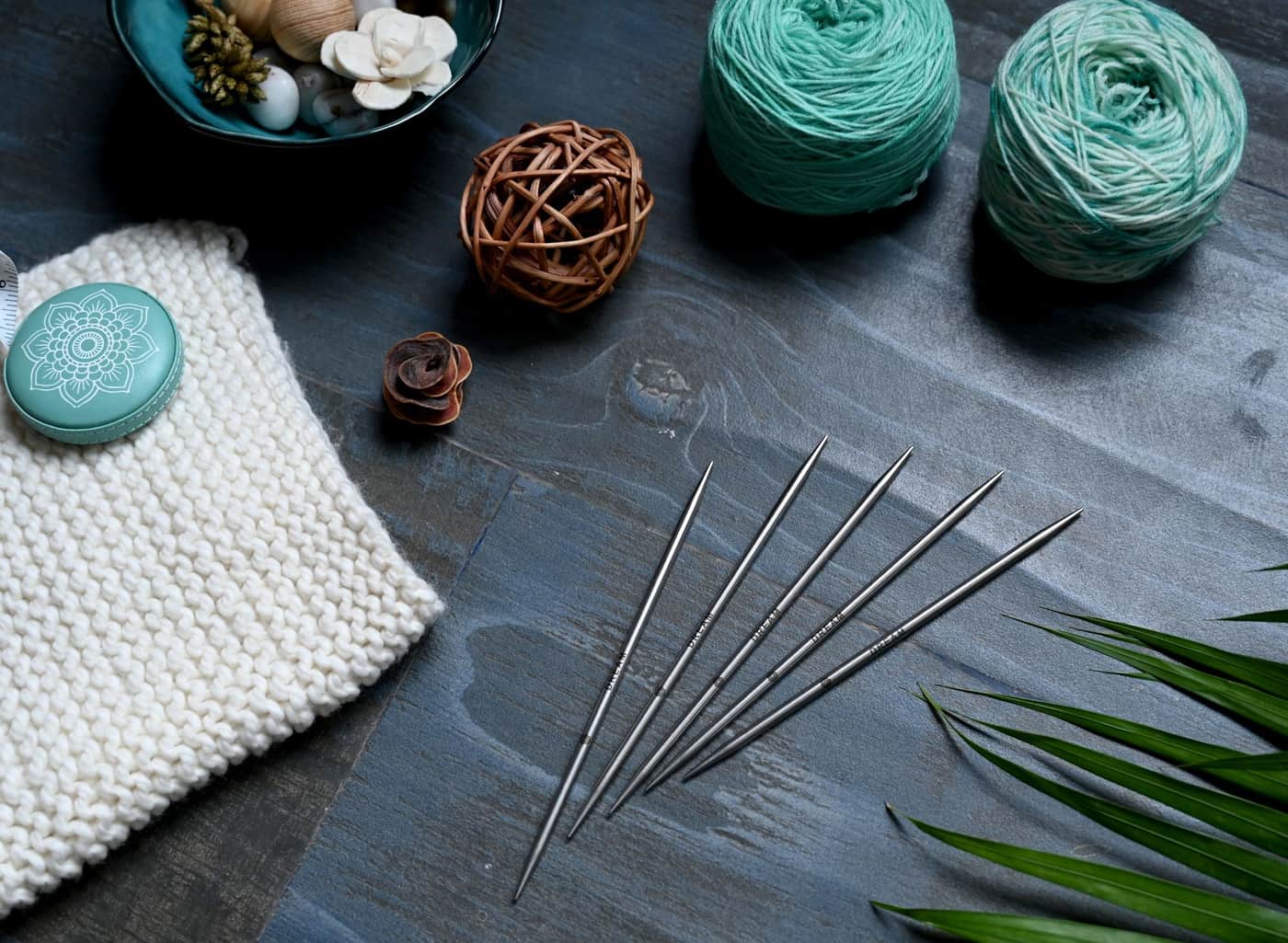
- Buying for sock sizes inside a set. Almost none of them go there. Budget separately for fixed circulars or double-pointed needles.
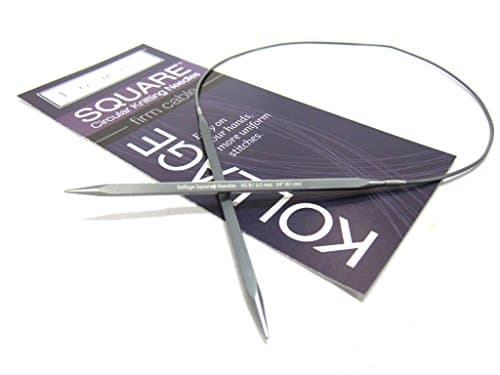
- Square-section needles as an ergonomic fix. Some knitters find them easier to grip and we have not found published evidence that quantifies it. Try before assuming.
Where the reference lives
Sizes, conversions and gauge ranges are all on the needle size chart; the yarn side is on the yarn weight chart. If you are trying to work out how much yarn a project needs before you commit to a needle, how much yarn do I need has the arithmetic.