Guide
Best Needles for Mohair
You get one attempt at every row. Choose the needle that makes mistakes recoverable, not the one that makes knitting fast.
By Sawyer V. · Published September 12, 2026
Disclosure: we earn a commission when you buy through the links on this page, at no extra cost to you. It never decides what we recommend or how we rank it - read the full disclosure.
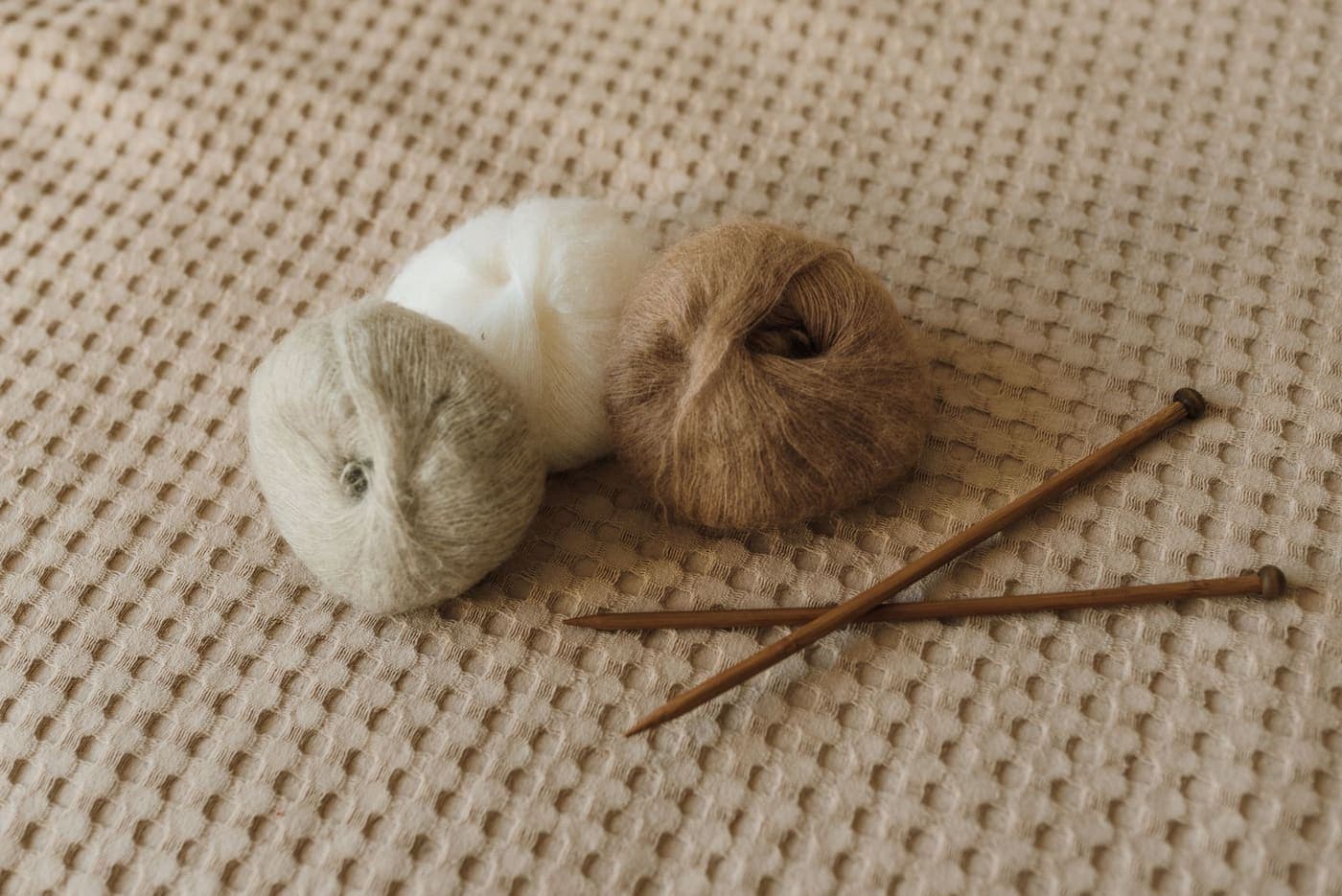
The short answer
Use a needle with a lifeline hole if you possibly can, because mohair cannot be ripped back and a lifeline is the only real insurance. Beyond that, pick grip over speed: bamboo or laminated wood holds a mohair stitch where you put it, and mohair on polished steel slides off. A moderately pointed tip helps; a very sharp lace point splits the halo.
The problem this page exists to solve
Mohair is brushed so that fiber ends stand away from the core. Those ends catch the light, which is the halo - and they catch each other, which means the fabric behaves as if lightly felted from the moment it comes off the needle.
Pull a row back and the yarn breaks before the stitches release. That single fact reorders every needle priority: what you want from a mohair needle is not speed or comfort, it is not having to undo anything.
Tip material
| Material | Mohair alone | Held with a slippery yarn |
|---|---|---|
| Bamboo | Best - maximum grip | Best |
| Laminated wood | Very good | Very good |
| Stainless steel | Stitches slide off | Stitches slide off |
| Nickel-plated | Slides, and blunt tips fight the halo | Slides |
This is the one category where the site's usual 'it depends on your hands' answer narrows. Mohair is light and slippery at the core, and the halo does not grip the needle even though it grips the neighboring stitches. Grip in the tip material is a genuine advantage.
The compromise most people land on is steel tips with a lifeline hole, accepting the slide for the insurance. That is a defensible trade and it is why both appear in the buy rows above.
Point shape
- Very sharp lace points go into the core cleanly and also spear individual halo fibers, which shows as a fuzzy caught stitch.
- Moderate points are the sweet spot - enough to enter a fine stitch, not enough to split the halo.
- Blunt Turbo points push the yarn rather than entering it, which is hard work at lace weight.
- If you are holding mohair with a worsted, the point matters less - the main yarn dominates.
Needle size, which is not the ball band's decision
A mohair ball band gives an unusually wide range - one of the yarns above quotes 18 to 25 stitches over 10cm across needles from 3.25mm to 5mm. That is the yarn telling you it works at any of them.
- Smaller needle: denser, warmer, more opaque. Good for a garment.
- Larger needle: airy, translucent, drapier. Good for a shawl.
- Held with a DK or worsted: use the main yarn's needle size. The mohair adds almost no thickness.
- Swatch and wash the swatch. Mohair blooms, so the unwashed swatch is not the fabric you will get.
The fiber side of that is in mohair yarn explained, and the buying page is best mohair yarn.
Habits that matter more than the needle
- Place a lifeline every few rows. Not every twenty. Every few.
- Count every row and mark repeats with locking markers.
- Do not knit mohair tired. This is the fiber where a lapse costs the most.
- Keep a crochet hook to hand for picking up a dropped stitch immediately, before it travels.
- Use a smooth waste yarn for lifelines - a fuzzy one will not pull out.
If you do have to rip back
- Put the whole piece in a freezer bag and freeze it for an hour. The fiber stiffens and the stitches release more willingly.
- Work slowly, a stitch at a time, rather than pulling the yarn.
- Accept that the ripped yarn is damaged. It will have lost halo and may be weakened; consider cutting it out and joining fresh.
- Go back to a lifeline if there is one - that is what it was for.
None of this makes mohair difficult to knit. It makes it a yarn where preparation is worth more than skill, which is an unusual and quite freeing thing to know before you start.
What we would knit mohair on
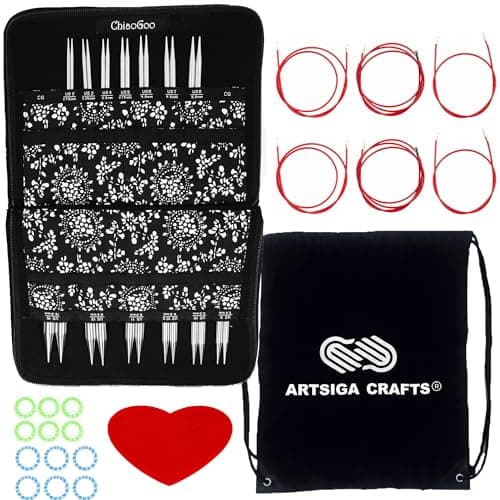
ChiaoGoo TWIST Red Lace Interchangeable Set (Complete, 5in tips)
The lifeline hole through every tip is the feature that matters here. 13 pairs, US 2-15, memory-free cables.
$216.80 - View on Amazon#ad disclosure - price as of September 21, 2026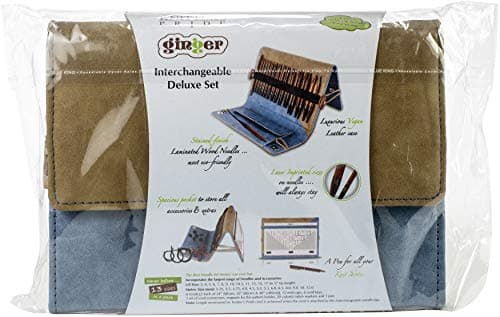
Knitter's Pride Dreamz Deluxe Interchangeable Set
Nine pairs of laminated birch, US 4-11 (3.5-8.0mm) - the grip option, for holding mohair with a slippery main yarn.
$131.44 - View on Amazon$137.995% off · #ad disclosure - price as of September 21, 2026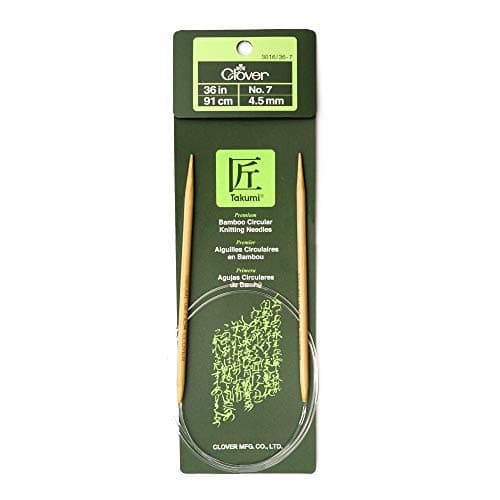
Clover Takumi Bamboo Circular Needles
Bamboo, 2.00mm to 15.00mm, in 9in through 36in. The grippiest common tip material, sold one length at a time.
$9.14 - View on Amazon#ad disclosure - price as of September 21, 2026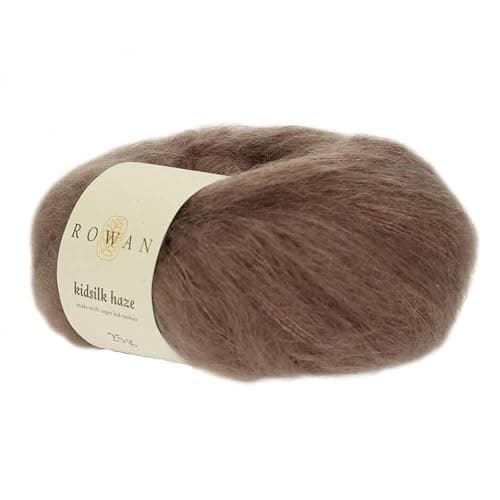
Rowan Kidsilk Haze
The yarn this page is about: 70% mohair, 30% silk, 210m / 229yd per 25g, on 3.25-5mm needles.
$25.00 - View on Amazon#ad disclosure - price as of September 21, 2026
Questions people actually ask
What needles are best for mohair?
Bamboo or laminated wood for grip, or steel tips with a lifeline hole if you value the insurance more than the grip. Mohair slides off polished metal, and the halo does not hold the needle even though it grips neighboring stitches.
What is a lifeline and why does mohair need one?
Waste yarn threaded through a row of live stitches so you can rip back to a known point. Mohair cannot practically be unpicked - the yarn breaks before the stitches release - so a lifeline is the only real insurance against a mistake.
Do sharp needles split mohair?
Very sharp lace points can spear individual halo fibers, which shows as a fuzzy caught stitch. A moderate point is the sweet spot - enough to enter a fine stitch without splitting the halo.
What size needles for mohair?
Whatever gives the fabric you want - ball bands quote an unusually wide range because the halo fills the gaps at any size. Smaller for a dense warm fabric, larger for an airy translucent one. Held with a DK or worsted, use the main yarn's size.
Can you fix a mistake in mohair knitting?
Go back to a lifeline if you placed one. Otherwise freeze the piece for an hour to stiffen the fiber, work back a stitch at a time rather than pulling, and expect the ripped yarn to have lost halo and strength.