Guide
How to Fix Common Knitting Mistakes
Almost nothing needs starting over. Knowing which failure you have is most of the repair.
By Sawyer V. · Published September 7, 2026
Disclosure: we earn a commission when you buy through the links on this page, at no extra cost to you. It never decides what we recommend or how we rank it - read the full disclosure.
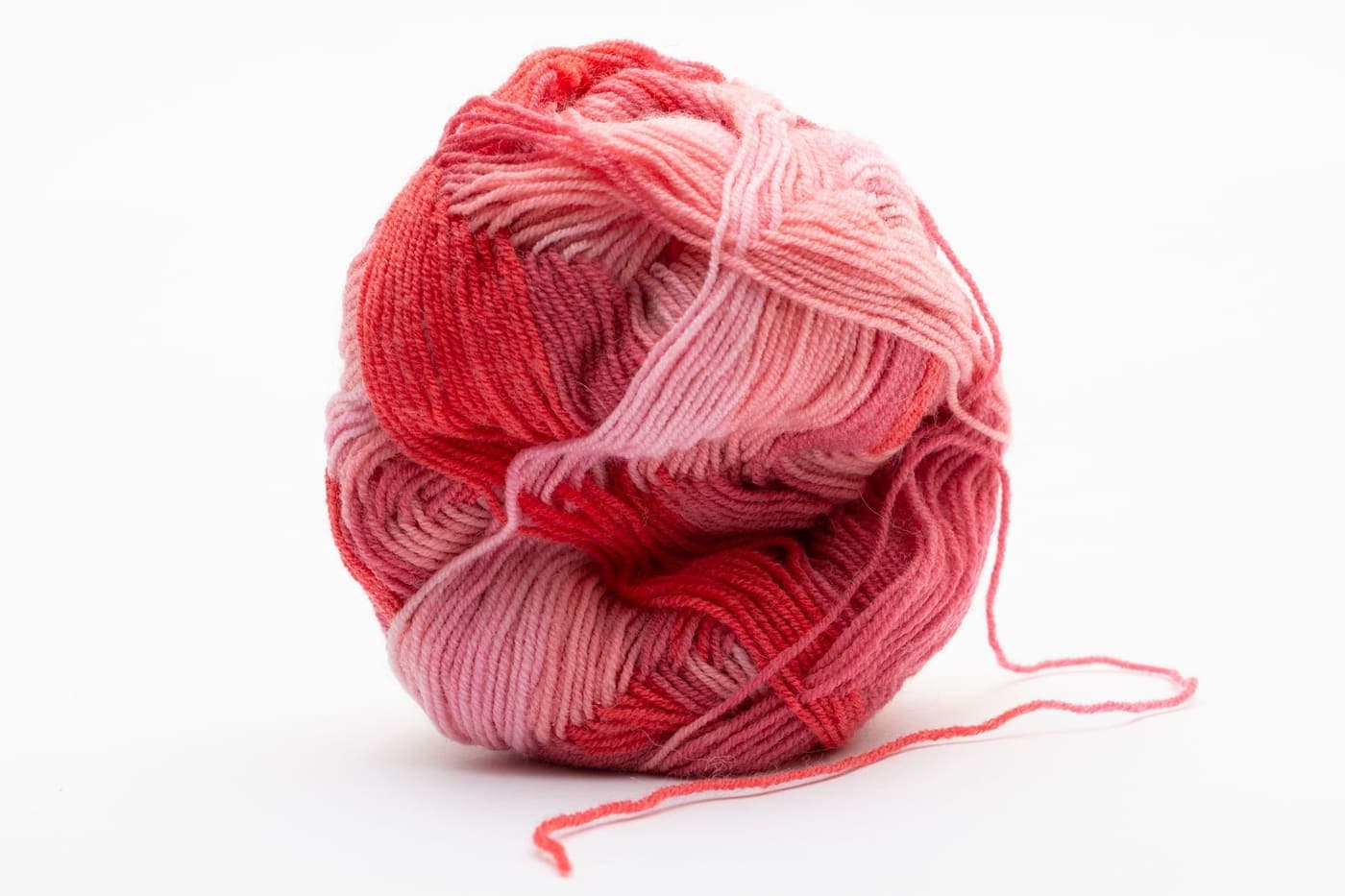
The short answer
Most knitting mistakes are fixed in place rather than by ripping back. A dropped stitch is picked up with a crochet hook. A twisted stitch is dropped down and remade. An extra stitch is usually a yarn over or a split stitch. Ripping back is the right answer only when the error is structural or many rows down in a pattern.
First: work out what you are looking at
Every fix below is easy once you have identified the failure, and impossible if you have not. Four things account for the overwhelming majority.
| Symptom | Almost always | Fix takes |
|---|---|---|
| A ladder running down the fabric | A dropped stitch | Two minutes |
| One stitch sits crossed at its base | A twisted stitch | Five minutes |
| Stitch count has gone up | An accidental yarn over, or a split stitch | Two minutes |
| Stitch count has gone down | Two stitches worked together, or one slipped off | Two minutes |
| A hole with no ladder | A yarn over, or a stitch worked into the wrong place | Duplicate stitch |
| The fabric is wider or narrower over time | Tension drift, not an error | Nothing; carry on |
The dropped stitch
The classic, and the one that looks the worst. A stitch has slipped off the needle and the column below it has unravelled into a ladder of horizontal bars.
- Stop and secure it. Put a locking marker or a safety pin through the live loop immediately, before it drops further.
- Count the bars. Each horizontal bar is one row it has to be pulled back up through.
- Use a crochet hook roughly the same size as your needle. Insert it into the live loop from the front.
- Catch the lowest bar and pull it through the loop. Repeat, working upward one bar at a time.
- Put the recovered stitch back on the left needle, untwisted, and carry on.
The twisted stitch
A stitch whose legs are crossed at the base. It looks tighter than its neighbors and slightly leaning, and in stockinette it is genuinely visible across a room once you know to look.
It happens when a stitch is mounted the wrong way on the needle and then worked, usually after picking up a dropped stitch or after a distracted moment.
To fix one a few rows down: drop that single column deliberately, down to the twisted stitch, then rebuild it with a crochet hook as above, making sure it is mounted correctly on the way back up. On the current row, just take it off and put it back the right way round.
Extra and missing stitches
The count is the symptom; the cause is one of three things.
- An accidental yarn over. Bringing the yarn to the front to purl and then knitting without moving it back creates a loop that reads as a stitch. It leaves a small hole - this is the commonest cause of an unexplained hole in a beginner's fabric.
- A split stitch. The needle went through the middle of the yarn rather than under it, so one stitch became two. See yarn ply and twist explained for why some yarns split more.
- Two worked together, or one slipped off. Both reduce the count by one.
If the count is wrong by one and the fabric looks fine, the pragmatic fix is to decrease or increase discreetly at the edge on the next row. Nobody will find it, and it costs nothing.
Holes
A hole with a ladder under it is a dropped stitch. A hole with no ladder is usually a yarn over, or a stitch worked into a gap rather than into a stitch.
If it is small and the fabric is otherwise correct, duplicate stitch over it with a spare length of the same yarn and a blunt tapestry needle - trace the path of the surrounding stitches so the repair sits in the fabric rather than on it. This is the same technique as weaving in ends, applied to a repair.
When to rip back, and how
Ripping back - frogging - is the right answer in three cases: the error is structural, it is a long way down a stitch pattern, or the fix would be more visible than the mistake.
- Put in a lifeline first, at the row you are ripping back TO. Thread waste yarn through every stitch of that row with a tapestry needle. Some needle tips have a hole drilled through for exactly this.
- Take the work off the needle and pull. It is faster and tidier than trying to unknit stitch by stitch.
- Stop at the lifeline. The waste yarn holds every stitch.
- Put the stitches back on the needle from the lifeline, checking they are all mounted the same way.
- Or unknit stitch by stitch (tinking) if it is fewer than about two rows. Slower per stitch, and no lifeline needed.
Ripping back damages yarn slightly, particularly a softly spun one - the fibers have been under tension and will look crimped. Winding it back into a ball and letting it rest, or a gentle steam, restores most of it.
The habits that prevent most of this
- Count at the end of every shaped row. A minute now against an evening later.
- Markers every ten rows. They locate a mistake as well as counting rows - see best row counters.
- Lifelines in lace, every repeat. Lace is where a mistake is least recoverable - see best knitting needles for lace.
- Do not knit tired. Almost every twisted stitch and accidental yarn over on this page arrives after ten in the evening.
- Look at the fabric every few rows. Errors caught within three rows are trivial; errors caught within thirty are not.
Crochet is different, and simpler
Crochet has one live loop, so there is nothing to drop and no ladder to run. Undoing crochet is simply pulling the yarn, and it stops exactly where you stop pulling.
That is a genuine advantage of the craft, and it is one reason crochet is often easier for beginners - see knitting vs crochet.
What a repair actually needs
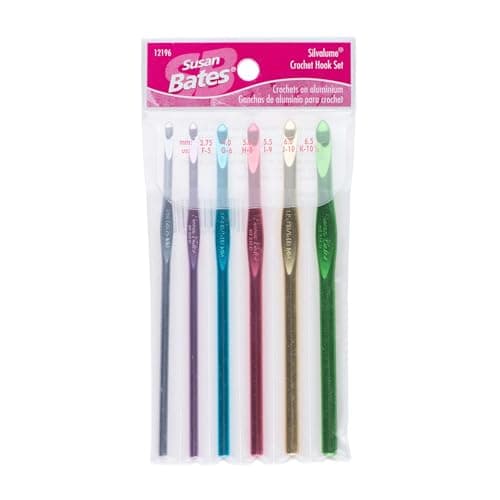
Susan Bates Silvalume Aluminum Crochet Hooks
A crochet hook is the tool for picking up a dropped stitch, whether or not you crochet.
$11.57 - View on Amazon#ad disclosure - price as of October 22, 2026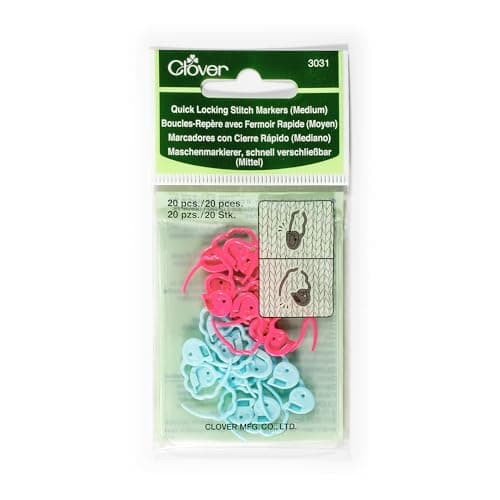
Clover Quick Locking Stitch Markers, Medium
A marker every ten rows means you can find where a mistake started instead of guessing.
$8.00 - View on Amazon#ad disclosure - price as of October 22, 2026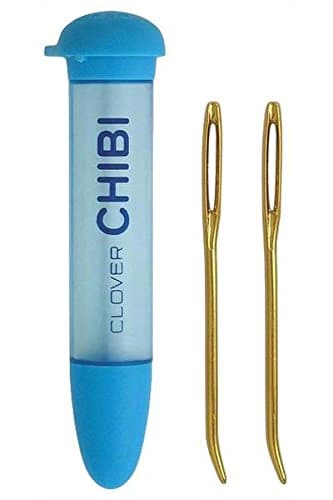
Clover Chibi Darning Needle Set (Bent Tip)
Blunt bent-tip needles, for threading a lifeline and for duplicate-stitching over a small hole.
$8.80 - View on Amazon#ad disclosure - price as of October 22, 2026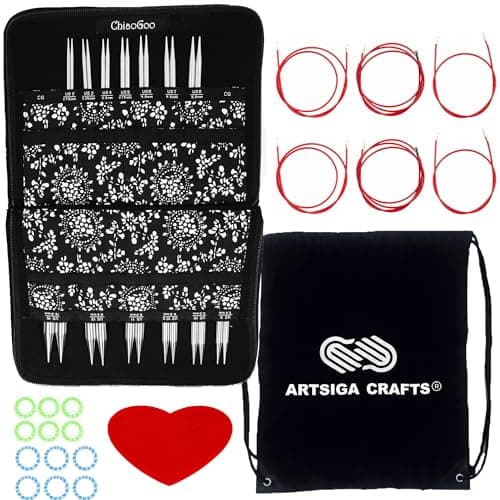
ChiaoGoo TWIST Red Lace Interchangeable Set (Complete, 5in tips)
Lifeline holes drilled through every tip - the set that lays a lifeline as you knit the row.
$216.80 - View on Amazon#ad disclosure - price as of October 22, 2026
Questions people actually ask
How do you fix a dropped stitch in knitting?
Secure the live loop with a marker or safety pin, then use a crochet hook to catch each horizontal ladder bar in turn and pull it through the loop, working upward. Put the recovered stitch back on the needle untwisted.
What is a twisted stitch and how do you fix it?
A stitch whose legs are crossed at the base - it looks tighter and slightly leaning. On the current row, take it off and remount it correctly. Further down, drop that column deliberately and rebuild it with a crochet hook.
Why do I keep getting extra stitches?
Usually an accidental yarn over - bringing the yarn forward to purl and then knitting without moving it back - or a split stitch where the needle went through the yarn rather than under it. Both add one stitch and a small hole.
What is a lifeline in knitting?
Waste yarn threaded through every stitch of a completed row. If you have to rip back, the lifeline holds the stitches so you can put them straight back on the needle. Some needle tips have a hole drilled for laying one as you knit.
Can you reuse yarn after ripping back?
Yes. It comes out crimped because the fibers have been under tension - wind it back into a ball and let it rest, or steam it gently, and most of the crimp relaxes.
Sources
- Susan Bates Silvalume aluminum hook set - retail specification
- Clover USA - Quick Locking Stitch Marker Set
- Clover Chibi darning needle set (bent tip) - retail specification
- ChiaoGoo TWIST Red Lace Complete interchangeable set specification
- Clover USA - Knitting Counter (Kacha-Kacha)
- Craft Yarn Council - Reading instructions and other basics