Guide
How to Repair a Hand-Knit
Stop the run first, then decide how to fix it. In that order, because one of them is a race.
By Sawyer V. · Published September 12, 2026
Disclosure: we earn a commission when you buy through the links on this page, at no extra cost to you. It never decides what we recommend or how we rank it - read the full disclosure.
The short answer
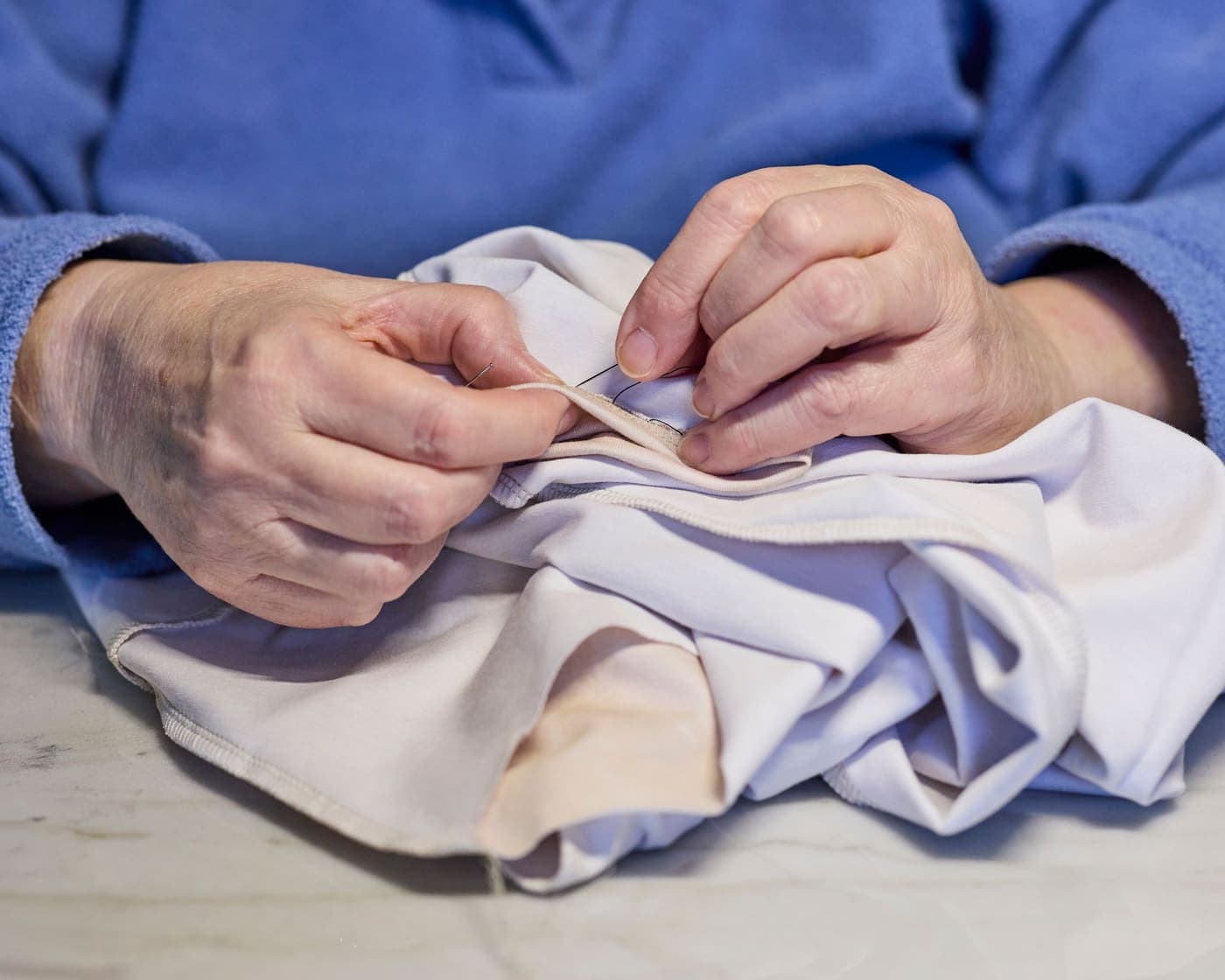
Secure the live stitch first with a locking marker or a safety pin, before you do anything else - a dropped stitch in a knitted fabric will run further every time the garment moves. Then fix it: pick the ladder back up with a crochet hook for a run, duplicate stitch over thin patches, and darn a genuine hole with matching yarn. Pilling is not damage and needs a shaver, not a repair.
First: is it actually damage?
| What you see | What it is | Urgency |
|---|---|---|
| Fuzzy balls on the surface | Pilling - not damage | None |
| A loop pulled out long | A snag | Low - do not cut it |
| A vertical ladder | A dropped stitch running | High - secure it now |
| A small round hole | Moth, or wear | Medium |
| Thin, see-through fabric | Abrasion, usually elbows | Medium |
| A split along a seam | Seam failure, not fabric failure | Low - easiest fix here |
The first row is the most common and the least serious. Pilling is loose fiber ends rolled into balls on top of intact fabric - see best fabric shavers for knitwear and why yarn pills.
Fixing a run
- Secure the bottom loop so it cannot drop further.
- Find the ladder. The horizontal strands crossing the gap are the yarn from each dropped row, in order.
- Use a small crochet hook. Insert it into the live loop from the front, catch the lowest ladder strand, and pull it through. Repeat, one rung at a time, working upwards.
- Check the direction. On the knit side you work from the front; on the purl side, from the back. Get it wrong and the stitch sits twisted.
- Put the last loop on a needle or secure it with a strand of matching yarn threaded through.
This is the same technique as fixing a dropped stitch mid-project - how to fix common knitting mistakes covers it on live knitting.
Snags
- Never cut a snag. Cutting it creates two ends and turns a pulled loop into a hole.
- Ease the excess back by gently stretching the fabric sideways on either side of the pull, working the slack outwards a little at a time.
- Or pull it through to the wrong side with a blunt needle and leave it there.
- Most snags disappear entirely after the garment is washed and the fibers relax.
Duplicate stitch, for thin patches
Before a hole forms, the fabric goes thin. Duplicate stitch - also called Swiss darning - reinforces it invisibly and is far easier than darning an actual hole.
- Thread matching yarn on a blunt needle.
- Follow the path of the existing stitches, tracing each V shape with a new strand laid exactly over it.
- Work over the whole thin area plus a stitch or two of sound fabric all around.
- The result is invisible from the front and doubles the thickness where you worked.
If you kept leftover yarn from the original project, this is what it was for. If you did not, a slightly different shade on the inside of an elbow matters far less than you think.
Darning a hole
- Secure every live stitch around the hole first.
- Trim nothing. Leave the loose ends - you will weave them in at the end.
- Support the fabric over a curved object so it lies flat and you do not stitch the front to the back.
- Lay warp threads across the hole vertically, anchored a few stitches into sound fabric on each side.
- Weave weft threads across them horizontally, over and under, to fill the gap.
- Weave the ends in on the wrong side.
Woven darns are strong and visible. A duplicate-stitch repair is invisible and only works where there is still fabric to follow - which is why catching a thin patch early is worth so much.
Moth damage
- Several small round holes in a wool garment is moth damage, not wear.
- Treat the whole wardrobe, not the garment. One damaged sweater means larvae somewhere.
- Freeze the garment in a sealed bag for several days before repairing it, or the problem continues.
- Then darn each hole as above.
- Store protein fibers properly afterwards - see best yarn storage solutions.
Moths eat protein fibers - wool, alpaca, mohair, cashmere, silk. Acrylic and cotton are not eaten, though moths will damage them incidentally in a blend.
Seams
A split seam looks alarming and is the easiest repair on this page. The fabric is intact; only the joining yarn has failed.
Re-seam the opened section with matching yarn, overlapping a couple of inches into the sound seam on either side so the new stitching is anchored. How to seam knitting and crochet has the technique.
When not to repair
- Widespread thinning rather than a single worn spot. The garment has reached the end.
- A yarn that has degraded - felted, brittle or shedding all over. Repairs will not hold.
- Multiple large holes in a cheap acrylic. The repair is worth more than the garment.
- Anything you never wore. Fix the fit problem instead, or pass it on.
Prevention is cheaper than any of this. Washing correctly, resting garments between wears and shaving pills early are covered in caring for hand knits.
What a repair kit needs
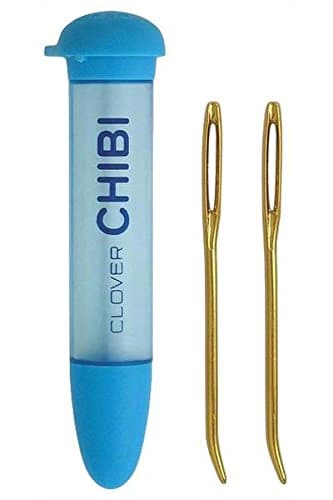
Clover Chibi Darning Needle Set (Bent Tip)
Three blunt bent-tip darning needles in a tube, for DK and thinner. The bent tip lifts a loop without splitting the yarn.
$8.81 - View on Amazon#ad disclosure - price as of September 21, 2026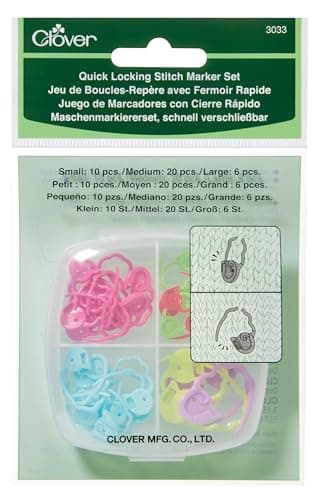
Clover Quick Locking Stitch Marker Set
36 locking markers, 10 small, 20 medium, 6 large - the fastest way to stop a run before it travels further.
$12.36 - View on Amazon#ad disclosure - price as of September 21, 2026
BEAUTURAL Rechargeable Fabric Shaver
Rechargeable, six-leaf blade, three speeds. Pilling is not damage, and it is the most common thing people mistake for it.
$11.96 - View on Amazon$14.9720% off · #ad disclosure - price as of September 21, 2026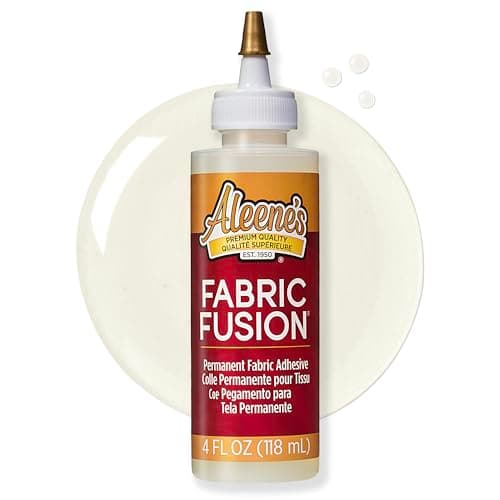
Aleene's Fabric Fusion
Clear water-based urethane adhesive, permanent and flexible, washable after 48 hours - for securing a patch backing, never for the repair itself.
$6.96 - View on Amazon#ad disclosure - price as of September 21, 2026
Questions people actually ask
How do you fix a hole in a knitted sweater?
Secure the live stitches around it first, then darn: lay vertical threads across the hole anchored into sound fabric, weave horizontal threads over and under them, and weave the ends in on the wrong side. Do not trim anything before you start.
How do you stop a run in knitting?
Put a locking marker, safety pin or scrap of yarn through the live loop immediately. A knitted fabric unravels down a column and the run gets longer every time the garment moves, so securing it is urgent even if the repair is not.
Should I cut a snag on a hand-knit?
Never. Cutting turns one pulled loop into two ends and a hole. Ease the slack back by gently stretching the fabric either side of the pull, or draw the loop through to the wrong side and leave it. Most snags vanish after a wash.
What is duplicate stitch and when should I use it?
Tracing the path of existing stitches with a new strand laid exactly over them. It reinforces thinning fabric invisibly and is far easier than darning an actual hole - which is why catching a thin elbow early is worth so much.
How do I know if it is moth damage?
Several small round holes in a wool, alpaca, mohair or cashmere garment. Freeze the garment in a sealed bag for several days before repairing, and treat the wardrobe rather than the one item - one damaged sweater means larvae somewhere.