Guide
Yarn Ply and Twist Explained
Two yarns can share a fiber and a weight and behave nothing alike. This is why.
By Sawyer V. · Published September 6, 2026
Disclosure: we earn a commission when you buy through the links on this page, at no extra cost to you. It never decides what we recommend or how we rank it - read the full disclosure.
The short answer
Ply is how many strands are twisted together to make the yarn. Twist is how tightly they are twisted. A firmly plied yarn resists splitting, shows stitches crisply and pills less; a loosely twisted one is softer, drapes better and splits more. Neither figure is on the ball band, so you judge them by eye.
The two variables
Ply: how many strands
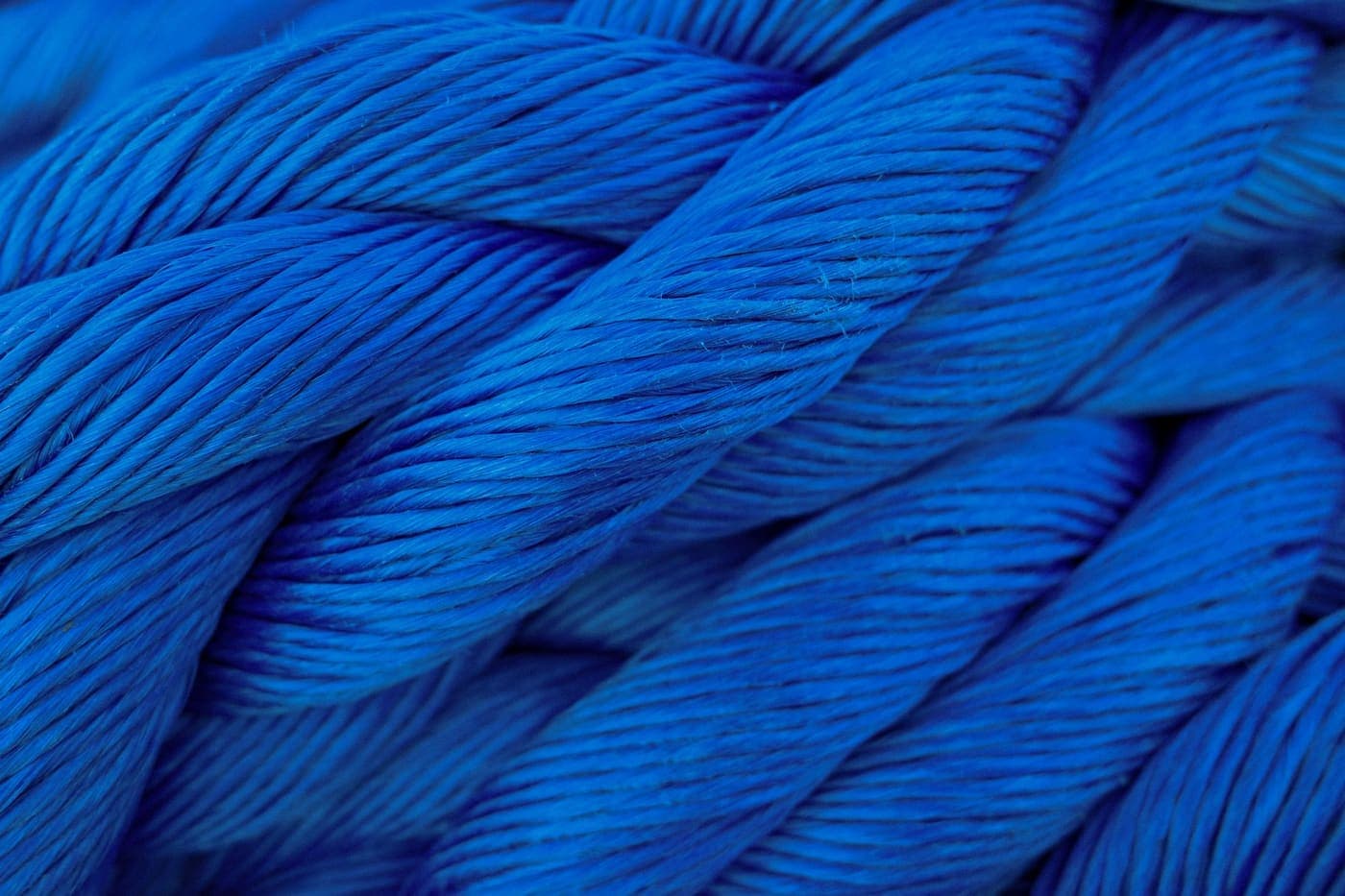
Fiber is first spun into a single strand - a single. Two or more singles twisted together make a plied yarn: a 2-ply, 3-ply, 4-ply and so on. Untwist the end of any yarn and you can count them.
Plying does two things. It balances the twist, so the yarn does not corkscrew, and it makes the yarn rounder in cross-section. More plies means a rounder yarn.
Twist: how tight
Twist is what holds fibers together at all. Too little and the yarn falls apart; too much and it becomes wiry and starts to kink back on itself.
Between those extremes is a wide usable range, and where a yarn sits in it is a deliberate design decision by the spinner. It is the single most under-discussed property in yarn buying.
What ply and twist actually predict
| Property | Firm twist, more plies | Light twist, fewer plies |
|---|---|---|
| Stitch definition | Crisp - cables and texture read clearly | Soft - texture blurs |
| Splitting on the hook | Rare | Frequent |
| Pilling | Less - fewer loose ends | More |
| Softness | Firmer hand | Softer hand |
| Drape | More structured | More fluid |
| Durability | Higher | Lower |
| Bloom after washing | Modest | Considerable |
| Warmth for its weight | Slightly less - denser | Slightly more - traps more air |
Read that table twice and most of the yarn advice on this site falls out of it. The reason our amigurumi picks are firmly plied cottons, and our shawl picks are softer, is this variable rather than the fiber.
Why your yarn splits
Splitting is when the hook or needle goes between the plies instead of under the whole strand, leaving a half-stitch that unravels later.
It has two causes and one of them is not your fault.
- Loose twist or a single. There is nothing holding the fibers together for the tip to catch, so it goes through them. This is construction, not technique.
- A blunt or badly-shaped tip. A tip that is pushed rather than guided finds the gap between plies. See in-line vs tapered crochet hooks - a tapered throat gathers the strand and splits less.
If a yarn splits constantly, changing the hook helps and changing the yarn helps more.
Why your yarn pills
Pilling is short fiber ends working their way to the surface under friction and tangling into a ball. Three construction factors drive it.
- Fiber length. Short fibers have more ends per inch of yarn. This is why linen barely pills and why merino pills more than a coarser wool.
- Twist. A tight twist physically traps the ends. A loose one lets them wander.
- Spinning method. Worsted-spun yarn - fibers combed parallel before spinning - has far fewer ends sticking out than woolen-spun yarn, where fibers lie in every direction.
That is why an anti-pilling claim on a ball band is a construction claim rather than a fiber one. Our why yarn pills page covers the mechanism in full.
Worsted-spun and woolen-spun, which is a different thing again
This is a genuine source of confusion because the word worsted is used for two unrelated ideas.
- Worsted weight is a yarn thickness - category 4 in the Craft Yarn Council system.
- Worsted-spun is a preparation method: fibers combed parallel, short ones removed, then spun. It makes a smooth, dense, strong, hard-wearing yarn.
- Woolen-spun is the opposite: fibers carded in all directions and spun with air trapped in. It makes a light, lofty, warm yarn that pills more and wears faster.
A yarn can be worsted weight and woolen-spun, or fingering weight and worsted-spun. The two words are unrelated and the ball band will usually tell you neither.
How to judge a yarn in your hand
None of this is printed on the label, so here is what to do with a ball in a shop.
- Untwist the end. Count the plies. Three or four is firm; one is a single.
- Untwist a few inches and let go. A firm twist springs back sharply. A loose one barely moves.
- Rub a length between your palms hard, ten times. If it fuzzes visibly, it will pill.
- Hold it to the light. A halo of loose fibers means woolen-spun and a softer, warmer, more pill-prone yarn.
- Pull it firmly. A yarn that drifts apart under moderate tension is undertwisted for hard-wearing use.
None of this makes a yarn bad
A softly spun single is the wrong yarn for a sock and exactly the right yarn for a cowl worn next to the neck. A hard-twisted 4-ply is the wrong yarn for a halo-bloomed shawl and exactly right for a hard-wearing sweater.
The point of knowing about ply and twist is not to grade yarns. It is to stop being surprised - by the amigurumi that would not hold its shape, by the sweater that pilled after a month, by the yarn that split on every stitch.
Yarns that show the difference
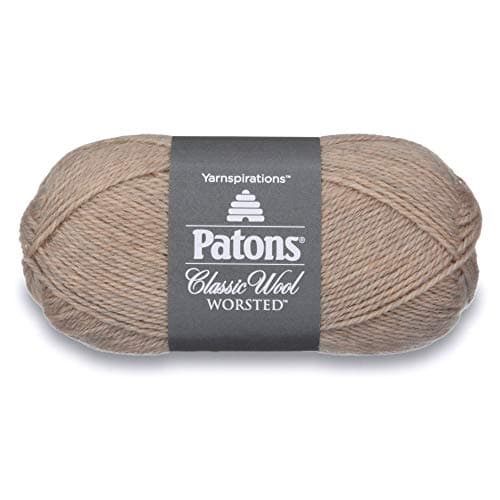
Patons Classic Wool Worsted
A firmly plied worsted wool - the reference for good stitch definition and low splitting.
$11.79 - View on Amazon#ad disclosure - price as of October 21, 2026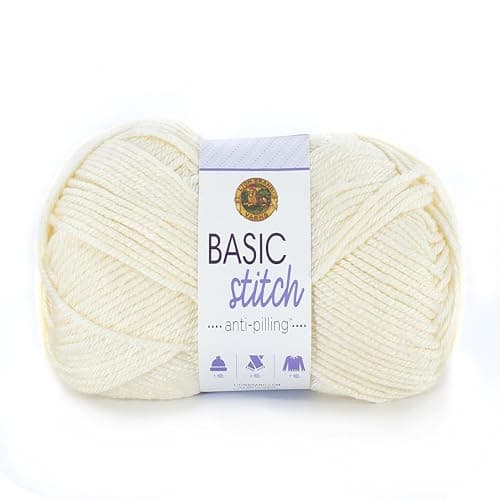
Lion Brand Basic Stitch Anti-Pilling
Acrylic spun specifically against fiber migration, which is a twist-and-construction claim, not a fiber one.
$5.99 - View on Amazon$11.7649% off · #ad disclosure - price as of October 21, 2026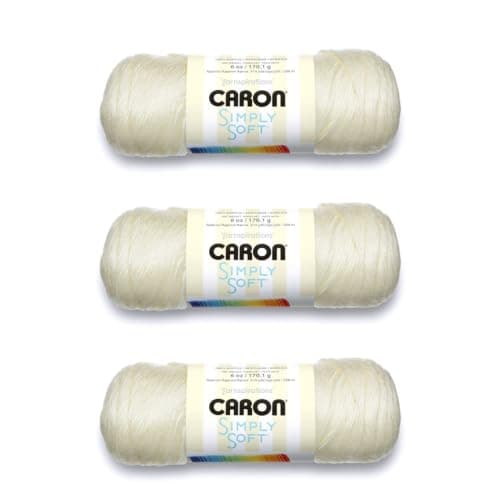
Caron Simply Soft
The opposite end: a light twist that gives it drape and softness, and makes it split under the hook.
$14.55 - View on Amazon$16.1810% off · #ad disclosure - price as of October 21, 2026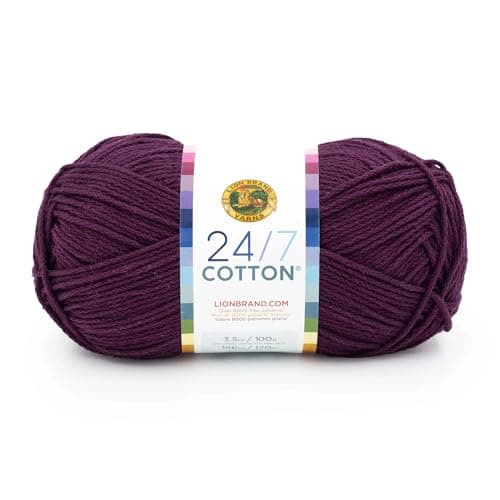
Lion Brand 24/7 Cotton
Mercerized and firmly plied, which is why it splits far less than untreated cotton at the same weight.
$6.99 - View on Amazon#ad disclosure - price as of October 21, 2026
Questions people actually ask
What does ply mean in yarn?
The number of strands twisted together to make the yarn - untwist the end and count them. Note that in UK and Australian usage 4-ply is a weight name meaning roughly fingering, not a count of strands.
Why does my yarn keep splitting?
Usually because it has a loose twist or is a single, so there is nothing holding the fibers together for your hook to catch. A tapered hook head helps; a more firmly plied yarn helps more.
Does ply affect pilling?
Yes. A tighter twist and more plies trap short fiber ends inside the yarn instead of letting them migrate to the surface, which is what a pill is made of. Fiber length and spinning method matter too.
What is the difference between worsted-spun and woolen-spun?
Worsted-spun combs the fibers parallel before spinning, making a smooth, dense, hard-wearing yarn. Woolen-spun cards them in all directions and traps air, making a lofty, warm yarn that pills more. Neither relates to worsted weight.
How can I tell how tightly a yarn is twisted?
Untwist a few inches and let go. A firm twist springs back sharply; a loose one barely moves. Rubbing a length hard between your palms shows how much it will fuzz in use.
Sources
- Yarnspirations - Patons Classic Wool Worsted specification
- Lion Brand - Basic Stitch Anti-Pilling specification
- Yarnspirations - Caron Simply Soft specification
- Lion Brand - 24/7 Cotton specification
- Lion Brand - Wool-Ease specification
- Craft Yarn Council - Standards and Guidelines for Crochet and Knitting
- Craft Yarn Council - Standard Yarn Weight System