The picks
Best Yarn for a Shawl
A shawl has no structure of its own. Everything depends on how the fabric hangs.
By Sawyer V. · Published September 4, 2026
Disclosure: we earn a commission when you buy through the links on this page, at no extra cost to you. It never decides what we recommend or how we rank it - read the full disclosure.
The short answer
Superwash merino in worsted or DK is the most forgiving shawl yarn: it drapes, it blocks, and it is comfortable on the neck. For a traditional lace shawl written in fingering weight, a wool-nylon sock yarn is the affordable option. Avoid anything bulky - drape is what a shawl is made of, and weight destroys it.
| # | Product | Best for | Fiber | Weight | Price |
|---|---|---|---|---|---|
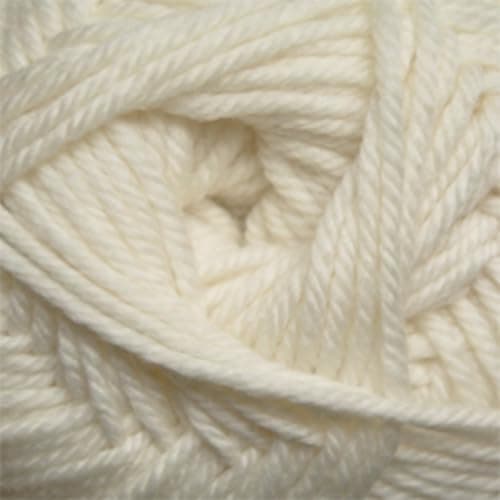
| 1 | Cascade 220 Superwash MerinoMerino drapes, blocks beautifully, and survives being worn against the neck. | A shawl you will actually wear | Superwash merino | DK / light worsted | $19.00 - View on Amazon |
| 2 | 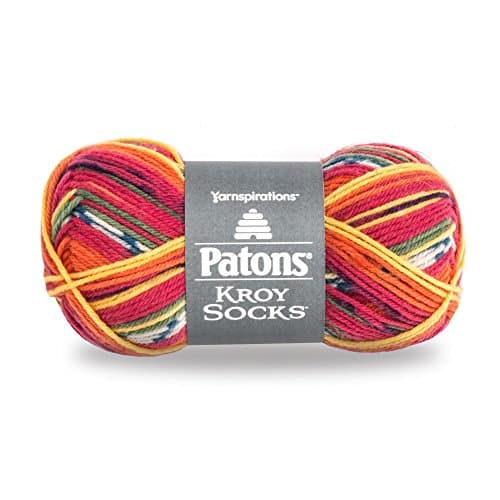 Patons Kroy SocksFingering weight with nylon in it - the cheapest way to knit a proper lace shawl. Patons Kroy SocksFingering weight with nylon in it - the cheapest way to knit a proper lace shawl. | Classic lace shawls at a real shawl gauge | 75/25 wool-nylon | Fingering (1) | $9.99 - View on Amazon#ad disclosure - price as of October 20, 2026 |
| 3 | 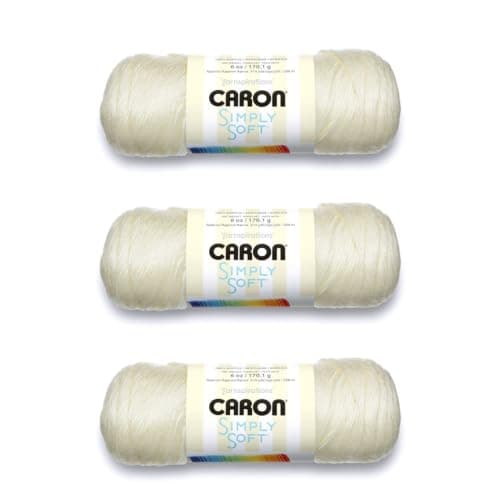 Caron Simply SoftAn acrylic with unusually good drape, which is rare and is this yarn's whole point. Caron Simply SoftAn acrylic with unusually good drape, which is rare and is this yarn's whole point. | A soft wrap without wool | 100% acrylic | Worsted (4) | $14.55 - View on Amazon |
| 4 | 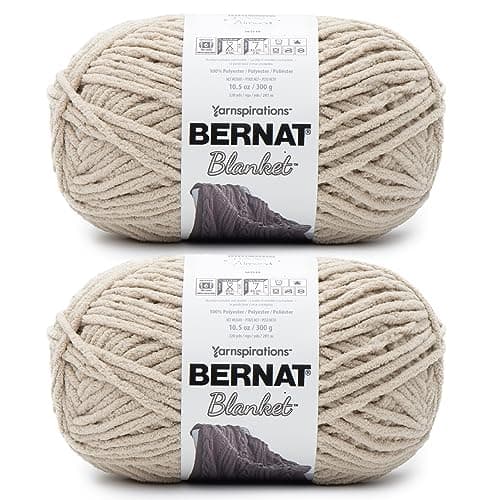 Bernat BlanketA super bulky chenille shawl is a rug with a neck hole. Bernat BlanketA super bulky chenille shawl is a rug with a neck hole. | Blankets, which is what it is designed for | Polyester chenille | Super bulky (6) | $20.96 - View on Amazon#ad disclosure - price as of October 20, 2026 |
Cascade 220 Superwash Merino
Cascade Yarns · Best for a shawl you will actually wear
Machine-washable merino at 220 yards to the 100g skein - the standard answer when a sweater pattern says worsted and you want to be able to wash it.
- Fiber
- 100% superwash merino wool
- Skein
- 3.5oz / 100g, 220yd / 200m
- Gauge
- 20 sts x 28 rows in stockinette on US 7
- Weight class
- DK to light worsted
- Care
- Superwash treated - machine washable
Who it suits
Anyone knitting a first serious shawl who wants the fabric to look like the pattern photograph.
Why it is here
100% superwash merino, DK to light worsted, 220yd per 100g. Fine merino fibers make a fluid fabric, and superwash merino takes a wet block exceptionally well - which matters because blocking is what opens lace out.
What you give up
Superwash merino grows when blocked and keeps some of that growth. Plan for it, or a triangular shawl ends up longer than the pattern says.
Specifications from Cascade Yarns product page. We have not handled this item - see how we pick.
Patons Kroy Socks
Patons · Best for classic lace shawls at a real shawl gauge
75/25 washable wool and nylon at fingering weight - the standard sock construction, at the cheapest price it comes in.
- Fiber
- 75% washable wool, 25% nylon
- Weight
- 1 Super Fine / fingering
- Ball
- 1.8oz / 50g, 166yd / 152m
- Gauge
- 32 sts x 40 rows on 2.75mm (US 2)
- Hook
- 3.25mm (US D/3), 22 sc x 24 rows
- Care
- Machine wash cool, dry flat
Who it suits
Anyone following a traditional lace pattern written for fingering weight, on a budget.
Why it is here
75% wool, 25% nylon, fingering weight (CYC 1), 166yd per 50g. Most published shawl patterns assume fingering, and this is one of the least expensive wool-content fingering yarns in general distribution.
What you give up
It is sock yarn, so it is spun hard for abrasion resistance rather than for softness. The fabric is durable and slightly crisp rather than fluid.
Specifications from Yarnspirations product page. We have not handled this item - see how we pick.
Caron Simply Soft
Caron · Best for a soft wrap without wool
A softer, shinier acrylic worsted with noticeable drape - which is exactly why it is a poor choice for anything that needs to hold a shape.
- Fiber
- 100% acrylic
- Weight
- 4 Medium / worsted
- Skein
- 6oz / 170g, 315yd / 288m
- Gauge
- 18 sts x 24 rows on 5mm (US 8)
- Hook
- 5mm (US H/8), 13 sc x 14 rows
- Care
- Machine wash cool, dry flat, no bleach
Who it suits
Anyone avoiding animal fiber, and anyone who wants a large wrap without a large bill.
Why it is here
100% acrylic, worsted weight, 315yd per 170g skein. It is spun with a light twist and a slight sheen, which is why it hangs rather than standing up the way most worsted acrylic does.
What you give up
Acrylic will not block. A wet block on wool is permanent; on acrylic the fabric springs back, so lace never fully opens. Steam blocking helps and is easy to overdo.
Specifications from Yarnspirations product page. We have not handled this item - see how we pick.
Bernat Blanket
Bernat · Best for blankets, which is what it is designed for
Polyester chenille at 108 yards to a 150g ball. Fast, warm, machine washable, and it will shed and worm if the tension is loose.
- Fiber
- 100% polyester (chenille)
- Weight
- 6 Super Bulky
- Ball
- 5.3oz / 150g, 108yd / 98m
- Gauge
- 8 sts x 13 rows on 8mm (US 11)
- Hook
- 8mm (US L/11), 7 sc x 8 rows
- Care
- Machine wash delicate, tumble dry gentle
Who it suits
Not shawl knitters, however tempting the speed is.
Why it is here
100% polyester chenille, super bulky (CYC 6), 108yd per 150g ball. It knits a shawl-sized piece very fast, and that is the entire argument for it.
What you give up
It is heavy, it has no drape at all, and lace patterns disappear completely into the pile. A shawl in it will not stay on your shoulders.
Specifications from Yarnspirations product page. We have not handled this item - see how we pick.
Drape is the entire specification
A sweater has shoulders and a body to hold its shape. A hat has a head in it. A shawl has nothing: it is a flat piece of fabric that has to fall into folds when you put it over your shoulders.
Whether it does that is drape, and drape comes from three things: fiber, how tightly the yarn is spun, and how loosely you knit it. Fine fibers drape; long fibers drape; loose fabrics drape. Everything else on this page follows from that.
Fibers ranked by drape
| Fiber | Drape | Trade-off |
|---|---|---|
| Silk and silk blends | Outstanding | Expensive; no elasticity; heavy for its bulk |
| Alpaca | Outstanding | So little memory that it grows; very warm |
| Merino | Very good | Pills more than a coarser wool |
| Standard wool | Good | Can be prickly against the neck |
| Bamboo and rayon blends | Very good | Weak when wet; grows |
| Acrylic | Variable - depends on spin | Will not block permanently |
| Cotton | Good but heavy | No spring; a big shawl is a heavy shawl |
Alpaca deserves a note: it drapes better than almost anything and it has almost no memory, which is why our alpaca page warns about garments growing. For a shawl, that lack of memory is much less of a problem than it is for a sweater, because nothing about a shawl needs to hold its width.
Blocking is not a finishing step here. It is the pattern
An unblocked lace shawl looks like a crumpled dishrag. That is not a failure - it is what lace looks like before it is stretched. Blocking opens the yarn overs, flattens the fabric and sets the shape, and it commonly adds 20 to 30 percent to the dimensions.
Which means the fiber's response to blocking matters as much as its drape. Wool blocks permanently: wet it, pin it, let it dry, and it stays. Acrylic does not - it has a plastic memory that returns. You can steam-block acrylic, which is a one-way and slightly risky operation known as killing the acrylic.
Our blocking mats page covers the surface, and blocking superwash wool covers the treated case, which grows more than untreated wool does.
Weight, and the yardage that follows
Shawl patterns cluster around fingering and DK. There is a reason: those weights give you enough yardage for a large piece without the fabric becoming heavy.
- Fingering (CYC 1): 400-900yd for a triangular shawl. The traditional lace weight range and where most published patterns live.
- Sport and DK (CYC 2-3): 500-750yd. Faster, warmer, still drapes.
- Worsted (CYC 4): 600-900yd for a wrap-sized piece. Warm, quick, and starting to be heavy.
- Bulky and above: avoid. The piece will be heavy enough to pull itself off your shoulders.
Those weight numbers come from the Craft Yarn Council system and the full yardage table is on how much yarn do I need.
The needle is bigger than you expect
Shawls are knitted loose on purpose - two or three sizes above the ball band. That is what makes the fabric fluid and what lets lace open when blocked.
You also want a long cable. A triangular shawl finishes with several hundred stitches on the needle, so 32in minimum and 40in is more comfortable. Sharp tips help with the decreases; best knitting needles for lace is the full argument.
What we would buy
- A first shawl: Cascade 220 Superwash Merino in DK or worsted, on a 32in circular.
- A traditional lace pattern: Patons Kroy Socks fingering, which costs a fraction of dedicated lace yarn.
- No animal fiber: Caron Simply Soft, and expect to steam rather than wet block.
- The tools: a sharp-tipped set for the decreases and blocking mats for the finish, which does more than the yarn choice.
Questions people actually ask
What yarn is best for a shawl?
A fine, well-draping fiber in fingering to worsted weight. Superwash merino is the most forgiving all-rounder; silk and alpaca drape better and cost more or grow more.
How much yarn do I need for a shawl?
400 to 900 yards of fingering weight for a triangular shawl, or 600 to 900 yards of worsted for a wrap. Larger rectangular wraps can run past 1,000 yards.
Can you make a shawl with acrylic yarn?
Yes, if you choose an acrylic with good drape such as Caron Simply Soft. The limitation is blocking - acrylic springs back from a wet block, so lace never opens fully. Steam blocking works but is permanent and easy to overdo.
Why does my shawl not drape?
Usually gauge rather than fiber. Shawls are knitted two or three needle sizes above the ball band recommendation; a fabric knitted at sweater gauge will stand up rather than hang.
Do I have to block a lace shawl?
Yes, if you want it to look like the pattern photograph. Blocking opens the yarn overs and commonly adds 20 to 30 percent to the finished dimensions. On wool it is permanent; on acrylic it is not.