The picks
Best Yarn for Amigurumi
Stitch definition, and a fabric tight enough that the stuffing does not show through.
By Sawyer V. · Published September 4, 2026
Disclosure: we earn a commission when you buy through the links on this page, at no extra cost to you. It never decides what we recommend or how we rank it - read the full disclosure.
The short answer
Use mercerized cotton. Lion Brand 24/7 Cotton gives the sharpest stitch definition of the widely-available options, which is what makes amigurumi look finished. Work it on a hook a half to a full size smaller than the label suggests - commonly 3.5 to 4mm for worsted - so the fabric is tight enough that stuffing does not show through.
| # | Product | Best for | Fiber | Yards/skein | Price |
|---|---|---|---|---|---|
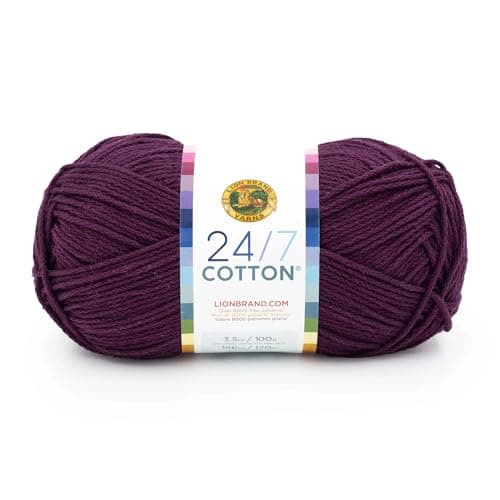
| 1 | Lion Brand 24/7 CottonMercerized cotton with the crispest stitch definition on this page. | Sharp stitch definition | 100% mercerized cotton | 186 | $6.99 - View on Amazon#ad disclosure - price as of October 20, 2026 |
| 2 | 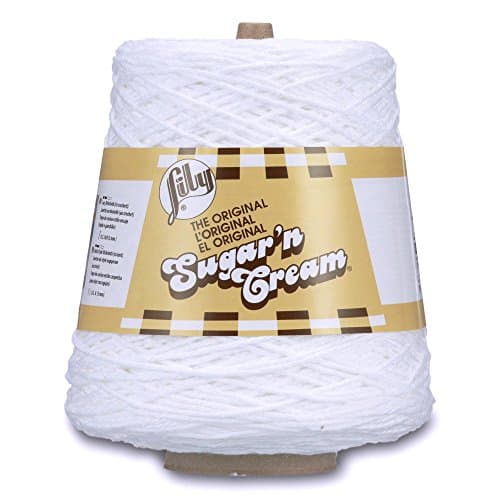 Lily Sugar'n CreamUnmercerized cotton in a small ball - cheap enough to practice with. Lily Sugar'n CreamUnmercerized cotton in a small ball - cheap enough to practice with. | Learning on, cheaply | 100% cotton | 120 | $17.88 - View on Amazon#ad disclosure - price as of October 20, 2026 |
| 3 | 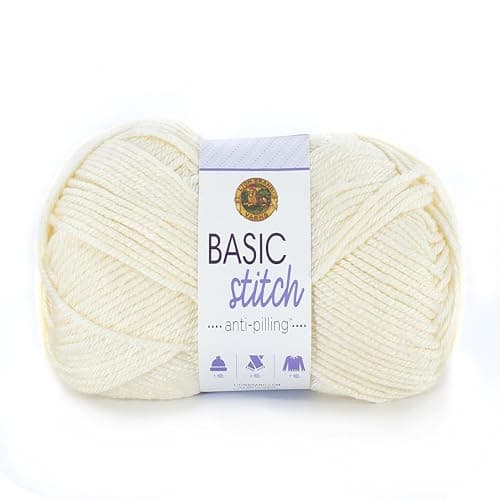 Lion Brand Basic Stitch Anti-PillingSmooth acrylic with good definition, and it goes in the machine. Lion Brand Basic Stitch Anti-PillingSmooth acrylic with good definition, and it goes in the machine. | A toy that will be handled and washed | 100% acrylic | 185 | $5.99 - View on Amazon |
| 4 | 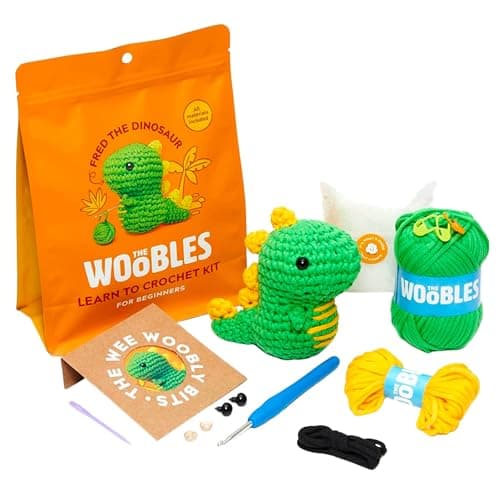 The Woobles Beginner Crochet KitShips with the first rounds already worked - which is the step people quit on. The Woobles Beginner Crochet KitShips with the first rounds already worked - which is the step people quit on. | Someone who has never crocheted | 75% cotton, 25% nylon | Kit | $29.96 - View on Amazon#ad disclosure - price as of October 20, 2026 |
| 5 | 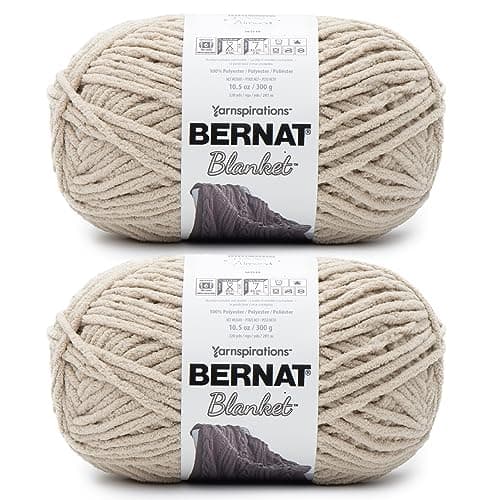 Bernat BlanketChenille hides every stitch you make. That is the opposite of the goal. Bernat BlanketChenille hides every stitch you make. That is the opposite of the goal. | Not amigurumi | 100% polyester | 108 | $20.96 - View on Amazon#ad disclosure - price as of October 20, 2026 |
Lion Brand 24/7 Cotton
Lion Brand · Best for sharp stitch definition
Mercerized cotton with a sheen and a stiff hand. Stitch definition is the best on this page, which is why amigurumi people keep buying it.
- Fiber
- 100% mercerized cotton
- Weight
- Worsted
- Skein
- 3.5oz / 100g, 186yd / 170m
- Gauge
- 19 sts x 26 rows on 5mm (US 8)
- Hook
- 5.5mm (US I/9), 16 sc x 18 rows
- Care
- Machine wash, water not above 105F; medium heat dryer
Who it suits
Anyone who wants their single crochet to read as individual stitches rather than as texture - which is most of what amigurumi is judged on.
Why it is here
100% mercerized cotton, 186 yards to a 100g skein, published crochet gauge 16 sc x 18 rows on 5.5mm. Mercerizing tightens and smooths the fiber, which is why the stitches sit up so clearly.
What you give up
Cotton is less forgiving on the hands than acrylic - it has no give, so tight tension gets tiring. And with no memory at all, a badly stuffed piece stays badly stuffed.
Specifications from Lion Brand product page. We have not handled this item - see how we pick.
Lily Sugar'n Cream
Lily · Best for learning on, cheaply
Unmercerized cotton in a small 2.5oz ball. Absorbent, hard-wearing, and the reason every dishcloth pattern ever written specifies it.
- Fiber
- 100% cotton
- Weight
- 4 Medium / worsted
- Ball
- 2.5oz / 71g, 120yd / 109m
- Gauge
- 20 sts x 26 rows on 4.5mm (US 7)
- Hook
- 5mm (US H/8), 13 sc x 14 rows
- Care
- Machine wash not above 86F delicate, tumble dry low
Who it suits
Anyone making their first amigurumi and not yet sure they will make a second.
Why it is here
100% cotton, 120 yards to a 71g ball, published crochet gauge 13 sc x 14 rows on 5mm. Amigurumi pieces are small, so a small ball is the right unit - you rarely need more than one per color.
What you give up
Unmercerized, so the surface is matte and slightly fuzzier than 24/7 Cotton, and the stitch definition is a step behind. It also splits more readily under a sharp hook.
Specifications from Yarnspirations product page. We have not handled this item - see how we pick.
Lion Brand Basic Stitch Anti-Pilling
Lion Brand · Best for a toy that will be handled and washed
An acrylic worsted sold specifically on its pilling behavior, which is the one complaint that ends most acrylic garments.
- Fiber
- 100% acrylic
- Weight
- 4 Medium / worsted
- Skein
- 3.5oz / 100g, 185yd
- Gauge
- 18 sts x 26 rows on US 8 (5mm)
- Hook
- H-8 (5mm), 16 sc x 18 rows
- Care
- Machine wash, machine dry
Who it suits
Anyone making a toy for an actual child rather than a shelf, where washability outranks crispness.
Why it is here
100% acrylic, 185 yards to a 100g skein, machine wash and machine dry. It is smoother and more tightly constructed than a typical soft acrylic, which is what keeps the stitches readable.
What you give up
Acrylic never matches mercerized cotton for definition. The stitches read clearly; they do not read sharply.
Specifications from Lion Brand product page. We have not handled this item - see how we pick.
The Woobles Beginner Crochet Kit
The Woobles · Best for someone who has never crocheted
An amigurumi kit that ships with the first rounds already worked, which removes the single step most people quit on.
- Includes
- Pre-started piece, yarn, 4mm hook, stuffing, safety eyes, tapestry needle, stitch markers
- Yarn
- 75% cotton, 25% nylon, described by the maker as fray-resistant
- Instruction
- Step-by-step video tutorials, right- and left-handed
- Age
- 12 and up
Who it suits
A complete beginner, or a gift for one. The pre-started piece removes the magic ring, which is where most first attempts end.
Why it is here
The kit includes the pre-started piece, yarn described by the maker as fray-resistant, a 4mm hook, stuffing, safety eyes, tapestry needle and stitch markers, with step-by-step video tutorials for right and left-handed crafters.
What you give up
You are paying kit money for a small amount of yarn. It is a teaching product, not a value purchase - buy it for the instruction, not the materials.
Specifications from The Woobles product page. We have not handled this item - see how we pick.
Bernat Blanket
Bernat · Best for not amigurumi
Polyester chenille at 108 yards to a 150g ball. Fast, warm, machine washable, and it will shed and worm if the tension is loose.
- Fiber
- 100% polyester (chenille)
- Weight
- 6 Super Bulky
- Ball
- 5.3oz / 150g, 108yd / 98m
- Gauge
- 8 sts x 13 rows on 8mm (US 11)
- Hook
- 8mm (US L/11), 7 sc x 8 rows
- Care
- Machine wash delicate, tumble dry gentle
Who it suits
Nobody, for this. It is here because chunky chenille amigurumi keeps getting suggested for its softness, and the result is a soft lump.
Why it is here
100% polyester chenille at category 6, published gauge 7 sc x 8 rows on 8mm. The pile that makes it soft is exactly what buries stitch definition.
What you give up
You also cannot see your own stitches while working, so counting rounds becomes guesswork, and stuffing shows through the loose gauge.
Specifications from Yarnspirations product page. We have not handled this item - see how we pick.
The two properties that decide an amigurumi yarn
Stitch definition. Amigurumi is judged on whether the single crochet stitches read as a neat spiral. Smooth, tightly-plied, mercerized yarns show them; fuzzy, lofty, brushed yarns do not. Mercerized cotton is the top of that scale, which is why it dominates the craft.
Fabric density. Stuffing shows through a loose fabric, and a loose fabric also lets the piece distort. That is why amigurumi patterns specify hooks well below the yarn's recommended size - the standard crochet range for worsted is 5.5 to 6.5mm, and amigurumi routinely uses 3.5 to 4mm on the same yarn.
Going down that far is deliberate, not an error. The full sizing logic is on the hook size chart.
Cotton or acrylic?
| Mercerized cotton | Acrylic | |
|---|---|---|
| Stitch definition | Sharpest | Good, not sharp |
| On the hands | No give - tiring at tight tension | Slight give - easier |
| Splitting | Low - tightly plied | Varies by brand |
| Machine washable | Yes | Yes, and dryable |
| Weight of finished toy | Heavier | Lighter |
| Colors available | Good | Widest |
| Cost | Higher per yard | Lowest |
For a display piece or anything you want to look sharp, cotton. For a child's toy that will be dragged around and washed, acrylic - lighter, softer, more forgiving. Neither is wrong; they optimize for different owners.
Amigurumi for beginners
The three things that reliably go wrong on a first attempt, and the fix for each:
- The magic ring. It is the standard start and it is genuinely fiddly. Either practice it separately before starting a project, or use a kit that ships pre-started.
- Losing count. Amigurumi is worked in a continuous spiral, so there is no visible row end. Use a stitch marker in the first stitch of every round and move it as you go - this is not optional.
- Fabric too loose. If you can see stuffing, the hook is too big. Go down a half size and reswatch.
Light, solid colors make all three easier, because you can actually see your stitches. Save the variegated yarn for the second one.
Safety for toys given to children
- Skip safety eyes for under-threes. Embroider the face instead. Safety eyes are secure in normal use and not worth the risk with a child who chews.
- Use polyester fiberfill, not scraps or beans.
- Work tight and check as you go - hold the piece to a light while stuffing. If light comes through, so will stuffing.
- Weave ends in deeply, not just along the surface. A washed toy works ends loose.
How we picked
Every yarn here was assessed on its published specification - fiber, mercerization, gauge and care - and ranked on stitch definition first, because that is what amigurumi is for. We have not made anything with any of them. How we pick has the method; the hook side of the decision is in best crochet hooks and best hook for cotton yarn.
Questions people actually ask
What is the best yarn for amigurumi beginners?
A smooth worsted cotton or acrylic in a light, solid color. Light because you need to see your stitches, solid because variegated yarn hides them, and smooth because fuzzy yarn hides them too.
What size hook for amigurumi?
A half to a full size below the yarn's recommended hook - commonly 3.5 to 4mm with worsted yarn. The goal is a fabric tight enough that stuffing does not show through the stitches.
Is cotton or acrylic better for amigurumi?
Cotton for stitch definition and a crisper finished piece; acrylic for a lighter, softer toy that a child will drag around and that washes and dries easily.
Why does my amigurumi have gaps?
The hook is too big for the yarn. Go down a half or full size and swatch again. Loose tension shows stuffing and lets the piece distort.
Can I use chenille or blanket yarn for amigurumi?
You can, and the result loses all stitch definition, so the piece reads as a soft lump rather than a crocheted figure. You also cannot see your own stitches to count rounds.