Reference
Yarn Fiber Comparison Table
Every common fiber on the same axes, in one table you can actually use.
By Sawyer V. · Published September 4, 2026
Disclosure: we earn a commission when you buy through the links on this page, at no extra cost to you. It never decides what we recommend or how we rank it - read the full disclosure.
The short answer
For a warm, shaped garment choose wool. For anything machine washed constantly choose acrylic or superwash wool. For summer garments, bags and dishcloths choose cotton. For drape and warmth without shaping choose alpaca. For fast, soft blankets choose chenille - and accept that it hides every stitch you make.
Every fiber page on this site argues one comparison in depth. This page puts them all on the same axes so you can see the shape of the trade-offs at once.
The full comparison
| Fiber | Warmth | Drape | Memory | Machine wash | Stitch definition | Pilling | Cost |
|---|---|---|---|---|---|---|---|
| Acrylic | Good | Varies by brand | Poor | Yes, and dryer | Good | Brand-dependent | Lowest |
| Wool (untreated) | Excellent | Moderate | Excellent | No - felts | Excellent | Moderate | Moderate |
| Superwash wool | Excellent | Moderate to high | Good | Yes | Excellent | Moderate | Moderate to high |
| Merino | Excellent | Moderate | Excellent | Only if superwash | Excellent | Moderate | Moderate to high |
| Alpaca | Highest per gram | High | Very poor | Usually no | Soft, blurred | Low to moderate | High |
| Cashmere | Very high | High | Moderate | No | Soft | High | Highest |
| Cotton | Low | High and heavy | None | Yes | Excellent | Low | Low to moderate |
| Mercerized cotton | Low | Moderate, stiffer | None | Yes | Highest | Very low | Moderate |
| Wool-acrylic blend | Good | Moderate | Moderate | Usually yes | Good | Moderate | Low |
| Wool-nylon (sock) | Good | Low | Good | Usually yes | Good | Low | Moderate |
| Polyester chenille | High | Heavy | Poor | Yes | None | Sheds and worms | Low per ball, high per project |
Reading the table
Memory is the column that decides the most and gets read the least. It is the fiber's willingness to return to shape after being stretched, and it is what makes ribbing grip, cables stand up and a cuff stay a cuff. Acrylic, cotton and alpaca are all poor at it, in different ways and for different reasons. Anything fitted wants wool in it.
Stitch definition is how clearly the fabric shows what you made. Mercerized cotton is the sharpest, which is why it dominates amigurumi. Chenille has none at all - a cable in chenille yarn is a cable nobody will ever see, and that is worth knowing before you buy the yarn rather than after.
Cost is per yard, not per ball, and the last row is the trap. Chenille is cheap per ball and expensive per project, because a 150g ball of Bernat Blanket carries 108 yards where a 198g skein of Red Heart Super Saver carries 364. Always run the arithmetic in how much yarn do I need before deciding a yarn is cheap.
Shortlist by project
| Project | First choice | Deciding property |
|---|---|---|
| Fitted sweater | Wool or merino | Memory in the ribbing and shaping |
| Machine-washed sweater | Superwash merino or a wool blend | Washability without losing all springback |
| Baby blanket | Acrylic or superwash wool | Washed constantly, by someone who will not read a label |
| Throw or afghan | Acrylic, or chenille for speed | Yardage cost and washability |
| Amigurumi | Mercerized cotton | Stitch definition and a fabric tight enough to hide stuffing |
| Dishcloth | Unmercerized cotton | Absorbency and abrasion resistance |
| Socks | Wool-nylon blend | Elasticity plus wear at the heel |
| Summer top | Cotton or a cotton blend | Drape and coolness |
| Shawl | Alpaca or a fine wool | Drape - and no shaping to lose |
| Winter hat | Wool or merino | Warmth when damp, and a brim that grips |
Where each comparison is argued properly
- Acrylic vs wool - the comparison most projects actually come down to.
- Superwash vs non-superwash - what the treatment does, and what it costs.
- Alpaca vs merino - warmth and drape against memory.
- Cashmere vs merino - whether the price gap buys anything you need.
- Wool-acrylic blends - whether blending is best-of-both or worst-of-both.
And if the object is already chosen, yarn by project starts from the thing you want to make rather than from the fiber.
One yarn per row of the table
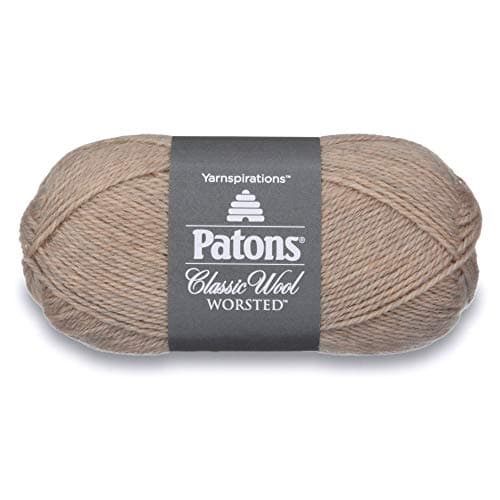
Patons Classic Wool Worsted
Wool, untreated - the warmth and springiness column.
$11.79 - View on Amazon#ad disclosure - price as of October 20, 2026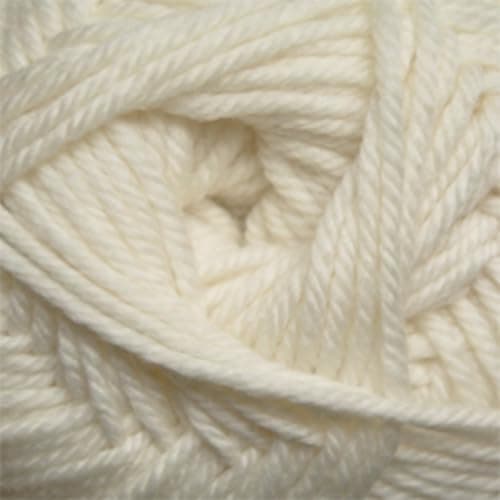
Cascade 220 Superwash Merino
Superwash merino - fine, soft, machine washable.
$19.00 - View on Amazon$21.0010% off · #ad disclosure - price as of October 20, 2026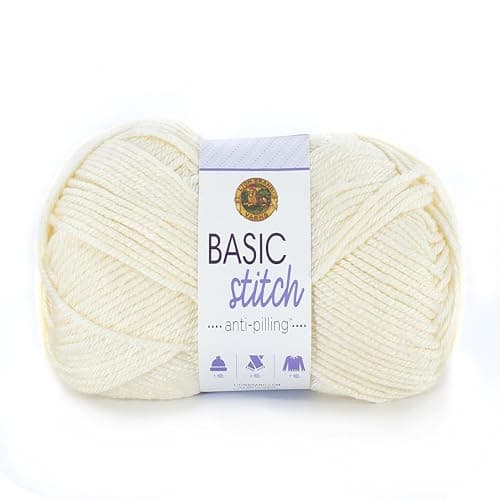
Lion Brand Basic Stitch Anti-Pilling
Acrylic - light, cheap, washable, and spun against pilling.
$5.99 - View on Amazon$11.7649% off · #ad disclosure - price as of October 20, 2026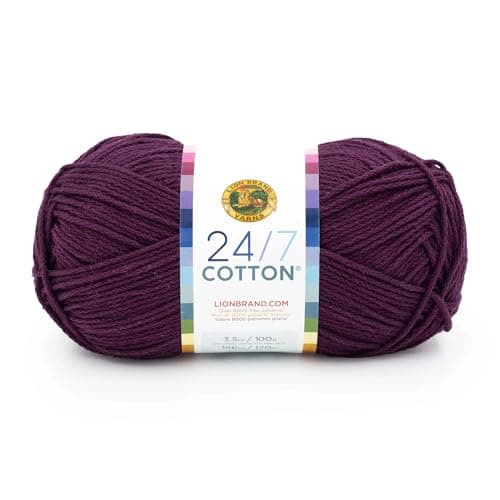
Lion Brand 24/7 Cotton
Cotton - absorbent, inelastic, and the only one here that takes a hot wash.
$6.99 - View on Amazon#ad disclosure - price as of October 20, 2026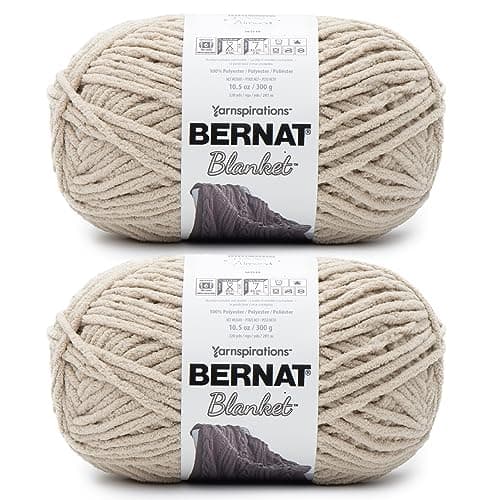
Bernat Blanket
Polyester chenille - the super bulky outlier the table keeps having to caveat.
$20.96 - View on Amazon#ad disclosure - price as of October 20, 2026
Questions people actually ask
What is the difference between acrylic, cotton and wool yarn?
Wool is a springy protein fiber that holds shape and stays warm when damp. Cotton is a plant fiber with no memory that drapes heavily and washes easily. Acrylic is a synthetic that is cheap and machine washable but has almost no springback.
Which yarn fiber is best for beginners?
A smooth worsted-weight acrylic or wool-acrylic blend in a light, solid color. Cheap enough to make mistakes with, sturdy enough to frog and reuse, and with clear enough stitch definition that you can see what went wrong.
Which yarn does not pill?
No yarn is pill-proof. Mercerized cotton and tightly-plied smooth yarns pill least, because there are fewer loose fiber ends to migrate. Some acrylics are engineered specifically against pilling and say so on the label.
What is the warmest yarn fiber?
Per gram, alpaca and cashmere lead, because both trap a lot of air for very little weight. For warmth that survives being damp, wool is the practical answer.
Which yarn is best for summer garments?
Cotton, linen or a cotton blend. All are cool against skin and wash easily. Expect drape rather than structure, and expect a cotton garment to grow lengthwise under its own weight.