Guide
Does Wool Keep You Warm When Wet?
Yes, and the mechanism is chemistry rather than campfire wisdom.
By Sawyer V. · Published October 6, 2026
Disclosure: we earn a commission when you buy through the links on this page, at no extra cost to you. It never decides what we recommend or how we rank it - read the full disclosure.
The short answer
Yes. Wool keeps you measurably warmer than cotton or acrylic when it is damp, for two reasons that are both published. First, wool is hygroscopic - The Woolmark Company states it can absorb up to 35% of its weight in moisture before it feels wet against skin, so a wool fabric is still dry to the touch long after a cotton one would be soaked. Second, as wool absorbs that moisture it releases heat: Woolmark's figure is that one kilogram of dry wool can release heat equivalent to an electric blanket running for eight hours. What wool does not do is keep you warm when it is genuinely saturated and you are standing still in wind. The claim is real, and it is smaller than the outdoor-shop version of it.
Why wet wool still insulates
Insulation is trapped air. Soak cotton and the fibers swell, collapse against each other and the air goes - which is why a wet cotton shirt feels like a cold compress. Wool behaves differently in three ways at once.
- Wool takes water into the fiber, not just between fibers. It is hygroscopic: water vapor passes through the outer layer into the body of the fiber, so the fabric's air pockets stay open while the water is in storage.
- It releases heat while absorbing. The water's hydrogen bonds break and react with the wool molecule, and that reaction is exothermic. This is the heat of sorption, and it is what makes a damp wool layer feel warmer rather than colder at the moment it gets damp.
- The crimp holds the structure up. Wool's natural waviness keeps fibers apart under load, so the fabric does not pack down flat when it is heavy with water.
What the numbers are
| Fiber | Water held before it feels wet | Warm when damp? | Dries |
|---|---|---|---|
| Wool | Up to 35% of its own weight | Yes - releases heat as it absorbs | Slowly |
| Merino | Same mechanism, finer fiber | Yes | Slowly |
| Alpaca | Hollow fiber, very warm | Yes, but holds water at the core | Very slowly |
| Cotton | Little - wets out fast | No - actively cold | Slowly |
| Acrylic | Almost none - hydrophobic | No, but does not get heavy either | Fast |
| Nylon | Almost none | No | Fast |
| Bamboo viscose | Absorbs readily, weakens wet | No | Slowly |
Woolmark also publishes the comparison against synthetics directly: wool fabrics move '25% more moisture away from your skin than polyester fabrics', and 'when you stop exercising in very cold conditions, you can experience three times more chilling in synthetic garments than when wearing wool garments'.
Who should change what they buy
This is the part most articles skip. The effect is real but it only matters for some projects.
| Project | Does it matter? | What to buy |
|---|---|---|
| Hiking socks | Yes, a lot | Wool with nylon - the whole reason that blend exists |
| Winter hat, mittens, outdoor scarf | Yes | Wool or a high-wool blend |
| Baby outerwear | Yes | Superwash merino |
| Indoor sweater | Barely | Buy for hand and washability instead |
| Blanket | No | Buy for weight, drape and washability |
| Dishcloth, market bag | No - you want it to dry | Cotton, deliberately |
| Summer garment | No | Cotton or linen, deliberately |
Superwash changes this, slightly
The superwash treatment smooths or coats the scales so the fiber cannot felt. The wool protein underneath is unchanged, so the hygroscopic behavior and the heat of sorption are still there.
What does change is the free water. Superwash wool takes on more surface water, gets heavier, grows under its own weight while wet, and dries more slowly. For a hiking sock that is a mild negative; for a baby garment that goes in the machine it is worth it. Superwash vs non-superwash covers the full trade, and blocking superwash wool covers the growth problem.
What this does not mean
- It does not mean wool is waterproof. It is not. It means wool stays comfortable further into getting wet.
- It does not make wet wool light. A soaked wool sweater is extremely heavy, and that is its own hazard outdoors.
- It does not mean wool dries fast. It is one of the slowest fibers to dry. Acrylic beats it comfortably on that measure.
- It does not transfer to blends at the blend ratio. A 20% wool blend does not give you 20% of the effect in any useful sense - the acrylic sets the fabric's behavior.
- It does not apply to superwash to the same degree in practice, because of the free water the treatment allows the fiber to carry.
If you are choosing between fibers for a specific project, the fiber comparison table puts all of these side by side, and wool vs cotton yarn is the direct head-to-head.
The yarns this matters for
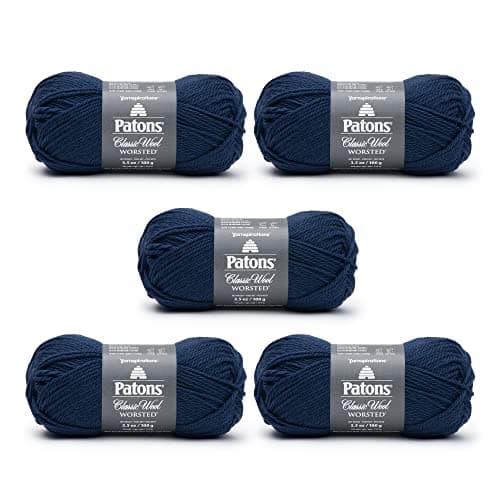
Patons Classic Wool Worsted
Untreated 100% wool, 194yd per 100g - the full effect, because nothing has been stripped off the fiber surface.
$43.18 - View on Amazon#ad disclosure - price as of October 7, 2026
Cascade 220 Superwash Merino
Superwash merino, 220yd per 100g, machine washable. Still wool, still hygroscopic - but it holds more free water and dries slower.
$21.00 - View on Amazon#ad disclosure - price as of October 7, 2026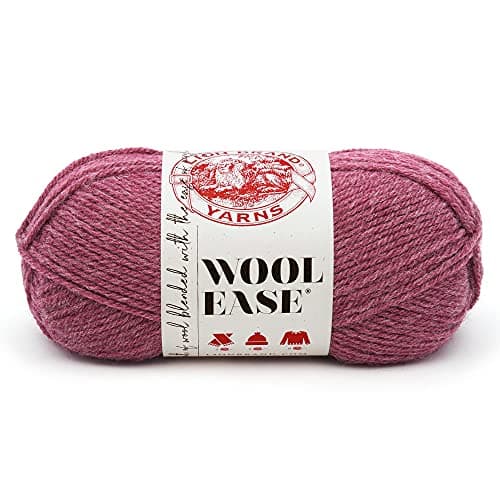
Lion Brand Wool-Ease
80% acrylic, 20% wool. The acrylic dominates: expect a fraction of the effect, and a garment that gets genuinely cold when soaked.
$11.77 - View on Amazon#ad disclosure - price as of October 7, 2026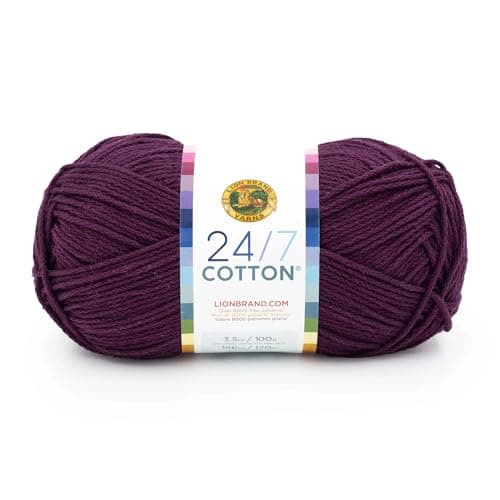
Lion Brand 24/7 Cotton
The counter-example. Cotton holds water without releasing heat, so a wet cotton garment is actively cold.
$6.99 - View on Amazon#ad disclosure - price as of October 7, 2026
Questions people actually ask
Does wool really keep you warm when wet?
Yes, within limits. The Woolmark Company publishes that wool absorbs up to 35% of its weight before feeling wet, and that it releases heat as it absorbs - one kilogram of dry wool releasing heat equivalent to an electric blanket running for eight hours. Once wool is fully saturated and carrying free water, it behaves like any other wet garment.
Is wool warmer when wet than when dry?
No. It feels warmer at the moment it takes up moisture, because the absorption releases heat, but a damp wool garment is not warmer than the same garment dry. The comparison that holds is wet wool against wet cotton or wet acrylic, and wool wins that comfortably.
Does merino wool keep you warm when wet?
Yes - the mechanism is the same, because merino is wool. The fiber is finer, so it feels better against skin and the fabric is lighter, but the hygroscopic behavior and the heat of sorption are identical.
Does wool dry quickly?
No, it is one of the slowest fibers to dry, because the water is held inside the fiber rather than on it. Acrylic and nylon dry far faster. That is the trade you accept for the warmth.
What about a wool-acrylic blend?
Mostly the acrylic wins. In an 80/20 acrylic-wool yarn the fabric behaves like acrylic when wet - it does not get heavy, and it also does not keep you warm. Buy a blend for washability and price, not for this property.
Does alpaca keep you warm when wet?
It is warm and it holds water, but alpaca has very little crimp, so a wet alpaca fabric sags and stretches badly under its own weight and takes a long time to dry. For anything that will get wet, wool is the better choice.
Sources
- The Woolmark Company - Wool is naturally breathable (fact sheet)
- The Woolmark Company - What is the wool fiber
- The Woolmark Company - Machine washable wool
- Yarnspirations - Patons Classic Wool Worsted specification
- Cascade Yarns - 220 Superwash Merino specification
- Lion Brand - 24/7 Cotton specification
- Craft Yarn Council - Standard Yarn Weight System