The picks
Best Yarn for Socks
Wool for the spring, nylon for the heel. Miss either and the socks wear out.
By Sawyer V. · Published September 4, 2026
Disclosure: we earn a commission when you buy through the links on this page, at no extra cost to you. It never decides what we recommend or how we rank it - read the full disclosure.
The short answer
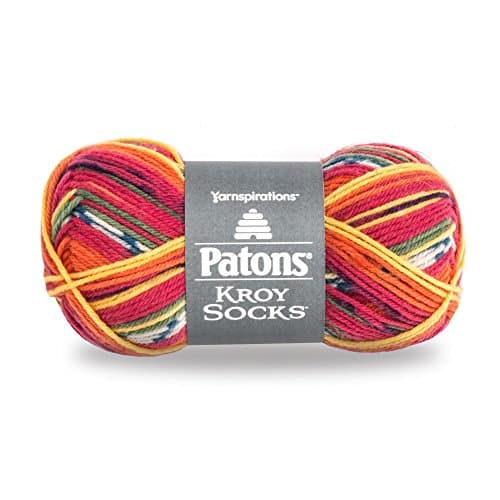
Buy fingering-weight wool with 20 to 25 percent nylon. Patons Kroy Socks at 75 percent washable wool and 25 percent nylon is the standard construction and the cheapest way into it. The wool provides the elasticity that makes a sock stay up; the nylon provides the abrasion resistance that keeps the heel intact.
| # | Product | Best for | Fiber | Yards/skein | Price |
|---|---|---|---|---|---|
| 1 | Patons Kroy SocksThe standard 75/25 wool-nylon construction, at the cheapest price it comes in. | Socks that survive being worn | 75% wool, 25% nylon | 166 | $9.99 - View on Amazon#ad disclosure - price as of October 20, 2026 |
| 2 | 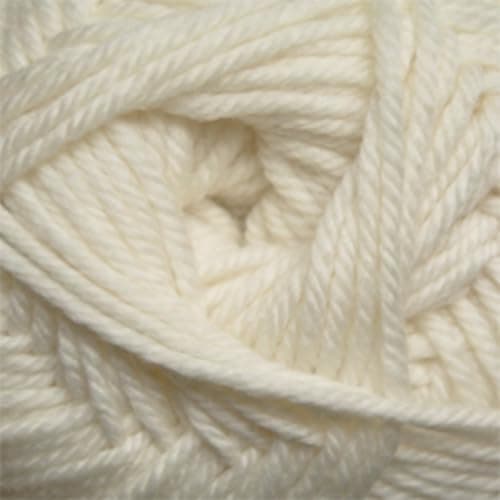 Cascade 220 Superwash MerinoMachine-washable merino at worsted-ish weight - warm, fast, and not for thin socks. Cascade 220 Superwash MerinoMachine-washable merino at worsted-ish weight - warm, fast, and not for thin socks. | Boot socks worn over another layer | 100% superwash merino | 220 | $19.00 - View on Amazon |
| 3 | 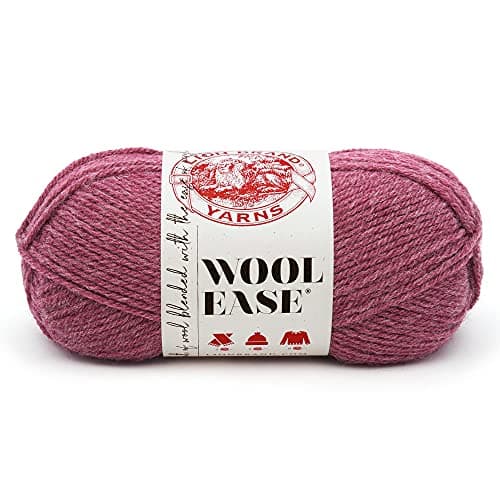 Lion Brand Wool-EaseCheap, machine washable, and thick - a slipper sock rather than a sock. Lion Brand Wool-EaseCheap, machine washable, and thick - a slipper sock rather than a sock. | Thick socks on a budget | 80% acrylic, 20% wool | 197 | $11.77 - View on Amazon#ad disclosure - price as of October 20, 2026 |
| 4 | 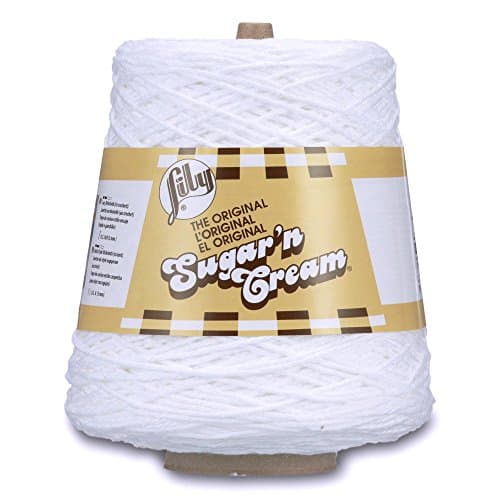 Lily Sugar'n CreamCotton has no memory, so the sock stretches and stays stretched. Lily Sugar'n CreamCotton has no memory, so the sock stretches and stays stretched. | Not socks | 100% cotton | 120 | $17.88 - View on Amazon#ad disclosure - price as of October 20, 2026 |
Patons Kroy Socks
Patons · Best for socks that survive being worn
75/25 washable wool and nylon at fingering weight - the standard sock construction, at the cheapest price it comes in.
- Fiber
- 75% washable wool, 25% nylon
- Weight
- 1 Super Fine / fingering
- Ball
- 1.8oz / 50g, 166yd / 152m
- Gauge
- 32 sts x 40 rows on 2.75mm (US 2)
- Hook
- 3.25mm (US D/3), 22 sc x 24 rows
- Care
- Machine wash cool, dry flat
Who it suits
Anyone knitting socks, at any level. This is the specification the whole category is built on.
Why it is here
75% washable wool and 25% nylon, category 1 super fine, 166 yards to a 50g ball, published gauge 32 sts x 40 rows on 2.75mm. The wool gives springback; the nylon gives the heel and toe a chance.
What you give up
It is a workhorse rather than a luxury - the hand is sturdy rather than soft, and the color range is conventional.
Specifications from Yarnspirations product page. We have not handled this item - see how we pick.
Cascade 220 Superwash Merino
Cascade Yarns · Best for boot socks worn over another layer
Machine-washable merino at 220 yards to the 100g skein - the standard answer when a sweater pattern says worsted and you want to be able to wash it.
- Fiber
- 100% superwash merino wool
- Skein
- 3.5oz / 100g, 220yd / 200m
- Gauge
- 20 sts x 28 rows in stockinette on US 7
- Weight class
- DK to light worsted
- Care
- Superwash treated - machine washable
Who it suits
Anyone making thick house socks, boot socks or slippers, where speed matters more than fitting inside a shoe.
Why it is here
100% superwash merino, machine washable, 220 yards to a 100g skein at 20 sts x 28 rows on US 7. Superwash matters here: socks get washed constantly.
What you give up
No nylon, so heels and toes wear through faster than a proper sock yarn. It is also far too thick for a sock worn inside a normal shoe.
Specifications from Cascade Yarns product page. We have not handled this item - see how we pick.
Lion Brand Wool-Ease
Lion Brand · Best for thick socks on a budget
An 80/20 acrylic-wool worsted that machine washes and dries, and is the single most sensible first step away from all-acrylic.
- Fiber
- 80% acrylic, 20% wool (solids, heathers, twists)
- Weight
- 4 Medium / worsted
- Skein
- 3oz / 85g, 197yd / 180m
- Sold as
- Single skein on the listing we link
- Gauge
- 18 sts x 24 rows on US 8 (5mm)
- Hook
- J-10 (6mm), 13.2 sc x 16 rows
- Care
- Machine wash, water not above 105F; machine dry
Who it suits
Anyone making bed socks or slippers who does not want to spend sock-yarn money.
Why it is here
80% acrylic and 20% wool, machine wash and machine dry, 197 yards to a 3oz skein. The acrylic content is durable, and the care instructions are the most forgiving on this page.
What you give up
Only 20% wool, so the springback is limited and the ribbed cuff will relax over time. Worsted weight, so not for shoe socks.
Specifications from Lion Brand product page. We have not handled this item - see how we pick.
Lily Sugar'n Cream
Lily · Best for not socks
Unmercerized cotton in a small 2.5oz ball. Absorbent, hard-wearing, and the reason every dishcloth pattern ever written specifies it.
- Fiber
- 100% cotton
- Weight
- 4 Medium / worsted
- Ball
- 2.5oz / 71g, 120yd / 109m
- Gauge
- 20 sts x 26 rows on 4.5mm (US 7)
- Hook
- 5mm (US H/8), 13 sc x 14 rows
- Care
- Machine wash not above 86F delicate, tumble dry low
Who it suits
Nobody, for socks. Cotton socks get suggested every summer and they fail the same way every time.
Why it is here
100% cotton, no elasticity whatsoever. The cuff will not grip, the foot will bag out, and the fabric will not spring back after a day of walking.
What you give up
Cotton also holds moisture against the foot rather than wicking it. Save this yarn for dishcloths and bags, which is what it is excellent at.
Specifications from Yarnspirations product page. We have not handled this item - see how we pick.
Why sock yarn is a specification, not a marketing term
A sock is the most demanding thing most knitters make. It is stretched over a heel every morning, compressed inside a shoe all day, abraded at the heel and toe continuously, and washed far more often than any other garment.
Three properties follow from that, and sock yarn is built to deliver all three:
- Elasticity, so the cuff grips and the foot returns to shape. That means wool - the fiber's crimp and scale structure are what produce springback.
- Abrasion resistance, so the heel and toe survive. That means nylon, which is why 20 to 25 percent nylon is close to universal in sock yarn.
- Washability, because socks are washed constantly. That means superwash treatment, which is why almost all sock yarn is treated.
Remove any one and the socks fail in a predictable way. Remove the nylon and they wear through at the heel; remove the wool and they bag out; remove the superwash and they felt.
Weight, and needle size
Sock yarn is category 1, Super Fine - fingering weight. The standard calls for 2.25 to 3.25mm needles at 27 to 32 stitches over 4 inches, and most sock patterns land at the fine end, 2.25 or 2.5mm, because a dense fabric wears far longer than a loose one.
That is finer than almost any interchangeable needle set goes, which is the practical catch: your interchangeable set probably cannot knit socks. Most sets start at 3.5mm. Budget separately for fixed circulars or double-pointed needles - see best circular needles for socks and best needles for magic loop.
Yardage for a pair
Sock yarn is usually sold in 50g balls or 100g skeins, and a 100g skein of fingering is the conventional unit for one adult pair - though foot size, leg length and gauge all move it. Kroy at 166 yards per 50g ball means two balls for a standard adult pair, with a margin.
Buy both balls in the same dye lot. Mismatched socks from two dye lots are a well-known and entirely avoidable disappointment. If you are converting from a different yarn, the arithmetic is in how to substitute yarn.
The fibers that do not work, and why
| Fiber | What goes wrong |
|---|---|
| Cotton | No elasticity. The cuff will not grip and the foot bags out within a day. |
| Alpaca | Almost no memory. It stretches and stays stretched - the same failure as cotton, plus it is expensive. |
| Cashmere | Too weak. Short fine fibers wear through at the heel quickly. |
| Pure acrylic | Durable but with no springback; the sock loosens and does not recover. |
| Untreated wool | Felts in the machine, and socks get washed constantly. |
| Superwash wool with no nylon | Works, and wears through at the heel much faster than a nylon blend. |
There is a legitimate exception: a wool sock with a separately-reinforced heel and toe, worked with a fine reinforcing thread. That is a technique rather than a yarn choice, and it is how sock knitters used pure wool before nylon existed.
How we picked
We compiled every specification here from the manufacturer's published product page and ranked on the three sock properties in order: nylon content, wool content, and washability. We have not knitted or worn any of these. How we pick explains what we do instead of testing.
One honest limitation on this page: the sock-yarn category is dominated by independent dyers and yarn-shop exclusives that are not broadly available, so this list is shorter than the market. We recommend from what can actually be bought, and Kroy is the yarn that meets the specification and is on the shelf.
Questions people actually ask
What is the best yarn for knitting socks?
Fingering-weight wool with 20 to 25 percent nylon. Patons Kroy Socks at 75 percent washable wool and 25 percent nylon is the standard construction and the most widely available.
Why does sock yarn have nylon in it?
For abrasion resistance. Heels and toes take constant friction inside a shoe, and nylon is what stops them wearing through. Wool alone is elastic but not abrasion resistant.
Can I knit socks with worsted weight yarn?
You can, and they will not fit inside a normal shoe. Worsted socks work as slippers, bed socks or boot socks worn over a thin pair. Shoe socks need fingering weight.
How much yarn do I need for a pair of socks?
About 100g of fingering weight for a standard adult pair, which is two 50g balls. Foot size, leg length and gauge all move it, so buy both balls in the same dye lot.
Can I use cotton yarn for socks?
It is a poor choice. Cotton has no elasticity, so the cuff will not grip and the foot bags out, and it holds moisture against the skin rather than wicking it.