The picks
Best Yarn for Leg Warmers
A long tube held up by nothing but its own grip on a calf that keeps changing shape.
By Sawyer V. · Published October 11, 2026
Disclosure: we earn a commission when you buy through the links on this page, at no extra cost to you. It never decides what we recommend or how we rank it - read the full disclosure.
The short answer
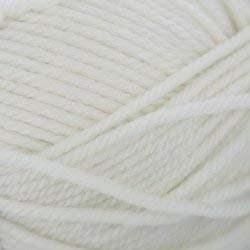
Use wool or a wool-nylon blend. Superwash merino is the best overall pick - real elastic recovery, warm, soft against a calf, and machine washable. Sock yarn is the best choice if your leg warmers have slid down before, because the nylon in it exists specifically for recovery and abrasion. An acrylic-wool worsted is the fast budget option. Do not use cotton: a leg warmer is a long tube held up by nothing but its own grip, and cotton has no elastic memory at all, so it loosens with every step.
| # | Product | Best for | Fiber | Price |
|---|---|---|---|---|
| 1 | Cascade 220 Superwash MerinoSuperwash merino - the best combination of recovery, warmth and next-to-skin comfort, and it goes in the machine. | Full-length leg warmers worn over tights all winter | 100% superwash merino | $21.00 - View on Amazon#ad disclosure - price as of October 11, 2026 |
| 2 | 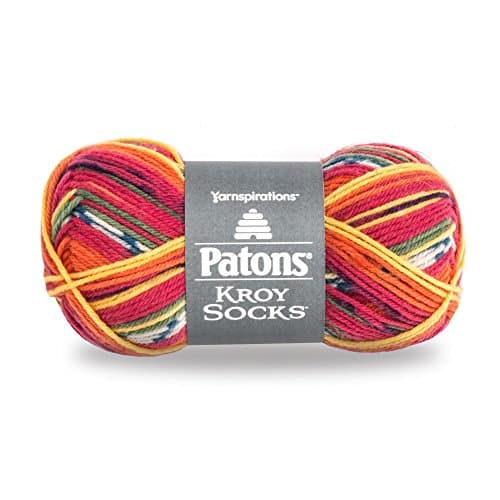 Patons Kroy SocksSock yarn. The nylon is there for exactly this, and it is the most durable option on the page. Patons Kroy SocksSock yarn. The nylon is there for exactly this, and it is the most durable option on the page. | Leg warmers that have slid down on you before | 75% wool, 25% nylon (approx.) | $9.79 - View on Amazon#ad disclosure - price as of October 11, 2026 |
| 3 | 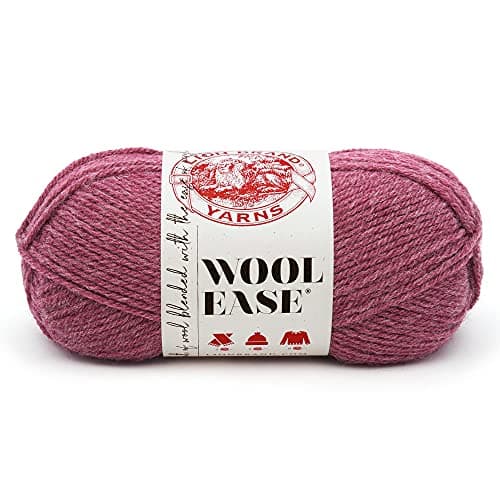 Lion Brand Wool-EaseAcrylic-wool worsted: fast, cheap, machine washable, and with just enough wool to hold a rib. Lion Brand Wool-EaseAcrylic-wool worsted: fast, cheap, machine washable, and with just enough wool to hold a rib. | A first pair, or a pair for a child who will outgrow them | 80% acrylic, 20% wool | $11.77 - View on Amazon#ad disclosure - price as of October 11, 2026 |
| 4 | 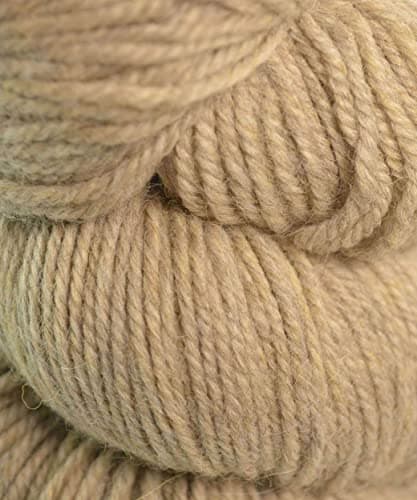 Berroco Ultra AlpacaA wool-alpaca blend - warmer than wool alone, and soft enough to wear for hours. Berroco Ultra AlpacaA wool-alpaca blend - warmer than wool alone, and soft enough to wear for hours. | Serious cold, worn over leggings rather than against skin | Wool and alpaca blend | $17.00 - View on Amazon#ad disclosure - price as of October 11, 2026 |
| 5 | 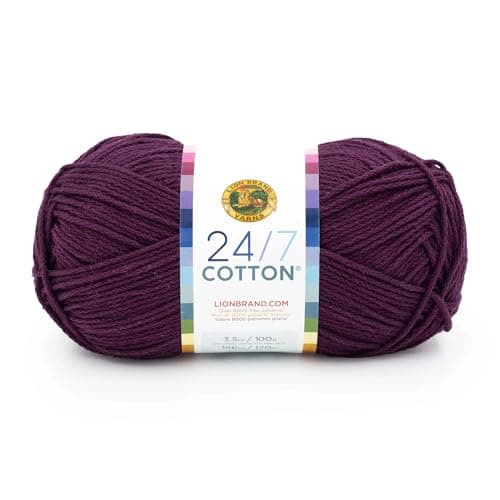 Lion Brand 24/7 CottonCotton has no memory and a leg warmer is a memory test. These will be round your ankles by lunchtime. Lion Brand 24/7 CottonCotton has no memory and a leg warmer is a memory test. These will be round your ankles by lunchtime. | Bags and summer garments | 100% mercerized cotton | $6.99 - View on Amazon#ad disclosure - price as of October 11, 2026 |
Cascade 220 Superwash Merino
Cascade Yarns · Best for full-length leg warmers worn over tights all winter
Machine-washable merino at 220 yards to the 100g skein - the standard answer when a sweater pattern says worsted and you want to be able to wash it.
- Fiber
- 100% superwash merino wool
- Skein
- 3.5oz / 100g, 220yd / 200m
- Gauge
- 20 sts x 28 rows in stockinette on US 7
- Weight class
- DK to light worsted
- Care
- Superwash treated - machine washable
Who it suits
Dancers, anyone wearing them over tights, and anyone who wants one pair that lasts years.
Why it is here
100% superwash merino, 220yd per 100g, 20 sts x 28 rows on US 7, machine washable. Leg warmers get stretched over a heel every time they go on, which is the harshest thing you can do to a ribbed tube. Wool's crimp gives it genuine elastic recovery so the cuff returns to size, and merino's fineness keeps it comfortable against a calf for hours.
What you give up
A full-length pair takes two to three 100g balls, so this is not the cheapest project. Superwash also recovers slightly less than untreated wool and grows a little when wet, so avoid hanging a wet pair.
Specifications from Cascade Yarns product page. We have not handled this item - see how we pick.
Patons Kroy Socks
Patons · Best for leg warmers that have slid down on you before
75/25 washable wool and nylon at fingering weight - the standard sock construction, at the cheapest price it comes in.
- Fiber
- 75% washable wool, 25% nylon
- Weight
- 1 Super Fine / fingering
- Ball
- 1.8oz / 50g, 166yd / 152m
- Gauge
- 32 sts x 40 rows on 2.75mm (US 2)
- Hook
- 3.25mm (US D/3), 22 sc x 24 rows
- Care
- Machine wash cool, dry flat
Who it suits
Anyone whose last pair ended up round their ankles, and anyone wearing them inside boots where abrasion matters.
Why it is here
Wool-nylon fingering, machine washable. Nylon is blended into sock yarn for abrasion resistance and recovery, and a leg warmer needs both: it rubs inside a boot and it is stretched over a heel daily. A fingering-weight ribbed tube also sits flat under trousers in a way a worsted one cannot.
What you give up
Fingering weight over the length of a calf is a long knit - expect several times the rows of a worsted pair. It is also a thinner, less insulating fabric.
Specifications from Yarnspirations product page. We have not handled this item - see how we pick.
Lion Brand Wool-Ease
Lion Brand · Best for a first pair, or a pair for a child who will outgrow them
An 80/20 acrylic-wool worsted that machine washes and dries, and is the single most sensible first step away from all-acrylic.
- Fiber
- 80% acrylic, 20% wool (solids, heathers, twists)
- Weight
- 4 Medium / worsted
- Skein
- 3oz / 85g, 197yd / 180m
- Sold as
- Single skein on the listing we link
- Gauge
- 18 sts x 24 rows on US 8 (5mm)
- Hook
- J-10 (6mm), 13.2 sc x 16 rows
- Care
- Machine wash, water not above 105F; machine dry
Who it suits
Anyone making their first pair, anyone knitting for a growing child, and anyone making several.
Why it is here
80% acrylic, 20% wool, worsted weight, machine wash and dry. Worsted is the sweet spot for this project - fast enough that a pair is a weekend, thick enough to be genuinely warm - and the 20% wool supplies recovery that pure acrylic lacks entirely.
What you give up
Recovery is well short of the wool options, so size them snug and expect the cuffs to relax over a season. Acrylic also pills where it rubs inside a boot.
Specifications from Lion Brand product page. We have not handled this item - see how we pick.
Berroco Ultra Alpaca
Berroco · Best for serious cold, worn over leggings rather than against skin
Half alpaca, half Peruvian wool - the blend that gives alpaca's warmth and halo the structure alpaca on its own does not have.
- Fiber
- 50% super fine alpaca, 50% Peruvian wool
- Weight
- Worsted
- Hank
- 3.5oz / 100g, 219yd / 200m
- Gauge
- 5 sts to 1in; 20 sts x 26 rows over 4in on US 8 (5mm)
- Care
- Hand wash in cool water, lay flat to dry
- Made in
- Peru
Who it suits
Anyone in genuinely cold weather, and anyone who finds pure wool scratchy on a calf.
Why it is here
A wool and alpaca blend. Alpaca is a hollow fiber and insulates better than wool for its weight, and blending it with wool restores the crimp and recovery that pure alpaca has almost none of. That blend is the point - pure alpaca leg warmers would sag within a day.
What you give up
Alpaca content means less recovery than a pure merino, and the fabric grows more under its own weight down a long tube. It is also warm enough to be uncomfortable indoors.
Specifications from Berroco - Ultra Alpaca. We have not handled this item - see how we pick.
Lion Brand 24/7 Cotton
Lion Brand · Best for bags and summer garments
Mercerized cotton with a sheen and a stiff hand. Stitch definition is the best on this page, which is why amigurumi people keep buying it.
- Fiber
- 100% mercerized cotton
- Weight
- Worsted
- Skein
- 3.5oz / 100g, 186yd / 170m
- Gauge
- 19 sts x 26 rows on 5mm (US 8)
- Hook
- 5.5mm (US I/9), 16 sc x 18 rows
- Care
- Machine wash, water not above 105F; medium heat dryer
Who it suits
Nobody. This is the single most common mistake on this project.
Why it is here
100% mercerized cotton. A leg warmer is a long tube held up only by its own grip, worn on a limb that changes circumference constantly as you walk. Cotton has no crimp and no elastic recovery, so each stretch is permanent and the tube gets looser all day. It is also heavy, which accelerates the slide.
What you give up
None - there is no version of this project where cotton works. Send it to [best yarn for a crochet bag](/yarn-by-project/best-yarn-for-a-crochet-bag) instead.
Specifications from Lion Brand product page. We have not handled this item - see how we pick.
Why leg warmers slide down
This is the complaint about the project, and it is almost always blamed on the pattern when it is a materials problem.
A calf is not a cylinder. It changes circumference by a surprising amount as you walk, and every one of those changes stretches the fabric. A yarn with elastic recovery returns to size after each one. A yarn without it accumulates every stretch permanently, so the tube is measurably looser by the afternoon and on the floor by evening. Cotton, bamboo and pure acrylic all behave this way. Wool and anything with nylon in it do not.
- Rib the whole thing, not just the cuffs. Full-length 2x2 rib is the standard construction because the rib itself contributes most of the hold.
- Use negative ease. Measure the widest part of the calf and make the warmer 10 to 15 percent smaller. It is meant to be under tension.
- Shape it. A straight tube fits a tapered limb badly. Decrease toward the ankle so the narrow end actually grips.
- Go down a needle size from the ball band for a denser fabric with better recovery.
- Add elastic thread to the top cuff if you want certainty. Run it through the inside of the ribbing - it is invisible and it ends the argument.
Weight, length and yardage
| Style | Weight | Yardage per pair | Notes |
|---|---|---|---|
| Ankle to knee, fine | Fingering | 400-500yd | Sits flat under trousers; slow knit |
| Ankle to knee, standard | DK | 300-400yd | Good all-round balance |
| Ankle to knee, warm | Worsted | 250-350yd | Fastest full-length option |
| Thigh-high | DK or worsted | 450-600yd | Needs shaping or it will not stay up |
| Boot cuffs only | Worsted or bulky | 80-120yd | Held by the boot; any fiber works |
| Chunky slouchy | Bulky | 200-300yd | Warm but bulky inside a boot |
Buy the pair's worth in one dye lot - two leg warmers in slightly different shades are worn as a pair and the difference is obvious. How much yarn do I need has the method for calculating from your own swatch.
Who this is actually for
Three groups buy yarn for this and they want different things. Dancers want fingering or DK in wool-nylon: thin enough to layer under clothing, durable, and genuinely stay-up. People wearing them as winter outerwear over leggings want worsted in wool or a wool-alpaca blend for warmth. People making them as a gift or a fashion piece want worsted acrylic-wool, because it is cheap, washable and fast.
All three are served by the recovery rule. The only thing that changes between them is weight. If you want the warmth side of the question in more depth, best yarn for cold weather covers which fibers actually insulate.
Questions people actually ask
What is the best yarn for leg warmers?
Superwash merino for an all-round pair, or sock yarn if staying up is your priority - the nylon in sock yarn is added specifically for recovery and abrasion resistance. An acrylic-wool worsted is the fast budget option. The common factor is elastic recovery.
Why do my leg warmers keep falling down?
The yarn has no elastic recovery. A calf changes circumference constantly as you walk, and a fiber without crimp - cotton, bamboo, pure acrylic - keeps every one of those stretches permanently, so the tube loosens all day. Switch to wool or a wool-nylon blend, rib the whole length, and size with negative ease.
How much yarn do I need for leg warmers?
Roughly 250 to 350 yards for a worsted-weight knee-length pair, 300 to 400 in DK, and 400 to 500 in fingering. Thigh-high needs 450 to 600. Boot cuffs are much less - 80 to 120 yards. Buy the pair's worth in one dye lot.
What weight yarn for leg warmers?
DK is the best all-round balance of warmth, speed and fit under clothing. Fingering suits dancers who need them to layer flat; worsted is the fastest warm option; bulky is cozy but awkward inside a boot.
Can you use acrylic for leg warmers?
An acrylic-wool blend works - the wool supplies the recovery acrylic lacks. Pure acrylic does not: it has essentially no elastic memory, so the cuffs relax permanently within a season. If you use a blend, size them snug from the start.
What stitch should I use for leg warmers?
Full-length 2x2 ribbing. The rib concertinas and supplies most of the grip, which is why nearly every good leg warmer pattern uses it from cuff to cuff rather than just at the ends. Add shaping toward the ankle so the narrow end actually holds.
Sources
- Craft Yarn Council - Standard Yarn Weight System
- Cascade Yarns - 220 Superwash Merino specification
- Yarnspirations - Patons Kroy Socks specification
- Lion Brand - Wool-Ease specification
- Berroco - Ultra Alpaca specification
- Lion Brand - 24/7 Cotton specification
- The Woolmark Company - What is the wool fiber