Guide
What Makes Yarn Itchy?
It is a mechanical effect, not an allergy. Which means it is predictable, and avoidable.
By Sawyer V. · Published September 7, 2026
Disclosure: we earn a commission when you buy through the links on this page, at no extra cost to you. It never decides what we recommend or how we rank it - read the full disclosure.
The short answer
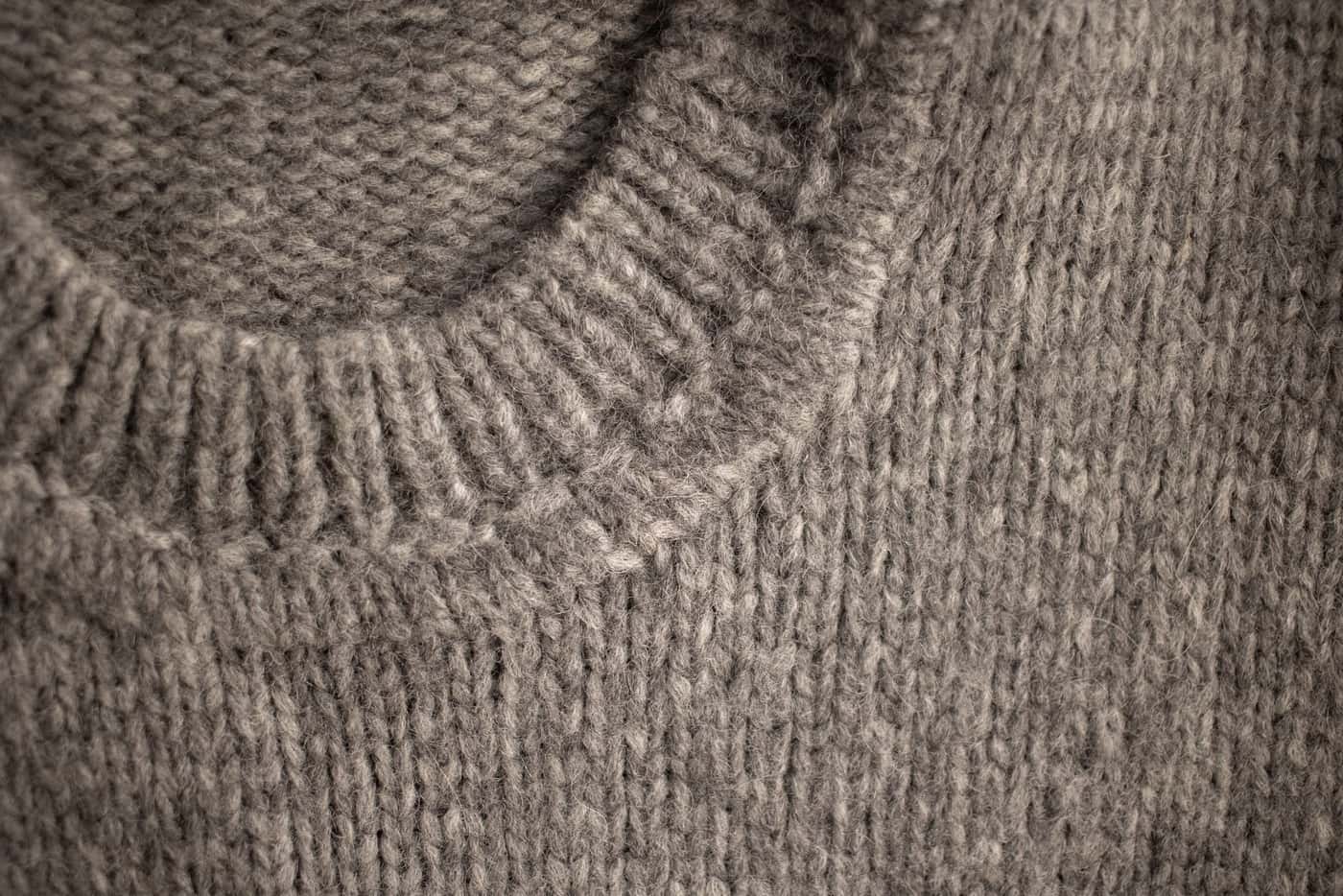
Wool itch is prickle - a mechanical effect. Fibers stiff enough not to bend when they meet skin push into it instead, and nerve endings register that as irritation. It depends on fiber diameter rather than on the fiber being wool, which is why fine merino is comfortable and a coarse acrylic can prickle.
Prickle is not an allergy
This distinction is the whole page, and getting it wrong sends people to the wrong solution.
An allergic reaction is an immune response. Prickle is a purely physical event: a fiber end presses on skin, and if the fiber is stiff enough that it does not bend, the pressure passes a threshold and nerve endings report it. There is no immune system involved, no histamine and no reason it should get worse with repeated exposure.
True wool allergy exists and is uncommon. Our acrylic yarn allergies and sensitivity page covers what reactions to yarn usually turn out to be, and prickle is the most common answer by a wide margin.
The variable is fiber diameter
A fiber's stiffness in bending rises very steeply with its diameter. Doubling the thickness of a fiber makes it many times stiffer, not twice as stiff.
So a small difference in diameter produces a large difference in whether a fiber bends against skin or pushes into it. That is why merino and a rustic wool feel so different despite both being wool, and it is why merino vs regular wool is really a question about one number.
| Fiber | Typical next-to-skin comfort | Note |
|---|---|---|
| Cashmere | Excellent | Very fine, very expensive, wears fast |
| Merino | Very good | The practical next-to-skin wool |
| Alpaca | Very good | Fine and smooth; no lanolin |
| Standard wool | Variable | Where most itch complaints come from |
| Rustic and rug wool | Poor next to skin | Deliberately coarse; excellent outerwear |
| Cotton and linen | Good to excellent | No prickle mechanism at all |
| Soft acrylic | Good | Fine filaments, smooth surface |
| Firm budget acrylic | Can prickle | Coarse filaments; proof this is not a wool problem |
That last row is the point worth making loudly. A hard-spun budget acrylic can prickle exactly like a coarse wool, because the mechanism is stiffness rather than species.
Three things that make prickle worse
- Fabric density. A dense fabric presses more fiber ends against skin at once. The same yarn knitted loosely prickles less.
- Where it touches. Necks, wrists and inner arms are far more sensitive than a shoulder or a back. This is why a cowl is the hardest test a yarn faces.
- Moisture and heat. Damp, warm skin is more reactive. A sweater that is fine outdoors can become uncomfortable in a heated room.
The lanolin myth
Lanolin - the natural grease in raw wool - is frequently blamed for wool itch, and it is very rarely the cause of it.
Commercially processed wool yarn has had almost all of its lanolin scoured out before spinning. There is not enough left to irritate skin, and lanolin sensitivity is a specific and uncommon contact allergy rather than the general scratchy feeling most people mean.
If a wool garment prickles, the fiber is coarse. Washing it will not change that, and neither will a lanolin-free yarn.
How to test a yarn before buying a sweater's worth
- Hold the ball against your inner wrist for thirty seconds. Not your palm - palm skin is thick and tells you nothing.
- Then hold it against your neck. If it passes there, it will pass anywhere.
- Knit a swatch and wash it. Some yarns soften considerably with the first wash, particularly linen and some wools.
- Wear the swatch. Safety-pin it inside a collar for an afternoon. This is the only test that includes heat and moisture.
- Judge the finished fabric, not the ball. A ball is compressed and a knitted fabric presents fibers differently.
What to do if you already have an itchy garment
- Wash it with conditioner. A rinse with hair conditioner coats the fibers and softens the surface. It is temporary and it genuinely helps.
- Line the collar. A strip of soft cotton or silk sewn inside the neckband fixes the single worst contact point.
- Wear it over something. The most reliable fix, and not a defeat - most sweaters are designed to be worn over a shirt.
- Re-purpose it. A prickly sweater makes excellent felted slippers, where nobody's neck is involved.
Buying advice, in one line
Match the fiber to where it touches. Fine fibers for skin, coarse fibers for outer layers and hard wear, and test on your own wrist rather than trusting a label that says soft. Our best non-itchy yarn for sweaters page turns that into product picks.
Yarns at each end of the scale
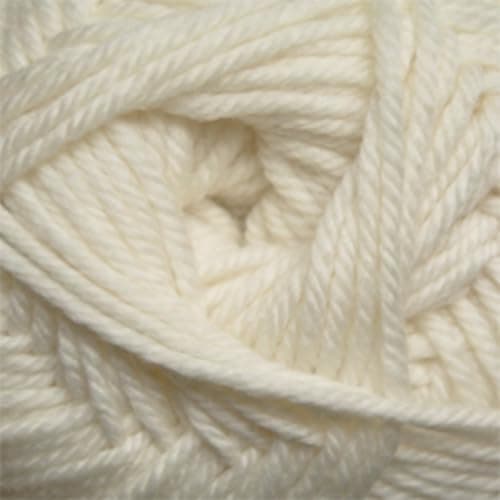
Cascade 220 Superwash Merino
Fine merino, superwash-smoothed - about as comfortable next to skin as wool gets.
$19.00 - View on Amazon$21.0010% off · #ad disclosure - price as of October 22, 2026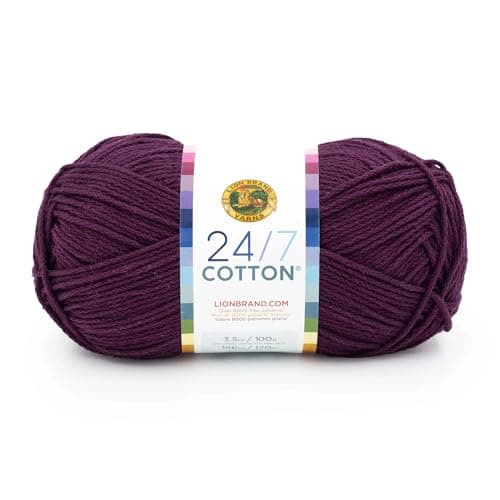
Lion Brand 24/7 Cotton
No animal fiber at all, and mercerized so the surface is smooth rather than slightly fuzzy.
$6.99 - View on Amazon#ad disclosure - price as of October 22, 2026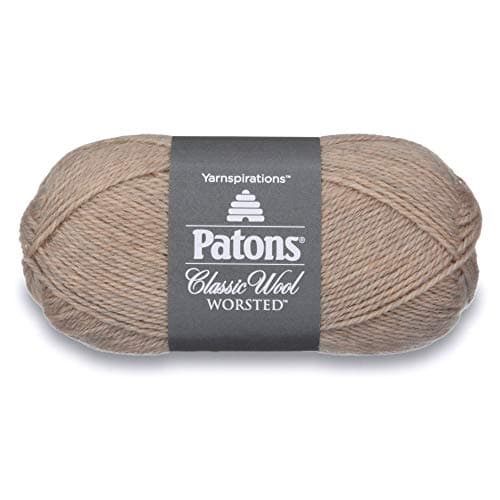
Patons Classic Wool Worsted
Standard untreated wool - excellent for outer layers, and the fiber most often described as itchy.
$11.89 - View on Amazon#ad disclosure - price as of October 22, 2026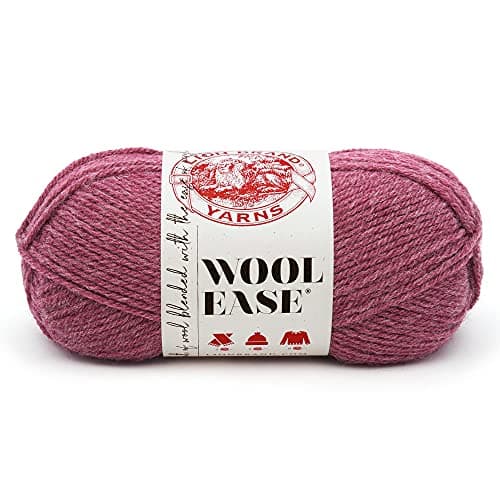
Lion Brand Wool-Ease
80/20 acrylic-wool: most of the warmth, and enough acrylic that the wool content rarely prickles.
$11.77 - View on Amazon#ad disclosure - price as of October 22, 2026
Questions people actually ask
Why is wool itchy?
Prickle - a mechanical effect. Fibers stiff enough not to bend when they meet skin push into it instead, and nerve endings register the pressure. It depends on fiber diameter, not on the fiber being wool.
Is wool itch an allergy?
Usually not. Prickle involves no immune response - it starts immediately, stops when the fabric comes off, and stays where the fabric touched. A reaction that appears hours later or spreads is something else.
Does lanolin cause wool itch?
Almost never. Commercial wool yarn is scoured before spinning and has very little lanolin left. If a wool garment prickles, the fiber is coarse - and washing will not change that.
Can acrylic yarn be itchy?
Yes. A hard-spun budget acrylic with coarse filaments prickles by exactly the same mechanism as a coarse wool. It is a stiffness problem rather than a wool problem.
How do I test whether a yarn will itch?
Hold it against your inner wrist and then your neck, not your palm. Better still, knit a swatch, wash it, and safety-pin it inside a collar for an afternoon - that is the only test that includes heat and moisture.