Head to head
Merino vs Regular Wool
Finer is softer and softer is weaker. That trade is the whole comparison.
By Sawyer V. · Published September 7, 2026
Disclosure: we earn a commission when you buy through the links on this page, at no extra cost to you. It never decides what we recommend or how we rank it - read the full disclosure.
The short answer
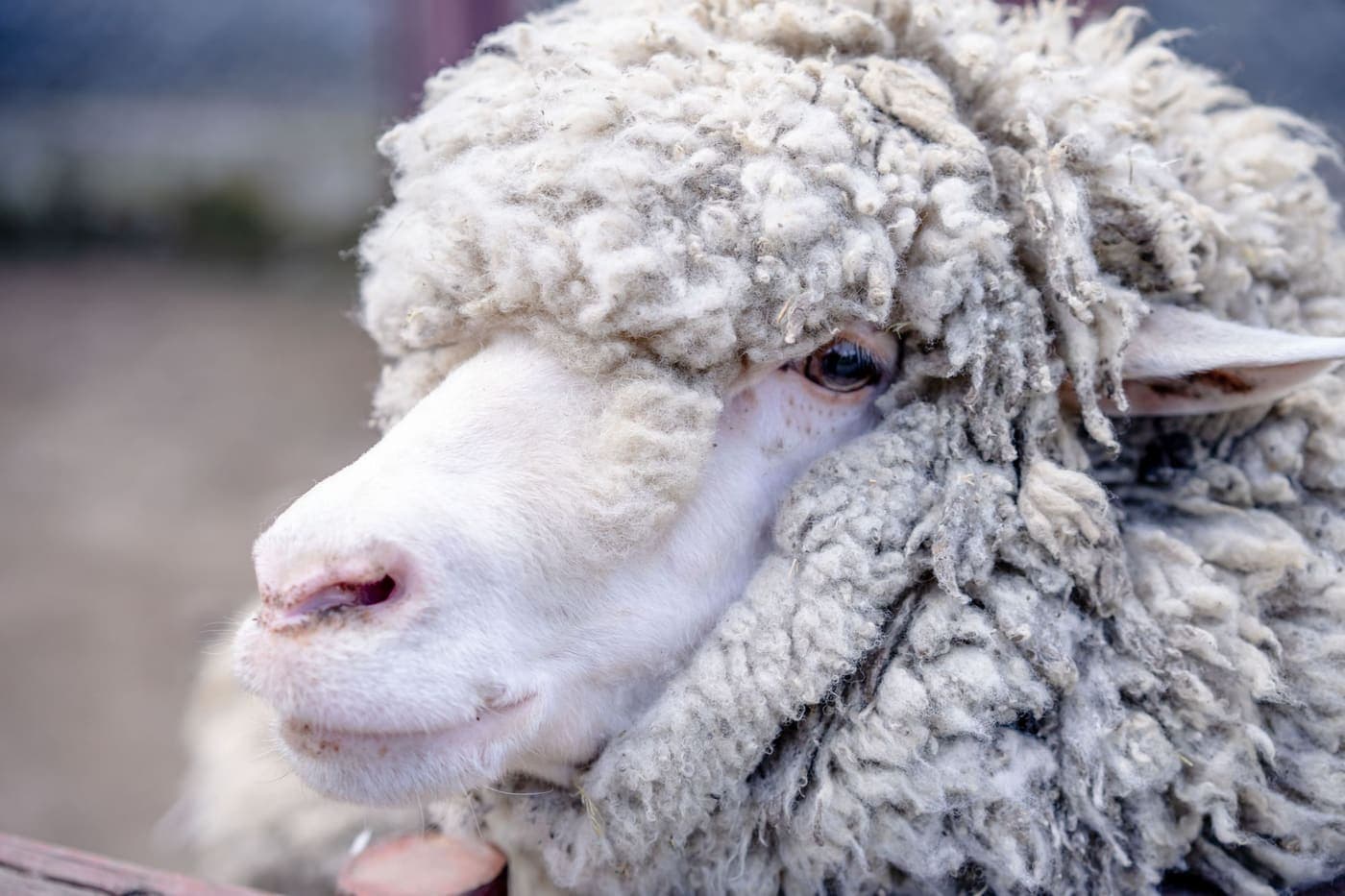
Merino has a finer fiber diameter, which makes it softer against skin and also weaker, more prone to pilling and more expensive. Regular wool is coarser, tougher, warmer per gram and can prickle. Use merino for anything worn next to skin and regular wool for outer layers, felting and hard wear.
One variable explains everything
Merino is not a different substance from other wool. It is wool from a particular breed of sheep, and what distinguishes it is fiber diameter - merino fibers are finer than those of most other breeds.
Fiber diameter is measured in microns, and it determines almost everything else. A fine fiber bends when it meets skin instead of pushing into it, which is what softness means. A fine fiber also breaks more easily and works its way out of a yarn more readily, which is what pilling means. Same property, two consequences.
The comparison
| Merino | Regular wool | |
|---|---|---|
| Fiber diameter | Fine | Coarser |
| Next to skin | Comfortable for most people | Can prickle |
| Warmth per gram | Good | Better - more loft |
| Durability | Lower | Higher |
| Pilling | More | Less |
| Stitch definition | Softer, blurrier | Crisper |
| Felting | Felts very readily | Felts well, more controllably |
| Elasticity and springback | Excellent | Excellent |
| Price | Higher | Lower |
| Availability | Very wide, including superwash | Wide |
Where merino is worth the money
- Anything against bare skin. Cowls, hats, baby garments, next-to-skin sweaters.
- Small projects. A cowl is one skein. This is where an expensive yarn is genuinely affordable.
- Shawls. Fine fibers drape better - see best yarn for a shawl.
- Anyone who has decided wool itches. It is very often coarse wool rather than wool as such, and merino is the test.
Where regular wool is the better buy
- Outerwear. Worn over a shirt, prickle is irrelevant and toughness is not.
- Colorwork. A crisper, grabbier fiber holds floats better - see best yarn for colorwork.
- Felting. More controllable, and the finished felt is tougher - see best yarn for slippers.
- Anything with cables or texture. Crisper stitch definition.
- Blankets and rugs. Nobody's neck is involved and durability is everything.
- Learning. It costs less, and a first sweater is not the place for a yarn you will be anxious about.
The superwash complication
Most merino sold in yarn shops is superwash-treated, which is a second variable stacked on top of the first.
Superwash processing removes or coats the fiber scales so the wool cannot felt. It also smooths the surface, which makes the yarn feel softer still, and removes some elasticity and surface resilience. So a superwash merino is soft twice over and durable neither time.
That is not an argument against it - washability is worth a great deal on a garment somebody else will launder. It is an argument for knowing that you are buying two treatments rather than one. Our superwash vs non-superwash page covers the second one in full.
Blends, which is what most people actually buy
The commonest wool on a craft shop shelf is not merino or regular wool. It is a wool-acrylic blend, usually around 20 percent wool.
At that ratio the acrylic dominates the mechanical behavior: the yarn washes and dries like acrylic, and the wool contributes warmth and a little springiness. It is a genuinely sensible product and it is not a substitute for either fiber in this comparison. Wool-acrylic blends has the arithmetic.
Merino pills, and that is not a defect
The single most common complaint about merino garments is pilling, and it follows directly from the fineness people bought it for.
Finer fibers means more fiber ends per inch of yarn, and more ends means more to migrate to the surface under friction. Choosing a firmly plied merino helps, as does a worsted-spun rather than woolen-spun preparation - see yarn ply and twist explained and why yarn pills.
How to decide, in one question
Will this touch skin that has nothing over it?
If yes, buy merino, and buy less of it by choosing a small project. If no, buy regular wool and spend the difference on more yarn. That single question resolves the great majority of cases, and the exceptions - colorwork, felting, hard wear - all push toward regular wool anyway.
One of each
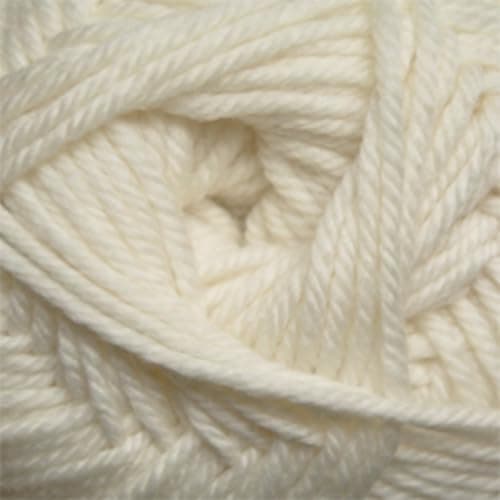
Cascade 220 Superwash Merino
The merino side: fine fiber, soft next to skin, machine washable, 220yd per 100g.
$19.00 - View on Amazon$21.0010% off · #ad disclosure - price as of October 22, 2026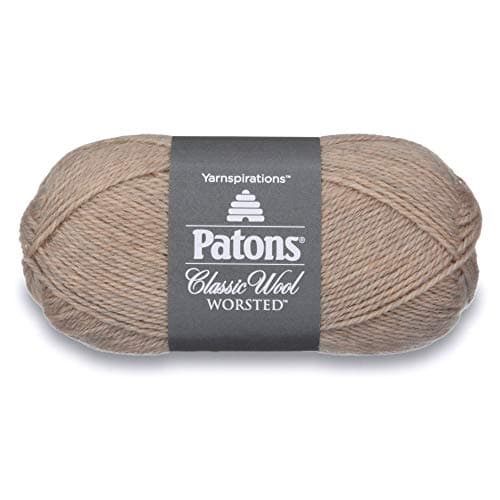
Patons Classic Wool Worsted
The regular wool side: untreated, tougher, warmer per gram, hand wash, 194yd per 100g.
$11.89 - View on Amazon#ad disclosure - price as of October 22, 2026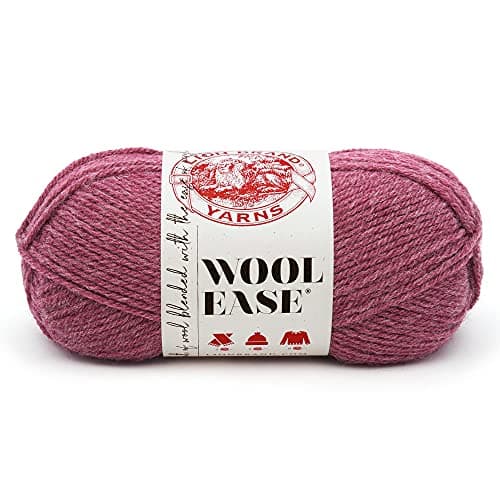
Lion Brand Wool-Ease
The third option most people actually buy: 80% acrylic, 20% wool, machine washable and cheap.
$11.77 - View on Amazon#ad disclosure - price as of October 22, 2026
Questions people actually ask
Is merino wool better than regular wool?
It is softer and less durable. Merino has a finer fiber diameter, which makes it comfortable next to skin and also makes it pill more and wear faster. Regular wool is tougher, warmer per gram and can prickle.
Why is merino wool so soft?
Fiber diameter. Fine fibers bend when they meet skin instead of pushing into it, which is what softness means. The same fineness is why merino pills more than a coarser wool.
Does merino wool pill more?
Yes. Finer fibers mean more fiber ends per inch of yarn, and pilling is those ends migrating to the surface under friction. A firmly plied, worsted-spun merino pills noticeably less than a softly spun one.
Is merino wool worth the extra cost?
For anything worn against bare skin, and for small projects where the total cost is one or two skeins. For outerwear, colorwork, felting and blankets, regular wool is tougher and cheaper.
Can you felt merino wool?
Untreated merino felts very readily - more so than coarser wool, which makes it harder to control. Superwash merino does not felt at all, and most merino sold in yarn shops is superwash.