The picks
Best Yarn for a Balaclava
The only thing you knit that touches your whole face at once.
By Sawyer V. · Published October 11, 2026
Disclosure: we earn a commission when you buy through the links on this page, at no extra cost to you. It never decides what we recommend or how we rank it - read the full disclosure.
The short answer
Use fine merino. A balaclava is the only thing you knit that touches your cheeks, lips, nose and neck simultaneously, so the itch threshold is far lower than for a hat or a scarf, and coarse wool that is merely scratchy elsewhere is unwearable here. Superwash merino is the best overall pick: fine enough not to prickle facial skin, hygroscopic so your breath moisture is absorbed rather than sitting cold against your mouth, and machine washable, which this garment needs weekly. Use fingering-weight wool-nylon if it goes under a helmet. Never use mohair or any haloed yarn - you would be breathing through shedding fiber.
| # | Product | Best for | Fiber | Price |
|---|---|---|---|---|
| 1 | Cascade 220 Superwash MerinoSuperwash merino - fine enough for cheeks and lips, warm when damp from your breath, and machine washable, which this garment needs more than most. | A balaclava worn against bare skin in real cold | 100% superwash merino | $21.00 - View on Amazon#ad disclosure - price as of October 11, 2026 |
| 2 | 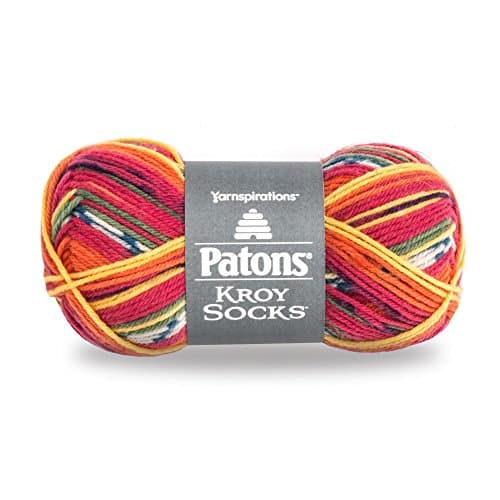 Patons Kroy SocksThin wool-nylon that fits under a helmet without changing the fit, and resists the abrasion a shell causes. Patons Kroy SocksThin wool-nylon that fits under a helmet without changing the fit, and resists the abrasion a shell causes. | Skiing, cycling, motorbiking - anything with a hard shell over it | 75% wool, 25% nylon (approx.) | $9.79 - View on Amazon#ad disclosure - price as of October 11, 2026 |
| 3 | 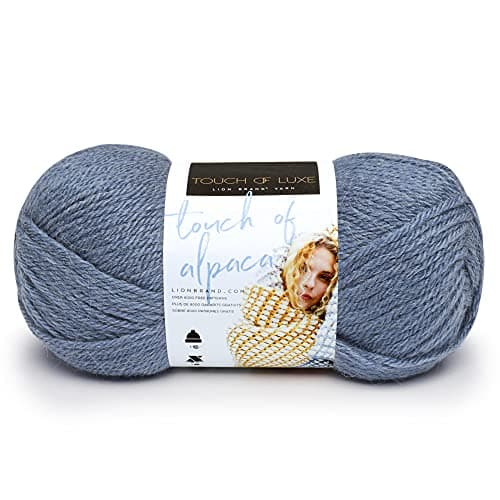 Lion Brand Touch of AlpacaAn alpaca blend - the warmest fabric here for its weight, and very soft against the face. Lion Brand Touch of AlpacaAn alpaca blend - the warmest fabric here for its weight, and very soft against the face. | Standing still in serious cold rather than moving through it | Acrylic and alpaca blend | $7.99 - View on Amazon#ad disclosure - price as of October 11, 2026 |
| 4 | 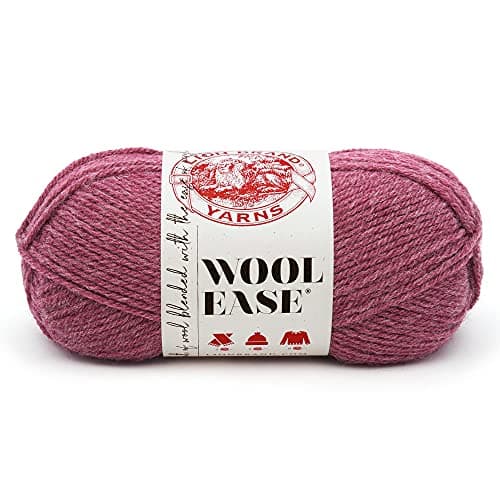 Lion Brand Wool-EaseAcrylic-wool worsted: washable, cheap, fast, and soft enough for most faces. Lion Brand Wool-EaseAcrylic-wool worsted: washable, cheap, fast, and soft enough for most faces. | A child's balaclava, or a first attempt | 80% acrylic, 20% wool | $11.77 - View on Amazon#ad disclosure - price as of October 11, 2026 |
| 5 | 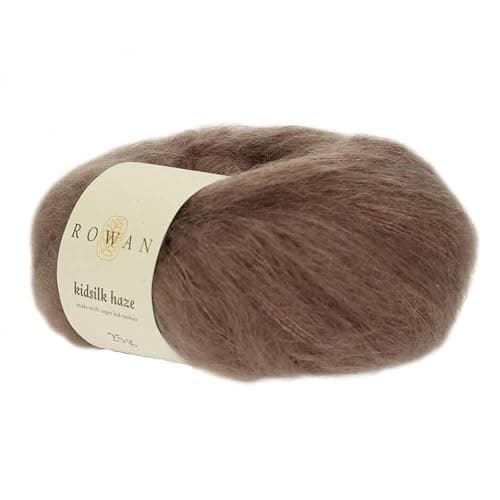 Rowan Kidsilk HazeMohair sheds continuously. In a balaclava that means loose fiber directly in front of your nose and mouth. Rowan Kidsilk HazeMohair sheds continuously. In a balaclava that means loose fiber directly in front of your nose and mouth. | Shawls | 70% mohair, 30% silk | $24.98 - View on Amazon#ad disclosure - price as of October 11, 2026 |
Cascade 220 Superwash Merino
Cascade Yarns · Best for a balaclava worn against bare skin in real cold
Machine-washable merino at 220 yards to the 100g skein - the standard answer when a sweater pattern says worsted and you want to be able to wash it.
- Fiber
- 100% superwash merino wool
- Skein
- 3.5oz / 100g, 220yd / 200m
- Gauge
- 20 sts x 28 rows in stockinette on US 7
- Weight class
- DK to light worsted
- Care
- Superwash treated - machine washable
Who it suits
Anyone making one to actually wear outdoors, and anyone who has found wool scratchy on the face before.
Why it is here
100% superwash merino, 220yd per 100g, 20 sts x 28 rows on US 7, machine washable. Two reasons it wins. Prickle is caused by coarse fiber ends being too stiff to bend against skin, and merino's fine fibers bend - which matters more here than in any other garment because facial skin is the most sensitive you have. And wool is hygroscopic, so the moisture from your breath is absorbed into the fiber rather than sitting cold and wet against your mouth.
What you give up
Merino pills where a balaclava rubs against a collar or a helmet. It is also the most expensive pick here, though one ball is more than a balaclava.
Specifications from Cascade Yarns product page. We have not handled this item - see how we pick.
Patons Kroy Socks
Patons · Best for skiing, cycling, motorbiking - anything with a hard shell over it
75/25 washable wool and nylon at fingering weight - the standard sock construction, at the cheapest price it comes in.
- Fiber
- 75% washable wool, 25% nylon
- Weight
- 1 Super Fine / fingering
- Ball
- 1.8oz / 50g, 166yd / 152m
- Gauge
- 32 sts x 40 rows on 2.75mm (US 2)
- Hook
- 3.25mm (US D/3), 22 sc x 24 rows
- Care
- Machine wash cool, dry flat
Who it suits
Anyone wearing this under a ski or bike helmet, where bulk is a safety problem rather than a comfort one.
Why it is here
Wool-nylon fingering weight, machine washable. Thickness is the constraint under a helmet - a worsted balaclava changes the shell's fit and that is genuinely unsafe. Fingering weight keeps the fabric thin, and the nylon handles the constant rub of a hard shell that would pill a pure merino quickly.
What you give up
Much slower to knit than worsted, and a thinner fabric is a less warm one in still air. The nylon also makes it slightly less breathable than pure wool.
Specifications from Yarnspirations product page. We have not handled this item - see how we pick.
Lion Brand Touch of Alpaca
Lion Brand · Best for standing still in serious cold rather than moving through it
Ten percent alpaca in an acrylic base - enough to soften the hand, at a price and a care label alpaca normally does not come with.
- Fiber
- 90% acrylic, 10% alpaca
- Weight
- 4 Medium / worsted
- Skein
- 3.5oz / 100g, 207yd / 190m
- Gauge
- 19 sts x 26 rows on US 7 (4.5mm)
- Hook
- I-9 (5.5mm), 14 sc x 18 rows
- Care
- Machine wash, lay flat to dry
Who it suits
Anyone whose cold is the standing-around kind: watching sport, waiting for transport, winter photography.
Why it is here
An acrylic-alpaca blend. Alpaca is a hollow fiber, which is why it insulates better than wool at the same weight, and blending it with acrylic keeps the price and the washability sensible. For a garment worn in still, hard cold, warmth-per-thickness is the property that matters most.
What you give up
Alpaca holds moisture and dries slowly, which is a real drawback for a garment sitting in front of your mouth - on a long active day it gets damp and stays damp. It also has little recovery, so a face opening can stretch out.
Specifications from Lion Brand product page. We have not handled this item - see how we pick.
Lion Brand Wool-Ease
Lion Brand · Best for a child's balaclava, or a first attempt
An 80/20 acrylic-wool worsted that machine washes and dries, and is the single most sensible first step away from all-acrylic.
- Fiber
- 80% acrylic, 20% wool (solids, heathers, twists)
- Weight
- 4 Medium / worsted
- Skein
- 3oz / 85g, 197yd / 180m
- Sold as
- Single skein on the listing we link
- Gauge
- 18 sts x 24 rows on US 8 (5mm)
- Hook
- J-10 (6mm), 13.2 sc x 16 rows
- Care
- Machine wash, water not above 105F; machine dry
Who it suits
Anyone knitting for a child who will lose it, and anyone testing the pattern before committing good yarn.
Why it is here
80% acrylic, 20% wool, worsted weight, machine wash and dry. For a child's version the washability is the headline - a balaclava gets damp from breath every single wear and needs washing far more often than a hat. The 20% wool gives it some of wool's moisture handling without the care requirements.
What you give up
Eighty percent acrylic does not manage breath moisture well, so it feels clammier than wool on a long day. Some people also find acrylic itchy on facial skin even though it carries no wool allergens.
Specifications from Lion Brand product page. We have not handled this item - see how we pick.
Rowan Kidsilk Haze
Rowan · Best for shawls
The brushed kid mohair and silk lace yarn most mohair patterns are written for, and the reason mohair has a reputation for halo.
- Fiber
- 70% mohair, 30% silk
- Weight
- Lace
- Ball
- 25g, 210m / 229yd
- Needles
- 3.25-5mm (US 3-8)
- Tension
- 18-25 sts, 23-34 rows over 10cm
- Care
- Hand wash cold, do not bleach, dry flat in shade, do not tumble dry
Who it suits
Nobody, for this. It is a beautiful yarn in the worst possible place.
Why it is here
70% mohair, 30% silk at lace weight. Mohair's halo is detached fiber standing away from the yarn core, and it comes off with handling. A balaclava positions the fabric across your nose and mouth for hours - every breath pulls at that halo. It is also near-impossible to wash frequently, which this garment requires.
What you give up
You give up the warmest-looking fabric in knitting. Use it for a cowl you can pull down - [best mohair yarn](/yarn-by-project/best-mohair-yarn) covers where mohair does belong.
Specifications from Rowan - Kidsilk Haze. We have not handled this item - see how we pick.
Three requirements a hat does not have
People choose balaclava yarn the way they choose hat yarn and then find the finished object unwearable. Three things are different.
- Facial skin has the lowest itch threshold on your body. Prickle is mechanical - stiff fiber ends that do not bend against skin - and the cheeks and lips register it at a fraction of the coarseness your forehead tolerates. A wool that is fine on a hat brim can be intolerable here.
- You breathe through it. Warm, humid air passes through the fabric in front of your mouth every few seconds and condenses when it hits cold. A hygroscopic fiber takes that moisture into the fiber; a hydrophobic one lets it sit on the surface as cold damp.
- It needs washing constantly. Breath moisture, skin oils and in cold weather a running nose. A hat gets washed at the end of the season; a balaclava needs it weekly, which makes machine washability a real requirement rather than a nicety.
Fiber by fiber
| Fiber | On facial skin | Breath moisture | Verdict |
|---|---|---|---|
| Merino | Excellent | Absorbs it; stays warm | Best overall |
| Wool-nylon (sock yarn) | Good | Good | Best thin option |
| Untreated coarse wool | Often intolerable | Good | Only if you know it is soft |
| Alpaca blend | Very soft | Holds moisture, dries slowly | Warmest, clammy when active |
| Acrylic-wool blend | Fine for most | Mediocre - feels clammy | Budget and washable |
| Pure acrylic | Fine for most | Poor | Cheap; damp by midday |
| Cotton | Comfortable | Soaks and goes cold | Not a cold-weather fiber |
| Mohair, angora | Soft but sheds | n/a | Do not - you breathe through it |
Construction notes that change the yarn
- Under a helmet, thickness is a safety issue. A worsted balaclava changes how a ski or bike helmet sits. Use fingering and check the helmet fit with it on.
- Rib the face opening. It needs to stretch over your head and then grip, which is the same recovery argument as an ear warmer.
- Leave the mouth area thinner or openable if you will be active. A solid panel over the mouth gets wet fast; many patterns use a fold-down or a looser mesh there.
- Avoid seams on the face. Work it in the round. A seam against a cheek is noticeable within minutes.
- Check it over glasses before you finish, if you wear them - the opening shape and the fabric thickness both affect whether glasses sit properly and whether they fog.
How much yarn
An adult balaclava is roughly 200 to 300 yards in worsted weight and 350 to 450 in fingering. That is one ball of most worsted yarns and one to two of most sock yarns, so this is an inexpensive project even in good merino.
If you are making a full winter set, best yarn for a hat and best yarn for mittens and gloves use the same reasoning with a higher itch tolerance, and does wool keep you warm when wet covers the moisture mechanism in full.
Questions people actually ask
What is the best yarn for a balaclava?
Fine superwash merino. It is soft enough for facial skin, which has a much lower itch threshold than your scalp, it absorbs breath moisture rather than letting it sit cold against your mouth, and it machine washes - which a balaclava needs weekly.
What yarn should I avoid for a balaclava?
Anything that sheds - mohair, angora, brushed alpaca and eyelash yarns. The fabric sits directly across your nose and mouth, so a halo means breathing through loose fiber. Coarse wool is also a bad idea: facial skin registers prickle at a fraction of the coarseness a hat brim tolerates.
What weight yarn for a balaclava under a helmet?
Fingering. Thickness changes how a ski or bike helmet sits, which is a safety issue rather than a comfort one. Knit it in a wool-nylon sock yarn for thinness plus abrasion resistance, and check the helmet fit with the balaclava on before you rely on it.
How much yarn do I need for a balaclava?
About 200 to 300 yards in worsted weight, or 350 to 450 in fingering. That is a single ball of most worsted yarns, which makes it an affordable project even in good merino.
Is acrylic okay for a balaclava?
It works and it washes easily, which matters for this garment, but it manages breath moisture poorly and feels clammy on a long day. An acrylic-wool blend is a better budget choice than pure acrylic, and it is a sensible pick for a child's version that will be lost.
Why does my balaclava get wet around the mouth?
Warm humid breath condenses as it hits cold fabric. You cannot stop it, but fiber choice changes how it feels: wool is hygroscopic and takes the moisture into the fiber so the fabric still feels warm, while acrylic and cotton leave it sitting on the surface as cold damp. Many patterns also leave the mouth area thinner or fold-down for this reason.