The picks
Best Yarn for Cold Weather
Thickness is not warmth. Trapped air is warmth, and what the fiber does when it gets wet decides the rest.
By Sawyer V. · Published September 27, 2026
Disclosure: we earn a commission when you buy through the links on this page, at no extra cost to you. It never decides what we recommend or how we rank it - read the full disclosure.
The short answer
Use wool or alpaca. Warmth comes from trapped air rather than from thickness, and from what the fiber does when it gets damp - wool and alpaca keep insulating wet, while cotton actively conducts heat away and synthetics stop working once they are soaked. Alpaca is the warmest per gram, wool holds its shape better, and a blend of the two is the best all-round answer for a cold climate.
What to look for
Warmth is not one property, and buying for it means understanding which of several you actually need.
- Trapped air, not bulk. Insulation is air held still. A lofty fiber traps more air per gram than a dense one, which is why a light wool hat beats a heavy cotton one.
- Performance when damp. This is the one that separates the fibers. Wool and alpaca keep insulating wet; cotton conducts heat away; acrylic simply stops working.
- A dense enough fabric to block wind. Loose lace lets air through whatever the fiber, so cold-weather knits want a tighter gauge than the ball band suggests.
- Elasticity for cuffs and brims, because a gap at the wrist or the ear undoes everything else. That needs wool rather than pure alpaca.
- Next-to-skin comfort, because the warmest hat is worthless if it is too itchy to wear.
- Care you will actually follow. The best cold-weather fibers are mostly hand wash, and a garment washed wrongly once is finished.
| # | Product | Best for | Fiber | Yards/skein | Price |
|---|---|---|---|---|---|
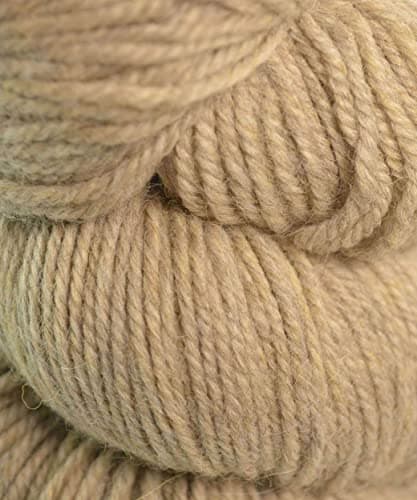
| 1 | Berroco Ultra AlpacaAlpaca for warmth and wool for structure, in the proportion that gets both. | Hats, mittens and scarves for a real winter | 50% alpaca, 50% wool | 219yd / 100g | $17.00 - View on Amazon#ad disclosure - price as of September 27, 2026 |
| 2 | 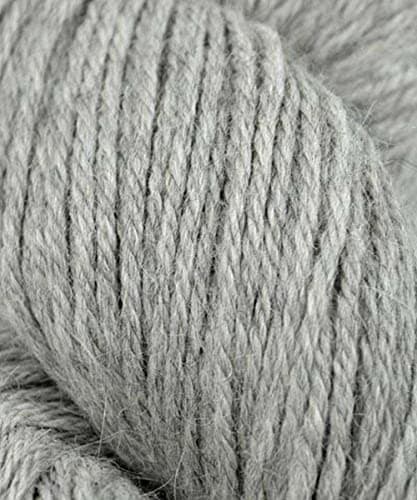 Cascade Pure AlpacaPure alpaca is the warmest fiber here and the least willing to hold a shape. Cascade Pure AlpacaPure alpaca is the warmest fiber here and the least willing to hold a shape. | Maximum warmth without bulk | 100% baby alpaca | 220yd / 100g | $18.95 - View on Amazon#ad disclosure - price as of September 27, 2026 |
| 3 | 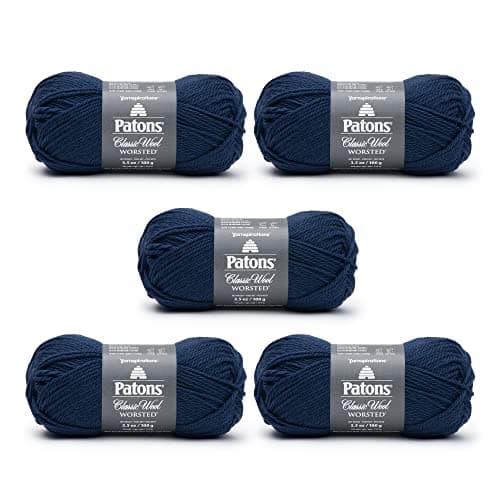 Patons Classic Wool WorstedUntreated wool at supermarket money, and it blooms into something warmer when blocked. Patons Classic Wool WorstedUntreated wool at supermarket money, and it blooms into something warmer when blocked. | Hats and mittens you will make several of | 100% wool | 194yd / 100g | $43.54 - View on Amazon |
| 4 | 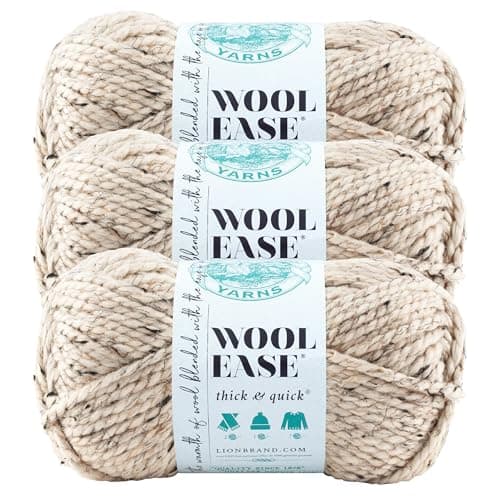 Lion Brand Wool-Ease Thick & QuickSuper bulky with wool in it, which is warmth you can finish in an evening. Lion Brand Wool-Ease Thick & QuickSuper bulky with wool in it, which is warmth you can finish in an evening. | A chunky hat or cowl this weekend | 80% acrylic, 20% wool | 106yd / 170g | $29.86 - View on Amazon#ad disclosure - price as of September 27, 2026 |
| 5 | 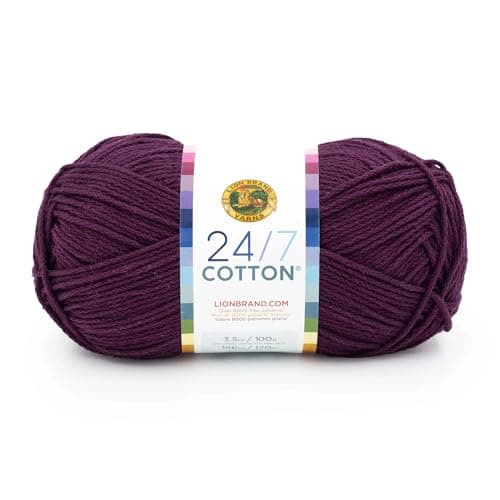 Lion Brand 24/7 CottonCotton conducts heat away from you, which is the opposite of the job. Lion Brand 24/7 CottonCotton conducts heat away from you, which is the opposite of the job. | Summer tops, bags and amigurumi | 100% mercerized cotton | 186yd / 100g | $6.99 - View on Amazon#ad disclosure - price as of September 27, 2026 |
Berroco Ultra Alpaca
Berroco · Best for hats, mittens and scarves for a real winter
Half alpaca, half Peruvian wool - the blend that gives alpaca's warmth and halo the structure alpaca on its own does not have.
- Fiber
- 50% super fine alpaca, 50% Peruvian wool
- Weight
- Worsted
- Hank
- 3.5oz / 100g, 219yd / 200m
- Gauge
- 5 sts to 1in; 20 sts x 26 rows over 4in on US 8 (5mm)
- Care
- Hand wash in cool water, lay flat to dry
- Made in
- Peru
Who it suits
Anyone knitting for somewhere that is properly cold rather than merely chilly.
Why it is here
50% super fine alpaca and 50% Peruvian wool, worsted, 219yd per 100g hank, 20 sts x 26 rows on US 8 (5mm). Alpaca is warmer than sheep wool for its weight, and the wool half provides the elasticity and memory that pure alpaca lacks, so ribbing still grips.
What you give up
Hand wash in cool water and lay flat to dry - not a garment for a busy household. It is also among the more expensive yarns on this page.
Specifications from Berroco - Ultra Alpaca. We have not handled this item - see how we pick.
Cascade Pure Alpaca
Cascade Yarns · Best for maximum warmth without bulk
Undiluted baby alpaca at worsted weight - the softest and warmest thing here, and the one with no memory at all.
- Fiber
- 100% baby alpaca
- Weight
- Worsted
- Skein
- 100g / 3.5oz, approximately 220yd / 200m
- Gauge
- 20 sts = 4in (10cm) on US 7 (4.5mm)
- Care
- Hand wash cold, lay flat to dry
Who it suits
Anyone who wants a light scarf or cowl that is much warmer than it looks.
Why it is here
100% baby alpaca, worsted, around 220yd per 100g skein, 20 sts to 4in on US 7 (4.5mm). Alpaca fiber is hollow-cored, which traps more air per gram than sheep wool does, and it has no lanolin, so it suits some people who react to wool.
What you give up
Almost no elasticity, so ribbed cuffs will not grip and a garment grows with wear. It also sheds and blooms, and it is hand wash cold, lay flat to dry.
Specifications from Cascade Yarns - Pure Alpaca. We have not handled this item - see how we pick.
Patons Classic Wool Worsted
Patons · Best for hats and mittens you will make several of
100% non-superwash wool at supermarket money. It blooms when blocked, holds a cable, and it will felt if you put it in the machine.
- Fiber
- 100% wool (not superwash)
- Weight
- 4 Medium / worsted
- Ball
- 3.5oz / 100g, 194yd / 177m
- Gauge
- 20 sts x 26 rows on 4.5mm (US 7)
- Hook
- 5mm (US H/8), 14 sc x 17 rows
- Care
- Hand wash, lay flat to dry, do not machine wash
Who it suits
Anyone who wants genuine wool warmth without a specialist yarn budget.
Why it is here
100% wool, not superwash, worsted, 194yd per 100g ball, 20 sts x 26 rows on 4.5mm. Untreated wool keeps insulating when damp, which is the property that matters most outdoors, and it blooms when washed and blocked so the fabric closes up and traps more air.
What you give up
Hand wash and lay flat - it will felt in a machine. Untreated wool is also the itchiest option here against bare skin, so it suits outer layers better than next-to-skin ones.
Specifications from Yarnspirations product page. We have not handled this item - see how we pick.
Lion Brand Wool-Ease Thick & Quick
Lion Brand · Best for a chunky hat or cowl this weekend
The super bulky the whole arm-knitting and chunky-blanket category is built on, at a gauge that finishes a throw in a weekend.
- Fiber
- 80% acrylic, 20% wool (fiber ratio varies on some heathered colorways)
- Weight
- 6 Super Bulky
- Skein
- 6oz / 170g, 106yd / 97m
- Gauge
- 9 sts x 12 rows on US 13 (9mm)
- Hook
- M (9mm)
- Care
- Machine wash and dry
Who it suits
Anyone who needs something warm quickly.
Why it is here
80% acrylic and 20% wool, category 6 super bulky, 106yd per 170g skein, 9 sts x 12 rows on US 13 (9mm), machine wash and machine dry. Thickness alone is not warmth, but a thick fabric with wool in it traps a lot of air, and this is the fastest route to a finished warm object on this page.
What you give up
Only 20% wool, so it is less warm when damp than the pure fibers above. Super bulky is also heavy and has no drape, which rules it out for garments.
Specifications from Lion Brand product page. We have not handled this item - see how we pick.
Lion Brand 24/7 Cotton
Lion Brand · Best for summer tops, bags and amigurumi
Mercerized cotton with a sheen and a stiff hand. Stitch definition is the best on this page, which is why amigurumi people keep buying it.
- Fiber
- 100% mercerized cotton
- Weight
- Worsted
- Skein
- 3.5oz / 100g, 186yd / 170m
- Gauge
- 19 sts x 26 rows on 5mm (US 8)
- Hook
- 5.5mm (US I/9), 16 sc x 18 rows
- Care
- Machine wash, water not above 105F; medium heat dryer
Who it suits
Not winter knitters. For a market bag or a summer top it is genuinely excellent.
Why it is here
100% mercerized cotton, worsted, 186yd per 100g skein, 19 sts x 26 rows on 5mm.
What you give up
Cotton conducts heat away from the body and feels cold once damp, which is exactly why it is the summer fiber. A cotton hat in real cold is worse than no hat, because it holds moisture against you - see [wool vs cotton yarn](/fiber-guide/wool-vs-cotton-yarn).
Specifications from Lion Brand product page. We have not handled this item - see how we pick.
Why wool works wet
Wool fiber absorbs a large amount of moisture into its structure while the outer surface stays comparatively water-repellent. The result is that wool feels dry longer than it is, and the trapped air that provides the insulation is not displaced.
Cotton does the opposite - it soaks, the fiber saturates, the air is displaced and the wet fabric pulls heat out of you. That is a pleasant property in July and a dangerous one in February. Acrylic does not absorb much at all, but once the fabric is wet the air is gone and so is the insulation.
Alpaca against wool
| Alpaca | Sheep wool | |
|---|---|---|
| Warmth per gram | Higher | High |
| Elasticity | Very little | Good |
| Holds ribbing | Poorly | Well |
| Lanolin | None | Present unless removed |
| Drape | Heavy, fluid | Springy |
| Grows with wear | Noticeably | Less |
| Best used | Scarves, cowls, blended | Hats, mittens, ribbed edges |
This is why the blend wins. Alpaca supplies warmth, wool supplies memory, and the combination does what neither does alone. Alpaca vs merino and alpaca yarn pros and cons go further.
Layering beats any single yarn
- A thin wool layer under a thicker one is warmer than one very thick layer of the same total weight, because you get two air gaps instead of one.
- Wind is the enemy of knitted fabric. Even a tight knit is porous; a windproof outer layer transforms it.
- Cover the gaps. Wrists, ears and neck lose heat disproportionately, which is why mittens, hats and cowls are the highest-value knits in a cold climate.
- Mittens beat gloves, because fingers share air.
- Damp is the real risk, not cold air - which is the whole argument for wool.
How we picked
Every yarn here is one we already list, ranked on published fiber content and the well-documented behavior of those fibers when damp - not on any testing, which this site does not do. The sources below are the manufacturers' own specifications.
What we would buy
- The all-round choice: an alpaca-wool blend.
- Warmest for its weight: baby alpaca.
- Best value: untreated worsted wool.
- Something warm by Sunday: super bulky with wool in it.
- Not in winter: mercerized cotton.
Questions people actually ask
What is the warmest yarn for cold weather?
Alpaca is the warmest per gram, because the fiber traps more air. Sheep wool is close behind and holds its shape far better, which is why a blend of the two is the best all-round choice for a cold climate.
Is acrylic warm enough for winter?
For mild cold in dry conditions, yes. It stops working once the fabric is genuinely wet, because it does not manage moisture the way wool does - which matters for anyone outdoors for long.
Why is cotton bad for cold weather?
It conducts heat away from the body and feels cold once damp, because the fiber saturates and displaces the trapped air that provides insulation. It is the summer fiber for exactly that reason.
Does a thicker yarn mean a warmer hat?
Not by itself. Warmth is trapped air, so a lofty fiber knitted at a dense gauge beats a thick fabric that lets wind through. Going down a needle size does more for warmth than going up a yarn weight.
Wool or alpaca for mittens?
Wool, or a blend. Alpaca is warmer per gram but has almost no elasticity, so an alpaca cuff will not grip the wrist - and a gap at the wrist undoes the warmth you gained.