Guide
Best Hook for Chenille Yarn
Worming is a tension problem. The hook is how you control tension.
By Sawyer V. · Published September 4, 2026
Disclosure: we earn a commission when you buy through the links on this page, at no extra cost to you. It never decides what we recommend or how we rank it - read the full disclosure.
The short answer
Use the hook size the yarn label publishes - 8mm (L-11) for standard chenille blanket yarn - rather than the larger size its weight category would suggest. Worming happens when the fabric is too loose, so the fix is a smaller hook and firmer tension, not a different brand of hook.
Chenille is a genuinely popular yarn with one genuinely annoying failure mode, and almost everything written about it treats worming as mysterious. It is not: it is a direct consequence of fabric density.
What worming is, and why it happens
Chenille is constructed by binding short pile fibers around a core. That pile is what makes the yarn soft. It is also only held in place by the tension of the surrounding fabric.
When the fabric is loose, individual loops of yarn have room to migrate and work their way out of the surface, producing the small protruding loops crocheters call worming. Once out, they do not go back on their own.
So the whole problem is density, and density is set by hook size, tension and stitch choice - in that order.
Hook size: go with the label, not the category
The standard puts category 6 super bulky at 9 to 15mm. Bernat Blanket publishes 8mm, and Bernat Baby Blanket publishes 8mm too.
That gap is deliberate. The manufacturer is specifying tighter than the category because they know what happens at the loose end. Follow the label. Going to 9 or 10mm makes the project faster and makes worming much more likely.
| Yarn | Weight | Published hook | Published gauge |
|---|---|---|---|
| Bernat Blanket | 6 Super Bulky | 8mm (US L/11) | 7 sc x 8 rows / 4in |
| Bernat Baby Blanket | 6 Super Bulky | 8mm (US L/11) | 7 sc x 8 rows / 4in |
Head shape with a yarn you cannot see
The pile hides the stitch structure completely, so you insert the hook by feel. That changes which head shape helps:
- An in-line or gently rounded head goes into a stitch you cannot see more predictably. This is the main consideration.
- A sharply tapered head can catch on the pile rather than entering the stitch, and you will not be able to see that it has.
- A smooth finish matters - any burr or seam grabs the pile immediately.
Aluminum with an in-line or rounded head is the sensible combination. The Susan Bates range goes to 10mm and is cheap; a single large Clover Amour gives you the same head profile with a comfortable grip.
The technique that matters more than the hook
- Work firmer than feels natural. This is the single largest lever. Chenille rewards tension that would be too tight in ordinary yarn.
- Use a simple, solid stitch. Single crochet or half double crochet. Chenille shows no texture anyway, so a textured stitch costs you effort and buys nothing.
- Avoid open stitches entirely. Anything with deliberate gaps is a loose fabric by design, and it will worm.
- Count every row. You cannot see the stitches, so counting is your only check. A row counter or a marker at the start of each row is not optional here.
- Do not machine dry hot. The published care is machine wash delicate and tumble dry gentle. Heat and agitation both encourage migration.
Fixing worming that has already happened
Loops that have already pulled out can be worked back. Take a small hook, catch the loop, and pull it back through to the wrong side of the fabric. It is fiddly, it works, and it is not permanent - the same loop may reappear.
Do not cut a worm loop. It is a continuous strand and cutting it opens a hole that will run. This is the one genuinely destructive mistake available here.
Should you use chenille at all?
It is fast, it is soft, and it is machine washable, which is a real combination for a blanket. Against that: no stitch definition, worming, and only 108 yards per 150g ball, so a full-size throw is a lot of balls and more money than the per-ball price suggests.
For a plain, soft, quick throw it is a good choice. For anything textured, for a garment, or for amigurumi, it is the wrong yarn - see best yarn for a blanket for the alternatives and how much yarn do I need for the arithmetic before you commit.
What we would use with chenille
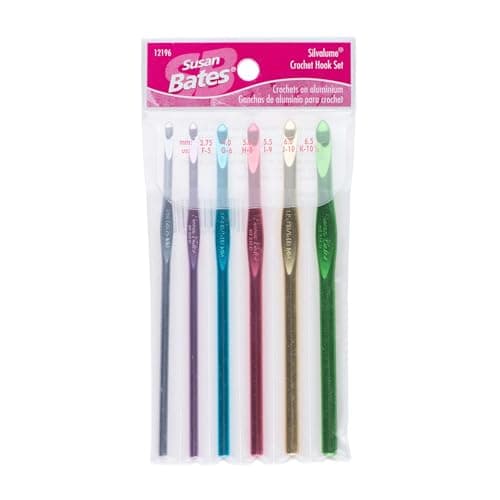
Susan Bates Silvalume Aluminum Crochet Hooks
A smooth in-line aluminum head, which is what stops a hook burrowing into the pile.
$11.57 - View on Amazon#ad disclosure - price as of October 20, 2026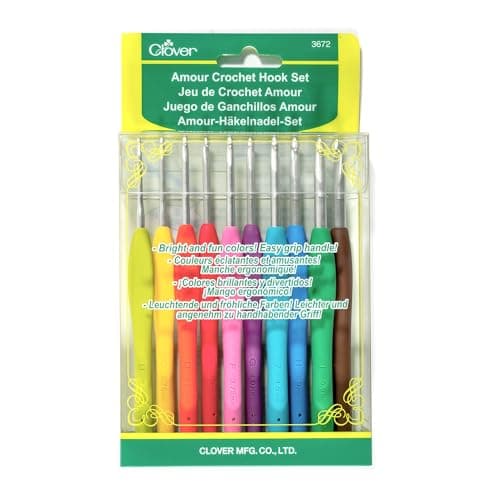
Clover Amour Crochet Hook Set
If your hands complain: the same idea with a molded grip, up to 6.0mm.
$50.83 - View on Amazon#ad disclosure - price as of October 20, 2026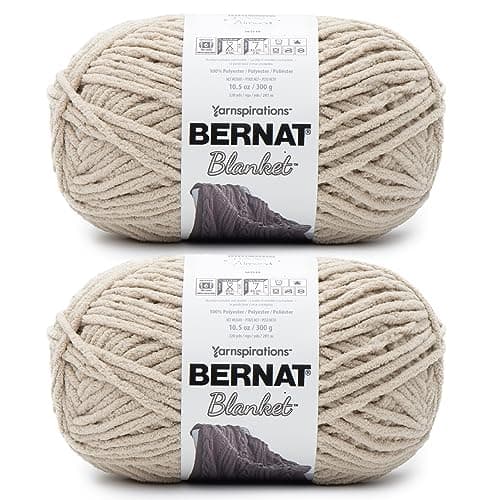
Bernat Blanket
The yarn itself - 100% polyester chenille, super bulky, 8mm hook, 7 sc per 4in.
$20.96 - View on Amazon#ad disclosure - price as of October 20, 2026
Questions people actually ask
What size hook for chenille yarn?
8mm (L-11) for standard chenille blanket yarn, which is what the yarn label publishes. That is tighter than the super bulky category range, and deliberately so.
How do I stop chenille yarn from worming?
Work firmly, use the hook size on the label rather than a larger one, choose a simple solid stitch, and avoid open stitch patterns. Worming is a fabric-density problem.
Can I fix worming after the blanket is finished?
Yes, partly. Use a small hook to catch each loop and pull it through to the wrong side. Never cut a worm loop - it is a continuous strand and cutting opens a hole that runs.
Why can't I see my stitches in chenille yarn?
The pile buries the stitch structure. You work by feel and by count rather than by sight, which is why a stitch marker and counting every row matter more with this yarn than any other.
Is chenille yarn worth using?
For a plain, soft, fast blanket, yes. For anything textured, any garment, or amigurumi, no - it shows no stitch definition, and at 108 yards a ball a large project costs more than it looks.