Guide
Types of Yarn Crafts
Sorted by what you want to end up with, not by technique name.
By Sawyer V. · Published September 4, 2026
Disclosure: we earn a commission when you buy through the links on this page, at no extra cost to you. It never decides what we recommend or how we rank it - read the full disclosure.
The short answer
Sort yarn crafts by what they produce. Garments and socks come from knitting; blankets, toys and bags from crochet; flat cloth and rugs from weaving and latch hook; wall art from macrame and punch needle; trims from pom pom and tassel work.
Most guides list yarn crafts by technique, which is only useful if you already know what each technique makes. This one goes the other way round.
If you want to make clothes
Knitting is the answer for anything fitted. Knitted fabric stretches in both directions, drapes, and can be shaped as you make it - which is why sweaters, socks, hats and mittens are overwhelmingly knitted.
Crochet makes garments too, and the fabric is thicker and less elastic - excellent for a structured cardigan, less good for a close-fitting sweater. Where crochet genuinely wins in garment-making is edgings and trims, which is why plenty of knitters learn a little of it.
Start at best yarn for a sweater or best yarn for a cardigan.
If you want to make blankets
Crochet is faster. Tall crochet stitches cover ground quickly, and the denser fabric is welcome in a blanket. It uses more yarn than knitting for the same area, which is a real cost on something this size.
Knitting uses less yarn and takes longer. On a large circular needle it is comfortable, because the weight sits in your lap.
Arm knitting produces a chunky blanket in an afternoon, using very thick yarn. The result is loose and open, and it is genuinely quick.
Whichever you choose, run the yardage first: how much yarn do I need, then best yarn for a blanket.
If you want to make toys
Crochet, specifically amigurumi. The technique produces a fabric dense enough to hide stuffing, which knitting struggles to match without a lining.
It wants mercerized cotton for stitch definition and a hook a size or two below the yarn's label, so the fabric is tight - the reasoning is in best yarn for amigurumi.
If you want to make wall art
- Macrame - knots, no tools, and the learning curve is a handful of knots. Plant hangers and wall hangings. See best macrame kits for beginners.
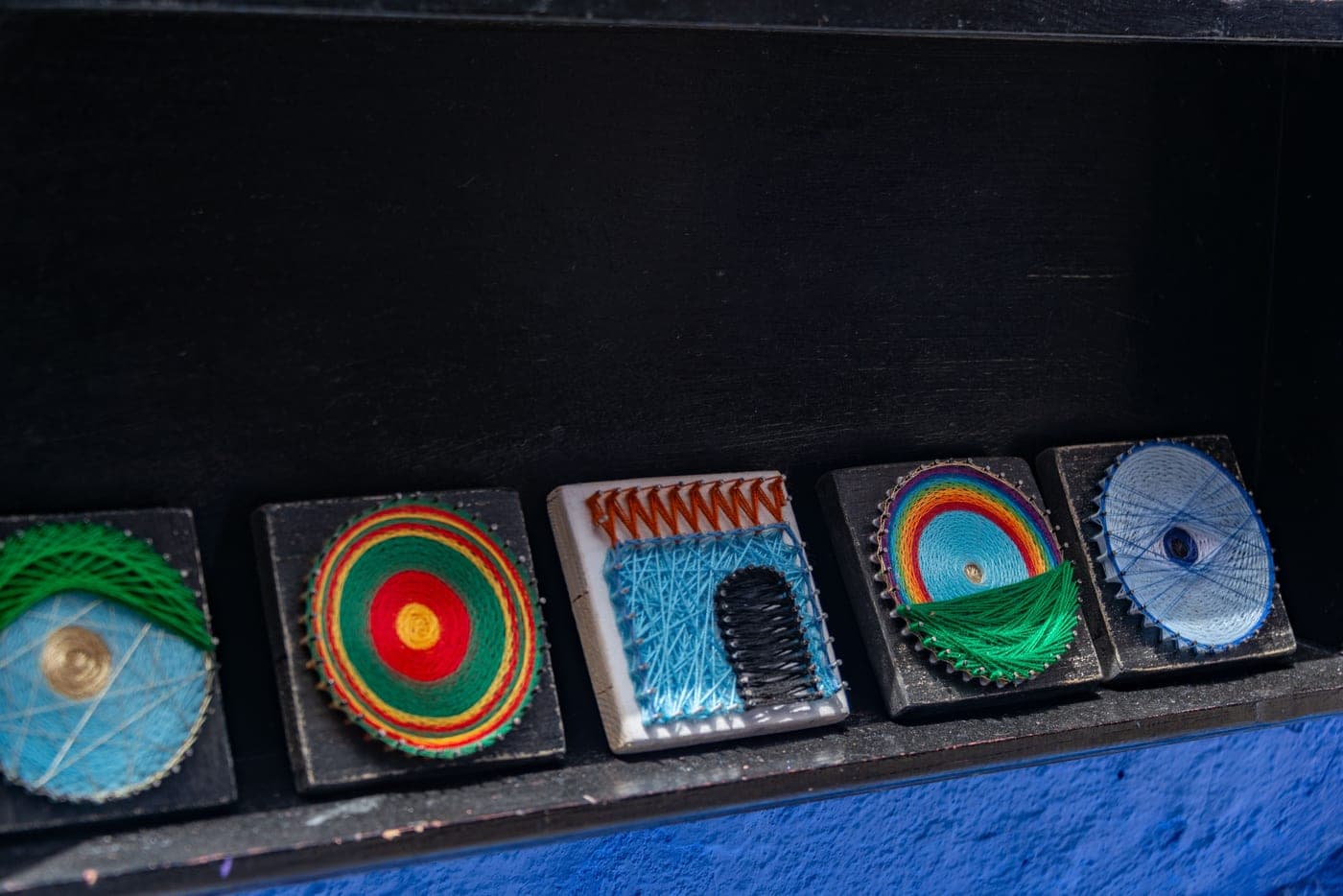
- Punch needle - a punch tool and a stretched foundation fabric, producing a looped or tufted surface. Fast, repetitive and satisfying. See best punch needle kits.
- Weaving on a frame loom - a small frame, a shuttle, and flat cloth or a hanging. The gentlest entry into weaving, though a rigid heddle loom is the first one that weaves real cloth.
- Latch hook - a hook and a mesh canvas, producing a shaggy pile. One repeated motion.
None of these need the tools this site covers - they are a genuinely different equipment set from knitting and crochet, and cheaper to start.
If you want to make bags and baskets
Crochet, in cotton, on a hook smaller than the label suggests. Structure is the goal, and a tight cotton fabric holds a shape where wool or acrylic would sag.
See best hook for cotton yarn for the sizing, and note that cotton has no memory - which is exactly why it works here.
If you want to make trims and decorations
Pom poms and tassels need card and scissors, or a pom pom maker. Immediate, and they finish hats, blankets and garlands.
Attaching them to a finished piece is where a flexible fabric adhesive is genuinely useful - see best glue for yarn crafts, and note that for anything a child will handle, sewing beats gluing every time.
If you want something finished today
| Craft | First object | Realistic time |
|---|---|---|
| Finger knitting | A garland or a thin scarf | Under an hour |
| Pom poms | A pom pom | Minutes |
| Arm knitting | A chunky blanket | An afternoon |
| Latch hook | A small cushion front | A few evenings |
| Crochet | A dishcloth or a coaster | An evening |
| Knitting | A dishcloth | An evening or two |
| Punch needle | A small hoop piece | A few evenings |
| Weaving | A small frame-loom hanging | A few evenings |
If you want something that lasts a lifetime
Worth separating from the rest, because it changes what you should buy. Some yarn objects are consumables and some are heirlooms, and the fiber decision is completely different.
- Consumable - dishcloths, coasters, children's garments outgrown in a season, charity knitting. Buy cheap and washable and do not agonize over the fiber. Cotton or acrylic.
- Everyday - sweaters, hats, socks, blankets in use. Buy wool or a wool blend, and match the care to the person who will own it.
- Heirloom - a christening shawl, a wedding-ring shawl, a blanket meant to be handed on. Buy the best natural fiber you can, and accept hand washing.
The mistake worth avoiding is spending heirloom money on a consumable, and heirloom effort on something that will be washed hot every week. Upgrading from acrylic works through where the money actually changes the object.
If you want a craft that travels
Portability is a real constraint and it eliminates several of these outright:
| Craft | Portable? |
|---|---|
| Crochet | The most portable - one hook and a ball |
| Knitting on circulars | Very - nothing can be dropped, and the tips are attached to each other |
| Knitting on double-pointed needles | Workable, and easy to lose a needle |
| Tunisian crochet | Reasonable - one long hook |
| Macrame | Poor - it needs an anchor point |
| Punch needle | Poor - it needs a stretched hoop and a working surface |
| Latch hook | Poor - the canvas is bulky |
| Weaving | No |
If most of your craft time happens on a train, in a waiting room or in front of a television, that table alone narrows the field to two.
Which to commit to
If you want a craft that makes useful things for years, it is knitting or crochet - everything else on this page has a narrower output. Learn one of the two properly first, and add the others later.
Knitting vs crochet is the honest comparison, yarn crafts explained covers the full family in technique order, and what belongs in a starter kit is the shopping list.
Where each craft starts
- No photo
Clover Takumi Bamboo Single Point Needles
Knitting: a pair of bamboo straights, the traditional starting point.
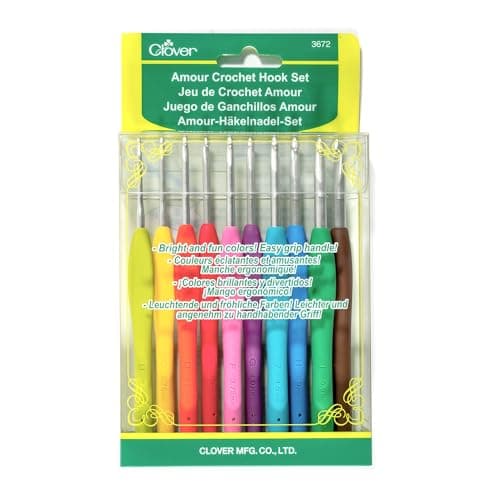
Clover Amour Crochet Hook Set
Crochet: a hook set covering every size the craft ordinarily uses.
$50.83 - View on Amazon#ad disclosure - price as of October 20, 2026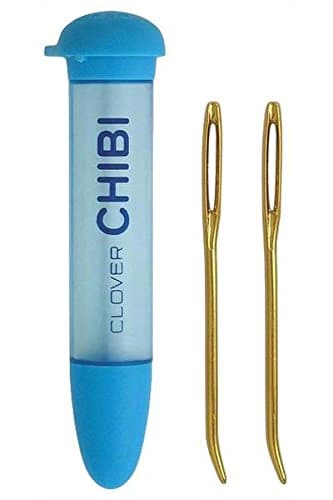
Clover Chibi Darning Needle Set (Bent Tip)
Both, and every other yarn craft here: blunt bent-tip needles for finishing.
$9.14 - View on Amazon#ad disclosure - price as of October 20, 2026
Questions people actually ask
What are the different types of yarn crafts?
Knitting, crochet, weaving, macrame, punch needle, latch hook, arm and finger knitting, Tunisian crochet, and pom pom and tassel work. Knitting and crochet are the two that make wearable garments.
Which yarn craft is best for making blankets?
Crochet, usually - tall stitches cover ground fast and the denser fabric suits a blanket. Knitting uses less yarn for the same area but takes longer.
What yarn craft is easiest for kids?
Finger knitting, pom pom making and latch hook. All three are immediate, need almost no tools, and produce a finished object quickly.
What craft makes stuffed toys?
Crochet, specifically amigurumi. The fabric is dense enough to hide stuffing, which knitting cannot easily match.
Do I need different yarn for different crafts?
The same yarn and the same weight system apply across all of them. What changes is which weight suits the technique - arm knitting needs very thick yarn, punch needle needs something that fills the canvas.