Guide
How Yarn Is Dyed and Why Dye Lots Matter
Two balls, same shade name, different colors. It is not a mistake - it is how dyeing works.
By Sawyer V. · Published September 7, 2026
Disclosure: we earn a commission when you buy through the links on this page, at no extra cost to you. It never decides what we recommend or how we rank it - read the full disclosure.
The short answer
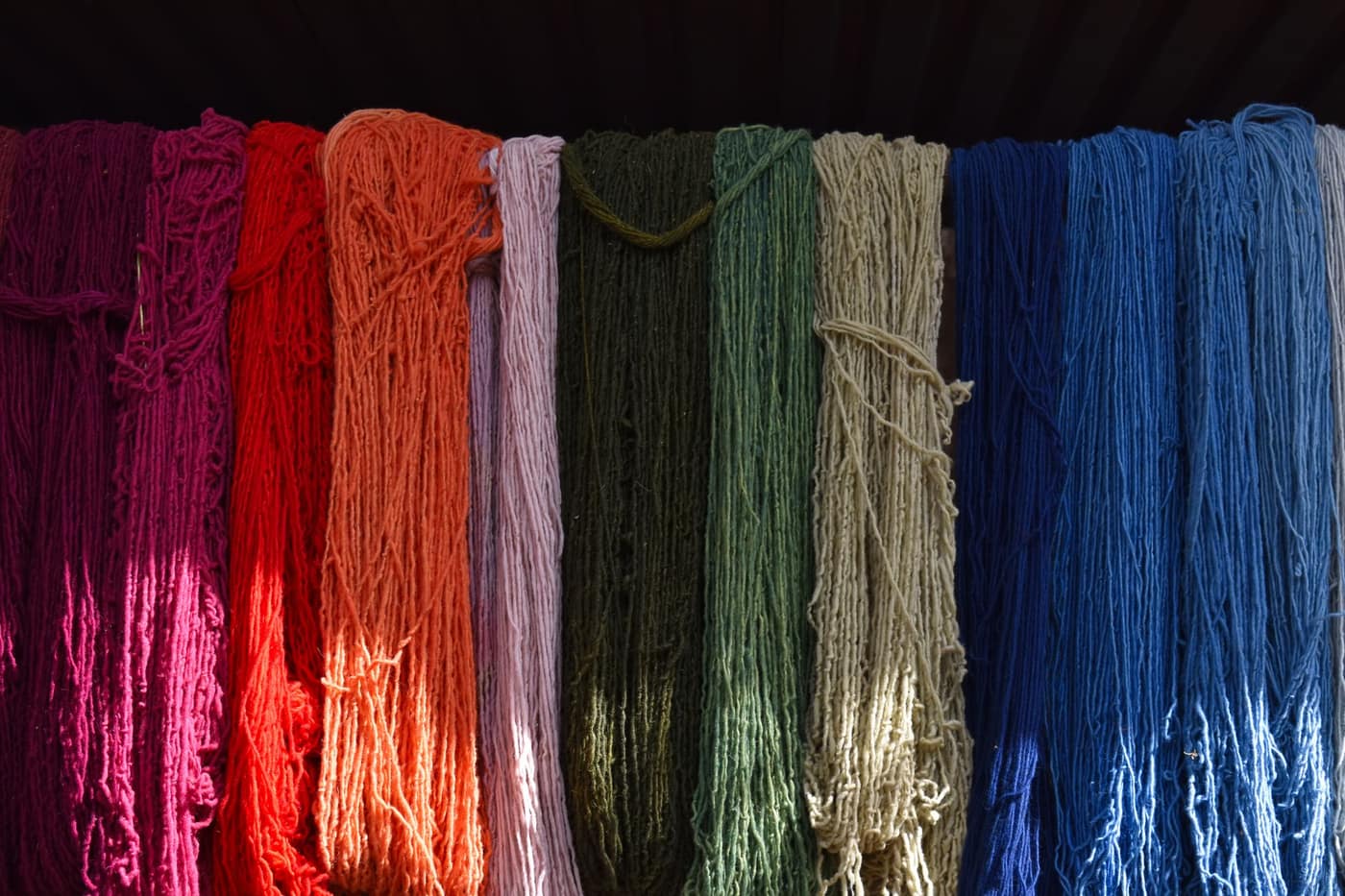
Yarn is dyed in batches, and no two batches are exactly identical - water, temperature, timing and the fiber itself all vary slightly. The batch number is the dye lot. Buy all the yarn for one project from a single lot, and if you cannot, alternate two balls every two rows so the change is gradual rather than a visible line.
Why a dye lot exists at all
Dyeing is a chemical reaction between a dye and a fiber, and it happens in a vessel with a finite capacity. A mill dyes as much yarn as the vessel holds, then dyes another batch.
Between those two batches, several things vary by small amounts: water chemistry, temperature, how long the yarn sits, the exact weight of dye, and the fiber itself - wool from different animals takes dye slightly differently. None of the variations is large. All of them are visible when two balls sit next to each other in daylight.
Where it shows, and where it does not
| Project | Shows? | Why |
|---|---|---|
| Sweater body | Badly | A horizontal line across the chest at the ball change |
| Scarf or blanket in stripes | Barely | The eye reads it as part of the design |
| Granny squares | Sometimes | Whole squares differ; can look deliberate or can look wrong |
| Colorwork | Badly | The background shifts under an unchanged motif |
| Socks | Only if the pair differs | One sock lighter than the other is very noticeable |
| Amigurumi | Rarely | Small pieces, and a limb is a separate object anyway |
The no-dye-lot exception
Some large-volume acrylics are sold as no dye lot, which means the manufacturer controls the process tightly enough that any ball of that shade matches any other.
That is a genuine and underrated advantage. On a project that takes six months and a dozen balls - a granny square blanket, a large afghan - being able to buy a replacement ball in March that matches one bought in October is worth more than softness.
It is generally only offered on solid shades. Heathers, tweeds and variegated colorways still carry lots.
Hand-dyed yarn, where lots are the point
Hand-dyed yarn is dyed in very small batches - sometimes a handful of skeins - so variation between lots is larger, not smaller. Dyers say so openly and it is part of what people are buying.
The standard technique with hand-dyed yarn is not to match lots but to alternate skeins deliberately, which turns a potential flaw into an even blend. More on that below.
What to do when the lots do not match
- Alternate two balls every two rows. Work two rows from ball A, two from ball B, carrying the unused yarn up the side. The change becomes a gradient rather than a line, and it is invisible in the finished fabric.
- Change at a structural boundary. Start the new lot at an underarm, a sleeve division or a border, where the eye expects a change.
- Put the odd lot somewhere hidden. Cuffs, the underside of a collar, the last inches of a sleeve.
- Make the difference deliberate. A contrast band reads as design; a subtle mismatch reads as a mistake.
- Use the odd ball for a different project. A hat from the leftover ball is better than a striped sweater nobody meant.
Fading, which is a separate problem
Dye lots are about two balls differing at the point of purchase. Fading is about one garment changing over time, and the causes are different.
- Sunlight. The biggest cause. A yarn stored on a windowsill fades on one side - see best yarn storage solutions.
- Hot washing and detergent. Alkaline detergents strip dye faster than pH-neutral wool washes do.
- Fiber and treatment. Mercerized cotton holds color notably better than untreated cotton. Superwash wool takes dye brightly and can bleed on the first wash.
- Saturation. Deep reds, blacks and navies bleed and fade most, in every fiber.
Washing a new deep-colored item separately for the first two washes is worth doing, and the ball band's care symbols will usually flag it - see yarn care symbols.
Buying rules that follow from all this
- Buy the whole project at once. Including the border, the join and the button band, which people forget.
- Buy one extra ball. The cheapest insurance in this craft.
- Check the lot number, not just the shade name. Two seconds in the shop; unrecoverable afterwards.
- Keep one band per project. It carries the lot number, so a match can be found later.
- Compare in daylight. Shop lighting hides a mismatch reliably.
The yardage arithmetic that tells you how many balls to buy in the first place is on how much yarn do I need.
Yarns that handle the dye-lot problem differently
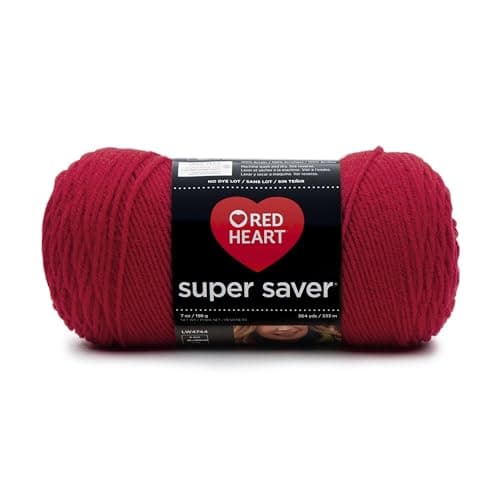
Red Heart Super Saver
Sold as no-dye-lot in the solid shades, which is why it dominates long multi-ball projects.
$4.18 - View on Amazon#ad disclosure - price as of October 22, 2026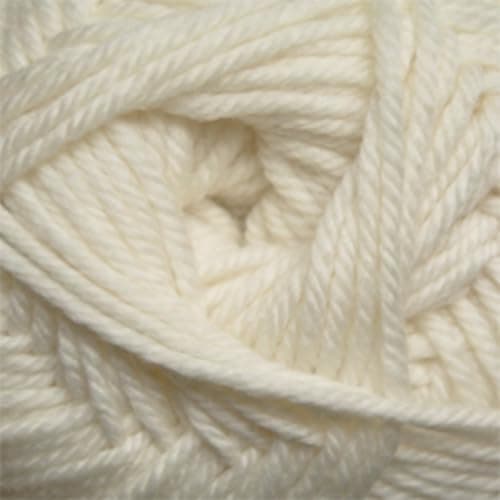
Cascade 220 Superwash Merino
Superwash takes dye more brightly than untreated wool, and it is sold with dye lots - buy the sweater's worth at once.
$19.00 - View on Amazon$21.0010% off · #ad disclosure - price as of October 22, 2026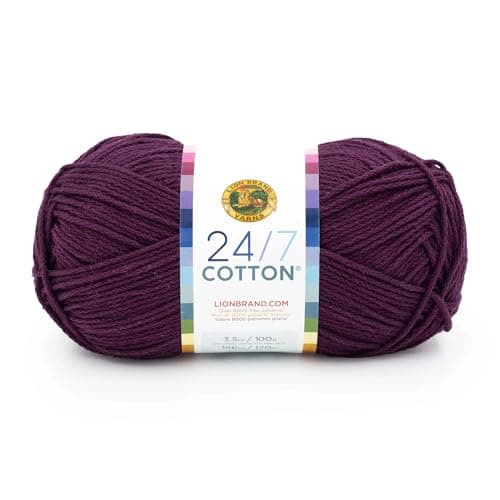
Lion Brand 24/7 Cotton
Mercerized cotton holds saturated color better than untreated cotton, and fades far less over many washes.
$6.99 - View on Amazon#ad disclosure - price as of October 22, 2026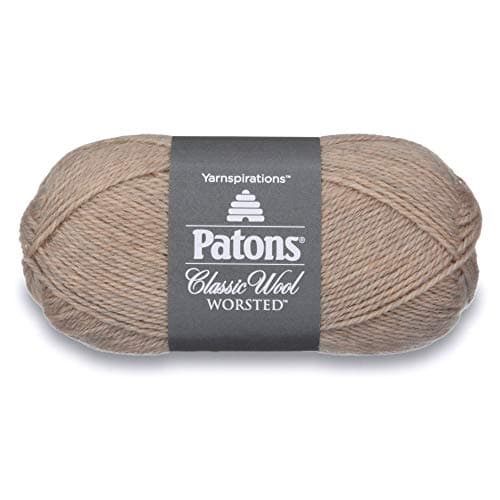
Patons Classic Wool Worsted
Untreated wool takes dye more softly, which is why heathered natural shades look the way they do.
$11.89 - View on Amazon#ad disclosure - price as of October 22, 2026
Questions people actually ask
What is a dye lot?
The batch number for one dyeing run. Yarn is dyed in vessel-sized batches and no two batches are exactly identical, so two balls only match if both the color number and the dye lot number match.
Does dye lot really matter?
On anything worked in one piece, yes - the change shows as a horizontal line across the fabric. On stripes, amigurumi and small projects it barely registers.
What can I do if I run out and the dye lot is gone?
Alternate two balls every two rows, carrying the unused yarn up the side. The transition becomes a gradient rather than a line and is effectively invisible in the finished fabric.
What does no dye lot mean on a yarn label?
The manufacturer controls the process tightly enough that any ball of that shade matches any other. It is offered mainly on solid shades of large-volume acrylics, and it is genuinely valuable on long multi-ball projects.
Why does my hand knit fade?
Usually sunlight, which is the largest cause, followed by hot washing and alkaline detergent. Deep reds, blacks and navies fade and bleed most in every fiber; mercerized cotton holds color best.