Guide
How to Block Your Knitting
The twenty minutes at the end that changes more about a finished piece than anything you did while making it.
By Sawyer V. · Published September 6, 2026
Disclosure: we earn a commission when you buy through the links on this page, at no extra cost to you. It never decides what we recommend or how we rank it - read the full disclosure.
The short answer
Blocking means wetting or steaming a finished piece, shaping it to the measurements you want, and letting it dry that way. Wool takes a wet block permanently. Acrylic does not - it needs steam, which is permanent and easy to overdo. Weave in your ends first, and always block your swatch before your project.
What blocking actually does
Two things, and they are different.
- It relaxes the yarn. Fibers held under tension by being knitted settle, and the stitches even out. This is why an unblocked piece looks lumpy and the same piece blocked looks regular.
- It sets a shape. A wet fiber shaped and dried holds that shape. This is how a lace shawl opens from a crumpled rag into a pattern, and how a curling stockinette edge is made to lie flat.
The first happens with any fiber. The second only works properly on animal fibers, which is the whole reason there is more than one blocking method.
The three methods
| Method | How | Best for | Permanent? |
|---|---|---|---|
| Wet blocking | Soak, press out water, pin to shape, dry | Wool, alpaca, cotton, linen, lace | Yes on animal fiber |
| Steam blocking | Hover a steam iron above the pinned piece | Acrylic, blends, quick fixes | Yes - and irreversible |
| Spray blocking | Pin dry, mist until damp, leave | Gentle reshaping, small pieces, superwash | Partly |
Wet blocking, step by step
- Weave in all your ends first. See how to weave in ends.
- Soak in cool water for 15 to 20 minutes. A wool wash is worth using; ordinary detergent is alkaline and rougher on wool.
- Lift supporting the whole piece. A wet knit lifted by one corner stretches immediately.
- Press the water out in a towel. Roll the piece in a towel and press. Never wring.
- Pin to your measurements on a flat surface. Pin at the numbers, not by eye.
- Leave until completely dry. A day, sometimes two. Unpinning a damp piece loses the shape.
Steam blocking, and the risk
Pin the piece dry, then hold a steam iron an inch or two above it and let the steam do the work. The iron never touches the fabric.
By fiber
| Fiber | Method | What happens |
|---|---|---|
| Untreated wool | Wet block | Relaxes and evens; holds the new shape well |
| Superwash wool | Wet block, dry flat | Relaxes and grows - do not stretch it further |
| Alpaca | Wet block, dry flat | Grows, and keeps growing under its own weight |
| Cotton | Wet block | Sets by drying flat; will not be reshaped much |
| Linen | Wet block | Softens noticeably; judge it after the second wash |
| Acrylic | Steam only | Will not wet block; steam is permanent |
| Wool-acrylic blends | Steam or a gentle wet block | Behaves like the majority fiber |
Superwash and alpaca are the two to be careful with. Both grow, and blocking a superwash garment aggressively is how a sweater ends up two sizes larger - blocking superwash wool covers that specifically.
Block the swatch, always
This is the recommendation people skip and then regret. Your gauge after blocking is your real gauge, and for superwash or alpaca it can be substantially different from the gauge off the needles.
Block the swatch, measure it, and only then start. Our gauge and swatching page has the arithmetic for what a small error costs on an adult garment.
The surface
You need something flat, pinnable, rustproof and large enough for the piece. Interlocking foam boards with a printed grid are the standard answer, and the grid is the useful part - it lets you square a piece by eye rather than measuring every edge.
A towel on a spare bed works and has two drawbacks: it is not square, and the piece takes far longer to dry because the towel holds moisture underneath. Our blocking mats page covers the options.
Where blocking makes the biggest difference
- Lace. Not optional. Unblocked lace does not look like lace; blocking commonly adds 20 to 30 percent to the dimensions. See best knitting needles for lace.
- Colorwork. Wet blocking evens out the tension difference between the two colors, which nothing else fixes - see best yarn for colorwork.
- Garment pieces before seaming. Blocking flat pieces first makes seaming dramatically easier and the seams straighter.
- Anything with a stockinette edge. Stockinette curls; blocking flattens it.
- Granny squares. Blocking each square to the same size before joining is what makes a motif blanket lie flat - see best yarn for granny squares.
Mistakes worth avoiding
- Blocking before weaving in ends. The ends set in whatever position they were in, and the fabric around them is now the wrong shape.
- Hanging a wet piece. It stretches under its own weight, permanently. Dry flat, every time.
- Over-stretching to hit a measurement. If the piece will not reach the number without distortion, the gauge was wrong. Stretching it will not survive the first wash.
- Using rustable pins. T-pins should be rustproof; ordinary dressmaking pins leave orange marks on a damp knit.
- Ironing directly. Contact with a hot iron flattens the stitch structure and can glaze synthetics.
- Unpinning early. Damp means unset. Wait.
How often to reblock
Every wash, effectively. A hand knit washed and dried flat has been blocked again, which is why the care instructions for hand knits and the blocking instructions are the same set of steps.
That is also why blocking is worth learning properly rather than treating as a one-off ritual. You will do it every time the garment is washed for the rest of its life.
What blocking actually needs
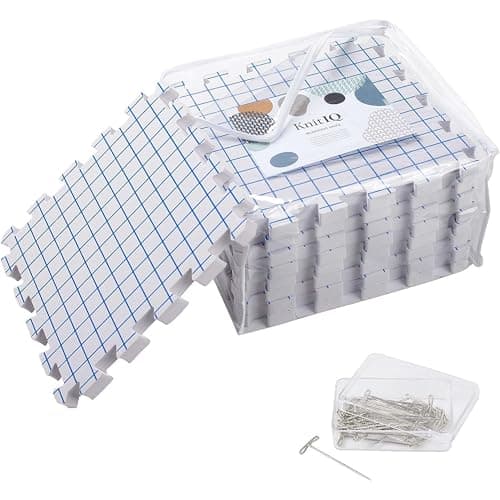
KnitIQ Blocking Mats
Nine interlocking gridded foam boards with T-pins - a flat, square, pinnable surface is most of the job.
$49.99 - View on Amazon$54.999% off · #ad disclosure - price as of October 22, 2026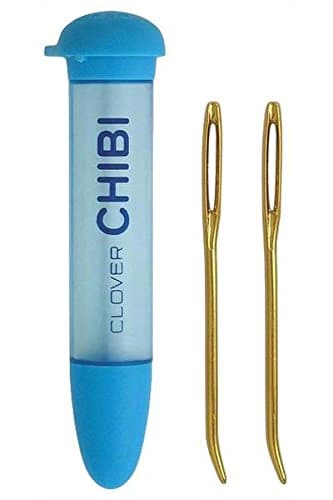
Clover Chibi Darning Needle Set (Bent Tip)
Weave your ends in before you block, not after. Blocking sets them in place.
$8.80 - View on Amazon#ad disclosure - price as of October 22, 2026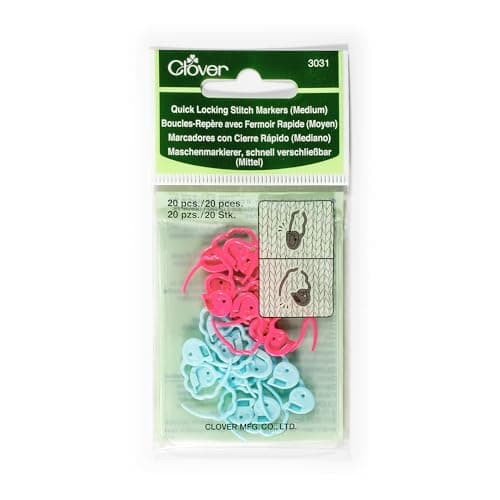
Clover Quick Locking Stitch Markers, Medium
Pin markers at your target measurements before you start, so you block to a number rather than by eye.
$8.00 - View on Amazon#ad disclosure - price as of October 22, 2026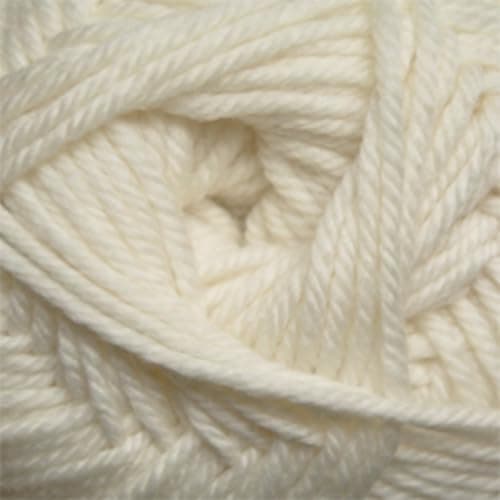
Cascade 220 Superwash Merino
Superwash merino blocks dramatically - and grows. It is the fiber where blocking matters most and needs most care.
$19.00 - View on Amazon$21.0010% off · #ad disclosure - price as of October 22, 2026
Questions people actually ask
What does blocking do to knitting?
It relaxes the yarn so the stitches even out, and it sets the piece to a shape. The first happens with any fiber; the second only works permanently on animal fibers, which is why acrylic needs steam rather than water.
Do you have to block knitting?
For lace, colorwork, garment pieces before seaming and anything with a curling edge, yes - it is the difference between the piece you made and the piece in the photograph. For a scarf in garter stitch it changes little.
Can you block acrylic yarn?
Not with water - acrylic springs back to the shape you knitted. Steam blocking works and is permanent, and too much heat kills the fibers, leaving the fabric limp forever. Test on a swatch first.
How long does blocking take to dry?
A day for most pieces and up to two for a heavy garment or a large shawl. Unpin only when it is completely dry - damp means the shape has not set.
Do you block before or after weaving in ends?
Weave the ends in first. Blocking sets them in place, and it is far easier to weave ends into an unblocked fabric than to fix them once the piece has been shaped.