Guide
Does Yarn Get Softer After Washing?
Sometimes dramatically, sometimes not at all - and it depends on which fiber is in your hand.
By Sawyer V. · Published October 6, 2026
Disclosure: we earn a commission when you buy through the links on this page, at no extra cost to you. It never decides what we recommend or how we rank it - read the full disclosure.
The short answer
Yes for wool and cotton, barely for acrylic. Untreated wool softens the most - the first wash relaxes the twist, lets the fibers bloom into each other and removes the spinning oils left from manufacture, and a swatch that felt stiff and hairy off the needles can be genuinely pleasant afterwards. Cotton softens gradually and keeps softening over the first few washes. Superwash merino improves slightly because it was already soft. Acrylic does not soften - it is a plastic filament and washing does not change it, and what people read as softening is usually pilling and surface fuzz. So: if a wool or cotton skein feels scratchy in the shop, swatch and wash before you reject it. If an acrylic feels scratchy, that is what you are buying.
Why washing changes wool at all
Three separate things happen the first time a wool fabric gets wet, and they all push the same way.
- The twist relaxes. Yarn is spun under tension and holds that tension in the ball. Water lets the plies settle to where they want to sit, and a relaxed yarn is a softer yarn.
- The fibers bloom. Wool fiber takes up water, swells, and the individual fibers migrate very slightly toward each other. The fabric closes up, the stitches even out, and the surface changes from distinct strands to a continuous cloth. Knitters call this blooming, and it is the single biggest change.
- The spinning oils come off. Yarn is processed with lubricants so it runs through machinery - more on a cone than on a ball, but present on both. Those residues are part of what you are feeling when a new skein feels slightly waxy or stiff.
How much to expect, by fiber
| Fiber | Softens? | How much | When |
|---|---|---|---|
| Untreated wool | Yes, a lot | The largest change of any fiber here | Mostly the first wash |
| Superwash merino | Slightly | It was already soft - expect a small bloom | First wash |
| Cotton | Yes, gradually | Noticeable and it keeps going | Over three or four washes |
| Linen | Yes, dramatically, forever | Starts stiff as rope, ends like old linen | Over years |
| Alpaca | Yes | Blooms and the halo opens | First wash |
| Mohair | Yes - the halo opens | Looks and feels different wet-finished | First wash |
| Bamboo viscose | A little | Already soft and slippery | First wash |
| Acrylic | No | Essentially unchanged | Never |
| Nylon in a blend | No | It is there for strength, not hand | Never |
The test to run before you buy ten skeins
This is the useful part. A yarn's hand in the ball is not its hand as fabric, and a lot of good yarn gets rejected in a shop for failing a test it was never going to pass.
- Buy one skein. Not the sweater quantity.
- Knit a swatch large enough to drape - at least 6 inches square. A 2-inch square tells you nothing about how a fabric feels on a neck.
- Wash it the way you will wash the garment. Cool water, a wool wash, twenty minutes, squeeze out, dry flat. Not a quick rinse.
- Hold it against your neck when it is dry, not against your hands. Wrists and fingers do not report prickle the way a neck does.
- Then decide. If it is still scratchy after that, it will always be scratchy and you should buy something else. Knitting gauge and swatching covers doing this properly, and you get your gauge for free.
What softening does not fix
There is a limit, and it is set by the fiber's diameter rather than by anything you can do in a sink.
Prickle is mechanical: coarse fiber ends sticking out of the fabric are stiff enough not to bend against skin, and that is registered as a sharp sensation. Washing lets more of those ends lie down, which is why a bloomed fabric is more comfortable. It does not make the fibers thinner. A genuinely coarse wool will still be a coarse wool after ten washes, and if the problem is a fiber sensitivity rather than prickle, softening is irrelevant. What makes yarn itchy works through the distinction.
Things people try that do not work
- Hair conditioner on wool. It coats the fiber and leaves residue; the effect is temporary and it attracts dirt. A proper wool wash does the job without the film.
- Fabric softener on acrylic. Acrylic is not absorbing anything. You are putting a coating on a plastic filament.
- A hot wash to 'speed it up'. On untreated wool that is how you felt a garment rather than soften it.
- Tumble drying untreated wool. Heat plus agitation is the felting recipe exactly.
- Waiting for acrylic to break in. What softens over time in an acrylic garment is the pilled surface fuzz, not the fiber - see why yarn pills.
The practical upshot
If you are standing in a shop with a wool or cotton skein that feels stiffer than you hoped, buy one and swatch it. The odds are good that it improves, and wool improves the most. If you are holding an acrylic that feels scratchy, put it back - what you feel is what you will own. And if you are upgrading away from acrylic in general, upgrading from acrylic is the page for that decision.
Yarns that improve, and one that does not
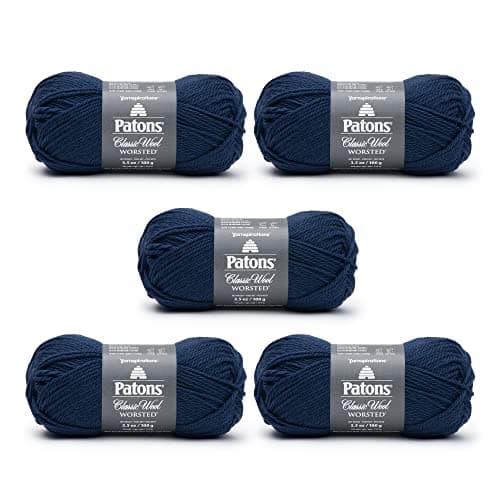
Patons Classic Wool Worsted
Untreated wool. The biggest change of anything here - a stiff, slightly hairy swatch blooms substantially on its first wash.
$43.18 - View on Amazon#ad disclosure - price as of October 7, 2026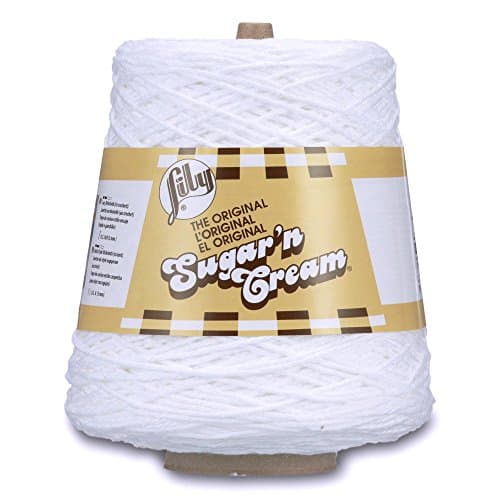
Lily Sugar'n Cream
Plain cotton. Stiff and squeaky in the ball, noticeably softer after two or three washes, and it keeps going.
$19.42 - View on Amazon#ad disclosure - price as of October 7, 2026
Cascade 220 Superwash Merino
Superwash merino. Already soft and blooms a little; it will not become something different.
$21.00 - View on Amazon#ad disclosure - price as of October 7, 2026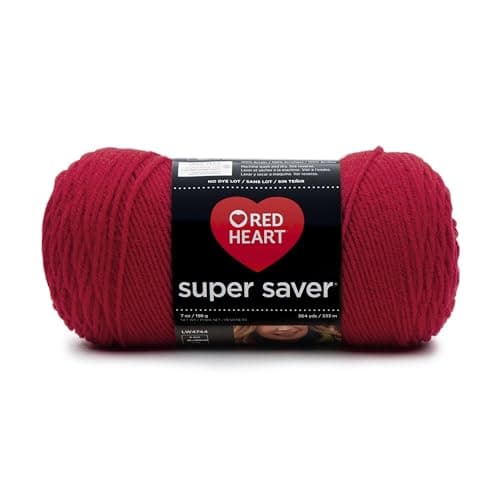
Red Heart Super Saver
The honest counter-example. Acrylic does not soften in any real sense, and no amount of conditioner changes that.
$4.29 - View on Amazon#ad disclosure - price as of October 7, 2026
Questions people actually ask
Does wool get softer after washing?
Yes, and it is the biggest change of any fiber. The first wash relaxes the spun twist, lets the fibers bloom into each other and removes residual spinning oils. A swatch that felt stiff and hairy off the needles is often genuinely pleasant after a cool soak and a flat dry.
Does acrylic yarn get softer after washing?
No. Acrylic is a synthetic filament and washing does not change its structure. What people read as an acrylic garment softening over time is the surface pilling and fuzzing, which is wear rather than improvement.
Does cotton yarn get softer after washing?
Yes, gradually, and it keeps going. Cotton starts stiff and squeaky and is noticeably better after three or four washes. Linen does the same thing far more dramatically and over years rather than washes.
Does wool get less itchy with washing?
Somewhat. Washing lets protruding fiber ends lie down, which reduces prickle. It does not make the fibers finer, so a coarse wool stays a coarse wool. If it is still uncomfortable after a washed swatch test, it always will be.
How do I soften scratchy wool yarn?
Knit a swatch, soak it in cool water with a wool wash for twenty minutes, squeeze out gently and dry flat. That is the whole method. Skip hair conditioner and fabric softener - they leave a film, the effect is temporary, and the residue attracts dirt.
Should I wash yarn before knitting with it?
Not usually - wash the swatch instead, which tells you both the softness and the gauge. The exception is cone yarn, which carries much more spinning oil and genuinely benefits from being washed as a skein first.
Sources
- The Woolmark Company - What is the wool fiber
- The Woolmark Company - Machine washable wool
- Yarnspirations - Patons Classic Wool Worsted specification
- Yarnspirations - Lily Sugar'n Cream specification
- Cascade Yarns - 220 Superwash Merino specification
- Yarnspirations - Red Heart Super Saver specification
- LoveCrafts - Paintbox Yarns Cotton DK specification
- Craft Yarn Council - Standard Yarn Weight System