Guide
How to Block Crochet
Blocking is what turns a pile of curling squares into something that looks made rather than merely finished.
By Sawyer V. · Published September 24, 2026
Disclosure: we earn a commission when you buy through the links on this page, at no extra cost to you. It never decides what we recommend or how we rank it - read the full disclosure.
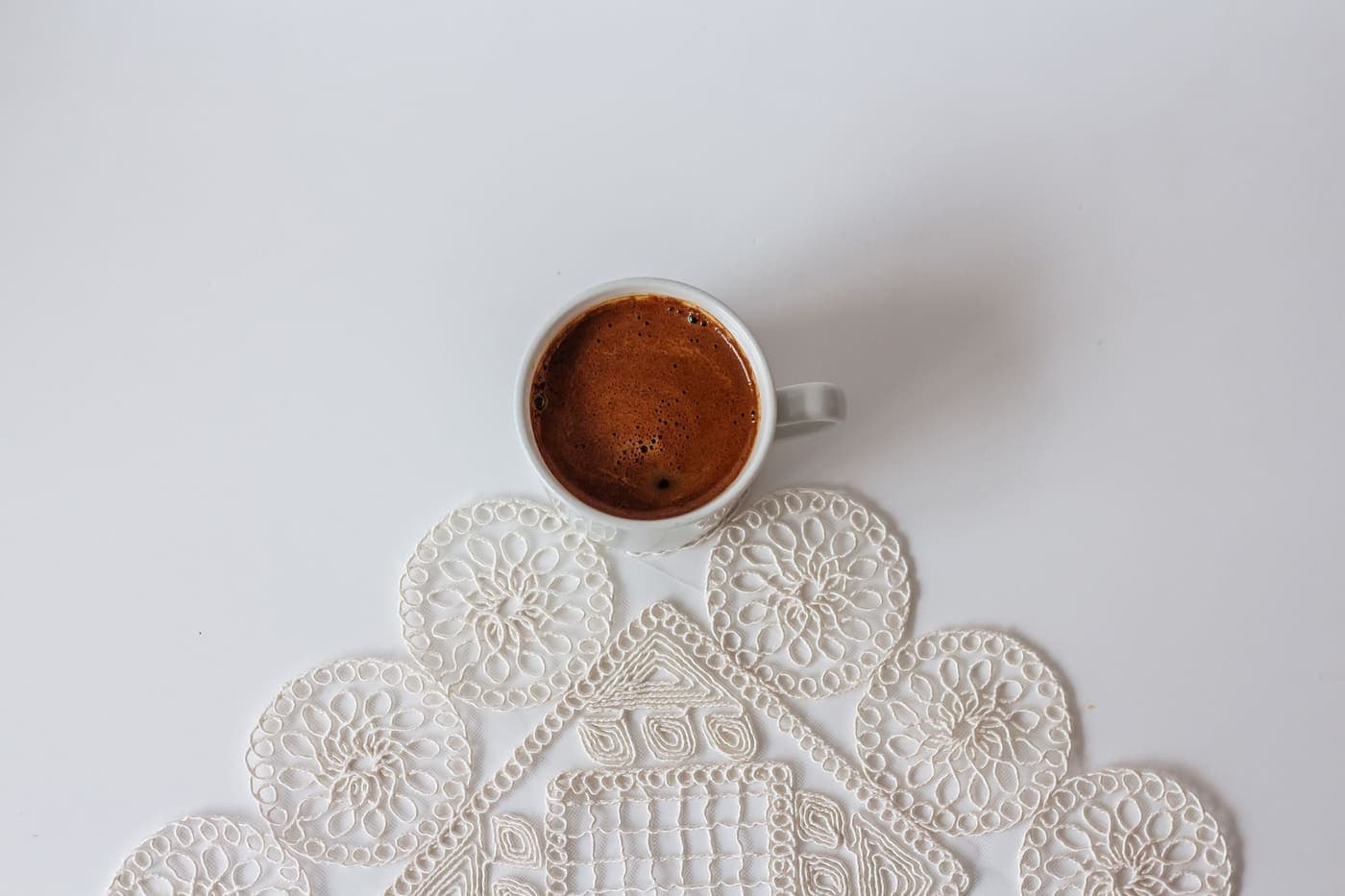
The short answer
Wet block natural fibers: soak the piece, press the water out without wringing, pin it to shape on a mat and let it dry completely. Steam block acrylic by holding a steam iron above the fabric without touching it - contact will flatten acrylic permanently and there is no undoing it. Spray block when you want a light correction. Crochet needs blocking more than knitting does, because the fabric is denser and edges curl harder.
Why crochet needs it more than knitting
Crochet fabric has more yarn per square inch, more tension locked into each stitch, and taller stitches that lean. The consequences show up in exactly the places blocking fixes.
- Edges curl harder, particularly in single crochet.
- Granny squares come off the hook as rhomboids, not squares. Blocking is what makes them match.
- Lace and filet look like a tangle until they are opened out and pinned.
- Shells and clusters do not sit evenly until the fabric is settled.
- Dense fabric also takes far longer to dry - a wet-blocked crochet blanket can take two or three days.
How to block your knitting covers the same techniques for knitted fabric, where the emphasis and the timings are different.
The three methods
| Method | Use on | Effect | Permanence |
|---|---|---|---|
| Wet blocking | Wool, cotton, linen, silk | Strongest | Until next wash |
| Steam blocking | Acrylic and synthetics | Strong | Permanent - it is a set |
| Spray blocking | Anything, lightly | Gentle | Until next wash |
Wet blocking, step by step
- Soak the piece in cool water with a little wool wash for 15 to 20 minutes.
- Lift it supporting the whole weight. Wet crochet is heavy and will stretch if held by one corner.
- Press the water out against the side of the basin. Never wring.
- Roll it in a towel and press. Stand on the roll if the piece is large.
- Pin it out on a grid mat, measuring rather than eyeballing. Pin at the corners first, then the midpoints, then between.
- Leave it until completely dry - genuinely dry, not nearly. A damp piece unpinned will spring back.
Steam blocking acrylic
- Pin the dry piece out to shape on a heat-resistant mat.
- Set the iron to steam and hold it one to two inches above the fabric.
- Move steadily across the surface. Do not dwell in one spot.
- Never let the soleplate touch the yarn.
- Let it cool completely before unpinning. The set happens as it cools, not as it steams.
- Test on a swatch first, every time, with a yarn you have not steamed before.
Blocking specific things
- Granny squares: block them all to one grid square on the mat, and they will seam without fighting.
- Doilies and filet: wet block and pin every point. This is the one case where a light starch is traditional and appropriate.
- Shawls and lace: thread blocking wires through the straight edges so the edge blocks to a line rather than a scalloped set of pin marks.
- Garments: block to the pattern's finished measurements, not to whatever shape the piece currently is.
- Amigurumi: do not block it. The fabric is meant to be dense and the shape comes from the stuffing.
- Blankets: usually not worth it, and drying is a multi-day operation. Steam the edges if they curl.
How long it lasts
Wet and spray blocking last until the piece is next washed, at which point you block again as part of drying it. Steam blocking on acrylic is permanent because the fiber itself has been reshaped.
Superwash wool is the awkward case: it takes blocking well and then relaxes further with each wash, so a superwash garment tends to grow over its life. Blocking superwash wool covers what to do about it.
What blocking cannot do
- It will not shrink a piece that is too big. Blocking opens fabric out; it does not close it.
- It will not fix wrong gauge. A few percent, yes. A whole size, no.
- It will not hide a structural mistake, though it hides a surprising number of cosmetic ones.
- It will not make stiff yarn drape. Mercerized cotton blocks crisp because it is crisp.
- It will not survive a tumble dryer. Lay flat, every time - caring for hand knits covers the rest.
What blocking crochet needs
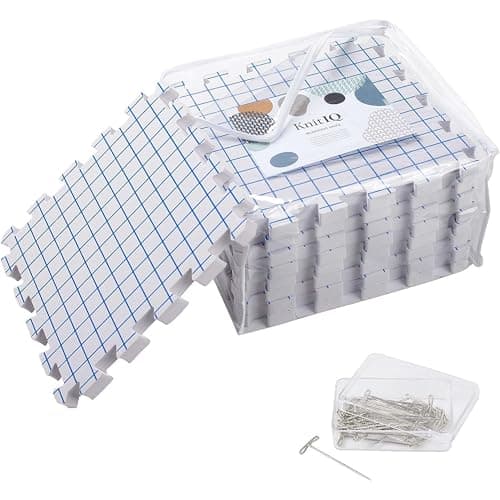
KnitIQ Blocking Mats
Nine interlocking EVA foam boards, 12.6in square and 0.75in thick, with a printed grid and T-pins included. The grid is what makes 30 identical squares possible.
$54.99 - View on Amazon#ad disclosure - price as of September 24, 2026- No photo
Knit Picks Lace Blocking Wires and T-Pins
15 stainless wires 32.5in long plus 20 T-pins. Threaded through an edge, they block a straight line instead of a row of scallops.
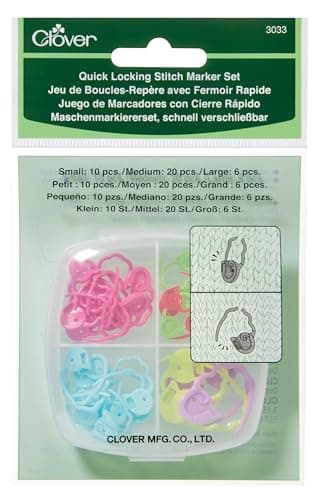
Clover Quick Locking Stitch Marker Set
Useful for holding a folded edge in position on the mat while you pin the rest.
$12.72 - View on Amazon#ad disclosure - price as of September 24, 2026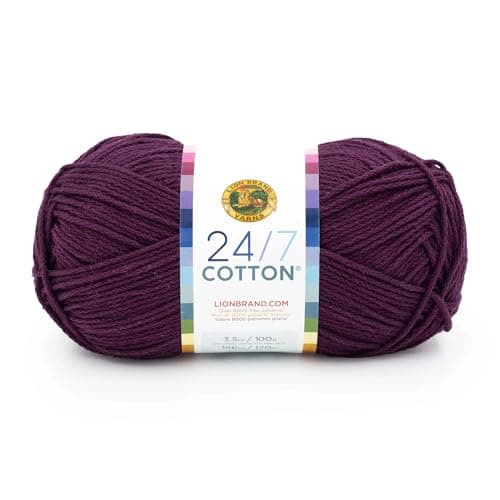
Lion Brand 24/7 Cotton
Mercerized cotton, 186yd per 100g. Cotton takes wet blocking and holds it - the crispest results on this page come from it.
$6.99 - View on Amazon#ad disclosure - price as of September 24, 2026
Questions people actually ask
Do you need to block crochet?
More than you need to block knitting, in most cases. Crochet fabric is denser, edges curl harder, granny squares come off the hook out of true, and lace stays closed up until it is pinned open.
Can you block acrylic crochet?
Yes, with steam held above the fabric rather than touching it. The result is permanent because the fiber itself reshapes. Letting the iron touch the yarn flattens the stitches into a shiny sheet that cannot be recovered.
How do you block granny squares?
Pin every square to the same measured outline on a grid mat, wet or steam according to the fiber, and let them dry completely before unpinning. Blocking is what makes a set of squares seam together cleanly.
How long does blocked crochet take to dry?
Longer than knitting, because the fabric holds more water. A small piece is overnight; a wet-blocked crochet blanket can take two or three days. Unpinning while still damp undoes the work.
Does blocking crochet last?
Wet and spray blocking last until the next wash, and you reblock as you dry it. Steam blocking acrylic is permanent, because the heat reshapes the fiber rather than simply settling the stitches.