The picks
Best Yarn for a Crochet Dress
Long garments have a problem short ones do not: gravity has more to work with.
By Sawyer V. · Published October 6, 2026
Disclosure: we earn a commission when you buy through the links on this page, at no extra cost to you. It never decides what we recommend or how we rank it - read the full disclosure.
The short answer
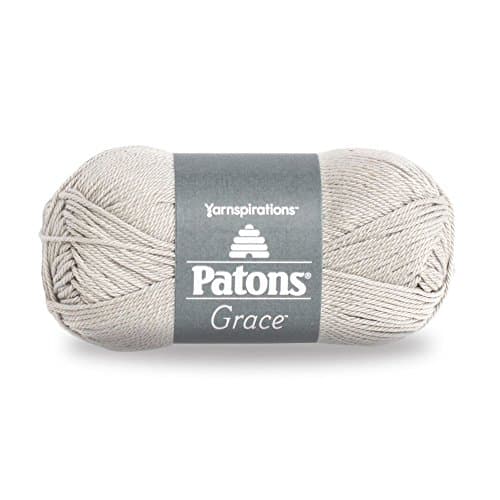
Use a plant fiber at DK weight or finer: cotton for structure and stitch definition, bamboo viscose for maximum drape, a cotton-bamboo blend if you want both, and linen if you want something that improves for a decade. Patons Grace is the best all-round pick because a hard-twist DK cotton drapes without growing. Avoid wool, acrylic and above all chenille or any super-bulky yarn - a dress is long enough that its own weight pulls the fabric down, and a heavy yarn with no recovery turns into a different, longer garment by the end of the day.
Why a dress is harder than a top
Every other crochet garment gets away with things a dress does not, and the reason is simply length. A cropped top is six inches of fabric hanging from the shoulders. A dress is three or four feet of it, and the fabric at the hem is carrying everything above it.
- Weight compounds. A yarn that is slightly heavy in a top is a lot heavy in a dress, because there is five times as much of it.
- Growth is cumulative. A fabric that lengthens 5% over a day is unnoticeable in a 10in top and is two inches in a 40in dress.
- Transparency becomes a decision. Nobody minds a slightly open stitch on a sleeve. On a skirt it is a different garment.
- Drape is the entire look. A dress that stands away from the body instead of falling reads as a costume. This is the one project where drape outranks every other property.
Drape, properly explained
Drape is bending stiffness. A fiber with low bending stiffness lets the fabric fold into close vertical pleats under its own weight; a stiff fiber holds the fabric out in wide shallow curves. It is a material property, not a technique, which is why no amount of blocking makes a stiff yarn drape.
| Fiber | Drape | Grows under its own weight? | Verdict for a dress |
|---|---|---|---|
| Bamboo viscose | Excellent | Yes, noticeably | Best drape. Build in less ease |
| Linen | Good, and improves forever | Barely | Best long-term. Stiff at first |
| Cotton, hard twist | Good | Some | The reliable default |
| Cotton, soft spun | Moderate | Yes | Usable, but choose the hard-twist version |
| Cotton-bamboo blend | Good | Some | The forgiving middle |
| Silk blends | Excellent | Yes | Beautiful and expensive |
| Acrylic | Poor | Yes, and it does not recover | Looks cheap and hangs badly |
| Wool | Poor for this | Yes | Too warm, too elastic, pills on a skirt |
| Chenille / super bulky | None | Catastrophically | Do not |
Weight and the transparency question
- DK is the sweet spot. Enough body to be opaque in a solid stitch, light enough that the skirt does not pull itself down.
- Fingering and sport are for lace, and for anyone who intends to wear a slip under it. The fabric is beautiful and it is also slow.
- Worsted works for a shorter dress and gets heavy past the knee.
- Bulky and above do not work. The weight is the problem and there is no technique that fixes it.
- Swatch large and hang it. Make a swatch at least 8 inches square, hang it with a weight on the bottom edge for a day, then measure. That number is how much your dress will grow, and it is the single most useful thing you can do before casting on.
Designing around the growth
- Build in negative ease at the bust and waist if the yarn grows - it will find its way to the right size and then keep going.
- Work the skirt shorter than the target length. Two inches shorter is a reasonable starting correction for a bamboo or soft cotton dress.
- Use a tighter gauge than the ball band. A denser fabric has less room to elongate.
- Add a waist seam or a drawstring. A horizontal structural line stops the skirt's weight pulling on the bodice, which is where the worst distortion happens.
- Block the finished garment flat and to measurement, and store it folded rather than on a hanger - a hanger applies exactly the load you spent the project avoiding.
Yardage, honestly
A crochet dress is one of the largest projects in this hub. A knee-length DK dress in a solid stitch is commonly 1,500 to 2,200 yards depending on size and stitch; a lace or filet dress uses considerably less, a maxi considerably more. Crochet consumes roughly a third more yarn than knitting for the same area, which catches people who are substituting from a knitting pattern.
Buy all of it in one dye lot at the start. A color break halfway down a skirt is visible from across a room, and on a project this size you will not find the same lot later. How much yarn do I need has the arithmetic for working it out from a swatch.
What we would buy
For a first dress: the cotton-bamboo blend, because it forgives inconsistent gauge and drapes without being fragile. For a fitted dress with a stitch pattern you want seen: the hard-twist DK cotton. For a flowing maxi or a beach cover-up: bamboo viscose, with two inches of length taken out of the pattern. For something you intend to own in ten years: linen, and be patient with it.
| # | Product | Best for | Fiber | Weight | Price |
|---|---|---|---|---|---|
| 1 | Patons GraceA hard-twist DK cotton with a sheen - the yarn most published crochet dress patterns are effectively written for. | A fitted summer dress with stitch definition | 100% cotton | DK (3) | $7.99 - View on Amazon#ad disclosure - price as of October 7, 2026 |
| 2 | 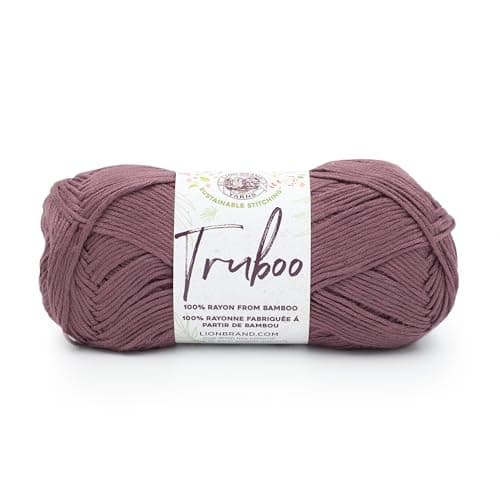 Lion Brand TrubooBamboo viscose - the most liquid drape available at this price, and it hangs rather than stands. Lion Brand TrubooBamboo viscose - the most liquid drape available at this price, and it hangs rather than stands. | A loose, flowing dress that should move | 100% bamboo viscose | DK (3) | $4.79 - View on Amazon |
| 3 | 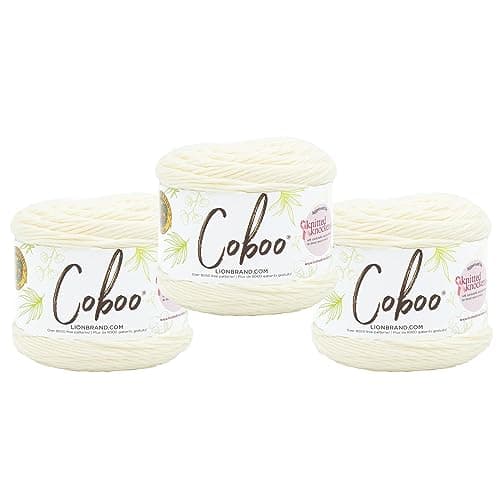 Lion Brand CobooCotton for structure, bamboo for drape - the blend that avoids both fibers' worst habit. Lion Brand CobooCotton for structure, bamboo for drape - the blend that avoids both fibers' worst habit. | A first crochet dress, where you want drape and some forgiveness | Cotton-bamboo blend | DK (3) | $14.01 - View on Amazon |
| 4 | No photoLouet Euroflax LinenLinen: stiff and unpromising in the ball, and the only fiber here that gets better indefinitely. | A heirloom-quality dress that improves for years | 100% linen | Fingering to sport | Check price on Amazon#ad disclosure |
| 5 | 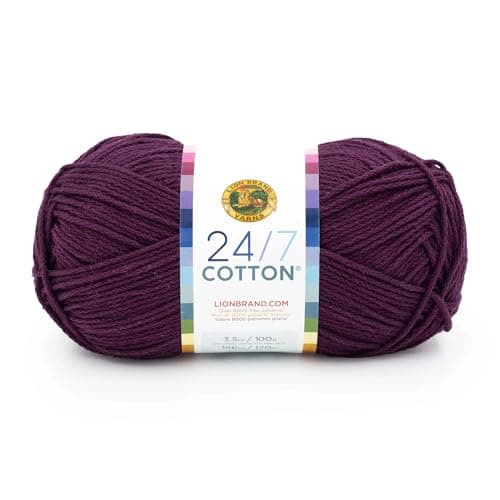 Lion Brand 24/7 CottonMercerized cotton at worsted weight - cheap, available everywhere, and machine washable. Lion Brand 24/7 CottonMercerized cotton at worsted weight - cheap, available everywhere, and machine washable. | A first dress you are not sure you will finish | 100% mercerized cotton | Worsted (4) | $5.59 - View on Amazon |
| 6 | 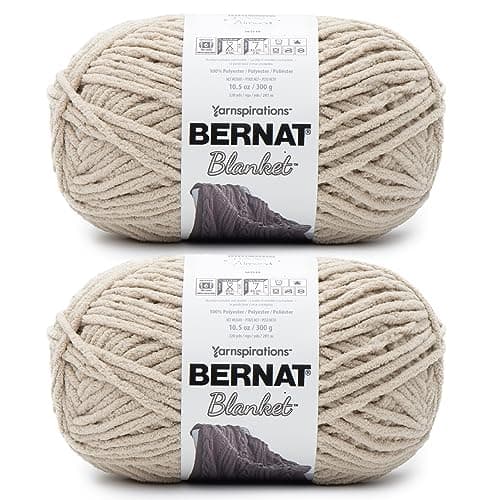 Bernat BlanketA chenille dress is a weight problem wearing a fabric problem. It will not hang, and it will worm. Bernat BlanketA chenille dress is a weight problem wearing a fabric problem. It will not hang, and it will worm. | Blankets | 100% polyester chenille | Super bulky (6) | $15.39 - View on Amazon#ad disclosure - price as of October 7, 2026 |
Patons Grace
Patons · Best for a fitted summer dress with stitch definition
A smooth DK cotton with a hard twist and a sheen - the drapey cotton most crochet garment patterns are written for.
- Fiber
- 100% cotton
- Weight
- 3 DK (light)
- Ball
- 50g (1.8oz), 136yd (125m)
- Knit gauge
- 24 sts x 32 rows on 3.75mm (US 5)
- Crochet gauge
- 21 sc x 24 rows on 3.75mm (US F/5)
- Care
- Hand wash cool, dry flat, no bleach, no iron
Who it suits
Anyone working a fitted or semi-fitted dress with a visible stitch pattern, and anyone who wants the finished garment to look like a garment rather than a craft project.
Why it is here
100% cotton, DK (3), 50g at 136yd, crochet gauge 21 sc x 24 rows on 3.75mm (US F/5). The hard twist is the reason: a tightly spun cotton resists the elongation that makes a long garment grow, and it holds a stitch crisply so lace and texture read at a distance. DK is also the weight that gives a dress enough body not to be transparent without becoming heavy.
What you give up
Hand wash and dry flat, which is a real constraint on a summer dress. Cotton at DK weight is also slow going for a full-length garment - this is a project measured in weeks.
Specifications from Yarnspirations - Patons Grace specification. We have not handled this item - see how we pick.
Lion Brand Truboo
Lion Brand · Best for a loose, flowing dress that should move
Rayon from bamboo, in DK - the drapiest widely stocked plant yarn, and the one people mean when they say bamboo yarn.
- Fiber
- 100% rayon from bamboo
- Weight
- 3 Light / DK
- Skein
- 3.5oz / 100g, 241yd / 220m
- Gauge
- 23 sts x 32 rows on US 6 (4mm)
- Hook
- G-6 (4mm), 18 sc x 20 rows
- Care
- Machine wash, lay flat to dry
Who it suits
Anyone making a maxi, a beach cover-up or anything deliberately loose and flowing, and anyone who finds cotton too stiff.
Why it is here
100% bamboo viscose. Viscose has a very low bending stiffness, which is the technical description of drape - a fabric made from it falls into close vertical folds instead of holding itself out. For a dress intended to move, nothing else at this price comes close.
What you give up
This is the fiber's weak point and it matters here: viscose loses significant strength when wet, so a wet garment must be supported and never hung to dry. It also grows more than cotton over a day's wear, so build in less ease than you think you need.
Specifications from Lion Brand product page. We have not handled this item - see how we pick.
Lion Brand Coboo
Lion Brand · Best for a first crochet dress, where you want drape and some forgiveness
Cotton and bamboo in roughly equal parts - the blend that keeps bamboo's drape and adds enough cotton to hold a stitch.
- Fiber
- 51% cotton, 49% rayon from bamboo
- Weight
- 3 Light / DK
- Skein
- 3.5oz / 100g, 232yd / 212m
- Sold as
- Three-skein pack on the listing we link
- Gauge
- 23 sts x 32 rows on US 6 (4mm)
- Hook
- G-6 (4mm), 18 sc x 20 rows
- Care
- Machine wash, machine dry
Who it suits
Anyone making their first dress, who does not yet know whether they prefer a crisp fabric or a flowing one.
Why it is here
A cotton-bamboo blend. The cotton gives the yarn enough body that the garment does not collapse and enough wet strength to survive washing; the bamboo supplies the drape that pure cotton lacks. For a first attempt at a long garment, a blend forgives gauge inconsistency that a pure fiber would punish.
What you give up
It is a compromise in both directions - less crisp than pure cotton, less liquid than pure bamboo. If you already know which fabric you want, buy that fiber instead.
Specifications from Lion Brand product page. We have not handled this item - see how we pick.
Louet Euroflax Linen
Louet · Best for a heirloom-quality dress that improves for years
Wet-spun long-line linen in sport weight - stiff off the ball, and softer after every single wash for years.
- Fiber
- 100% linen
- Weight
- Sport
- Hank
- 100g, 270yd
- Gauge
- 6 sts to 1in on US 2-4
- Spinning
- Wet spun from long line flax - the fibers are not cut
- Care
- Machine wash regular
Who it suits
Experienced crocheters making something they intend to wear for a decade, and anyone who has worn old linen and understood the point.
Why it is here
100% wet-spun linen. Linen's bast fibers are long and strong, so a linen garment does not stretch out the way cotton does, and it has the highest wet strength of any common fiber - the opposite of bamboo. Each wash breaks down a little more of the pectin holding the fibers rigid, so the fabric softens and drapes more every year.
What you give up
The first wearing is genuinely unpleasant - new linen is stiff and feels like working with string. It is also hard on the hands to crochet and the most expensive yarn on this page. You are paying for the tenth year, not the first.
Specifications from Louet Euroflax linen yarn - retail specification. We have not handled this item - see how we pick.
Lion Brand 24/7 Cotton
Lion Brand · Best for a first dress you are not sure you will finish
Mercerized cotton with a sheen and a stiff hand. Stitch definition is the best on this page, which is why amigurumi people keep buying it.
- Fiber
- 100% mercerized cotton
- Weight
- Worsted
- Skein
- 3.5oz / 100g, 186yd / 170m
- Gauge
- 19 sts x 26 rows on 5mm (US 8)
- Hook
- 5.5mm (US I/9), 16 sc x 18 rows
- Care
- Machine wash, water not above 105F; medium heat dryer
Who it suits
Anyone trying the project for the first time, and anyone who wants a dress that goes in the machine.
Why it is here
100% mercerized cotton, worsted weight, machine wash and tumble dry. Mercerizing gives it a smooth surface and a sheen that reads as more expensive than it is, and machine washability is a genuine advantage for a garment worn in summer heat.
What you give up
Worsted is heavier than a dress really wants - the extra weight is exactly what makes a long garment grow. Keep the skirt shorter than you would in DK, or accept that it will lengthen. Pure cotton also has no recovery.
Specifications from Lion Brand product page. We have not handled this item - see how we pick.
Bernat Blanket
Bernat · Best for blankets
Polyester chenille at 108 yards to a 150g ball. Fast, warm, machine washable, and it will shed and worm if the tension is loose.
- Fiber
- 100% polyester (chenille)
- Weight
- 6 Super Bulky
- Ball
- 5.3oz / 150g, 108yd / 98m
- Gauge
- 8 sts x 13 rows on 8mm (US 11)
- Hook
- 8mm (US L/11), 7 sc x 8 rows
- Care
- Machine wash delicate, tumble dry gentle
Who it suits
Nobody. This is the single most common bad idea in crochet garment making.
Why it is here
100% polyester chenille at super bulky. A dress in super bulky weighs several pounds, and all of that weight pulls down on a fabric with no recovery - the garment lengthens over an afternoon and does not go back. Chenille also worms: the pile pulls out of the twist wherever the fabric rubs, which on a worn garment is everywhere.
What you give up
You give up a fast project. It is genuinely fast - and the result is unwearable. Make the blanket instead.
Specifications from Yarnspirations product page. We have not handled this item - see how we pick.
Questions people actually ask
What is the best yarn for a crochet dress?
A plant fiber at DK weight or finer. Hard-twist cotton such as Patons Grace is the reliable default, bamboo viscose gives the best drape, a cotton-bamboo blend is the forgiving middle ground, and linen is the choice if you want a dress that improves for a decade.
What weight yarn for a crochet dress?
DK is the sweet spot - opaque enough in a solid stitch, light enough that the skirt does not pull itself down. Fingering and sport suit lace dresses worn over a slip. Worsted works for a shorter dress and gets heavy past the knee. Bulky and above do not work at all.
Is cotton good for a crochet dress?
Yes, and it is the usual answer. Choose a hard-twist cotton over a soft-spun one - the tight twist resists the elongation that makes a long garment grow, and it holds stitch definition so a lace or textured pattern reads properly.
Why does my crochet dress stretch out?
Gravity acting on the fabric's own weight, and it is worse the longer the garment and the heavier the yarn. Fix it by going down a hook size for a denser fabric, choosing a hard-twist or linen yarn, adding a waist seam or drawstring, and storing the dress folded rather than on a hanger.
How much yarn do I need for a crochet dress?
Commonly 1,500 to 2,200 yards for a knee-length DK dress in a solid stitch; lace uses less and a maxi more. Crochet uses roughly a third more yarn than knitting for the same area. Buy the whole quantity in one dye lot at the start.
Can you use acrylic for a crochet dress?
You can, and it will look like acrylic. The fiber has poor drape and no recovery, so the garment hangs stiffly and then lengthens permanently. If budget is the constraint, a cheap mercerized cotton is a far better use of the same money.