The picks
Best Yarn for a Summer Top
Warmth is easy. A fabric that stays comfortable at thirty degrees is the hard problem.
By Sawyer V. · Published September 7, 2026
Disclosure: we earn a commission when you buy through the links on this page, at no extra cost to you. It never decides what we recommend or how we rank it - read the full disclosure.
The short answer
Use a plant fiber. Cotton is the practical default and mercerized cotton is the better version of it; linen is more breathable, drapes better and costs more. Acrylic makes a top that looks right and feels clammy, because breathability and drape are different properties and only one of them is visible.
| # | Product | Best for | Fiber | Weight | Price |
|---|---|---|---|---|---|
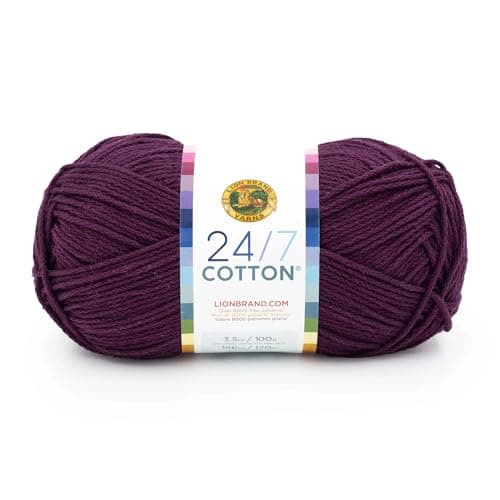
| 1 | Lion Brand 24/7 CottonMercerized cotton: breathable, smooth against skin, and it holds bright color. | A summer top you will wear more than once | Mercerized cotton | Worsted (4) | $6.99 - View on Amazon#ad disclosure - price as of October 22, 2026 |
| 2 | No photoLouet Euroflax LinenLinen is the traditional hot-weather fiber and it earns the reputation. | A garment that gets better every year | 100% linen | Sport (2) | Check price on Amazon#ad disclosure |
| 3 | 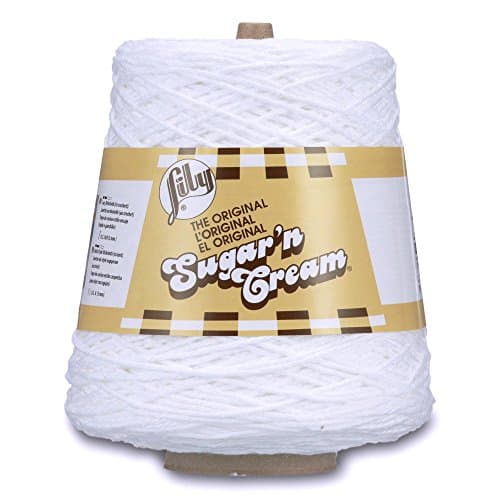 Lily Sugar'n CreamCheap cotton that behaves well enough for a simple shape. Lily Sugar'n CreamCheap cotton that behaves well enough for a simple shape. | A first attempt, or a simple tank | 100% cotton | Worsted (4) | $17.88 - View on Amazon#ad disclosure - price as of October 22, 2026 |
| 4 | 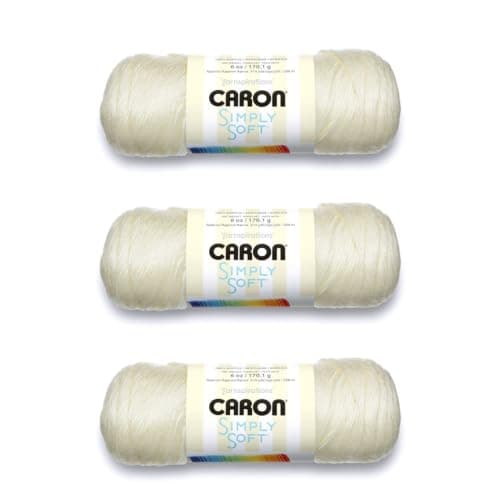 Caron Simply SoftIt feels lovely in the shop and traps heat against you in July. Caron Simply SoftIt feels lovely in the shop and traps heat against you in July. | Blankets and wraps, in cool weather | 100% acrylic | Worsted (4) | $14.55 - View on Amazon |
Lion Brand 24/7 Cotton
Lion Brand · Best for a summer top you will wear more than once
Mercerized cotton with a sheen and a stiff hand. Stitch definition is the best on this page, which is why amigurumi people keep buying it.
- Fiber
- 100% mercerized cotton
- Weight
- Worsted
- Skein
- 3.5oz / 100g, 186yd / 170m
- Gauge
- 19 sts x 26 rows on 5mm (US 8)
- Hook
- 5.5mm (US I/9), 16 sc x 18 rows
- Care
- Machine wash, water not above 105F; medium heat dryer
Who it suits
Anyone making a first warm-weather garment.
Why it is here
100% mercerized cotton, worsted weight, 186yd per 100g, machine wash. Cotton moves moisture vapor away from skin, and mercerizing leaves the fiber smooth and lustrous rather than slightly fuzzy - which is what makes it comfortable in heat rather than merely cool.
What you give up
Cotton is heavy and completely inelastic, so a top will grow lengthwise under its own weight. Knit at a firm gauge and dry flat.
Specifications from Lion Brand product page. We have not handled this item - see how we pick.
Louet Euroflax Linen
Louet · Best for a garment that gets better every year
Wet-spun long-line linen in sport weight - stiff off the ball, and softer after every single wash for years.
- Fiber
- 100% linen
- Weight
- Sport
- Hank
- 100g, 270yd
- Gauge
- 6 sts to 1in on US 2-4
- Spinning
- Wet spun from long line flax - the fibers are not cut
- Care
- Machine wash regular
Who it suits
Anyone in a genuinely hot climate, and anyone willing to spend more for a garment that improves with age.
Why it is here
100% wet-spun long-line linen, sport weight, 270yd per 100g, at 6 sts to 1in on US 2-4, machine washable. Linen is more breathable than cotton, dries faster, and softens with every wash rather than wearing out.
What you give up
Stiff and wiry for the first few hours of knitting, several times the price of cotton, and sport weight means considerably more stitches per garment.
Specifications from Louet Euroflax linen yarn - retail specification. We have not handled this item - see how we pick.
Lily Sugar'n Cream
Lily · Best for a first attempt, or a simple tank
Unmercerized cotton in a small 2.5oz ball. Absorbent, hard-wearing, and the reason every dishcloth pattern ever written specifies it.
- Fiber
- 100% cotton
- Weight
- 4 Medium / worsted
- Ball
- 2.5oz / 71g, 120yd / 109m
- Gauge
- 20 sts x 26 rows on 4.5mm (US 7)
- Hook
- 5mm (US H/8), 13 sc x 14 rows
- Care
- Machine wash not above 86F delicate, tumble dry low
Who it suits
Anyone testing whether they like knitting garments in cotton before committing to a whole sweater's worth.
Why it is here
100% cotton, worsted weight, 120yd per 71g ball. It is the same fiber as the top pick at a fraction of the price, and for a simple boxy tank the difference in finish matters less than it would on a fitted top.
What you give up
Untreated cotton is slightly fuzzy and splits on the needle, and it fades over many washes. Better for a plain shape than a textured one.
Specifications from Yarnspirations product page. We have not handled this item - see how we pick.
Caron Simply Soft
Caron · Best for blankets and wraps, in cool weather
A softer, shinier acrylic worsted with noticeable drape - which is exactly why it is a poor choice for anything that needs to hold a shape.
- Fiber
- 100% acrylic
- Weight
- 4 Medium / worsted
- Skein
- 6oz / 170g, 315yd / 288m
- Gauge
- 18 sts x 24 rows on 5mm (US 8)
- Hook
- 5mm (US H/8), 13 sc x 14 rows
- Care
- Machine wash cool, dry flat, no bleach
Who it suits
Not summer garments. It is a good yarn for a soft blanket.
Why it is here
100% acrylic, worsted weight, 315yd per 170g, with genuinely good drape for the price - which is why it gets recommended for summer tops.
What you give up
Acrylic is hydrophobic. It does not move moisture away from skin, so in heat the sweat stays where it is and the fabric feels clammy within an hour. Drape is not the same as breathability.
Specifications from Yarnspirations product page. We have not handled this item - see how we pick.
Breathability is not the same as feeling cool
This is the distinction the whole page rests on. A yarn can feel cool in the hand and still be the wrong fiber for heat.
Breathability means the fabric moves moisture vapor away from skin. Cotton and linen do this because they are hydrophilic - water bonds with the fiber and travels through it. Acrylic is hydrophobic, so perspiration sits on the skin under a layer that will not carry it away.
The full fiber-by-fiber comparison is on cotton vs acrylic and linen vs cotton.
The second problem: weight and growth
Plant fibers have no crimp, so they have no elasticity. A garment made from them stretches downward under its own weight and stays stretched.
On a scarf this is invisible. On a top it is the difference between a garment that fits and one that becomes a tunic. Three mitigations, in order of effect:
- Knit at a firmer gauge than the ball band suggests - usually one needle size down. Less room to move means less movement.
- Choose a lighter weight yarn. Sport or DK rather than worsted. Less mass to pull downward.
- Design for it. Shorter than you want, because it will lengthen. Structured shoulders rather than a heavy hanging body.
- Dry flat, always. A wet cotton top on a hanger gains two inches, permanently.
Weight and stitch, together
| Weight | Fabric | Verdict |
|---|---|---|
| Lace and fingering (0-1) | Fine, light, very drapey | Beautiful; a long project |
| Sport (2) | Light, holds shape better than worsted | The sweet spot for cotton and linen |
| DK (3) | Comfortable, still light | Very good |
| Worsted (4) | Heavier; grows more | Workable at a firm gauge |
| Bulky and up (5+) | Hot and heavy | Not a summer garment |
An open stitch pattern helps as much as the fiber does. Lace, mesh and eyelet all move air, and a summer top is one of the few garments where a deliberately holey fabric is the point rather than a compromise.
Yardage
- Simple tank, adult: 700-1,000yd worsted, or 900-1,300yd sport.
- Short-sleeve top: 900-1,300yd worsted.
- Cropped or boxy tee: 600-900yd worsted.
- Longer tunic: 1,200-1,600yd worsted.
Size by finished measurement rather than by label, and with less ease than a winter sweater - a summer top is usually zero to two inches of ease rather than four. Our standard garment measurements page covers the arithmetic.
Swatch, wash the swatch, then measure
More important here than almost anywhere. Cotton shrinks slightly on its first wash and then settles; linen changes noticeably between the first and second wash.
Knit the swatch, wash it exactly as you will wash the garment, dry it flat, hang it overnight with a small weight, and measure after all that. What you are measuring is what the top will do on your shoulders. Gauge and swatching has the method.
What we would buy
- First summer garment: Lion Brand 24/7 Cotton.
- Real heat, and a garment to keep: Louet Euroflax linen.
- Trying the idea cheaply: Lily Sugar'n Cream for a plain tank.
- Not this: Caron Simply Soft. Lovely drape, and it will feel clammy.
Questions people actually ask
What is the best yarn for a summer top?
A plant fiber - cotton for the practical default, linen if you want better drape and more breathability. Both move moisture away from skin, which is what makes a fabric comfortable in heat.
Can you knit a summer top with acrylic yarn?
You can, and it will feel clammy. Acrylic is hydrophobic, so perspiration sits on the skin rather than being carried away. Good drape is not the same as breathability.
Why does my cotton top stretch out?
Cotton has no crimp and therefore no elasticity, so the garment lengthens under its own weight. Knit at a firmer gauge, use a lighter weight yarn, and dry flat rather than on a hanger.
How much yarn for a summer tank top?
700 to 1,000 yards of worsted weight for an adult tank, or 900 to 1,300 in sport weight. Size by finished measurement with less ease than a winter sweater - zero to two inches rather than four.
Is linen or cotton better for summer knitting?
Linen is more breathable, dries faster and drapes better, and it softens with every wash. Cotton is far cheaper, softer immediately and available everywhere. Linen is the better garment; cotton is the better first attempt.