Guide
Cotton Yarn: Pros and Cons
Absorbent, breathable, hard-wearing, and with no spring whatsoever. That last one causes most of the trouble.
By Sawyer V. · Published September 4, 2026
Disclosure: we earn a commission when you buy through the links on this page, at no extra cost to you. It never decides what we recommend or how we rank it - read the full disclosure.
The short answer
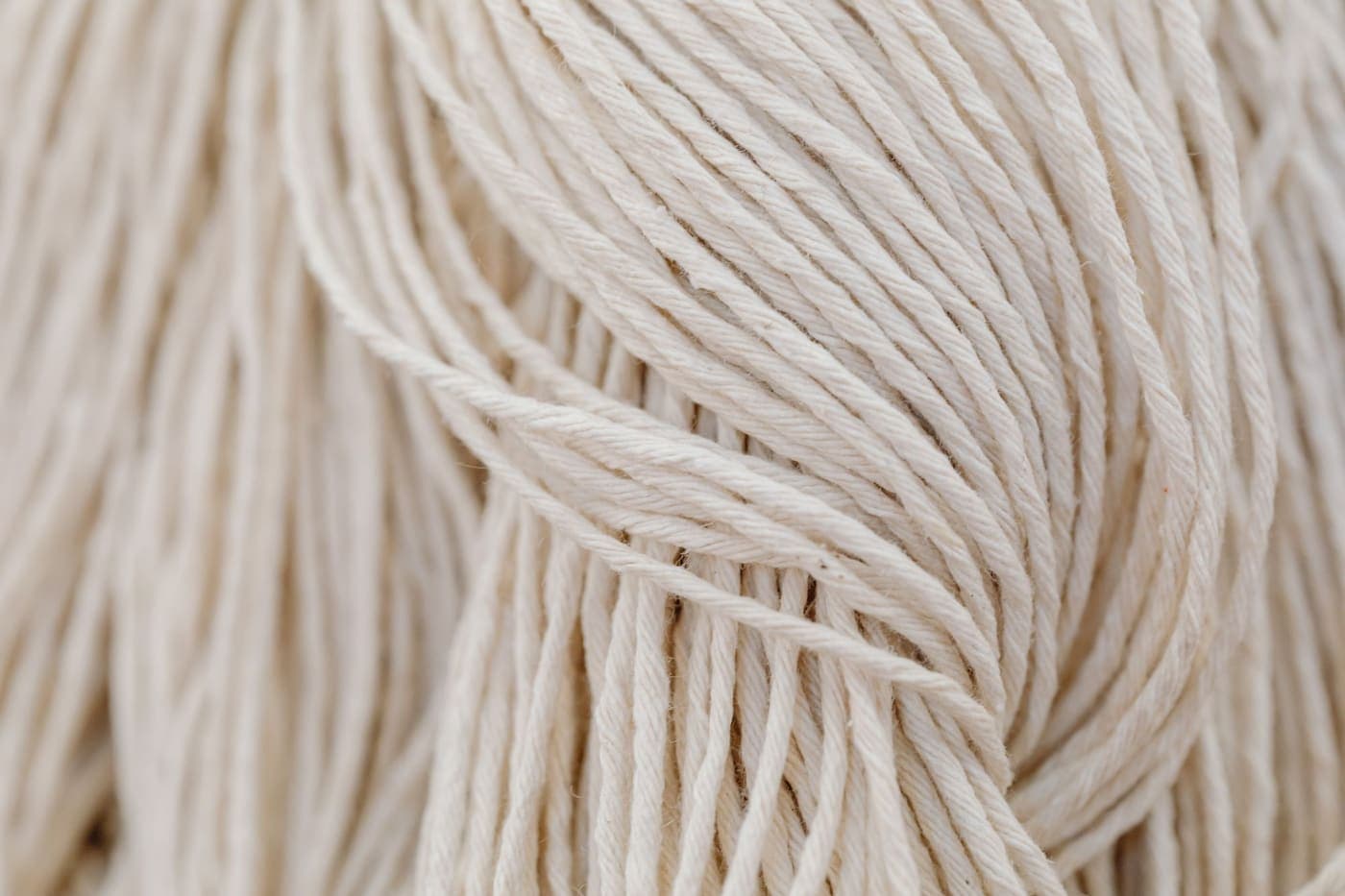
Cotton is absorbent, breathable, strong, hypoallergenic and takes a hot wash - which makes it the right fiber for cloths, summer garments and bags. It has no elasticity at all, which makes it a poor choice for ribbing, socks and anything that has to spring back. Work it a little tighter than the ball band suggests and it behaves.
What cotton is genuinely good at
It absorbs
Cotton is hydrophilic - water bonds with the cellulose and goes into the fiber, rather than sitting between the stitches. It is the only common yarn fiber that does this well, which is why every dishcloth pattern ever published assumes it.
The commercial moisture regain figures published in ASTM D1909 put cotton far above acrylic, and it is the reason cotton dominates toweling. The practical test is simpler: a cotton cloth picks water up, an acrylic one moves it around.
It breathes
Cotton moves moisture vapor away from skin, which is why it is the summer garment fiber. An acrylic top in July feels clammy within an hour; a cotton one does not.
It is strong, and stronger wet
Cotton is one of very few fibers that gains strength when wet. That is why cotton dishcloths survive years of use, and why a cotton market bag holds groceries without tearing.
It shows stitches clearly
No halo, no fuzz. Cables, textured stitches and colorwork all read crisply in cotton, and that clarity is genuinely useful when you are learning - a mistake is visible immediately rather than three rows later.
It is low allergy risk and easy to wash
Cotton is a reasonable default for anyone who reacts to wool, and it takes hot water and a machine without special handling. Our acrylic yarn allergies page covers what reactions to yarn usually turn out to be.
What cotton does badly
It has no elasticity - this is the big one
This single property explains most cotton disappointments. A cotton hat brim goes floppy. A cotton sweater's neckline widens. A cotton cardigan grows at the front bands. None of that is a technique failure - it is the fiber doing exactly what it does.
The fix is design rather than skill: choose patterns that do not depend on ribbing to fit, and knit or crochet a little tighter than the band suggests so the fabric has less room to move.
It is heavy
Cotton is denser than wool or acrylic, so at the same gauge the fabric weighs more, and the weight compounds the inelasticity - a heavy garment pulls itself longer. Cotton blankets are usually a mistake for this reason.
It is hard on your hands
Every stitch in an inelastic yarn takes slightly more force than the same stitch in wool, because nothing gives. Over a long session that adds up, which is why our cotton recommendations lean toward cushioned grips and why the arthritis pages apply here more than the fiber suggests.
Untreated cotton splits
The loose spin that makes Sugar'n Cream absorbent also makes it split on the hook. Mercerized cotton is much better behaved. That trade is covered fully in cotton vs acrylic.
How to work with it
- Go down a hook or needle size from the ball band. A tighter fabric moves less, which counteracts the lack of spring.
- Swatch and wash the swatch. Cotton shrinks slightly on its first wash and then stops. Measure after, not before - see gauge and swatching.
- Avoid ribbing as a fitting device. Use a design with shaping rather than a design that depends on ribbing gripping.
- Choose a hook or needle that suits. For crochet, an in-line head enters an unforgiving cotton stitch more easily - see in-line vs tapered.
- Dry flat, reshaped. A wet cotton garment hung on a hanger will be longer when it dries, permanently.
Which projects suit cotton
| Project | Cotton? | Why |
|---|---|---|
| Dishcloths and washcloths | Yes - first choice | Absorbency plus hot wash tolerance |
| Summer tops | Yes | Breathability; use a structured pattern |
| Market bags and totes | Yes - first choice | No stretch means no sag |
| Amigurumi | Yes | Crisp stitch definition; no fuzz to hide count |
| Baby garments | Yes | Washable, breathable, low allergy risk |
| Hats | No | Brim stretches out and stays out |
| Socks | No | No recovery; they slide down and wear through |
| Blankets | Rarely | Very heavy at blanket size |
| Winter outerwear | No | Cold when wet; no insulation |
The honest summary
Cotton is not a beginner-friendly fiber in the way wool is - it is less forgiving of uneven tension and it will not be rescued by blocking. It is, however, the correct fiber for a whole category of projects that wool cannot do at all.
If you are moving beyond acrylic and want to know what a different fiber feels like, cotton is a cheap experiment and a dishcloth is the ideal test piece. Our upgrading from acrylic page covers the wider version of that question.
Cotton worth buying
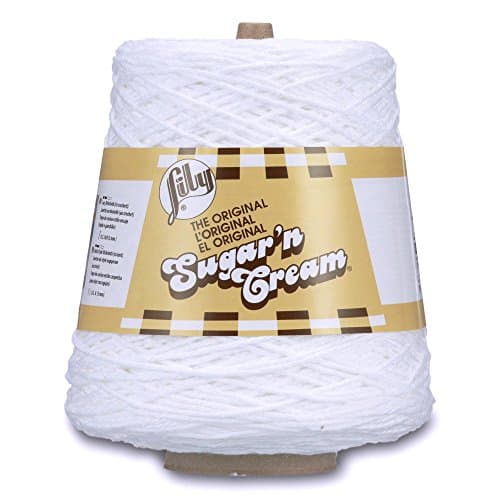
Lily Sugar'n Cream
The standard untreated worsted cotton: most absorbent, most scrubby, cheapest, splits the most.
$17.88 - View on Amazon#ad disclosure - price as of October 20, 2026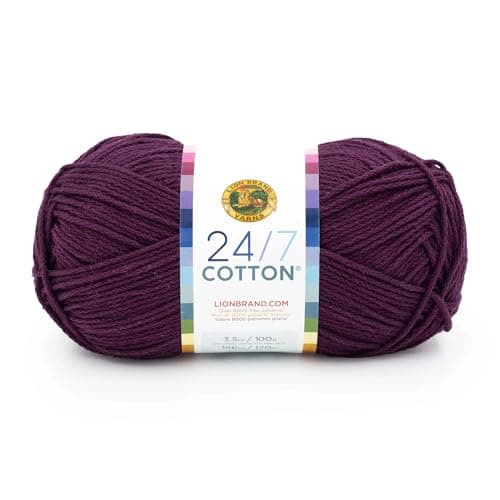
Lion Brand 24/7 Cotton
Mercerized worsted cotton - smoother on the hook, stronger, and it holds bright color.
$6.99 - View on Amazon#ad disclosure - price as of October 20, 2026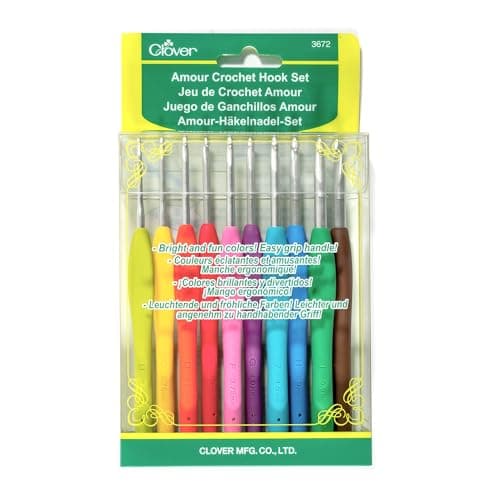
Clover Amour Crochet Hook Set
Cotton has no give, so a comfortable grip matters more than usual. This is the set we would use with it.
$50.83 - View on Amazon#ad disclosure - price as of October 20, 2026
Questions people actually ask
What are the disadvantages of cotton yarn?
It has no elasticity, so ribbing does not grip and garments stretch out; it is heavy at the same gauge as wool or acrylic; it is harder on your hands to work with; and untreated cotton splits readily on a hook.
Is cotton yarn good for beginners?
For dishcloths, yes - it shows stitches clearly and there is no gauge consequence. For garments, it is less forgiving than wool because it will not stretch to fit and cannot be blocked into shape.
Does cotton yarn shrink?
Slightly, on the first wash, and then it is stable. Wash your gauge swatch before measuring it, and dry cotton garments flat rather than hanging them.
Is cotton yarn good for socks?
No. Socks depend on stretch recovery to stay up and to survive abrasion, and cotton has none. Sock yarns are wool with nylon added for exactly the properties cotton lacks.
Why is my cotton project so heavy?
Cotton is denser than wool or acrylic, so a piece the same size weighs more - and because cotton does not spring back, that weight stretches the fabric downward permanently. Blankets are where this is most noticeable.