Guide
Bamboo Yarn Pros and Cons
Beautiful drape, real weaknesses, and a label that quietly says rayon if you read it.
By Sawyer V. · Published September 12, 2026
Disclosure: we earn a commission when you buy through the links on this page, at no extra cost to you. It never decides what we recommend or how we rank it - read the full disclosure.
The short answer
Bamboo yarn is almost always rayon (viscose) made from dissolved bamboo pulp, not fiber mechanically extracted from the plant. It drapes better than cotton, takes dye beautifully and is cool to wear. Against that: it is weak when wet, it stretches and does not spring back, and the eco claims on the label describe the plant rather than the chemical process that turns it into yarn.
Read the label: it says rayon
The most widely stocked bamboo yarn gives its fiber content as 100% rayon from bamboo. That phrasing is exact and it is the whole story.
Bamboo is dissolved into a pulp with chemicals, then extruded through spinnerets and regenerated as a filament. The result is rayon - the same class of fiber you would get from dissolving wood pulp. The bamboo is the feedstock, not the fiber.
What it is genuinely good at
- Drape. Better than cotton, by a clear margin. A bamboo garment hangs and moves rather than standing away from the body.
- Sheen. A soft luster without the crispness of mercerized cotton.
- Coolness. It feels cool against the skin, which is why it turns up in summer tops.
- Dye. It takes color deeply and evenly, which is part of why bamboo yarns look so saturated.
- Softness on the first touch. Noticeably softer out of the ball than cotton.
The three real weaknesses
- It is weak when wet. Rayon loses a substantial part of its strength while wet, which is why the pure bamboo yarn above says lay flat to dry rather than machine dry. A wet bamboo garment hung on a hanger will distort permanently under its own weight.
- It stretches and stays stretched. There is no elasticity and no memory. Cuffs relax, sweaters grow lengthways, and blocking will not bring it back.
- It splits. The filaments are smooth and the ply separates easily under a sharp needle or hook tip.
The first two are why bamboo blends are so common. The cotton-bamboo blend above is machine washable and machine dryable, where the pure bamboo is wash-only - the cotton is doing the structural work.
Design around the stretch
- Avoid long vertical garments in pure bamboo. A tunic will lengthen.
- Put ribbing in something else, or accept that it will relax.
- Knit at a firmer gauge than feels natural. A loose bamboo fabric grows most.
- Blends fix most of it. Cotton adds body; wool adds memory.
- Accessories are safer than garments. Bags, cowls and shawls do not have to hold a shape.
The same advice applies to every inelastic plant fiber - cotton yarn pros and cons and linen vs cotton yarn cover the neighbors.
The eco question, honestly
Bamboo the plant grows fast, needs little water and regrows from the root. Those facts are real and they are about agriculture.
Turning it into yarn is a chemical process, and the environmental profile of that process depends on which process is used and whether the solvents are recovered in a closed loop. A label that says 'made from sustainable bamboo' is describing the crop. It is not, on its own, a statement about the manufacturing.
We are not in a position to audit any particular mill, and we are not going to pretend otherwise. What we can tell you is what the fiber is and what question to ask: not 'is it bamboo' but 'which process, and is it closed loop'. The same honesty applies to the acrylic question in does acrylic yarn shed microplastics.
Working with it
| Problem | Fix |
|---|---|
| Splitting on a sharp tip | Blunter needle or hook; guide rather than push |
| Stitches sliding off | Wood or bamboo tips, not polished steel |
| Fabric growing | Firmer gauge, or a blend |
| Distorting when washed | Dry flat, never hang |
| Hard to see the stitches | The sheen reflects - work in angled light |
The needle and hook side of that is in best needles for cotton yarn, which applies almost unchanged to bamboo.
When to choose it
- Summer tops and tees where drape is the point - see best yarn for a summer top.
- Shawls and wraps that should hang rather than hold.
- Anyone who cannot wear wool and finds cotton too stiff.
- Not for socks, not for structured garments, not for anything that has to hold a cuff.
The bamboo yarns this page uses
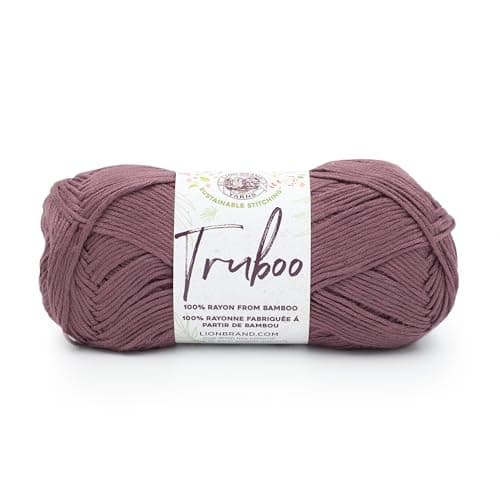
Lion Brand Truboo
100% rayon from bamboo, DK, 241yd per 100g, 23 sts x 32 rows on 4mm. Machine wash, lay flat to dry.
$5.99 - View on Amazon#ad disclosure - price as of September 21, 2026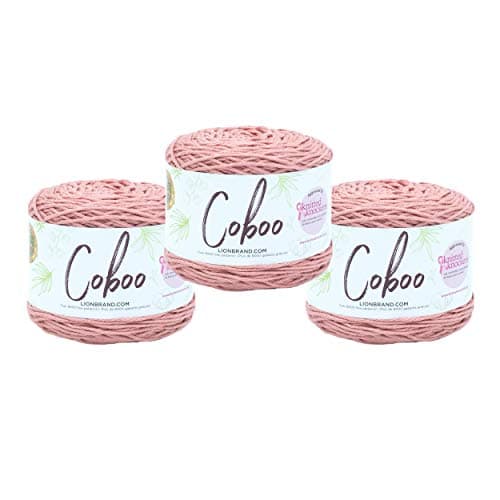
Lion Brand Coboo
51% cotton, 49% rayon from bamboo, DK, 232yd per 100g - and machine dryable, which the pure bamboo is not.
$16.53 - View on Amazon#ad disclosure - price as of September 21, 2026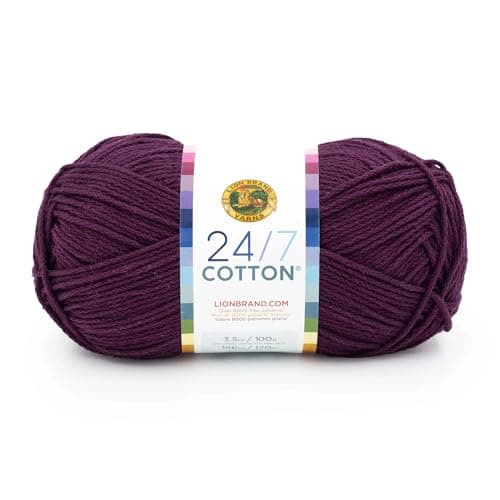
Lion Brand 24/7 Cotton
The mercerized cotton comparison: 100% cotton, worsted, 186yd per 100g, at the same kind of sheen with more body.
$6.99 - View on Amazon#ad disclosure - price as of September 21, 2026- No photo
Louet Euroflax Linen
The other plant fiber with real drape - 100% wet-spun linen, sport, 270yd per 100g, and machine washable.
Questions people actually ask
Is bamboo yarn actually bamboo?
It is made from bamboo, but the fiber itself is rayon - the plant is dissolved into pulp and regenerated as a filament. Ball bands say so: the most widely stocked bamboo yarn gives its content as 100% rayon from bamboo.
What are the disadvantages of bamboo yarn?
It is weak when wet, so it must be dried flat rather than hung; it stretches and does not spring back, so cuffs relax and garments grow; and the smooth filaments split easily under a sharp tip.
Is bamboo yarn eco friendly?
The plant grows fast with little water, which is a genuine agricultural advantage. Turning it into yarn is a chemical process whose profile depends on the method and whether solvents are recovered in a closed loop. A 'sustainable bamboo' label describes the crop, not the manufacturing.
Can you machine wash bamboo yarn?
Usually yes, but check the drying instruction - the pure bamboo yarn we list is machine wash and lay flat to dry, while its cotton-bamboo blend is machine wash and machine dry. Rayon is weak when wet, which is what the difference reflects.
Is bamboo yarn better than cotton?
For drape and softness, yes. For structure, recovery and wet strength, no - cotton holds its shape better and survives a tumble dryer. Blends of the two are common precisely because each covers the other's weakness.