Head to head
Bamboo vs Cotton Yarn
One drapes and one holds. The yarn that blends them roughly 50-50 exists because both statements are true.
By Sawyer V. · Published September 12, 2026
Disclosure: we earn a commission when you buy through the links on this page, at no extra cost to you. It never decides what we recommend or how we rank it - read the full disclosure.
The short answer
Bamboo drapes better, feels cooler and takes dye more deeply. Cotton is stronger, holds its shape, stays strong when wet and survives a tumble dryer. If the garment needs to hang, choose bamboo; if it needs to hold - a cuff, a bag, a structured top - choose cotton. The roughly half-and-half blend both are sold in is a genuinely good compromise rather than a marketing one.
One is a plant fiber, one is regenerated
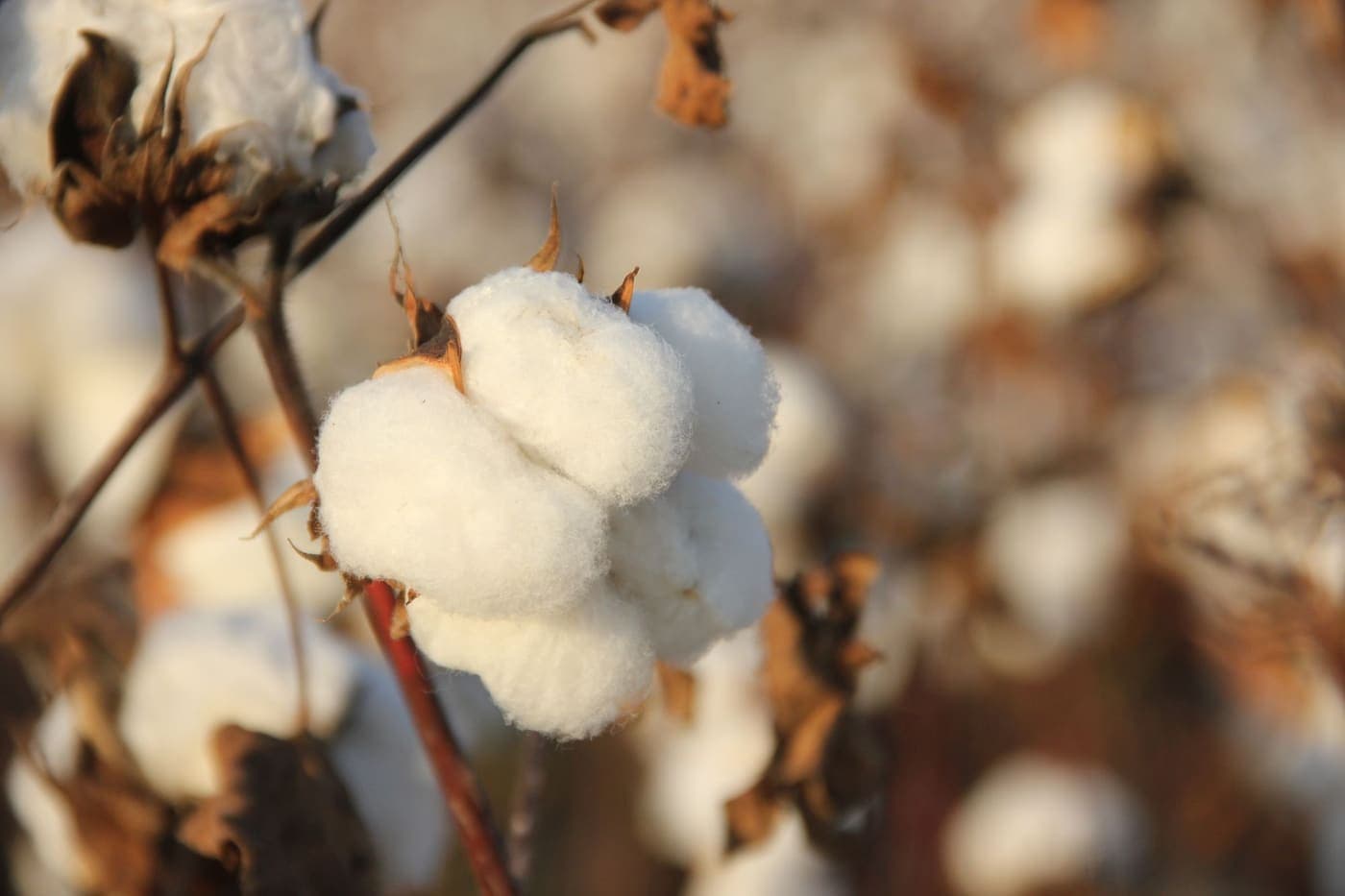
Cotton is spun directly from the fiber that grows around the seed of the cotton plant. Bamboo yarn is rayon: the plant is dissolved into pulp and regenerated as a filament. The most widely stocked bamboo yarn states its content as 100% rayon from bamboo, which is exact.
That difference in manufacture explains almost every practical difference below. Bamboo yarn pros and cons covers the process in detail.
The comparison
| Bamboo (rayon) | Cotton | |
|---|---|---|
| Drape | Excellent - fluid | Moderate; stiffer |
| Sheen | Soft luster | Matte, unless mercerized |
| Strength dry | Moderate | Good |
| Strength wet | Weak | Good - cotton is stronger wet |
| Recovery | None - it stays stretched | Poor, but better than bamboo |
| Absorbency | High | High; mercerized cotton less so |
| Feel on the skin | Cool and slippery | Cool and dry |
| Splitting | Splits easily | Splits less |
| Machine dry? | Usually no | Usually yes |
| Stitch definition | Soft | Crisp, especially mercerized |
Drape against structure
This is the choice, and it is a design decision rather than a quality one.
- Bamboo hangs. A bamboo tee moves with the body and skims rather than stands. It is the better summer-garment fiber for that reason alone.
- Cotton holds. A cotton bag keeps its shape, a cotton dishcloth stays flat, a cotton cuff stays a cuff for longer.
- Neither springs back. Both are inelastic. Bamboo is worse, but do not expect cotton to behave like wool either.
- Mercerized cotton splits the difference slightly - the treatment adds sheen and strength and a little more drape than raw cotton.
Why the blend makes sense
A 51% cotton, 49% rayon-from-bamboo yarn is close to an even split, and each fiber is covering the other's weakness.
- Cotton supplies wet strength, which is why the blend is machine dryable where the pure bamboo is not.
- Cotton supplies structure, so the fabric grows less.
- Bamboo supplies drape, so the fabric is not as stiff as pure cotton.
- Bamboo supplies sheen and dye depth, which is most of why blended yarns look richer than plain cotton.
That is an unusually honest blend. Plenty of blends exist to cut costs; this one genuinely produces a better yarn than either component alone for most garment purposes.
Working with either
| Problem | Bamboo | Cotton |
|---|---|---|
| Hard on the hands | Less so - it is slippery | Yes - firm and unforgiving |
| Splits on a sharp tip | Often | Sometimes |
| Stitches slide off | Yes - use wood or bamboo tips | Less so |
| Fabric grows | Markedly | Somewhat |
| Shows uneven tension | Less - the drape hides it | Yes, clearly |
Both are harder on the hands than wool because neither has any give, which matters most on a long project. Best needles for cotton yarn and best hook for cotton yarn apply to both fibers.
Which to choose, by project
| Project | Choose |
|---|---|
| Summer tee or tank | Bamboo, or the blend |
| Shawl or wrap | Bamboo |
| Market bag | Cotton |
| Dishcloth or potholder | Unmercerized cotton - absorbency |
| Baby blanket | Cotton or the blend - washability |
| Structured basket | Cotton |
| Cardigan with ribbed bands | The blend, and knit the ribbing firmly |
| Anything going in a tumble dryer | Cotton or the blend |
The project pages are best yarn for a summer top, best yarn for a market bag and best yarn for dishcloths.
Care
- Read the drying instruction, not the washing one. Both are usually machine washable; the difference is the dryer.
- Never hang either wet. Plant fibers are heavy when wet and neither recovers.
- Cotton shrinks on a first hot wash. Wash the swatch before you trust its measurements.
- Both take a long time to dry, because both are absorbent.
Both fibers, and the blend
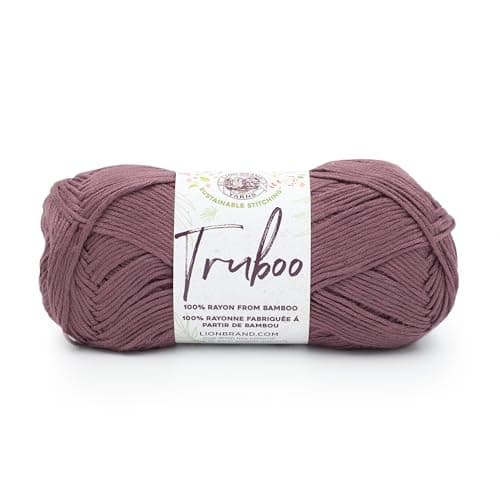
Lion Brand Truboo
The bamboo side: 100% rayon from bamboo, DK, 241yd per 100g. Machine wash, lay flat to dry.
$5.99 - View on Amazon#ad disclosure - price as of September 21, 2026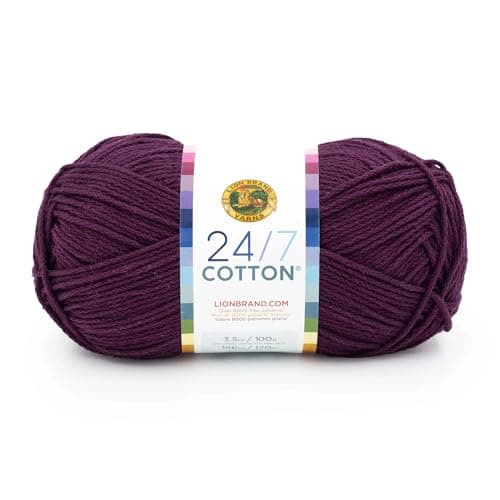
Lion Brand 24/7 Cotton
The cotton side: 100% mercerized cotton, worsted, 186yd per 100g, 19 sts x 26 rows on 5mm.
$6.99 - View on Amazon#ad disclosure - price as of September 21, 2026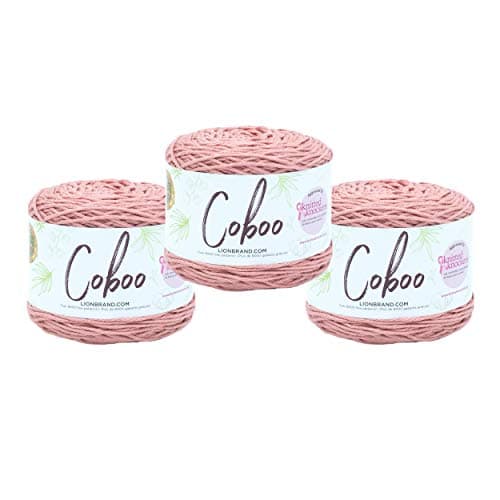
Lion Brand Coboo
The blend: 51% cotton, 49% rayon from bamboo, DK, 232yd per 100g - and machine dryable, unlike the pure bamboo.
$16.53 - View on Amazon#ad disclosure - price as of September 21, 2026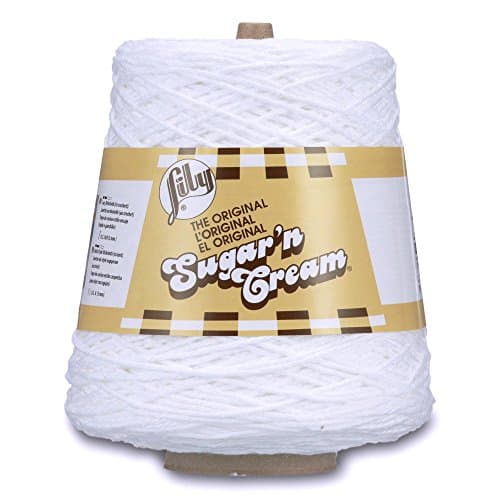
Lily Sugar'n Cream
Unmercerized kitchen cotton, 120yd per 71g - the other end of the cotton range, and the absorbent one.
$19.44 - View on Amazon$21.058% off · #ad disclosure - price as of September 21, 2026
Questions people actually ask
Is bamboo yarn better than cotton?
For drape, sheen and coolness, yes. For strength, shape retention and wet strength, no. Bamboo is weak when wet and stretches permanently; cotton holds its shape and survives a tumble dryer.
Is bamboo yarn stronger than cotton?
Dry, they are comparable. Wet, cotton is clearly stronger - cotton is one of the few fibers stronger wet than dry, while rayon loses substantial strength when wet. That is why bamboo garments must be dried flat.
Can you machine dry bamboo yarn?
Usually not. The pure bamboo yarn we list is machine wash, lay flat to dry, while its cotton-bamboo blend is machine wash and machine dry. Check the drying instruction rather than assuming from the wash symbol.
Why are cotton and bamboo blended together?
Because each covers the other's weakness. Cotton supplies wet strength and structure - which is why the blend is dryer-safe - and bamboo supplies drape, sheen and dye depth. It is a genuinely better yarn than either alone for garments.
Which is better for summer garments?
Bamboo, or a cotton-bamboo blend. Both are cool against the skin, and bamboo's drape means a tee skims rather than stands away from the body. Pure cotton is the stiffer of the two.