Head to head
Cotton vs Acrylic Yarn
One takes water into the fiber. The other refuses to. Almost every difference follows from that.
By Sawyer V. · Published September 4, 2026
Disclosure: we earn a commission when you buy through the links on this page, at no extra cost to you. It never decides what we recommend or how we rank it - read the full disclosure.
The short answer
Cotton absorbs water into the fiber; acrylic repels it. Use cotton for anything that has to soak up water, take a hot wash, or be worn in heat - dishcloths, washcloths, summer tops, market bags. Use acrylic for anything that has to be light, cheap, warm and machine washable - blankets, children's garments, quantity projects. Neither is a substitute for the other.
The comparison
| Cotton | Acrylic | |
|---|---|---|
| Absorbs water | Yes, into the fiber | No - water sits on the surface |
| Warm when wet | No | No |
| Breathability | High | Low |
| Weight of finished fabric | Heavy | Light |
| Stretch and recovery | None - it stays where you put it | Moderate; relaxes over time |
| Drape | Good, and heavy with it | Varies enormously by brand and spin |
| Stitch definition | Excellent - crisp | Fair to good |
| Heat tolerance | High - takes a hot wash and an iron | Low - melts and glazes |
| Pilling | Low | High, unless spun against it |
| Blocking | Sets by drying flat | Will not wet block; steam only, permanently |
| Cost | Moderate | Lowest |
| Allergy risk | Very low | Very low |
The one property everything else follows from
Cotton is hydrophilic and acrylic is hydrophobic. Cotton's cellulose structure carries polar groups that bond with water molecules, so water goes into the fiber. Acrylic's chains are non-polar, so water sits on the outside and in the gaps between stitches.
The textile industry quantifies this as commercial moisture regain, published for every fiber in ASTM D1909. Cotton's regain is several times acrylic's, which is why cotton is used almost exclusively for toweling and acrylic essentially never is.
Where cotton wins outright
- Dishcloths and washcloths. Absorbency, plus tolerance of a boil wash. See best yarn for dishcloths.
- Summer garments. Breathability. Acrylic worn in heat traps moisture against the skin.
- Market bags and totes. No stretch, so a loaded bag does not sag to the floor.
- Amigurumi. Crisp stitch definition, so you can see and count your stitches - see best yarn for amigurumi.
- Anything that will be ironed or washed hot. Acrylic will glaze.
Where acrylic wins outright
- Large blankets. A worsted-weight cotton blanket is genuinely heavy, and heavy enough to be unpleasant to sleep under.
- Children's garments. Cheap, machine washable, tumble dryable, and replaceable when lost.
- Quantity. Charity knitting, gift knitting, learning. Cost per yard is the lowest of any fiber.
- Colorwork on a budget. Acrylic is produced in vast color ranges at a price that makes buying six colors reasonable.
- Anything worn by someone avoiding animal fiber. Along with cotton, it is the main alternative.
Weight, which people underestimate
Cotton is denser than acrylic, so at the same yarn weight and the same gauge, a cotton fabric weighs more. Over a scarf that is irrelevant. Over a blanket it is the difference between cozy and oppressive.
It also drags. Cotton has no elasticity at all, so a heavy cotton garment stretches downward under its own weight and stays stretched. That is why cotton sweaters are usually knitted at a tighter gauge than wool ones and why cotton cardigans grow at the front edges.
The mercerized question
Not all cotton yarn behaves the same. Mercerizing treats cotton with caustic soda under tension, which swells and straightens the fiber permanently.
| Untreated | Mercerized | |
|---|---|---|
| Absorbency | Higher | Slightly lower |
| Surface | Matte, slightly fuzzy | Smooth and lustrous |
| Strength | Good | Higher |
| Splitting on the hook | Splits readily | Much less |
| Dye retention | Fades with washing | Holds color well |
| Typical use | Dishcloths, scrubbers | Garments, bags, washcloths |
If a cotton yarn has been unpleasant to crochet with, it was probably untreated. A mercerized cotton is a noticeably different experience, and it is why best hook for cotton yarn treats them separately.
Where neither is the answer
Both fibers share one weakness: neither insulates when wet. Cotton absorbs water and then holds it against your skin; acrylic keeps it on the surface, in the same place. For anything worn outdoors in cold or wet conditions, wool is the fiber that solves the problem - see acrylic vs wool and best yarn for mittens and gloves.
They also share a virtue worth stating plainly: both are very low allergy risk. If a garment has to be worn by someone who reacts to wool, either fiber is a reasonable answer, and the choice is about the project rather than the person.
Blends
Cotton-acrylic blends exist and they behave more like the majority fiber than like a compromise. A 60/40 cotton-acrylic still absorbs; a 30/70 mostly does not. Read the percentages, not the name - the same advice our wool-acrylic blends page gives for the other combination.
The genuine advantage of adding acrylic to cotton is weight: an acrylic content lightens the fabric, which is why summer blanket yarns are so often blends.
The yarns behind this comparison
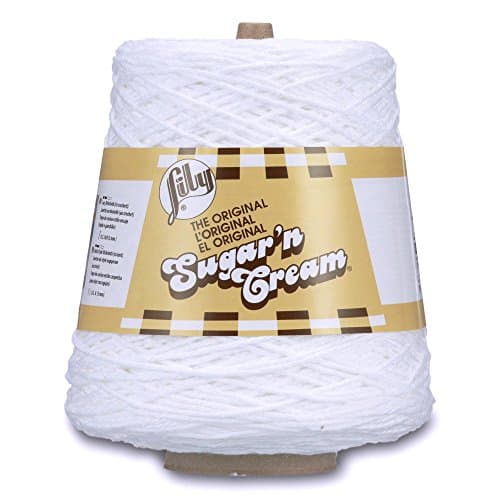
Lily Sugar'n Cream
Untreated 100% cotton, worsted weight - the absorbent, scrubby end of the cotton range.
$17.88 - View on Amazon#ad disclosure - price as of October 20, 2026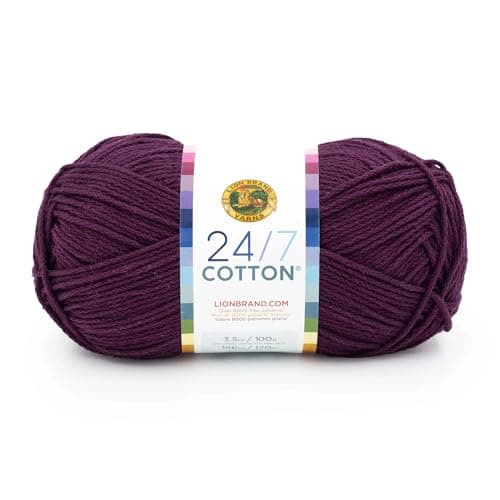
Lion Brand 24/7 Cotton
Mercerized cotton: smoother, stronger and more colorfast, at a small cost in absorbency.
$6.99 - View on Amazon#ad disclosure - price as of October 20, 2026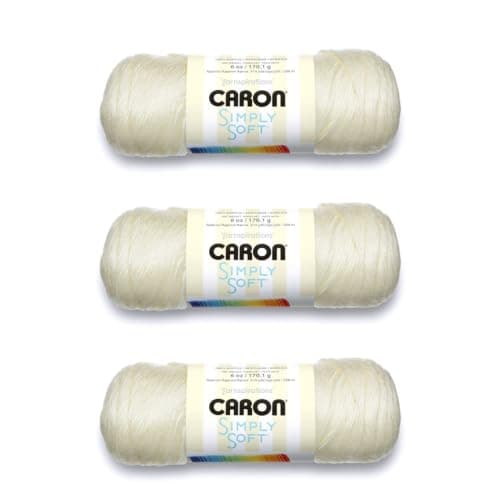
Caron Simply Soft
The soft, well-draping end of worsted acrylic - the fair comparison against cotton for garments.
$14.55 - View on Amazon$16.1810% off · #ad disclosure - price as of October 20, 2026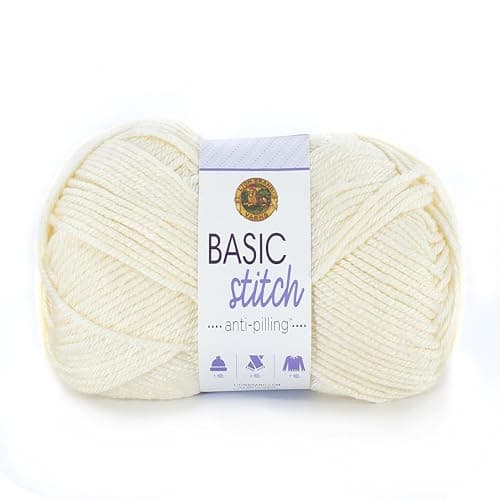
Lion Brand Basic Stitch Anti-Pilling
Acrylic spun to resist the pilling that is acrylic's usual failure mode after twenty washes.
$5.99 - View on Amazon$11.7649% off · #ad disclosure - price as of October 20, 2026
Questions people actually ask
Is cotton or acrylic yarn better?
Neither in the abstract. Cotton absorbs water, breathes and takes a hot wash, so it wins for cloths, summer garments and bags. Acrylic is lighter, cheaper and machine washable, so it wins for blankets, children's clothes and quantity projects.
Why does acrylic yarn not absorb water?
Acrylic's molecular chains are non-polar, so water does not bond with the fiber and sits on the surface instead. That is why it is essentially never used for toweling, where cotton is used almost exclusively.
Is cotton yarn heavier than acrylic?
Yes. At the same yarn weight and gauge, a cotton fabric is noticeably heavier, and cotton has no elasticity, so a large piece stretches downward under its own weight and stays stretched.
Can you mix cotton and acrylic in one project?
Yes, but expect them to behave differently in the wash and to look different in the finished fabric. Blended yarns behave like whichever fiber dominates the percentage, not like a midpoint.
Which is better for a baby blanket, cotton or acrylic?
Acrylic in most cases - it is lighter, machine washable and tumble dryable, which is what a baby blanket needs. Cotton is a reasonable choice for a hot climate, where breathability matters more than weight.
Sources
- Yarnspirations - Lily Sugar'n Cream specification
- Lion Brand - 24/7 Cotton specification
- Yarnspirations - Caron Simply Soft specification
- Lion Brand - Basic Stitch Anti-Pilling specification
- ASTM D1909 - Standard Tables of Commercial Moisture Regains for Textile Fibers
- Craft Yarn Council - Standard Yarn Weight System