The picks
Best Yarn Craft Kits for Kids
The only test that matters is whether it gets finished. Everything else is packaging.
By Sawyer V. · Published September 6, 2026
Disclosure: we earn a commission when you buy through the links on this page, at no extra cost to you. It never decides what we recommend or how we rank it - read the full disclosure.
The short answer
For a young child, buy a pom-pom maker - it produces a finished object in five minutes with no tools to coordinate. For an older child who wants to learn crochet, a kit that arrives pre-started removes the step people quit on. Whatever you buy, pair it with super bulky yarn in a light solid color, and avoid chenille.
| # | Product | Best for | Format | Suits | Price |
|---|---|---|---|---|---|
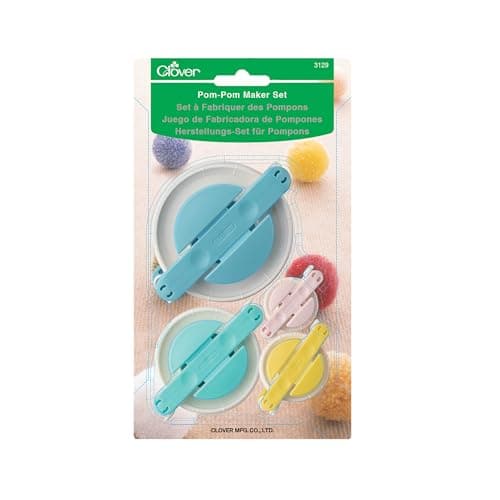
| 1 | Clover Pom-Pom Maker SetA finished object in five minutes, and there is no wrong way to do it. | Ages roughly five and up, with no tools to coordinate | Tool, not a kit | Ages ~5 up | $14.41 - View on Amazon#ad disclosure - price as of October 21, 2026 |
| 2 | 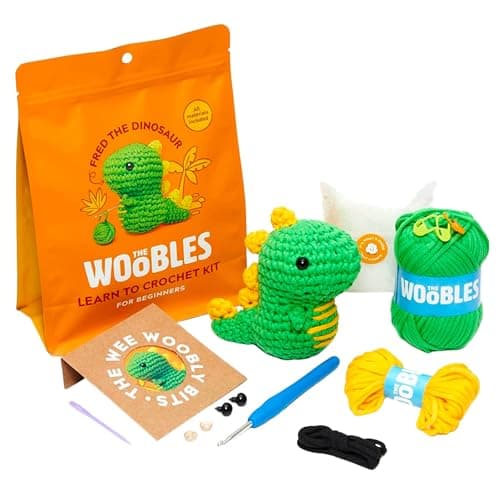 The Woobles Beginner Crochet KitIt arrives with the first rounds already worked, which removes the step children quit on. The Woobles Beginner Crochet KitIt arrives with the first rounds already worked, which removes the step children quit on. | Ages 12 and up, per the maker's rating | Complete kit | Age 12+ | $29.96 - View on Amazon#ad disclosure - price as of October 21, 2026 |
| 3 | 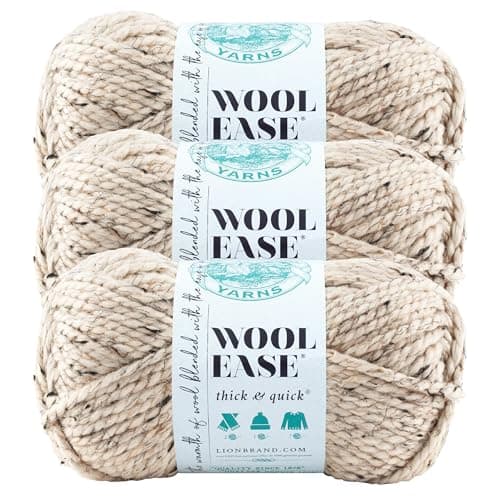 Lion Brand Wool-Ease Thick & QuickSuper bulky, so a row is an inch and a scarf is an afternoon rather than a year. Lion Brand Wool-Ease Thick & QuickSuper bulky, so a row is an inch and a scarf is an afternoon rather than a year. | Making progress visible within one sitting | Yarn | Any age learning | $30.76 - View on Amazon#ad disclosure - price as of October 21, 2026 |
| 4 | No photoClover Takumi Bamboo Single Point NeedlesShort bamboo straights: light, grippy, blunt, and available in a 9in length. | A child moving from pom-poms to knitting | Needles | Ages ~7 up | Check price on Amazon#ad disclosure |
| 5 | 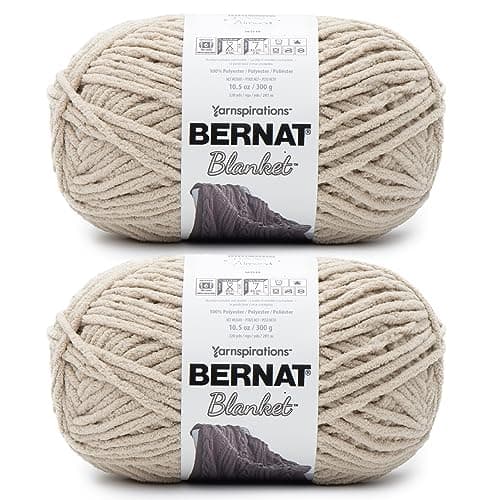 Bernat BlanketIt looks like the ideal kids' yarn and it hides every stitch they make. Bernat BlanketIt looks like the ideal kids' yarn and it hides every stitch they make. | Adults making plain blankets | Yarn | Not for learning | $20.96 - View on Amazon#ad disclosure - price as of October 21, 2026 |
Clover Pom-Pom Maker Set
Clover · Best for ages roughly five and up, with no tools to coordinate
Four hinged formers that make a dense, even pom-pom in one pass - the thing a cardboard donut has never once managed.
- Set
- 4 makers: 1 3/8in (35mm), 1 5/8in (45mm), 2 1/2in (65mm), 3 3/8in (85mm)
- Art. no.
- 3129
- Feature
- Measuring scale on the arch, for layering colors
- Feature
- Triangle markings that stop the arches shifting mid-wrap
- Material
- ABS resin, polypropylene and stainless steel
Who it suits
Any child too young for a hook or needles, and any adult who needs the first attempt to succeed.
Why it is here
Four hinged formers making 35mm, 45mm, 65mm and 85mm pom-poms, with a measuring scale on the arch for layering colors and triangle markings to stop the arches shifting. Wrapping yarn round a former needs no fine motor coordination, and the result is instantly recognizable as a thing.
What you give up
It is not knitting or crochet, and it will not teach either. Scissors are involved and an adult should do the cutting for a young child.
Specifications from Clover USA - Pom-Pom Maker Set. We have not handled this item - see how we pick.
The Woobles Beginner Crochet Kit
The Woobles · Best for ages 12 and up, per the maker's rating
An amigurumi kit that ships with the first rounds already worked, which removes the single step most people quit on.
- Includes
- Pre-started piece, yarn, 4mm hook, stuffing, safety eyes, tapestry needle, stitch markers
- Yarn
- 75% cotton, 25% nylon, described by the maker as fray-resistant
- Instruction
- Step-by-step video tutorials, right- and left-handed
- Age
- 12 and up
Who it suits
An older child or teenager who genuinely wants to learn crochet, not a younger one being encouraged to.
Why it is here
Includes a pre-started piece, yarn, a 4mm hook, stuffing, safety eyes, a tapestry needle and stitch markers, with step-by-step video for right- and left-handed crocheters. The yarn is 75% cotton, 25% nylon and described by the maker as fray-resistant. Rated age 12 and up.
What you give up
The age rating is not decorative - safety eyes are a choking hazard for small children, and amigurumi's deliberately tight gauge takes more hand strength than a younger child has.
Specifications from The Woobles product page. We have not handled this item - see how we pick.
Lion Brand Wool-Ease Thick & Quick
Lion Brand · Best for making progress visible within one sitting
The super bulky the whole arm-knitting and chunky-blanket category is built on, at a gauge that finishes a throw in a weekend.
- Fiber
- 80% acrylic, 20% wool (fiber ratio varies on some heathered colorways)
- Weight
- 6 Super Bulky
- Skein
- 6oz / 170g, 106yd / 97m
- Gauge
- 9 sts x 12 rows on US 13 (9mm)
- Hook
- M (9mm)
- Care
- Machine wash and dry
Who it suits
Any child learning either craft. This matters more than which kit you buy.
Why it is here
80% acrylic, 20% wool, CYC 6 super bulky, 106yd per 170g, at 9 sts x 12 rows on US 13. At that gauge a child can see individual stitches clearly, get a hook or needle into them easily, and watch the piece grow fast enough to stay interested.
What you give up
106yd per skein does not go far, and super bulky needs large needles or hooks that most beginner kits do not include.
Specifications from Lion Brand product page. We have not handled this item - see how we pick.
Clover Takumi Bamboo Single Point Needles
Clover · Best for a child moving from pom-poms to knitting
Straight bamboo needles in two lengths - the traditional starting needle, and still the easiest to learn on.
- Material
- Polished bamboo
- Lengths
- 9in and 13in
- Sizes
- 17 sizes in 9in; 15 sizes in 13in
- Point
- Tapered
- Sold as
- A pair, one size per pack
Who it suits
A child ready for two tools at once.
Why it is here
Polished bamboo in 9in and 13in, tapered rather than sharp points, 17 sizes in the 9in length. Short matters for small hands, bamboo grip stops stitches sliding off, and the taper is blunt enough to be sensible around children.
What you give up
Bamboo snaps if levered sideways, which a child is more likely to do. Buy the large sizes, which are much tougher, and treat them as replaceable.
Specifications from Clover Takumi single point knitting needles. We have not handled this item - see how we pick.
Bernat Blanket
Bernat · Best for adults making plain blankets
Polyester chenille at 108 yards to a 150g ball. Fast, warm, machine washable, and it will shed and worm if the tension is loose.
- Fiber
- 100% polyester (chenille)
- Weight
- 6 Super Bulky
- Ball
- 5.3oz / 150g, 108yd / 98m
- Gauge
- 8 sts x 13 rows on 8mm (US 11)
- Hook
- 8mm (US L/11), 7 sc x 8 rows
- Care
- Machine wash delicate, tumble dry gentle
Who it suits
Not children learning. It is a perfectly good yarn for a plain adult throw.
Why it is here
100% polyester chenille, super bulky, 108yd per 150g, at 7 sc x 8 rows on 8mm. It is soft, bright, thick and fast, which is exactly why it ends up in children's kits.
What you give up
The pile makes individual stitches invisible. A child who cannot see their stitches cannot count them, cannot find their mistake and cannot be shown what went wrong - and that is the moment most children stop.
Specifications from Yarnspirations product page. We have not handled this item - see how we pick.
The only test that matters
An adult can hold a half-finished scarf in their head for three months. A child cannot, and there is nothing wrong with that.
So the question is not which kit teaches the most, or which has the nicest materials. It is: will this produce a finished object before the child's interest runs out? Everything below follows from that.
What actually limits a child
Hand strength, not intelligence
Crochet and knitting both need sustained grip and a repeated pinching motion. A seven-year-old's hands tire long before their attention does, which reads as boredom and is not.
The fix is large tools and thick yarn - big movements, less force per stitch. This is the same reasoning as our best knitting needles for kids page.
Being able to see the stitches
A child who can see their stitches can count them, spot a mistake and be shown how to fix it. A child working dark, fuzzy or chenille yarn cannot do any of those things, and neither can the adult helping.
Light, solid, smooth and thick. That is the entire yarn specification for a child, and it is why our skip verdict here is a yarn we recommend elsewhere.
Two tools versus one
Crochet uses one tool and holds one live loop. Knitting uses two tools and holds an entire row. For many children crochet is meaningfully easier for exactly that reason, which is worth knowing before you buy needles.
Our knitting vs crochet page compares them properly. For a child the deciding factor is usually the tool count.
A progression that works
| Stage | Activity | Tools | Time to a finished thing |
|---|---|---|---|
| First | Pom-poms | A pom-pom maker and scissors | 5 minutes |
| Second | Finger knitting | Hands only | 10 minutes for a chain |
| Third | Arm knitting or giant needles | Super bulky yarn, 12mm+ needles | An afternoon |
| Fourth | Crochet chain and single crochet | One 6mm hook | An afternoon |
| Fifth | Knitting on 6mm needles | 9in bamboo straights | Two afternoons |
Most children who give up did so because they were started at stage four or five. Starting at stage one costs almost nothing and builds the thing that actually matters, which is the belief that they can finish something.
What to check before buying any kids' kit
- Age rating, and take it seriously. Safety eyes are a choking hazard. Sharp needles are sharp.
- Is there video instruction? Written patterns are a notation system - an extra thing to learn on top of the craft itself.
- Is the yarn thick and light-colored? If it is thin, dark or fuzzy, the kit is working against the child.
- Does one kit make one thing? Good. A kit promising six projects is six chances to stall.
- Is the hook or needle the right size for the yarn? Kits routinely pair worsted yarn with a hook two sizes too big.
The honest alternative to a kit
Almost everything a child needs can be bought loose for less than a kit costs: one skein of super bulky yarn, one 6mm hook or a pair of 9in needles, and a video.
A kit buys you the gift wrapping and someone else's decision about what to make. Our are crochet kits worth it page makes the same argument for adults, and it applies with more force here because a child's first project should be small enough that the materials barely matter.
Safety, briefly and without alarm
- Safety eyes are small hard plastic parts. Not for households with toddlers, regardless of who is doing the crocheting.
- Scissors - an adult cuts, for a young child. Pom-pom making involves a lot of cutting.
- Needle points - bamboo is blunter than metal, which is one more reason it is the right first needle.
- Yarn round fingers is worth watching; children wrap tightly and forget.
What we would buy
- Age five to seven: the Clover pom-pom maker set. Instant, foolproof, and four sizes lasts for years.
- Not sure which craft suits their age: start with yarn crafts for kids, which sorts the whole thing by what a child can physically manage.
- Age seven and up, learning to knit: 9in Clover Takumi straights in 6mm plus Wool-Ease Thick & Quick.
- Age twelve and up, learning crochet: the Woobles kit, for the pre-started piece and the video.
- Buying loose instead of a kit: a hook set if more than one child is learning at once.
Questions people actually ask
What is the best yarn craft kit for a child?
For a young child, a pom-pom maker - it produces a finished object in minutes with no tools to coordinate. For a child of twelve or over who wants to learn crochet, a kit that arrives with the first rounds already worked.
What age can a child start knitting or crocheting?
It depends on hand strength and attention span more than age. Pom-poms and finger knitting work from about five, giant needles and chunky yarn from about seven, and standard hooks or needles once a child can manage the grip for twenty minutes.
Is knitting or crochet easier for kids?
Crochet, usually. It uses one tool and holds one live loop, where knitting uses two tools and holds a whole row of live stitches on a needle that can be dropped.
What yarn should a child use?
Super bulky, in a light solid color, smooth rather than fuzzy. Thick stitches are visible and easy to work into, and a light color means the child and the adult helping can both see what happened.
Are yarn kits safe for young children?
Check the age rating. Safety eyes are a choking hazard and most amigurumi kits are rated twelve and up for that reason. Pom-pom making is safe from much younger provided an adult does the cutting.