Guide
Are Crochet Kits Worth It?
You are paying for instruction and packaging, not materials. Sometimes that is exactly the right purchase.
By Sawyer V. · Published September 4, 2026
Disclosure: we earn a commission when you buy through the links on this page, at no extra cost to you. It never decides what we recommend or how we rank it - read the full disclosure.
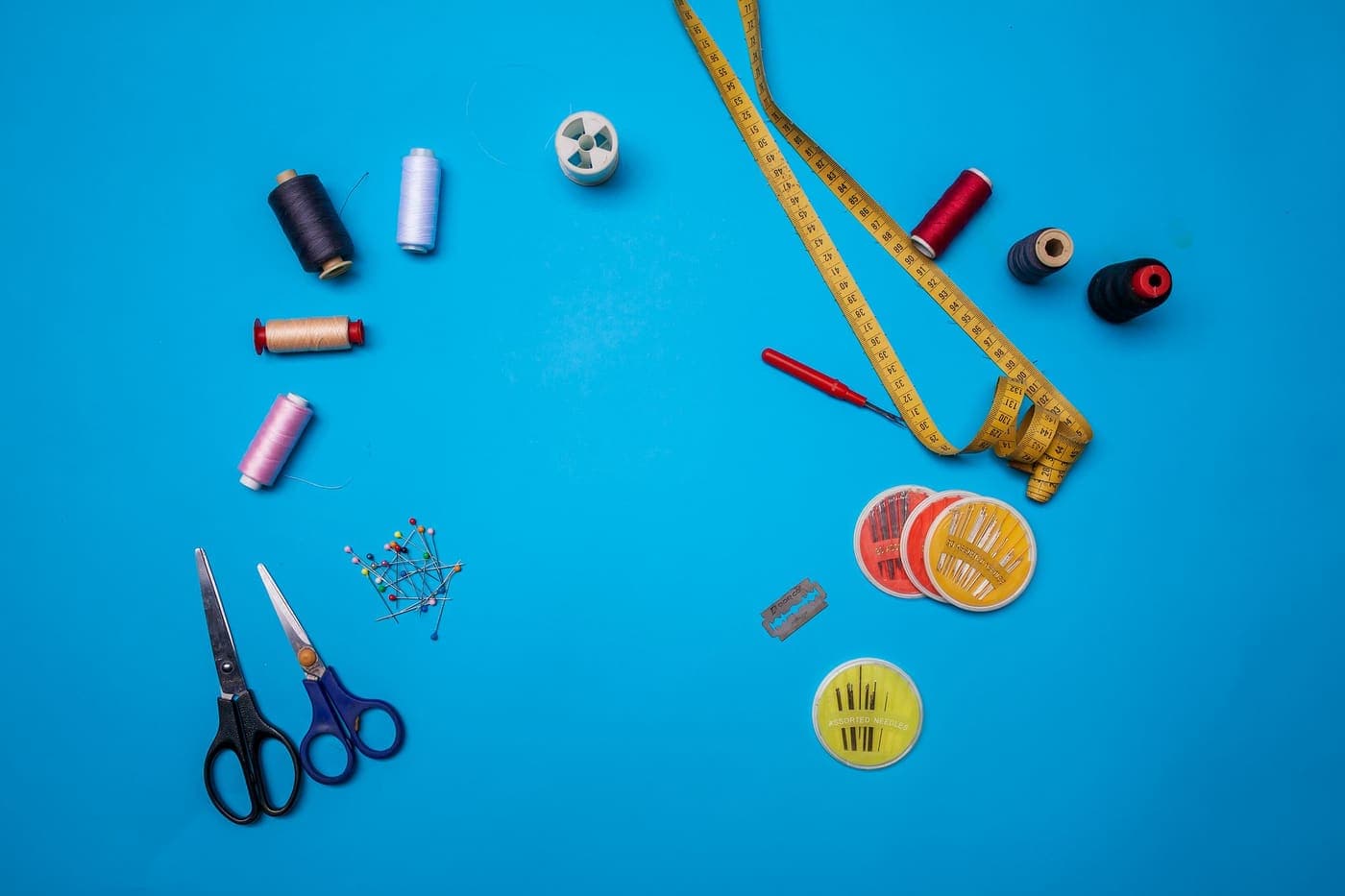
The short answer
A kit is worth buying when you cannot yet assemble the parts list yourself, or when it is a gift. It is worth buying once. After that first project the same money spent on a hook set, a pack of stitch markers and a tapestry needle covers every project you will ever make, and the kits stop making sense.
What is actually in the box
Take a typical beginner crochet kit apart and you find four things, only two of which are materials.
- Yarn. One or two balls, usually of an unbranded acrylic or cotton, in the quantity the pattern needs and no more.
- A hook. Almost always a single size, usually bare aluminum, occasionally with a plastic grip.
- Notions. A tapestry needle, sometimes stitch markers, sometimes safety eyes and stuffing.
- Instruction. A printed pattern, and in better kits a video series.
The first three are commodity items you can buy in any craft shop. The fourth is the only thing you cannot get from a shelf, and it is where the value is.
When a kit is genuinely the right purchase
- It is a gift. A recipient who has never crocheted cannot assemble a parts list, and a gift has to arrive as one object.
- You have never done this specific thing. Amigurumi in particular has a first step - the magic ring - that a pre-started kit removes entirely. See best amigurumi kits.
- You do not know what to buy. A kit is a curated answer to a question you cannot yet ask precisely.
- You want one small project, once. If you genuinely will not do this again, a kit is the cheapest way to make one thing.
- Video instruction is included. Written crochet patterns are a notation system. Video removes the second learning curve.
When a kit is a poor purchase
- You already own a hook in that size. You are buying a duplicate at a markup.
- It supplies one hook and one pattern. That is a project, not a kit, and it costs more than the parts.
- The hook size is wrong for the yarn. Common in amigurumi kits - a 5mm hook with worsted yarn will not make a dense enough fabric.
- The yarn is unbranded with no fiber content stated. You learn nothing about what you like, and you cannot buy more of it.
- It is your second kit. By now you know what you need. Buy the parts.
The arithmetic
This is worth doing explicitly, because kit pricing is designed to be hard to compare.
| Item | In a kit | Bought separately | Lasts |
|---|---|---|---|
| Hook | One size, basic quality | A ten-size set with a proper grip | Years |
| Yarn | Exactly enough for one project | Full balls, branded, known fiber | One project either way |
| Stitch markers | Sometimes, a handful | A 20-piece pack of locking markers | Indefinitely |
| Tapestry needle | Usually one, often plastic | Three bent-tip metal needles in a tube | Indefinitely |
| Instruction | The whole point | Free patterns and video, everywhere | - |
The pattern is the interesting row. Kit patterns are usually exclusive to the kit, which is part of the appeal - but there are vastly more free patterns available than any of us will ever make, so the exclusivity is worth less than it appears.
What kits systematically leave out
There are three things that make crochet easier which almost never appear in a kit, because they cost more than the margin allows.
- A comfortable hook. A molded grip changes how long you can work in one sitting more than anything else on this list. See best ergonomic crochet hooks.
- Enough stitch markers. Two is not enough. Twenty covers almost any single project.
- A bent-tip tapestry needle. The curve is what lets you work into a stuffed or finished piece, and a straight plastic needle is not the same tool.
The honest recommendation
Buy one kit if you have never crocheted, and choose the one with video instruction. Finish it. Then buy a hook set, a pack of stitch markers and a tapestry needle, and buy yarn per project from then on.
That sequence costs slightly more than two kits and it is the last equipment purchase you have to make. Our what belongs in a starter kit page has the same list from the knitting side, and best crochet kits for beginners covers the kits themselves.
The parts list a kit is standing in for
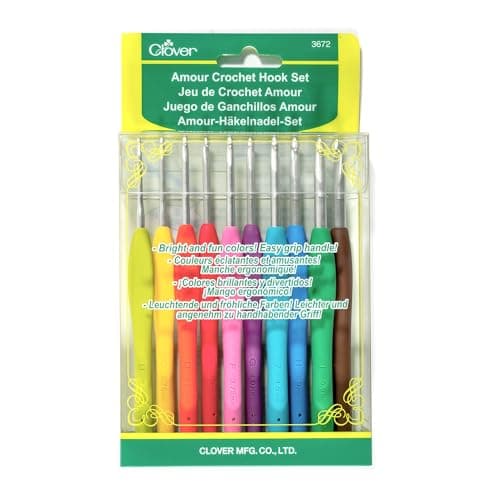
Clover Amour Crochet Hook Set
The hook set that replaces the hook in every kit you would ever buy, in every size you need.
$50.83 - View on Amazon#ad disclosure - price as of October 20, 2026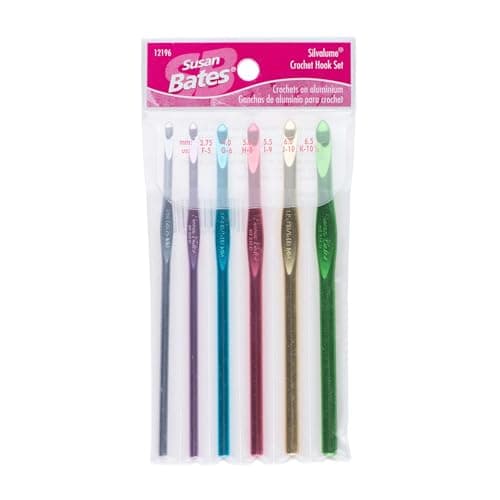
Susan Bates Silvalume Aluminum Crochet Hooks
The cheap way to own one hook and find out whether you like the craft at all.
$11.57 - View on Amazon#ad disclosure - price as of October 20, 2026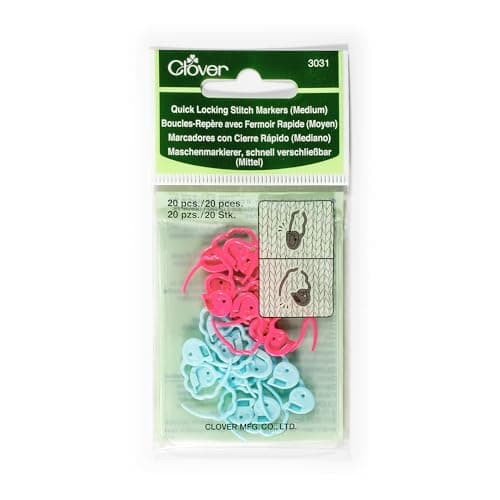
Clover Quick Locking Stitch Markers, Medium
The notion kits most often leave out, and the one that stops you recounting a spiral.
$8.00 - View on Amazon#ad disclosure - price as of October 20, 2026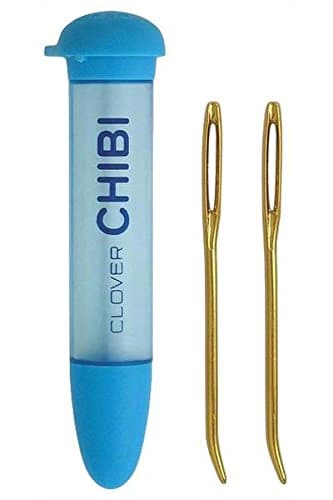
Clover Chibi Darning Needle Set (Bent Tip)
Three bent-tip blunt needles in a tube - for weaving in ends and seaming, on every project.
$9.14 - View on Amazon#ad disclosure - price as of October 20, 2026
Questions people actually ask
Are crochet kits worth the money?
For a first project or a gift, yes - you are paying for instruction and for not having to assemble a parts list. After that, a hook set, stitch markers and a tapestry needle cost about the same and cover every future project.
What should a good crochet kit include?
Yarn with a stated fiber content, a hook in the correct size for that yarn, stitch markers, a tapestry needle, and instruction - ideally video. A kit that supplies only yarn, one hook and a printed pattern is a project, not a kit.
Is it cheaper to buy crochet supplies separately?
Over more than one project, yes, and by a wide margin. The hook and notions in a kit are single-use purchases you already own after the first one.
Do crochet kits include everything you need?
Usually the materials, rarely the tools you will want. Kits routinely skip a comfortable hook, enough stitch markers, and a bent-tip tapestry needle, because those cost more than the kit's margin allows.
What is the best crochet kit for a complete beginner?
One with video instruction, and for amigurumi one that ships with the first rounds already worked. Those two features are what separates a kit somebody finishes from a kit that stays in a drawer.