Guide
Is Acrylic Yarn Flammable?
The regulation has a clear answer, and it is not the one the internet usually gives.
By Sawyer V. · Published September 24, 2026
Disclosure: we earn a commission when you buy through the links on this page, at no extra cost to you. It never decides what we recommend or how we rank it - read the full disclosure.
The short answer
Acrylic yarn is not classed as dangerously flammable. Under 16 CFR Part 1610, the federal Standard for the Flammability of Clothing Textiles, fabrics made entirely from acrylic are specifically exempt from testing to support a guaranty - on the same list as wool, nylon, polyester, olefin and modacrylic - because years of testing show they consistently pass. What acrylic does do is melt rather than char, so it is the wrong fiber for potholders, oven mitts and anything else handled near heat.
The regulation, and what it covers
Clothing textiles sold in the United States fall under 16 CFR Part 1610. Its stated purpose is to reduce injury and loss of life by providing standard methods of testing and rating the flammability of textiles for clothing use, thereby prohibiting the use of any dangerously flammable clothing textiles.
It is a clothing standard. It applies to fabric in a form ready for use in wearing apparel, and it excludes hats that do not cover the neck, face or shoulders, gloves up to 14 inches, footwear, and interlinings.
The three classes
The standard sorts textiles into three classes by how fast a flame travels up a sample. The test holds the fabric at a 45 degree angle, applies a standardized flame for 1 second, and records the time taken for the flame to travel 127mm (5 inches) up the specimen.
| Class | Plain surface fabric | Raised surface fabric | Verdict |
|---|---|---|---|
| 1 - Normal flammability | Burn time 3.5 seconds or more | Burn time over 7 seconds, or 0-7 seconds with no base burn | Acceptable for clothing |
| 2 - Intermediate | Not applicable | Burn time 4 to 7 seconds inclusive, with base burn | May be used for clothing |
| 3 - Rapid and intense burning | Burn time under 3.5 seconds | Burn time under 4 seconds with base burn | Dangerously flammable; shall not be used |
Class 3 is the one the standard exists to keep off shelves. Notice that only raised-surface fabrics can be Class 2 - the regulation treats a fuzzy or brushed surface as a separate risk, because a surface flash can run across the nap without the base fabric burning at all.
Melting is the real acrylic question
Flame spread is not the same as heat behavior, and this is where acrylic genuinely differs from cotton and wool. The regulation itself distinguishes a base fabric that ignites from one that fuses - fusing being the melt.
- Cotton chars. It scorches and turns to ash, and it does not stick.
- Wool is hard to ignite and self-extinguishes in ordinary conditions, which is why it appears on the exempt list.
- Acrylic softens and melts. Molten synthetic sticks to skin, which is a burn mechanism cotton does not have.
- A raised or brushed acrylic surface is the worst case, because loose fiber ends carry a surface flash.
- None of this makes acrylic clothing unsafe in normal use - it makes it the wrong fiber for specific jobs.
Where not to use acrylic
- Potholders, oven mitts and trivets. Use cotton, doubled. This is the clearest case, and best yarn for potholders and trivets covers the construction.
- Anything used around a stove or open flame, including hanging towels.
- Candle mats and table runners under candles.
- Costumes with loose, fluffy surfaces, where a surface flash has somewhere to run.
- Firefighting, welding or workshop wear, which needs purpose-made flame-resistant fabric, not craft yarn.
Where acrylic is completely fine
Blankets, sweaters, hats, scarves, toys and afghans - the overwhelming majority of what acrylic is used for. The fiber is on the regulation's exempt list precisely because all-acrylic fabric passes the test reliably.
If you want the case for and against acrylic on other grounds, acrylic vs wool yarn, does acrylic yarn shed microplastics and acrylic yarn allergies and sensitivity cover the rest.
A note on what this page is not
This is a plain reading of a public regulation, not fire-safety advice and not legal advice. If you are making something to sell, read the standard itself, and note that childrenswear sleepwear falls under separate standards entirely.
Both links in the sources below go to the regulation text - one to the Code of Federal Regulations on govinfo.gov, one to the Electronic Code of Federal Regulations.
Acrylic, and the fiber to use instead near heat
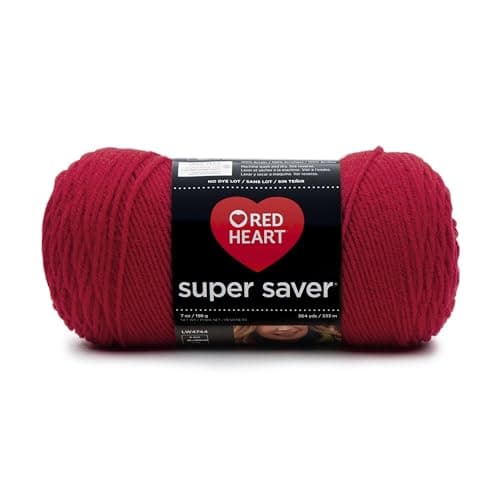
Red Heart Super Saver
100% acrylic, worsted, 364yd per 198g. The workhorse acrylic, and covered by the standard's fiber exemption like every other all-acrylic fabric.
$4.29 - View on Amazon#ad disclosure - price as of September 24, 2026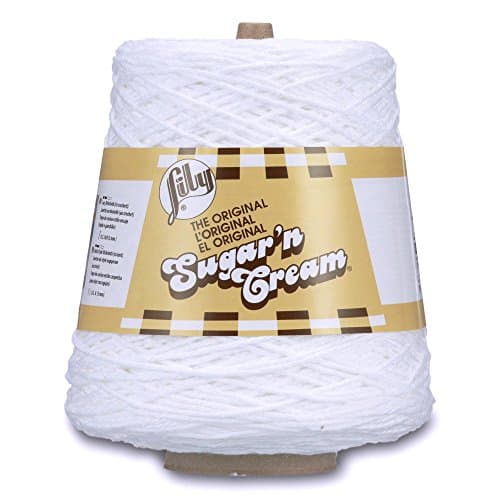
Lily Sugar'n Cream
100% cotton, worsted, 120yd per 71g. Cotton chars rather than melting, which is why potholders are made from it.
$18.93 - View on Amazon#ad disclosure - price as of September 24, 2026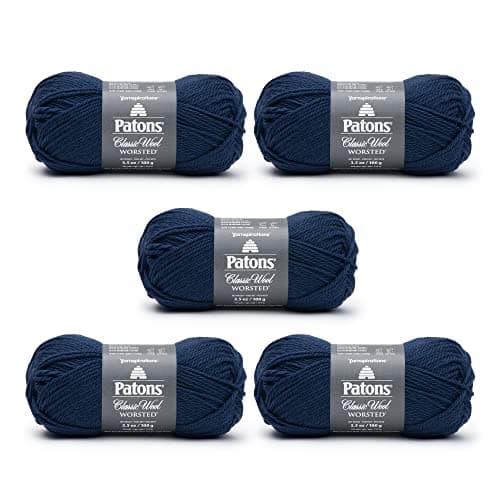
Patons Classic Wool Worsted
100% wool, worsted, 194yd per 100g. Wool appears on exactly the same exempt list as acrylic in the regulation.
$43.56 - View on Amazon$47.228% off · #ad disclosure - price as of September 24, 2026
Questions people actually ask
Is acrylic yarn flammable?
It is not classed as dangerously flammable. 16 CFR Part 1610 exempts fabrics made entirely from acrylic from testing to support guaranties, alongside modacrylic, nylon, olefin, polyester and wool, because they consistently pass the test.
Does acrylic yarn melt?
Yes, and that is the real hazard rather than flame spread. Acrylic softens and fuses where cotton chars, and molten synthetic can stick to skin. It is the reason potholders are made from cotton.
Can I use acrylic yarn for potholders?
No. Use 100% cotton, doubled. Cotton chars under heat; acrylic and other synthetics soften and can stick to skin.
Is wool more fire-safe than acrylic?
Wool is harder to ignite and does not melt, but as far as the federal clothing standard is concerned both sit on the same exemption list. The practical difference is behavior under heat rather than flammability class.
What is a Class 3 textile?
Under 16 CFR 1610.4, a plain surface fabric with a burn time under 3.5 seconds, or a raised surface fabric under 4 seconds with a base burn. Class 3 textiles are described as dangerously flammable and shall not be used for clothing.
Sources
- 16 CFR Part 1610 - Standard for the Flammability of Clothing Textiles (Code of Federal Regulations, govinfo.gov)
- 16 CFR Part 1610 on the Electronic Code of Federal Regulations
- Yarnspirations - Red Heart Super Saver specification
- Yarnspirations - Patons Classic Wool Worsted specification
- Yarnspirations - Lily Sugar'n Cream specification